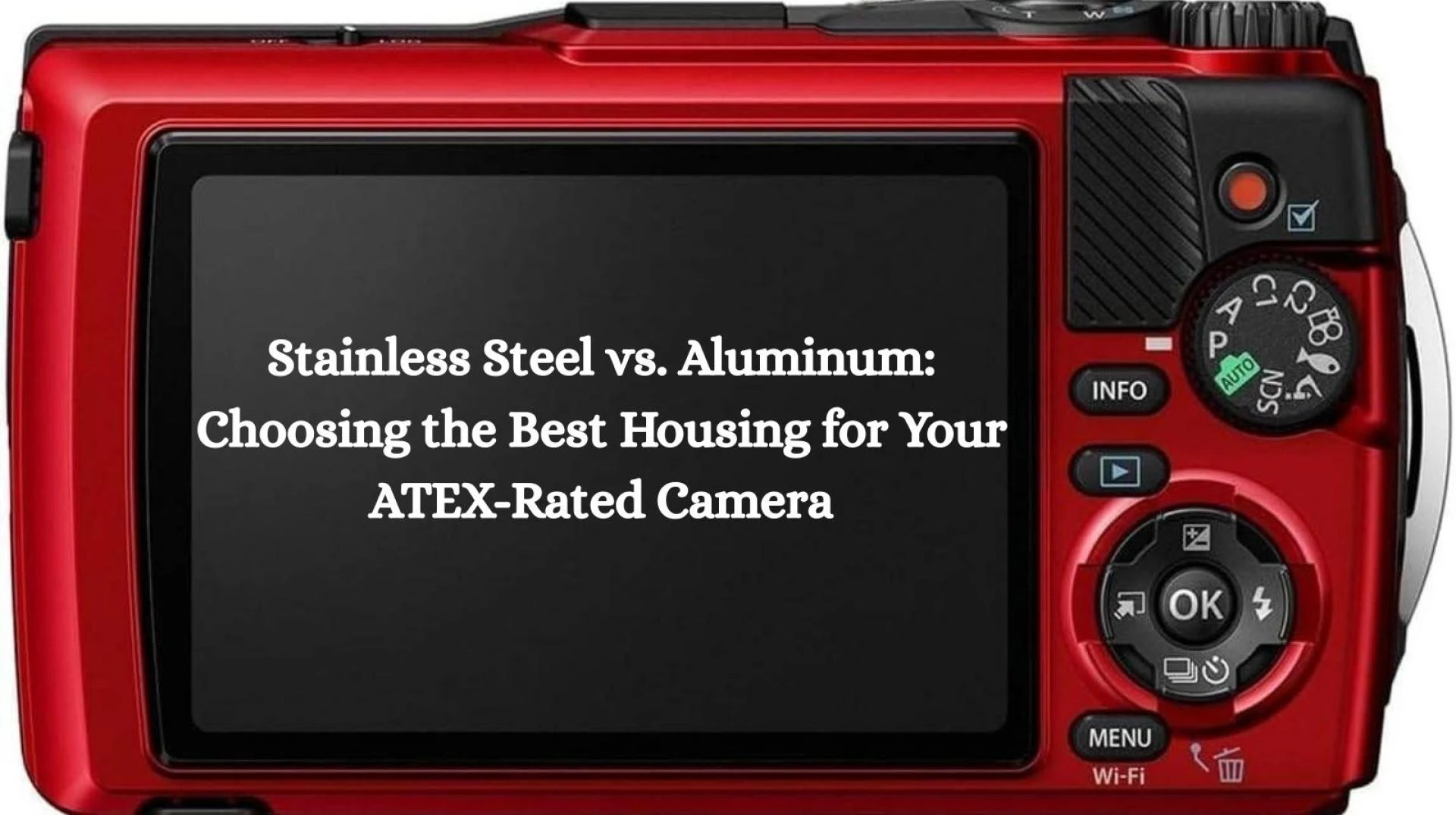

When procurement teams and safety engineers sit down to specify an ATEX digital camera for a hazardous area installation, the conversation typically centres on zone classification, certification category, gas group, and temperature class. All of those are absolutely the right things to focus on. But there's a specification decision that sits slightly further down the list — one that carries more compliance and operational consequence than most people give it credit for — and that's the choice of enclosure housing material.
Stainless steel or aluminum. Two materials that both show up regularly in certified explosion-proof camera specifications. Two materials that look superficially similar on a datasheet but behave very differently in the field. And two materials whose selection can determine whether your certified camera installation maintains its compliance integrity over the long term, or quietly degrades into a liability.
For safety managers, procurement professionals, and engineers specifying hazardous area cameras in oil and gas, chemical processing, offshore, and heavy manufacturing environments, this is a decision worth understanding properly — not just at the point of purchase, but from a compliance maintenance perspective across the entire operational life of the installation.
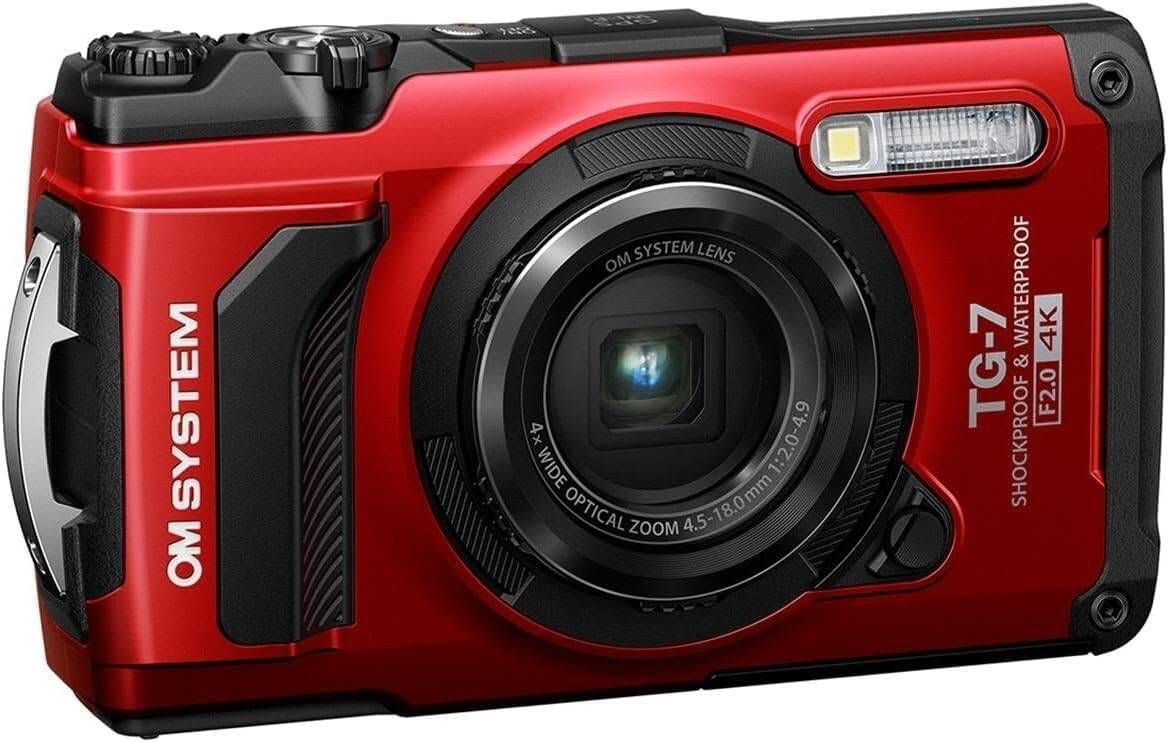
Why Housing Material Is a Compliance Decision, Not Just a Hardware Choice
Here's the regulatory context that makes this conversation more than a technical preference discussion. Explosion-proof protection — the protection concept used in the vast majority of fixed explosion proof digital camera installations — depends entirely on the mechanical integrity of the enclosure. The flamepath surfaces that prevent internal ignition from propagating to the surrounding explosive atmosphere, the sealed cable entries that maintain the enclosure's integrity, the thread engagements and fastener interfaces that keep the housing closed under internal pressure — all of these protective functions are physical properties of the enclosure material and construction.
When an enclosure material degrades — through corrosion, mechanical damage, or chemical attack — the explosion-proof protection degrades with it. A camera housing that is visually intact but internally corroded along its flamepath surfaces is no longer providing the protection its certification assumed. And from a regulatory standpoint, that camera is no longer compliant, regardless of the certification mark still visible on its exterior.
Under EN/IEC 60079-17, periodic inspection of hazardous area equipment must assess the condition of enclosure materials and flamepath surfaces specifically. The choice of housing material directly affects how frequently those inspections need to identify remediation requirements, how long the installation can reasonably be expected to maintain its certified condition, and ultimately, the total compliance lifecycle cost of the camera system.
This is why housing material selection deserves to be treated as a compliance decision from day one — not an afterthought once the certification parameters have been confirmed.
The Case for Aluminum: Lightweight, Cost-Effective, and Broadly Capable
Aluminum has been the dominant enclosure material for explosion-proof industrial equipment for decades, and for good reason. It offers an excellent strength-to-weight ratio, machines well to the tight tolerances that flamepath surfaces require, dissipates heat effectively, and provides solid corrosion resistance in the majority of industrial environments when properly treated.
For a fixed explosion proof digital camera installation in a Zone 1 or Zone 2 environment that doesn't involve aggressive chemical exposure, salt-laden marine atmospheres, or highly corrosive process conditions, a high-quality aluminum enclosure with appropriate surface treatment — anodizing or powder coating applied to specification — will maintain its compliance integrity across a reasonable operational lifespan with standard inspection and maintenance protocols.
The weight advantage of aluminum is particularly relevant for overhead or elevated mounting positions common in industrial surveillance installations, and for explosion proof handheld camera applications where device weight directly affects operator fatigue and field usability. A well-specified aluminum-housed portable camera can offer a meaningful ergonomic advantage over an equivalent stainless steel unit in extended inspection applications.
The compliance consideration with aluminum is surface protection. The anodizing or coating applied to an aluminum enclosure is doing real corrosion protection work, and its condition should be assessed as part of periodic inspection. Damaged surface treatment on an aluminum enclosure in a corrosive environment can allow accelerated corrosion to develop, potentially compromising the flamepath surfaces that the protection concept depends on. This isn't a reason to avoid aluminum — it's a reason to inspect it properly.
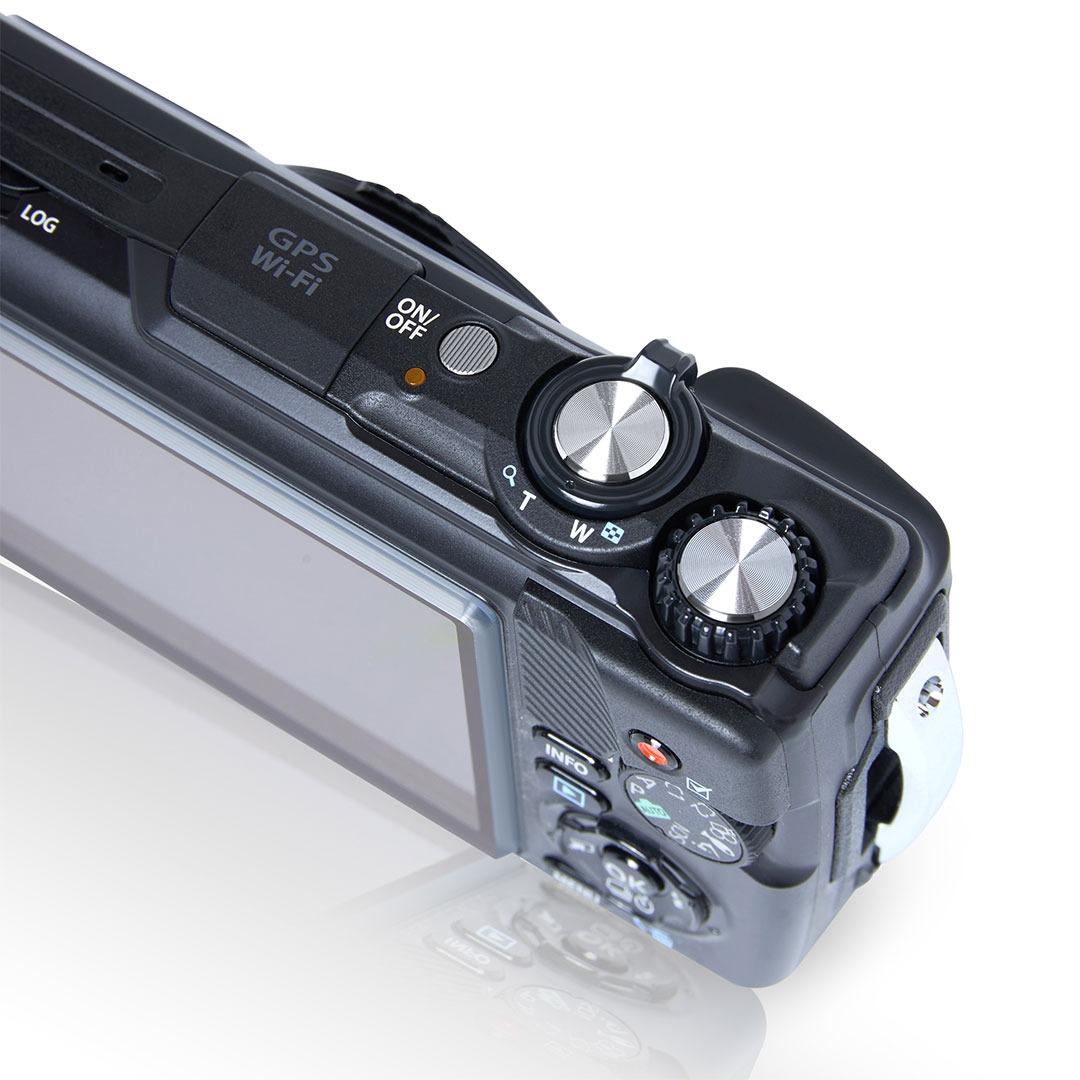
The Case for Stainless Steel: Superior Corrosion Resistance for Demanding Environments
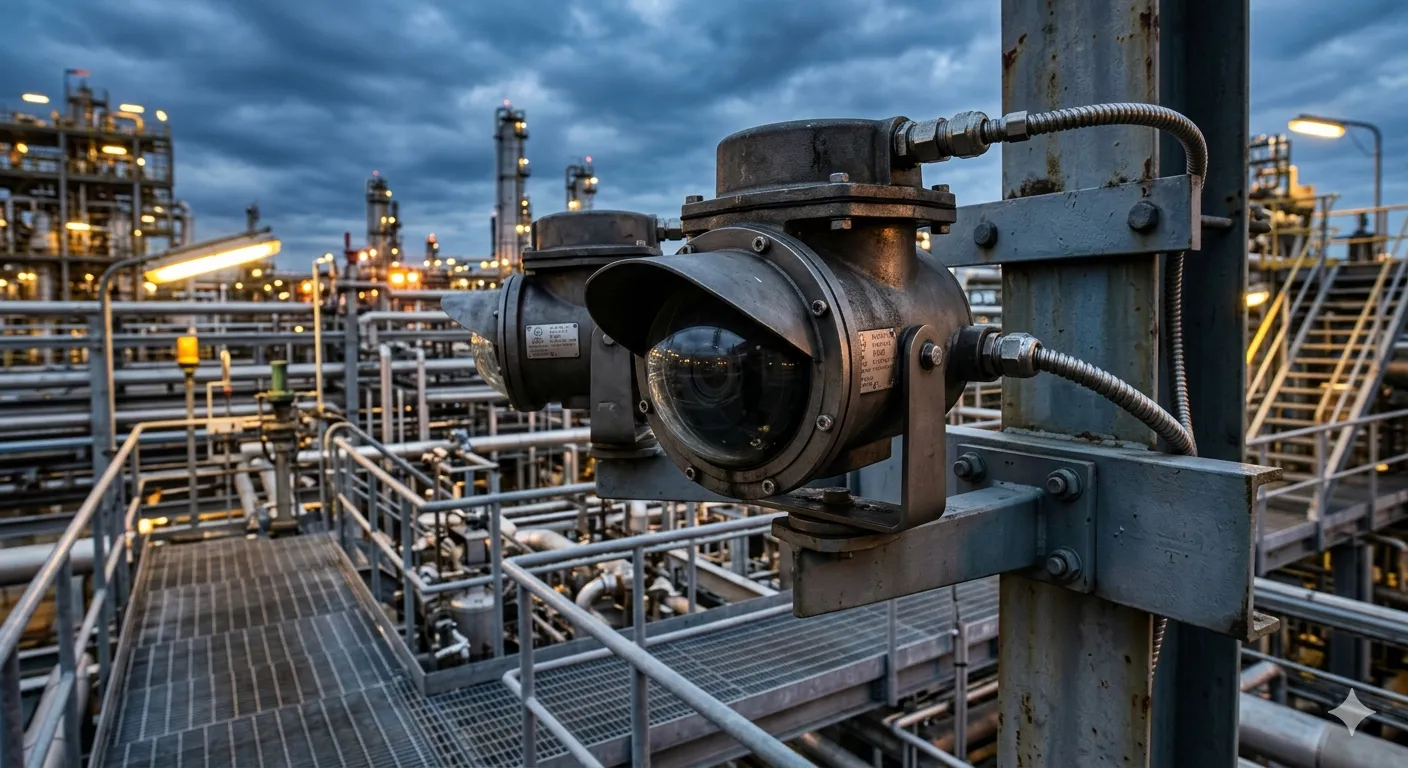
Stainless steel — specifically 316L grade in the most demanding applications — brings a fundamentally different corrosion resistance profile to the table. Unlike aluminum, which relies on surface treatment for corrosion protection, 316L stainless steel's corrosion resistance is an inherent material property. Its chromium-nickel-molybdenum composition provides robust resistance to chloride-induced corrosion, making it the material of choice for offshore and marine installations where salt spray exposure is continuous and aggressive.
For an ATEX digital camera deployed on an offshore platform, a coastal chemical terminal, or any facility where process fluids include chlorinated compounds or highly acidic or alkaline substances, stainless steel housing isn't a premium option — it's a compliance necessity. The same environment that would gradually compromise an aluminum enclosure over two to three years will leave a properly specified 316L stainless steel enclosure in essentially the same condition a decade later.
This long-term material stability translates directly into compliance stability. Stainless steel enclosures in appropriate environments maintain their flamepath surface integrity across extended operational periods, reducing the frequency at which inspections identify enclosure-related remediation requirements and extending the practical compliance lifecycle of the installation.
Stainless steel also offers superior resistance to mechanical damage in environments where cameras are exposed to impact risks — pressurised cleaning equipment, equipment movement in congested plant areas, or the physical demands placed on an intrinsically safe digital camera used in active field inspection work. The material's higher hardness and toughness compared to aluminum provides a meaningful margin of physical resilience that directly supports long-term enclosure integrity.
Where the Decision Gets Nuanced: Mixed Environment Considerations
The most challenging specification scenarios are those involving mixed or variable exposure conditions — facilities where some camera positions face aggressive chemical or marine environments while others operate in more benign conditions, or where the same camera type needs to be deployed across multiple sites with different environmental profiles.
In these scenarios, the temptation is to specify the more demanding material — stainless steel — across the board for simplicity. And in many cases, that's the right answer from a compliance lifecycle management perspective, even if the upfront cost is higher. A unified housing material specification simplifies inspection protocols, maintenance parts management, and compliance documentation.
However, where weight is a genuine operational constraint — particularly for portable explosion proof handheld camera applications or elevated mounting positions where structural load calculations are involved — specifying stainless steel universally may create practical problems that offset the compliance lifecycle advantage. In these cases, a hybrid specification approach, with stainless steel for the most environmentally demanding fixed installations and aluminum for portable and lower-exposure fixed applications, can be the most defensible compliance position when properly documented and risk-assessed.
The Procurement Professional's Compliance Checklist for Housing Material Selection
Before finalising any ATEX camera housing material specification, procurement teams and safety engineers should work through these compliance-relevant questions. What are the specific corrosive agents present in the installation environment — chlorides, acids, alkalis, industrial solvents? What is the ambient humidity profile, and is salt spray or condensation a regular exposure factor? What mechanical impact risks exist at the installation location? What is the intended operational lifespan of the installation, and what inspection interval is realistically maintainable? And critically — does the selected housing material maintain the flamepath surface tolerances required by the explosion-proof certification under the environmental conditions it will actually face?
These questions, answered honestly and documented thoroughly, produce a housing material specification that is defensible in a regulatory audit, traceable to a risk assessment, and genuinely matched to the compliance demands of the installation.
Conclusion
The choice between stainless steel and aluminum for your ATEX camera housing is a compliance decision that plays out over the entire operational life of your hazardous area installation — not just at the point of procurement. Both materials have legitimate roles in well-specified explosion-proof camera systems, but those roles are defined by the specific environmental, operational, and compliance lifecycle demands of each installation, not by cost alone or material preference.
At SharpEagle Technology, we help facilities across the UK, UAE, and Kuwait specify ATEX-certified camera solutions with housing materials matched precisely to their environmental conditions, zone classifications, and long-term compliance maintenance requirements — whether that means aluminum for accessible Zone 2 installations, 316L stainless steel for offshore and chemical environments, or a hybrid approach across complex multi-site operations.
Ready to specify hazardous area cameras that maintain their compliance integrity across their entire operational life? Contact SharpEagle Technology today for expert guidance on housing material selection, zone-specific certification, and the documentation framework your facility needs to stay audit-ready.
With your current ATEX camera installations in mind, can you confirm that the housing material of every certified camera in your hazardous zones was selected based on a documented assessment of the specific corrosive, mechanical, and environmental conditions it faces — and that its ongoing condition is being inspected and recorded at intervals appropriate to those conditions?




















Sign in to leave a comment.