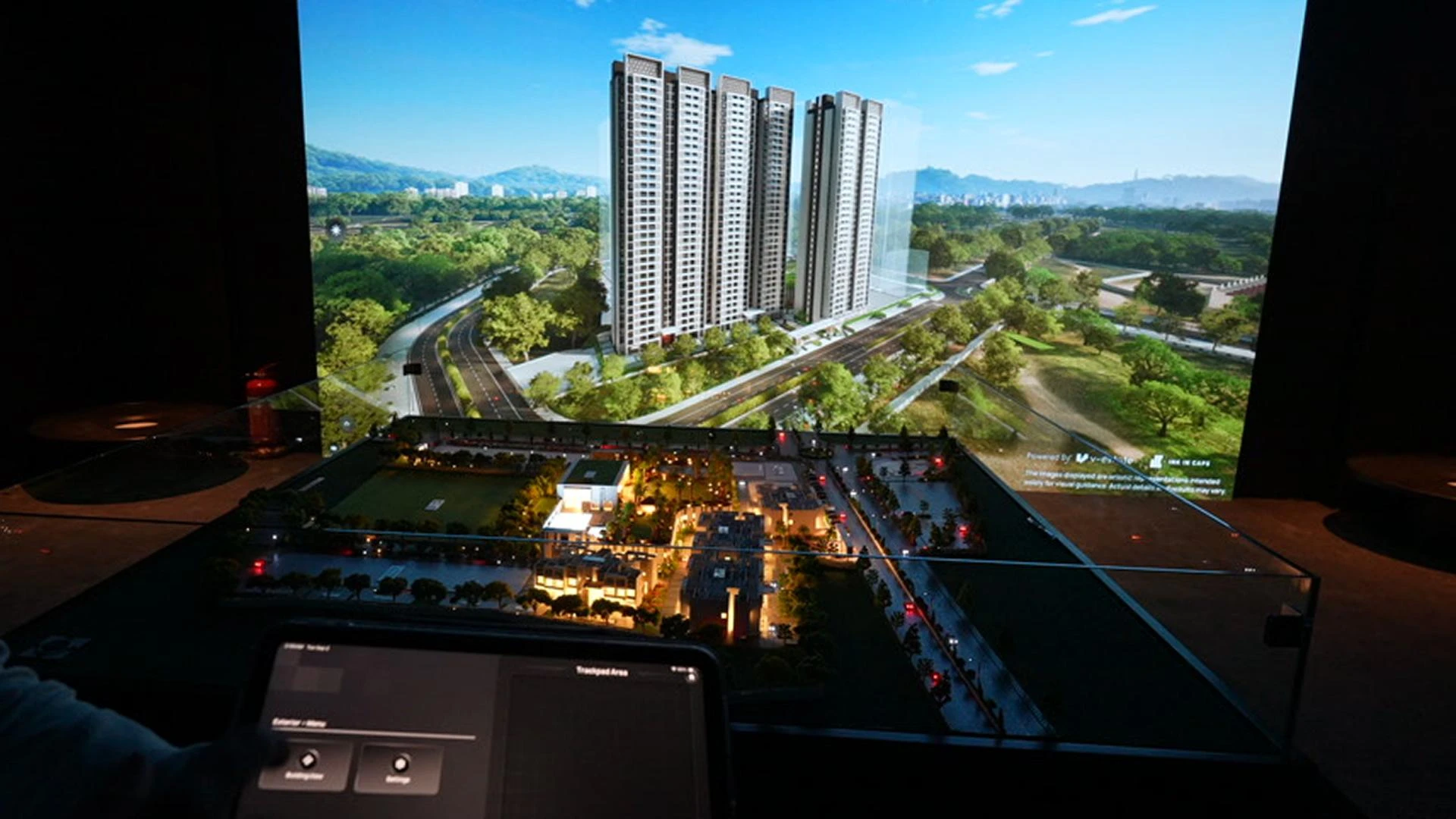

In real estate sales, a picture is worth a thousand words, but an experience is worth a thousand pictures. For years, the industry has relied on static renders glossy, high-definition images designed to show a project in its best possible light.
However, as buyers become more tech-savvy and skeptical, these "perfect" images are starting to lose their impact. A static render is a one-way conversation; it tells the buyer where to look. In contrast, working with a 3D interactive real estate visualization agency allows you to turn that conversation into an exploration.
The Trust Gap in Static Marketing
The main issue with static renders is that they are curated. A buyer knows that a photographer or designer chose the most flattering angle, the perfect lighting, and the most convenient crop. This often leaves them wondering: What is the developer hiding?
When a buyer can only see what you choose to show them, skepticism grows. They want to see the view from the third floor, not just the penthouse. They want to know how far the playground really is from the entrance. Static images cannot answer these questions, but interactive property tour software can.
Moving from "Looking" to "Living"
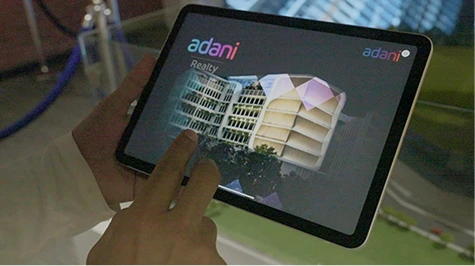
Interactive technology shifts the buyer from a passive observer to an active participant. Instead of flipping through a brochure, they are "walking" through their future home.
By using high-performance engines like Unreal Engine 5.4, agencies can now create environments that feel alive. We can simulate natural light at different times of the day, show real-world greenery using procedural generation, and even use drone footage to show the exact view a resident will see from their specific balcony. This level of detail doesn't just look good—it builds the confidence required to make a high-value purchase.
Case Study: Rustomjee Urban Woods

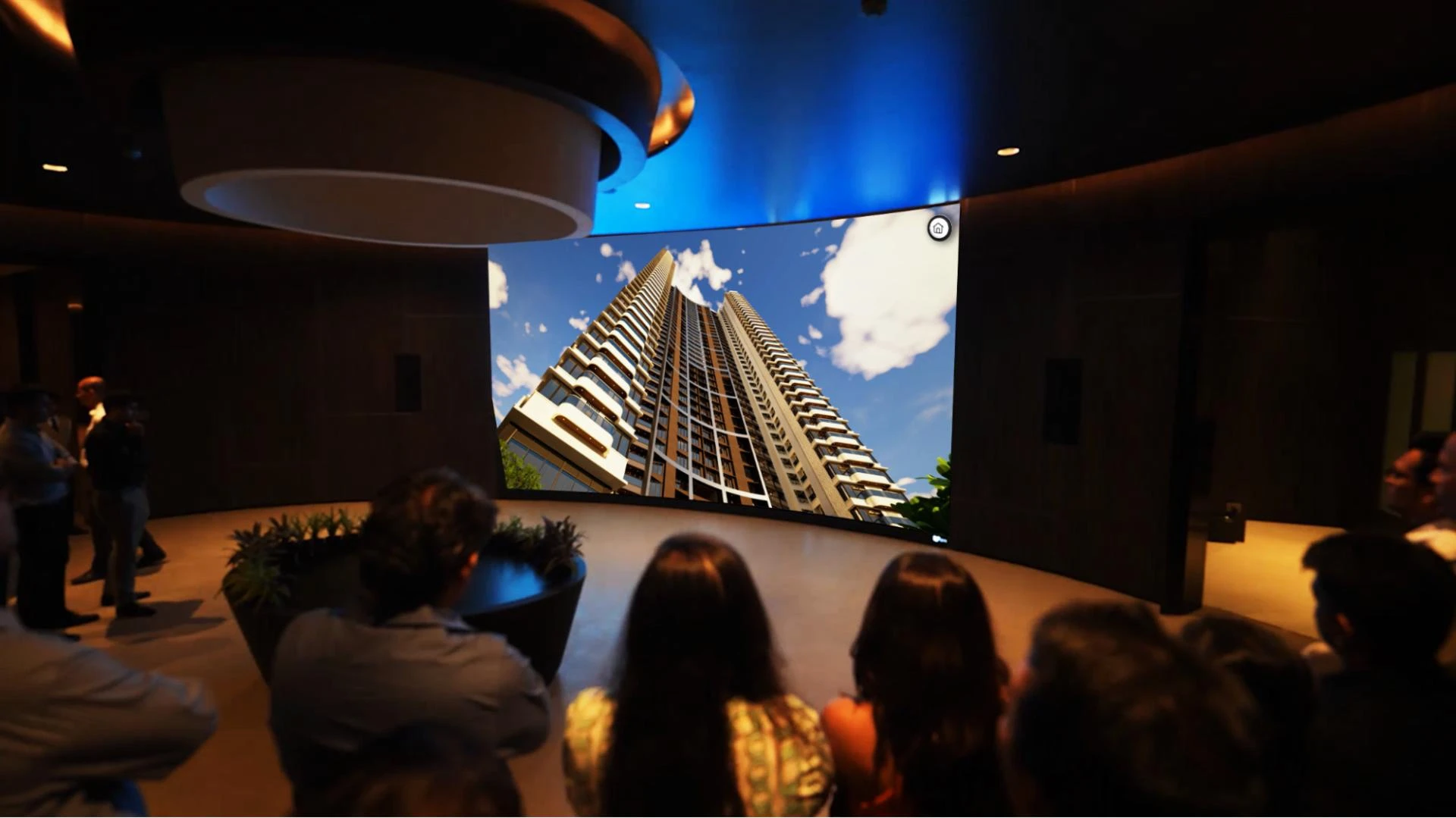
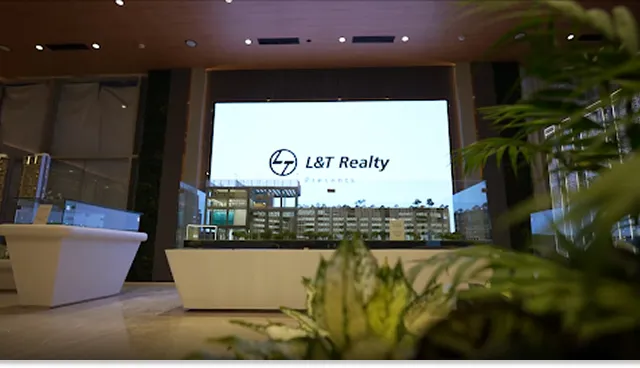
At Rustomjee Urban Woods, Vestate faced the challenge of selling an affordable housing project in a hyper-competitive market with no physical building to show. By deploying an experience center that combined IoT-enabled scale models with real-time 3D visuals, we managed a flow of 210 families daily. The result was 100% system uptime over six months and a significantly accelerated sales cycle driven by buyer trust in the "real window views" and interactive amenity tours.
The Importance of Technical Reliability
For an interactive experience to be effective, it must be seamless. A slow-loading screen or a laggy interface breaks the "magic" and makes the project feel less professional.
When we design these systems at Vestate, we focus on engineering as much as aesthetics. This includes:
- High Frame Rates: Ensuring a smooth 30-35 FPS even with complex, dense geometry.
- Dual-Server Redundancy: A main and backup system to ensure the sales gallery never goes dark during a busy weekend.
- Spatial Planning: Designing the tech to handle high footfall—up to 30 families per hour—without creating bottlenecks.

The New Standard for Real Estate
The era of relying solely on "coming soon" posters is over. To compete in today’s market, developers need to offer transparency. By giving buyers the "remote control" to their future home through interactive software, you remove the guesswork. You aren't just selling them a flat; you are giving them the certainty that they are making the right choice.
Want to see how interactivity can drive your sales?
Request a demo and discover how V-estate bridges the gap between vision and reality.





















Sign in to leave a comment.