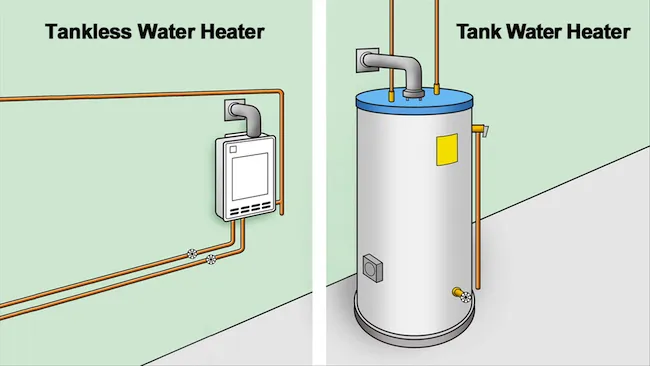
Choosing the right water heater depends on your household size, daily hot water demand, and long-term budget goals, making Tankless Water Heaters Services an important consideration for homeowners. Tankless models offer endless hot water and energy savings, while traditional tanks provide a lower initial price point and simpler replacement process.
This guide provides a detailed look at how each system performs in the specific climate of Clark County. Professionals with years of field experience have gathered these details to help you make an informed investment for your property.
How Traditional Tank Water Heaters Work
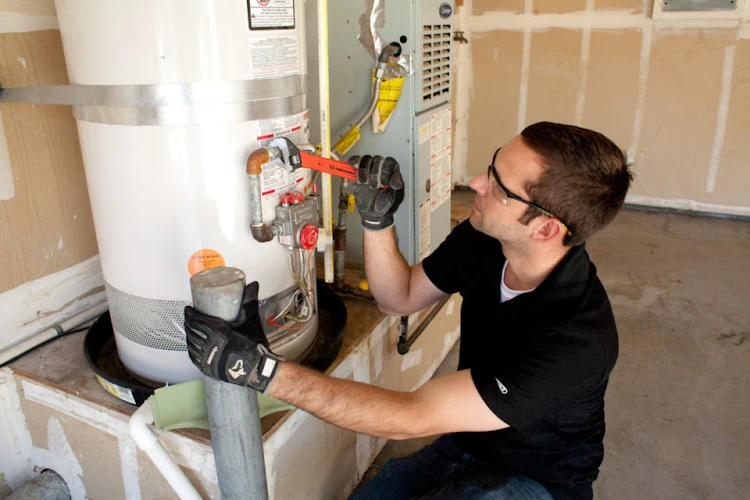
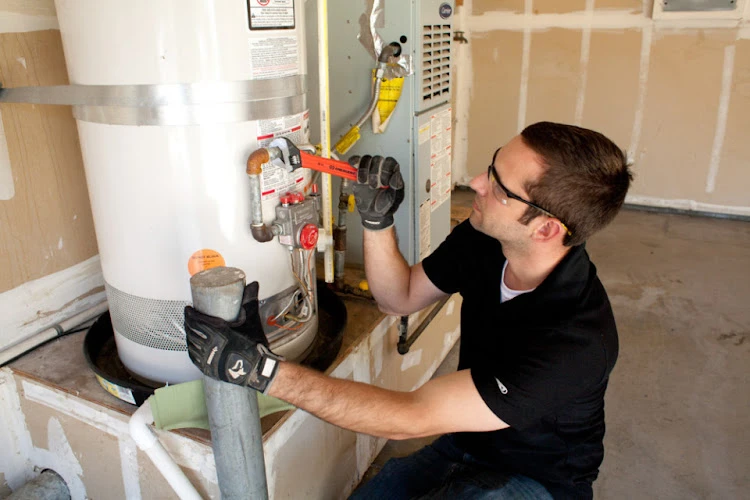
Standard water heaters keep a large volume of water hot at all times within an insulated cylinder. They use a heating element or gas burner to maintain a set temperature so the water is ready when you turn on a tap.

These systems are the most common choice for many residents because they are familiar and easy to service. They typically hold between 30 and 80 gallons of water depending on the size of your house and family.
- Reliable storage for immediate use
- Lower purchase and installation price
- Simple mechanical designs
- Consistent performance during power outages if using gas models
The Mechanics Of Tankless Technology
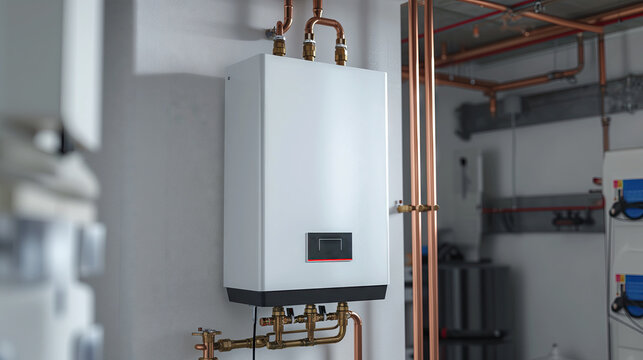
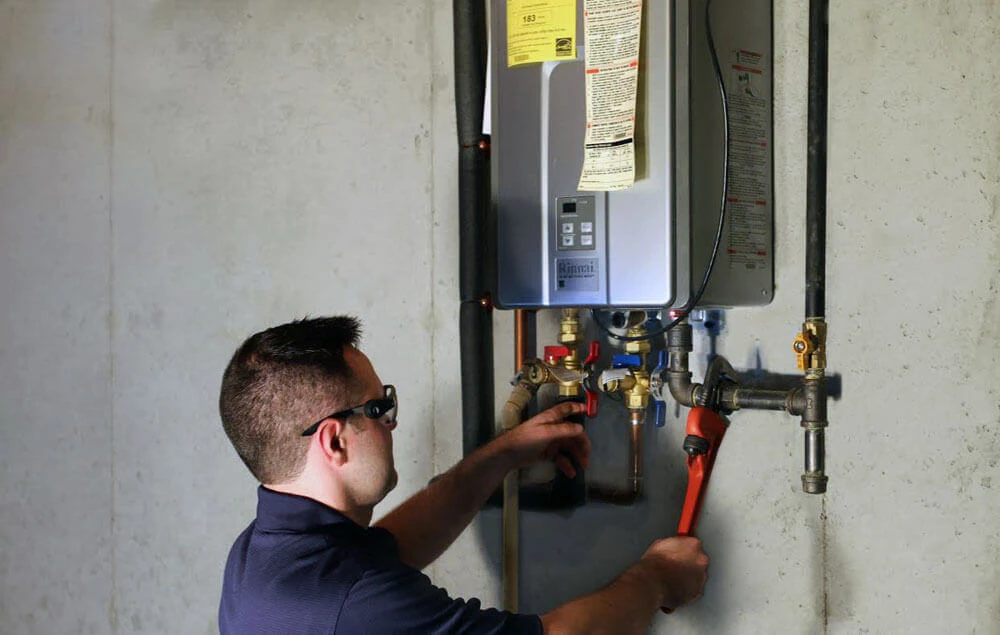
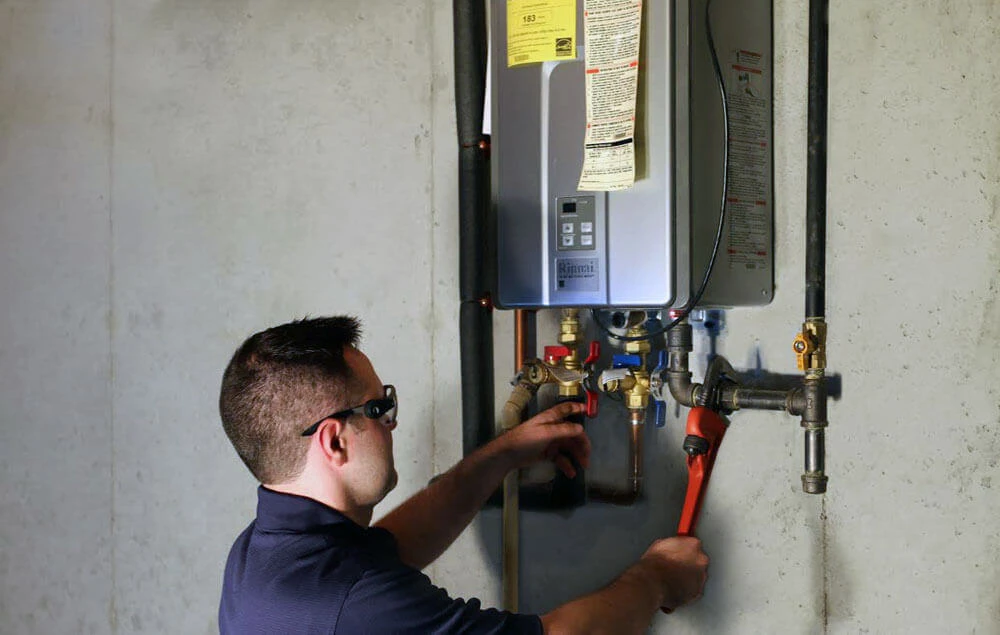
Tankless units are often called on-demand heaters because they only heat water when a faucet or appliance is active. They use high-powered burners or coils to flash-heat cold water as it flows through the heat exchanger.
Because there is no storage tank, you do not run out of hot water during back-to-back showers. These units are much smaller and typically hang on a wall, saving significant floor space in your utility room.
- No standby energy loss from heating idle water
- Continuous hot water supply for large families
- Compact design for small closets or crawlspaces
- Longer expected lifespan than traditional units
Which water heater fits your budget
Determining which system fits your budget requires balancing the initial installation cost against the potential for long-term utility savings and equipment longevity.
Water Heater Performance Comparison

Energy Efficiency And Monthly Utility Costs
Recent data suggests that homes using less than 41 gallons of hot water daily can see significant energy savings with tankless units. These savings often range from 24 percent to 34 percent compared to traditional tanks.
In Camas, where energy rates can fluctuate, reducing your consumption helps stabilize monthly bills. While the initial cost is higher, the reduction in gas or electricity usage helps offset the investment over several years.
- Lower carbon footprint for environmentally conscious owners
- Reduced waste from heating water you do not use
- Potential for local utility rebates in Washington state
- Higher efficiency ratings on modern Energy Star models
Evaluating Space And Installation Requirements
Traditional tanks require a dedicated footprint, often in a garage or basement utility closet. If you are looking to reclaim square footage for storage or a workshop, switching to a wall-mounted unit is a practical move.
Installing a tankless system in an older home may require upgrading your gas lines or electrical panel. The venting requirements are also different, often needing dedicated PVC piping that exits through a side wall.
- Reclaim up to 12 square feet of floor space
- Flexibility to install in pantries or laundry rooms
- Easier access for cleaning and inspections
- Reduced risk of catastrophic flooding from a ruptured tank
Regional Climate Impacts On Performance
The groundwater temperature in the Pacific Northwest is often colder than in southern regions, especially during winter. This means your heater must work harder to raise the water temperature to a comfortable 120 degrees.
When selecting a tankless unit, you must ensure the flow rate can handle this steep temperature rise. A unit that provides 5 gallons per minute in Florida might only provide 3 gallons per minute during a cold Camas January.
- Account for lower incoming water temperatures
- Size your unit based on peak winter demand
- Consider freeze protection for units installed in unheated spaces
- Evaluate insulation needs for outdoor piping
Bonus Tip: Water Softening
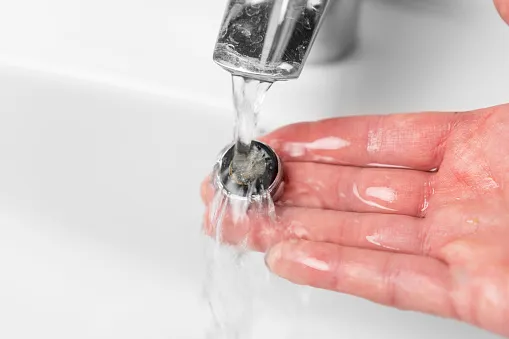
In addition to managing cold input temperatures, homeowners must address the mineral content of Camas water. These minerals lead to scale buildup in high-heat environments, so installing a water softener alongside a tankless unit can extend the life of the heat exchanger significantly.
Maintenance Needs And Longevity
Traditional tanks are prone to internal corrosion because water sits against the metal walls constantly. You must replace the sacrificial anode rod every few years to prevent the tank from rusting through and leaking
Tankless systems avoid rust but are sensitive to scale buildup within the narrow heating tubes. They require a professional flush with a descaling solution at least once a year to maintain peak performance and efficiency.
- Tanks usually last about a decade before needing replacement
- Tankless units can reach 20 to 25 years with proper care
- Regular maintenance prevents sudden cold showers
- Professional inspections help catch small leaks early
Important Factors To Review Before Deciding
Before you commit to a specific technology, you should evaluate the current infrastructure of your home. A simple swap of a tank-style unit is much faster and cheaper than a full conversion to an on-demand system.
Consider how many people live in your home and how many appliances run simultaneously. If you frequently run the dishwasher, laundry, and two showers at once, you will need a high-capacity system.
- Total number of bathrooms in the home
- Availability of natural gas or high-voltage electric lines
- Future plans for home additions or remodeling
- Budget for both immediate installation and long-term repairs
Bonus Tip: Recirculation Pumps
If your faucets are far from the heater, you might wait a long time for hot water. Adding a recirculation pump can provide instant heat regardless of which system you choose.
Selecting The Best Option For Your Household
For many growing families in Camas, the endless hot water and space savings of a tankless system make it the superior choice. The long-term durability often justifies the higher entry price for those planning to stay in their homes.
However, if you are on a strict budget or plan to sell your property soon, a high-efficiency tank model remains a solid investment. These units are reliable and provide plenty of hot water for standard daily routines.
- Assess your daily hot water habits carefully
- Review your long-term financial goals for the property
- Consult with local experts to verify your home's compatibility
- Check for current tax credits for energy-efficient upgrades
Finding Professional Support For Your Water Heater Project
Selecting and installing a new water heating system requires technical knowledge to ensure safety and code compliance. You should seek out a reputable plumbing company Camas WA residents trust for quality workmanship and honest advice. Professional teams like Simpson Plumbing LLC offer comprehensive tankless water heater services Camas WA homeowners need for long-term reliability. Whether you require a routine water heater installation contractor Camas WA or emergency repairs, their experts can guide you toward the right model. You can reach their team at [email protected] or by calling their office to schedule a consultation and receive a free quote for your next project.
Frequently Asked Questions
How long does it take to install a tankless water heater?
A full conversion from a tank to a tankless system usually takes eight to twelve hours depending on venting needs.
Will a tankless water heater work during a power outage?
Most modern gas tankless units require electricity for the control board and will not operate without a backup power source.
Do tankless water heaters provide instant hot water at the tap?
They provide endless hot water, but it still takes time for the heat to travel through the pipes to your faucet.
Is it worth switching to tankless if I have a small family?
If you use very little hot water, the energy savings may not offset the higher installation costs as quickly.
What is the most common reason for water heater failure in Camas?
Sediment buildup and internal corrosion are the leading causes of premature failure for traditional tank systems in this region.


























Sign in to leave a comment.