
Art and design are two disciplines that often intersect, creating a rich tapestry of creativity and functionality. While art is often seen as a form of self-expression and creativity, design is about problem-solving and functionality. This article explores the relationship between art and design, highlighting how they come together to create impactful and meaningful experiences.
Understanding Art and Design
Definition of Art
Art is a diverse range of human activities that involve creative expression, such as painting, sculpture, music, literature, and dance. It is a form of communication that can evoke emotions, provoke thoughts, and challenge perceptions.
Definition of Design
Design, on the other hand, is the process of creating solutions to problems. It involves identifying needs, brainstorming ideas, and developing prototypes. Design can be found in various fields, including graphic design, industrial design, fashion design, and interior design.
The Relationship Between Art and Design
Similarities
Both art and design involve creativity and the use of visual elements. They both aim to communicate ideas and evoke emotions. Additionally, both disciplines require an understanding of aesthetics and a willingness to experiment and take risks.
Differences
While art is often subjective and open to interpretation, design is more focused on functionality and usability. Art is often created for its own sake, while design is created with a specific purpose in mind. However, the line between art and design can sometimes be blurred, especially in fields like graphic design and product design.
The Role of Creativity in Art and Design
How Creativity Influences Art
Creativity is at the heart of art. It is what drives artists to experiment with new techniques, explore new ideas, and push the boundaries of what is possible. Creativity allows artists to express themselves in unique and innovative ways, creating artworks that inspire and captivate audiences.
How Creativity Influences Design
Creativity is also essential in design. Designers need to think creatively to come up with innovative solutions to complex problems. Creativity allows designers to think outside the box, challenge conventions, and create designs that are both functional and aesthetically pleasing.
Functionality in Design
Importance of Functionality
Functionality is a key aspect of design. A well-designed product not only looks good but also functions well. Designers need to consider the needs and preferences of the end-users and create designs that meet those needs effectively.
Examples of Functional Design
Examples of functional design can be found in everyday objects such as smartphones, furniture, and vehicles. These designs are not only visually appealing but also practical and user-friendly, enhancing the user experience.
The Creative Process in Art and Design
Steps in the Creative Process
The creative process in art and design often involves several stages, including brainstorming, research, concept development, prototyping, and feedback. Each stage is essential in bringing an idea to life and ensuring that the final product meets the desired objectives.
Common Challenges and Solutions
One common challenge in the creative process is the fear of failure. Artists and designers often face criticism and rejection, which can be discouraging. However, overcoming these challenges can lead to personal growth and the development of new skills.
Artistic Elements in Design
Use of Color, Shape, and Texture
Artistic elements such as color, shape, and texture play a crucial role in design. They can evoke emotions, create visual interest, and communicate messages. Designers often use these elements strategically to enhance the overall aesthetic appeal of their designs.
Incorporating Artistic Concepts in Design
Designers can also incorporate artistic concepts such as balance, harmony, and rhythm into their designs. These concepts help create visual unity and coherence, making the design more visually appealing and engaging.
Conclusion
Art and design are two disciplines that complement each other, each bringing its unique perspective and skills to the table. When art and design come together, the result is often something truly remarkable, something that not only looks good but also serves a purpose and makes a difference in people's lives.
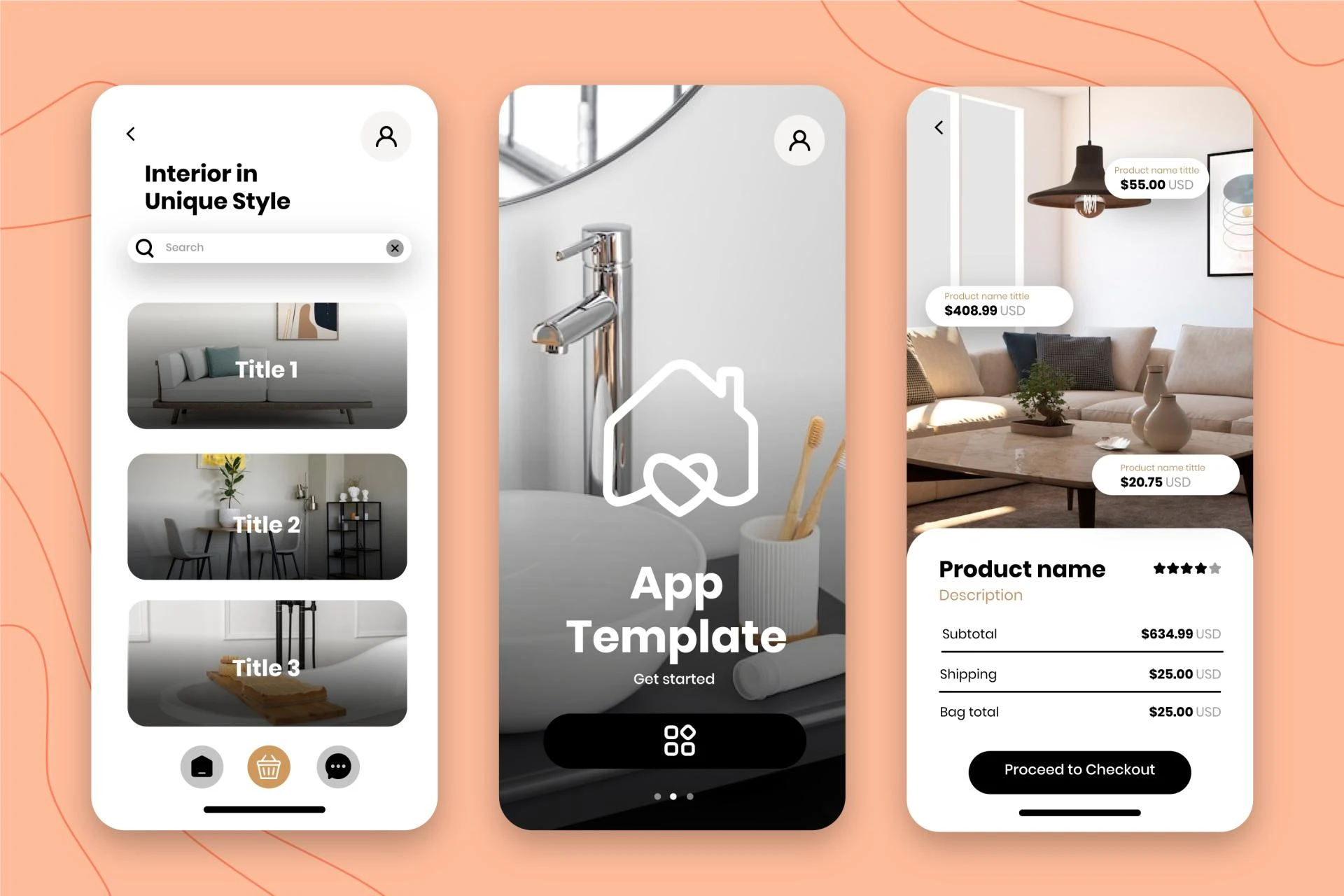
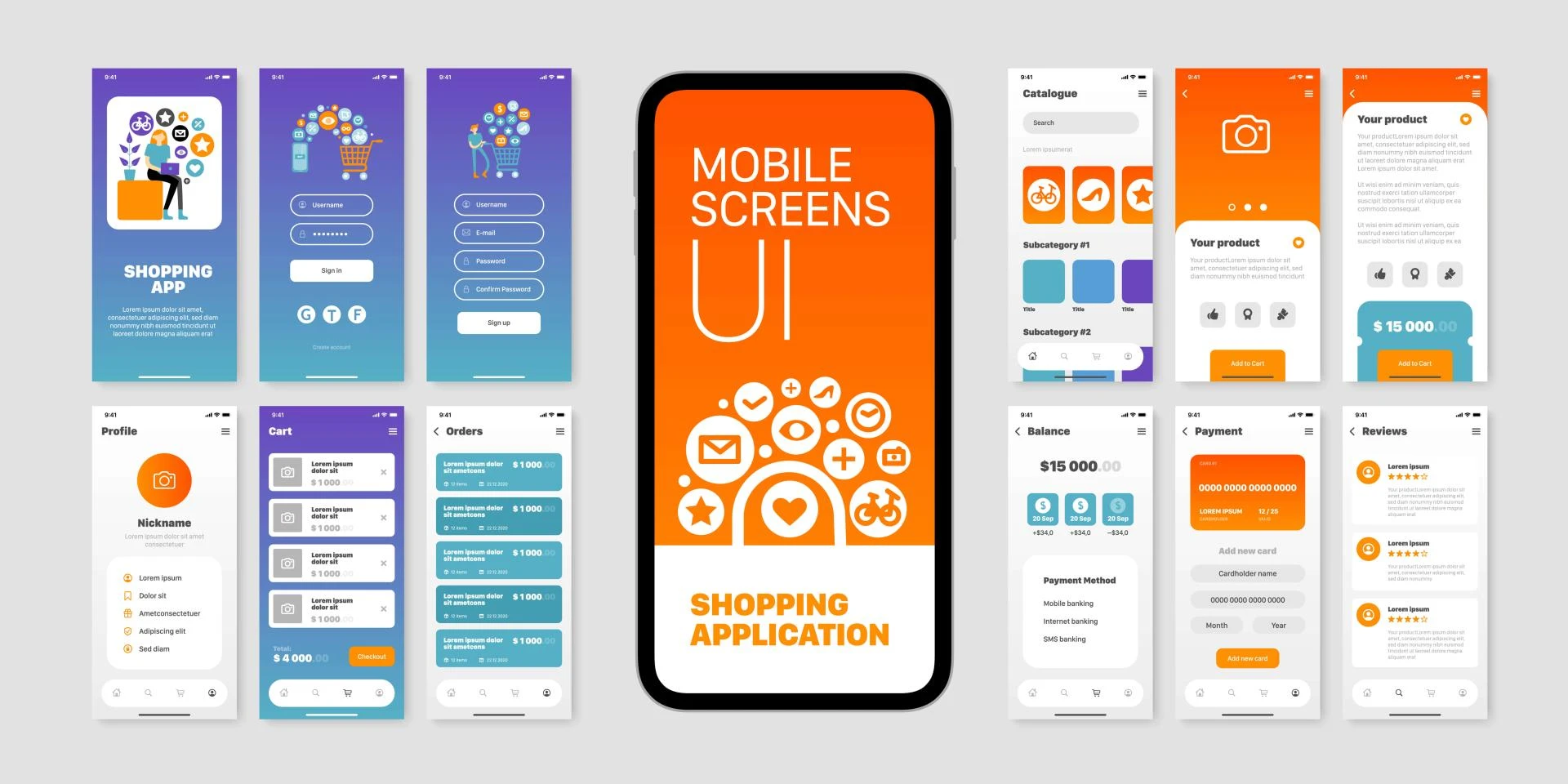
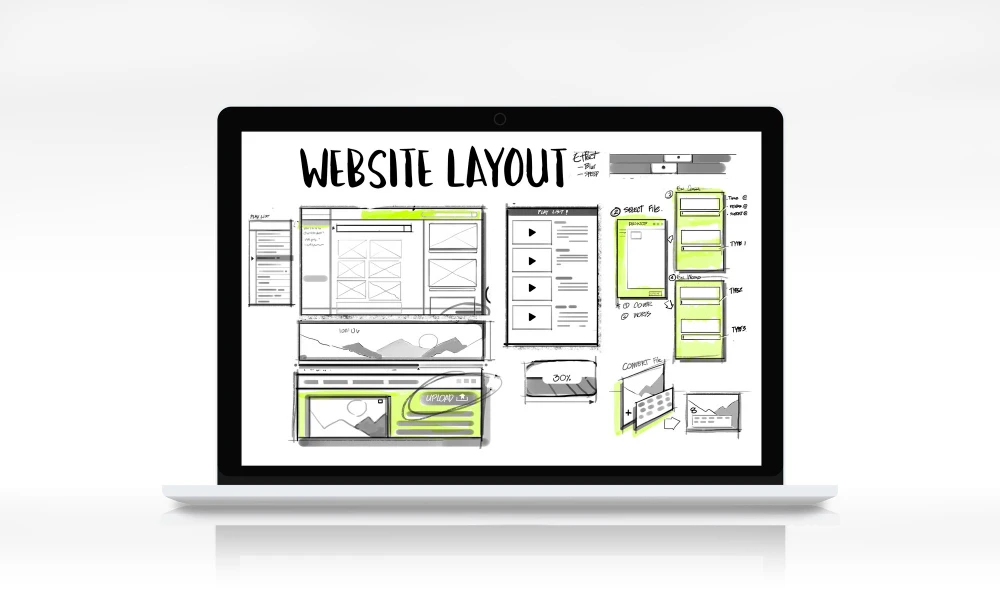
Visit my Upwork profile for - UI/UX design, Web design & Mobile design



















Sign in to leave a comment.