
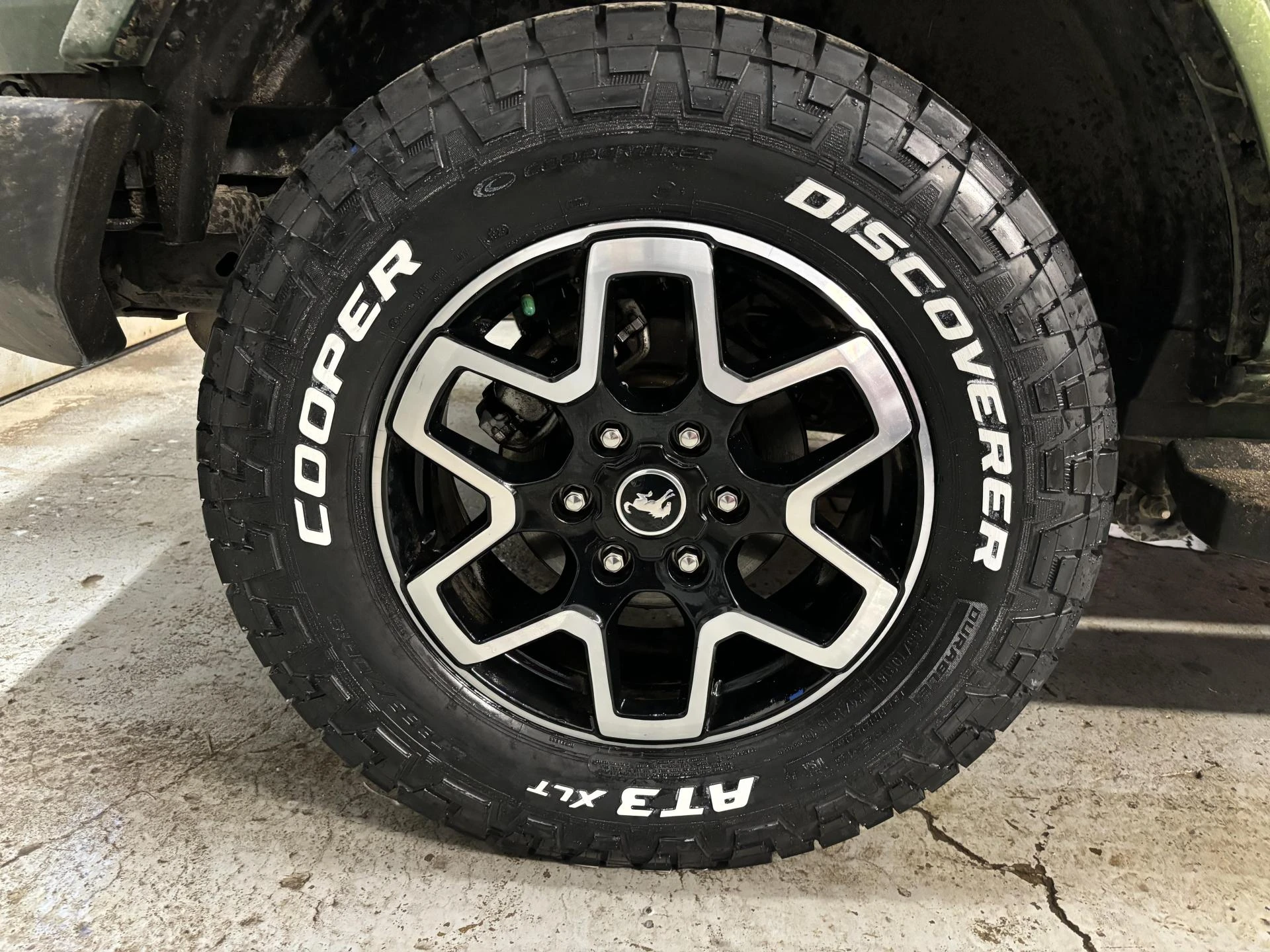
Are you considering bigger tires for your vehicle? Many drivers love the bold look and better performance that larger tires can offer. However, it’s wise to consider both the benefits and drawbacks before making a decision. Bigger tires can improve off-road ability and give your vehicle a tougher appearance, but they can also affect fuel efficiency and handling. Knowing these trade-offs will help you choose what’s best for your car. Let’s take a closer look at what upgrading to bigger tires involves.
The Pros of Bigger Tires
There are several clear benefits to choosing bigger tires for your vehicle.
Improved Off-Road Capability
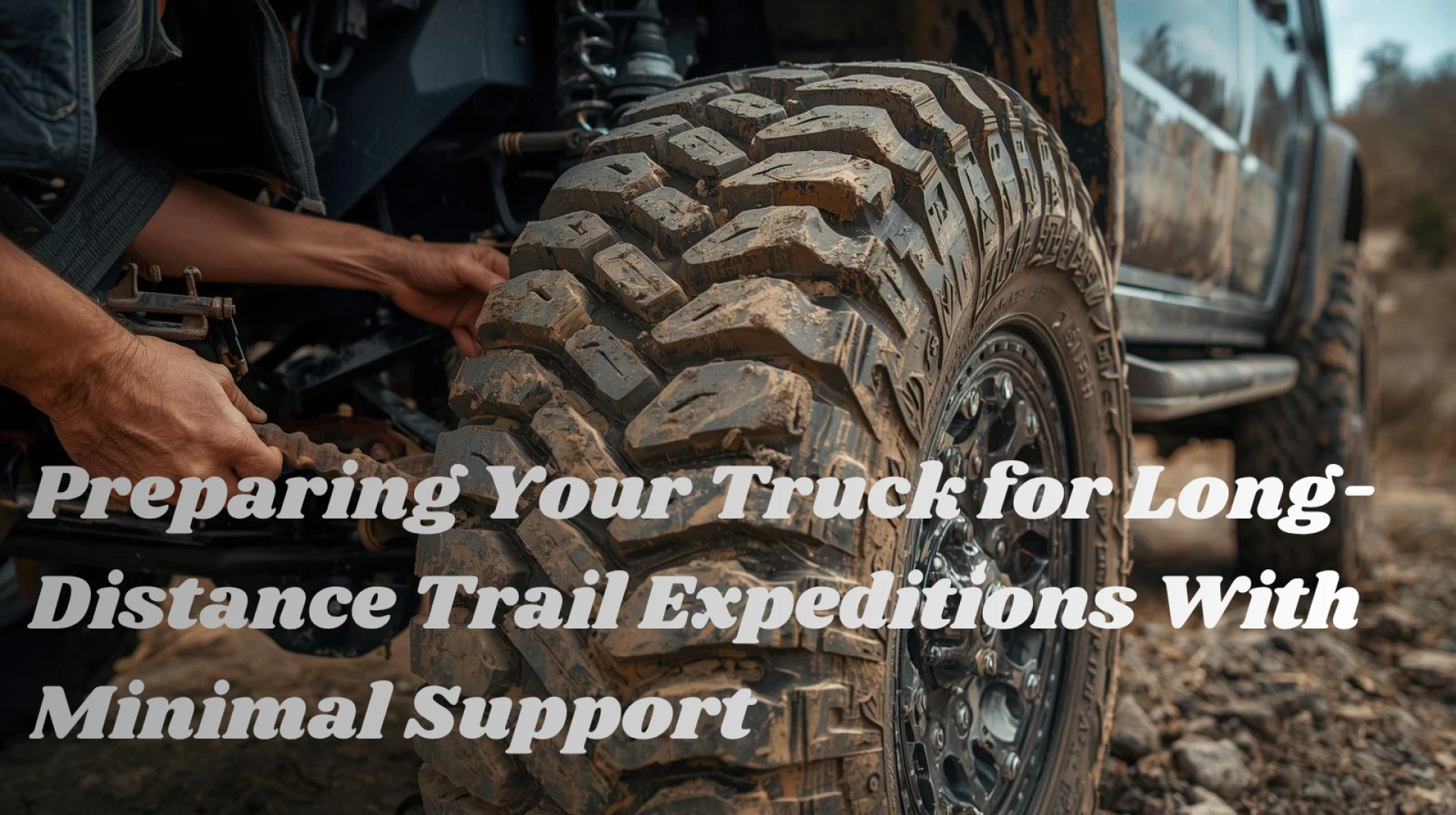
A major benefit of larger tires is better off-road performance. They give your vehicle more traction on tough surfaces like dirt, sand, and rocks, where smaller tires might slip. Mud tires are designed to dig into soft ground and keep you moving forward. This means you can handle steep hills, rough trails, and obstacles with more confidence and control.
Increased Ground Clearance
Bigger tires lift your vehicle higher off the ground, giving you more space between the undercarriage and the road. This extra clearance helps protect important parts from getting scraped or damaged when you drive over rocks or rough ground. If you often go off-road, this added height can really boost your vehicle’s ability and give you more confidence.
More Aggressive Appearance
Larger tires also make your vehicle look much tougher. They give trucks and SUVs a stronger, more rugged appearance. Many people choose bigger tires for this reason alone, since they match the bold, off-road style popular among car enthusiasts.
Better Traction
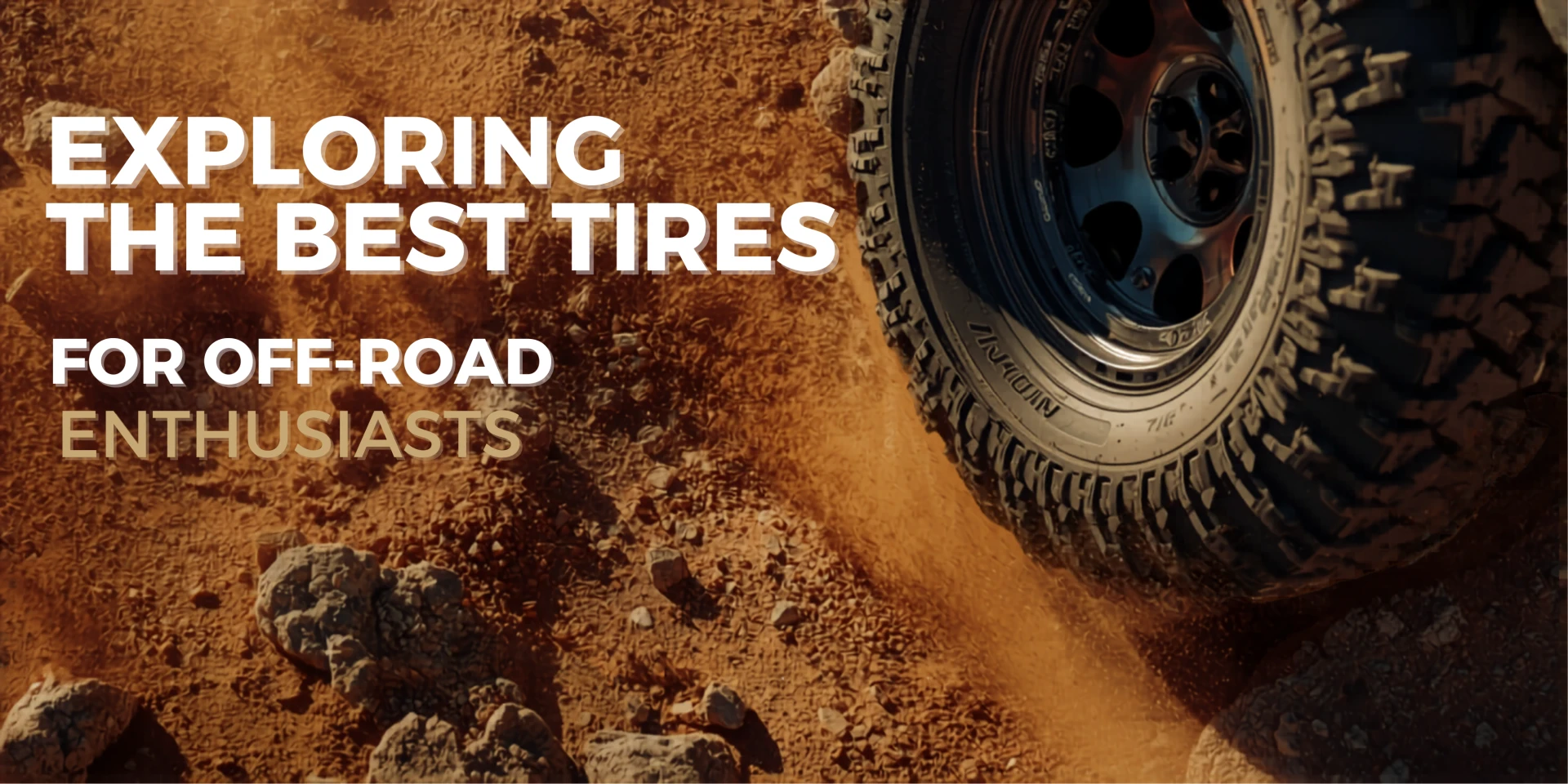
In some situations, larger, wider tires help your vehicle grip the ground better by distributing weight more evenly. For example, hybrid all-terrain tires from Nitto Tires offer good off-road traction while still feeling comfortable on regular roads. Mud tires work well in wet or loose conditions because they push mud and water away, so you keep better traction where regular tires might slip.
The Cons of Bigger Tires
Even though bigger tires look great and can improve off-road performance, they also come with some important downsides that you should think about.
Reduced Fuel Efficiency
Bigger tires usually mean your vehicle will use more fuel. They are heavier, so your engine has to work harder to move them. They also create more drag, especially at higher speeds. This means you’ll probably spend more on gas over time.
Impact on Handling and Ride Quality
Although bigger tires help with off-road driving, they can make daily driving less smooth. Steering can feel slower and less sharp because of the extra weight. If you use tires with aggressive treads, like mud tires, you’ll notice a bumpier ride and more road noise, which can make long trips less comfortable.
Higher Costs
Larger tires can be expensive, especially if you choose top brands like BFGoodrich. You might also need additional parts, such as lift kits, new wheels, or suspension upgrades, to ensure everything fits and functions properly. These extra costs can add up fast.
Speedometer and Gear Ratio Issues
Switching to bigger tires changes how your vehicle measures speed and distance. Because larger tires cover more ground per turn, your speedometer might not read the correct speed. It can also affect how quickly your car accelerates, sometimes making it feel less powerful unless you make other adjustments.
Increased Wear and Tear
Bigger tires put more strain on your vehicle’s parts. The brakes have to work harder, and the transmission and drivetrain handle more stress. Suspension parts can also wear out more quickly due to the extra weight. Over time, this may mean you need more repairs and maintenance.
When Upgrading to Bigger Tires Makes Sense
Upgrading to bigger tires isn’t just about looks—it really pays off when your driving habits actually match what those tires are built for.
If you often drive off-road, upgrading to bigger tires is a smart choice. Whether you’re on dirt, sand, rocks, or mud, these tires give you better grip and more clearance, making tough conditions easier and safer. In these cases, bigger tires are a real advantage.
The same is true for overlanding or trail driving. When you travel long distances on rough terrain, bigger tires help you get over obstacles, avoid getting stuck, and feel more confident far from paved roads.
There’s also the visual appeal. Bigger tires give your truck or SUV a tougher, off-road look. When this style comes with real benefits like better grip and more clearance, it’s not just about looks—it’s a setup that both looks good and works well.
When Bigger Tires Might Not Be Worth It
If you mostly drive in the city or on highways, you probably won’t get much benefit from bigger tires. Instead, you might just deal with the downsides, like lower fuel efficiency, more road noise, and less smooth handling, without using the off-road features.
Cost is another important factor. It’s not just the price of the tires—you might also need extras like lift kits, new wheels, or suspension changes. These can make the upgrade much more expensive than you first thought.
Comfort is also important. If you like a smooth, quiet ride, especially for daily driving, bigger tires can make your car feel rougher and noisier. For many people, this trade-off isn’t worth it.
Real Advantage and Trade-offs
Bigger tires have real benefits, but they also come with trade-offs that every car owner should think about. The right choice depends on how you use your vehicle. If you love off-roading or often drive on rough terrain, bigger tires can make a big difference. But if you mostly drive on regular roads and care about comfort and fuel savings, standard tires might be better. Knowing the pros and cons will help you make the best decision for your needs.

























Sign in to leave a comment.