

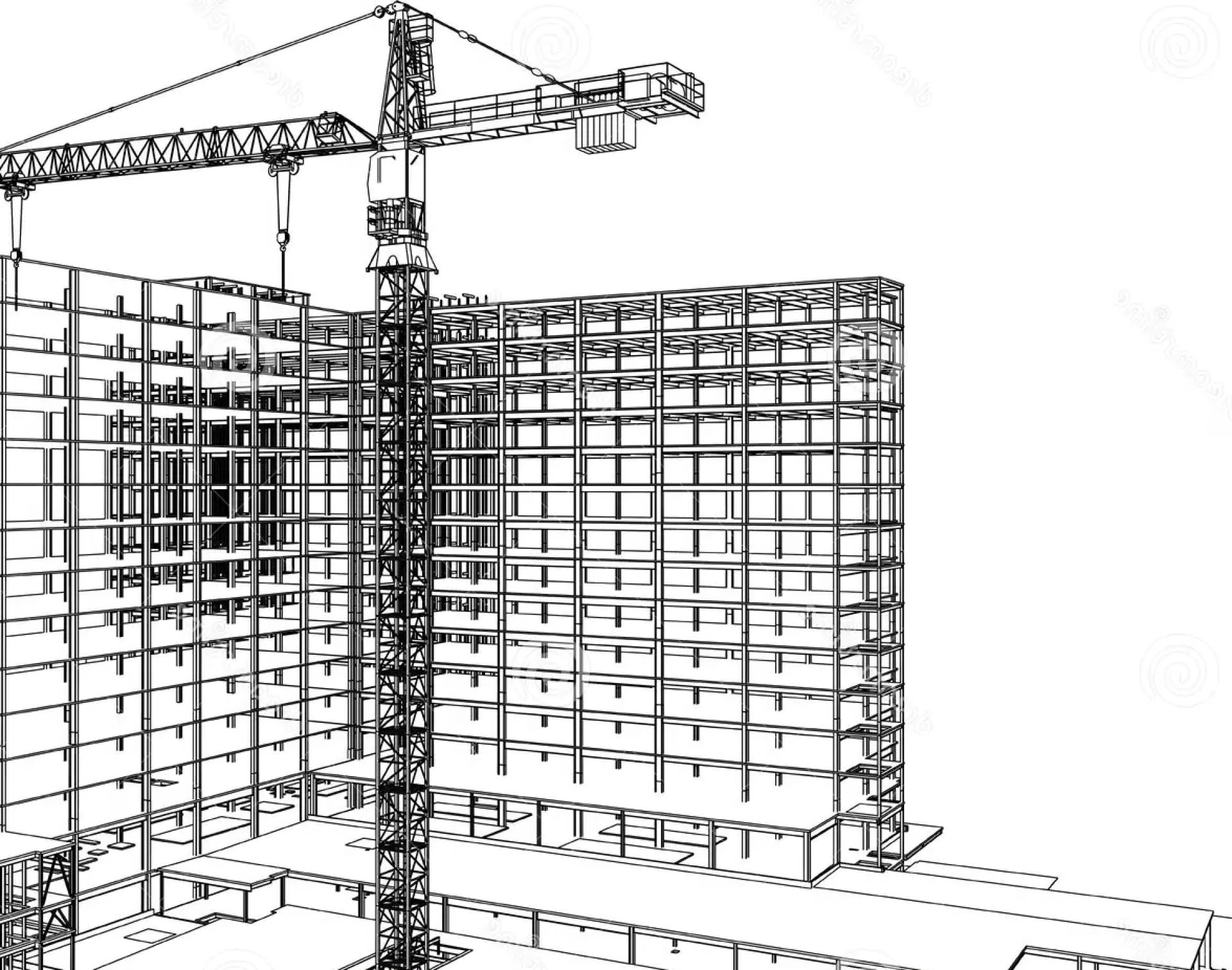
Urban development across New York City depends on far more than visible architecture or striking skylines. Every functional structure relies on coordinated systems that support safety, comfort, efficiency, and durability over time. Heating, ventilation, electrical planning, water systems, structural coordination, and compliance planning work quietly together to keep daily life running smoothly. When these systems align correctly, occupants barely notice them, which often signals success. When they fall short, challenges surface quickly. That reality places building services at the center of how commercial and residential spaces operate and adapt within a demanding urban setting.
Understanding Building Services Beyond the Basics
Building services extend well beyond pipes and wires hidden behind walls. These systems shape how spaces breathe, light up, stay secure, and remain usable year after year. You experience the results every time lighting adjusts naturally, elevators respond smoothly, or indoor temperatures stay consistent. Properly planned building services in NYC must account for density, aging infrastructure, and evolving codes. Each decision influences energy use, occupant comfort, and operational reliability, which makes thoughtful coordination essential.
Commercial Spaces and Operational Efficiency
Office buildings, retail centers, healthcare facilities, and mixed-use developments operate under constant pressure to perform efficiently. Building services support productivity by maintaining reliable utilities and consistent indoor conditions. When systems work together seamlessly, downtime decreases and maintenance becomes predictable. You benefit from work environments that feel dependable rather than disruptive. Flexible service planning also allows commercial spaces to adapt layouts or functions without major interruptions, which matters greatly within a fast-moving city.
Residential Buildings and Daily Comfort
Residential buildings demand a different perspective. Comfort, safety, and livability guide planning decisions more than output metrics. Heating reliability during winter, steady water pressure, sound control, and ventilation quality shape how residents experience their homes. You might not think about service coordination while preparing meals or winding down at night, yet these systems quietly influence daily routines. Effective building services in NYC respond to diverse housing types, from historic walk-ups to modern high-rise residences.
Sustainability and Long-Term Resilience
Sustainability now plays a central role in building planning. Energy efficiency, water conservation, and system longevity guide decisions across residential and commercial projects alike. Thoughtful integration reduces waste while supporting environmental responsibility. You may notice improved indoor air quality or reduced operational strain without realizing the planning behind those outcomes. Hirani Engineering & Land Surveying, D.P.C contributes to this progress by applying technical insight, advanced tools, and a forward-thinking mindset that transforms regulatory challenges into workable solutions.
Adapting to NYC Codes and Infrastructure Challenges
New York City enforces some of the most detailed building regulations in the country. Codes shift frequently to reflect safety priorities, infrastructure realities, and sustainability targets. Service planning must align carefully with inspections, existing utilities, and neighborhood constraints. You gain confidence when systems anticipate compliance rather than react to it. That proactive approach reduces delays and keeps projects progressing steadily.
Technology, Innovation, and Smarter Systems
Technology continues to reshape how building services function. Automated controls, monitoring tools, and integrated systems allow buildings to respond dynamically to real-world conditions. Climate systems adjust to usage patterns, lighting responds to occupancy, and maintenance concerns surface early. These tools support smarter decision-making without overwhelming occupants. When applied thoughtfully, building services in NYC help structures remain adaptable and prepared for future demands.
Collaboration and the Human Element
Technical planning alone does not guarantee successful outcomes. Collaboration among engineers, architects, contractors, and property owners keeps projects grounded and practical. Clear communication prevents costly misunderstandings and aligns expectations early. You benefit when teams share responsibility and maintain open dialogue. A bit of friendly humor during long coordination meetings does not hurt either, because even the most advanced systems depend on people working well together.
Conclusion: Building Services as the Quiet Foundation
Building services rarely draw attention, yet they define how spaces function across New York City. From operational efficiency and resident comfort to sustainability and regulatory alignment, these systems support every layer of urban life. You may not notice them on a good day, and that is exactly the goal. Through innovation, collaboration, and long-term thinking, Hirani Engineering & Land Surveying, D.P.C supports resilient environments that serve communities reliably and responsibly. Strong building services do more than support structures; they support the people who live and work within them.


























Sign in to leave a comment.