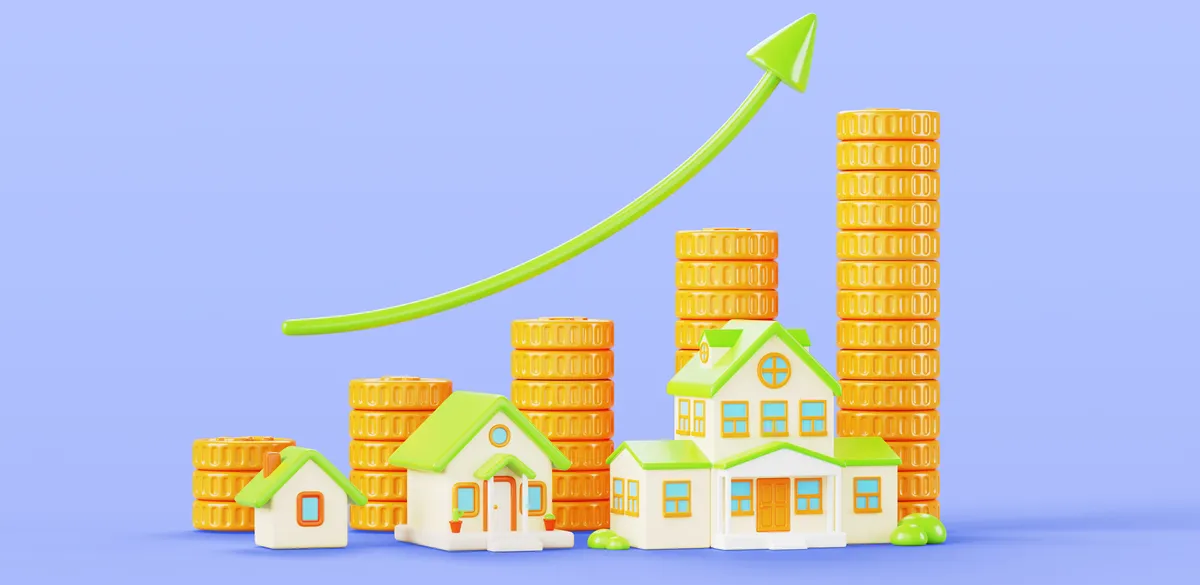

The adoption of smart contracts in real estate is reshaping how property transactions are executed, verified, and enforced. By automating agreements through blockchain technology, smart contracts reduce reliance on intermediaries and introduce a more secure, transparent, and efficient process for modern real estate deals.
What Are Smart Contracts in Real Estate?
Smart contracts are self-executing digital agreements stored on a blockchain. They automatically enforce predefined terms once specific conditions are met. In the context of real estate, these contracts manage key processes such as property transfers, payment releases, and compliance verification without manual intervention.
Unlike traditional contracts, smart contracts operate on decentralized networks, ensuring that no single party has control over the agreement. This eliminates disputes and enhances trust between buyers, sellers, and other stakeholders.
How Smart Contracts Transform Real Estate Transactions
The integration of smart contracts in real estate introduces several practical improvements in how deals are structured and executed:
1. Automation of Processes
- Property ownership transfer occurs automatically once payment conditions are fulfilled
- Escrow services are replaced with programmed fund releases
- Lease agreements can self-enforce payment schedules and penalties
2. Reduced Need for Intermediaries
- Eliminates or minimizes reliance on brokers, lawyers, and escrow agents
- Reduces transaction costs and delays associated with manual verification
- Simplifies cross-border real estate deals
3. Enhanced Transparency
- All transaction data is recorded on a blockchain ledger
- Parties can verify contract terms and transaction history in real time
- Reduces the risk of hidden clauses or document tampering
4. Improved Security
- Cryptographic encryption protects contract data
- Immutable records prevent unauthorized modifications
- Reduces fraud risks in property ownership and payments
Key Use Cases of Smart Contracts in Real Estate
Smart contracts are already being applied across multiple real estate functions:
Property Sales
Smart contracts automate the entire buying process, from agreement signing to ownership transfer. Once payment is confirmed, the contract executes instantly, reducing delays.
Rental Agreements
Lease contracts can automatically enforce rent payments, apply late fees, and even trigger notifications or actions based on tenant behavior.
Property Management
Smart contracts streamline maintenance requests, vendor payments, and service-level agreements between property managers and service providers.
Tokenized Real Estate
Smart contracts play a critical role in the tokenization of real world assets, enabling fractional ownership of properties. Investors can purchase digital tokens representing shares of a property, with ownership rights managed through automated contracts.
Benefits of Smart Contracts in Modern Real Estate Deals
The growing adoption of smart contracts in real estate is driven by tangible advantages:
- Faster Transactions: Eliminates manual approvals and paperwork
- Cost Efficiency: Reduces legal and administrative expenses
- Accuracy: Minimizes human errors in contract execution
- Trustless Environment: Removes dependency on third-party validation
- Global Accessibility: Facilitates international property investments
Challenges and Considerations
Despite the advantages, implementing smart contracts in real estate comes with certain challenges:
- Legal Recognition: Regulatory frameworks for smart contracts vary across jurisdictions
- Technical Complexity: Requires blockchain infrastructure and expertise
- Data Accuracy: Smart contracts rely on accurate input data (oracle problem)
- Adoption Barriers: Traditional stakeholders may resist technological change
Addressing these challenges is essential for broader adoption and long-term sustainability.
Role of Technology Providers
Technology providers play a significant role in enabling smart contract adoption. Companies such as Debut Infotech contribute to developing blockchain-based solutions tailored for real estate use cases, including integration with property systems and compliance frameworks.
Additionally, collaboration with a real estate tokenization company can help businesses leverage smart contracts for fractional ownership models, expanding investment opportunities and liquidity in the property market.
The Future of Smart Contracts in Real Estate
Smart contracts are expected to become a foundational component of digital real estate ecosystems. As regulatory clarity improves and blockchain adoption grows, these contracts will likely integrate with:
- Digital identity verification systems
- Land registry databases
- Financial and mortgage platforms
This evolution will further streamline property transactions and enhance efficiency across the real estate lifecycle.
Key Takeaways
- Smart contracts in real estate automate property transactions and reduce reliance on intermediaries
- They improve transparency, security, and efficiency in modern real estate deals
- Use cases include property sales, rentals, management, and tokenized investments
- Integration with the tokenization of real world assets enables fractional ownership models
- Challenges such as legal frameworks and technical complexity must be addressed for wider adoption
FAQs
Q. What are smart contracts in real estate?
Smart contracts in real estate are blockchain-based agreements that automatically execute property transactions when predefined conditions are met.
Q. How do smart contracts reduce costs in real estate?
They eliminate intermediaries such as brokers and escrow agents, reducing fees and administrative expenses.
Q. Are smart contracts legally valid in real estate transactions?
Legal recognition varies by jurisdiction, but many regions are gradually adapting regulations to support blockchain-based agreements.
Q. How do smart contracts improve security in property deals?
They use encryption and immutable blockchain records to prevent fraud, data manipulation, and unauthorized access.
Q. Can smart contracts support real estate tokenization?
Yes, smart contracts are essential for managing ownership, transactions, and compliance in tokenized real estate assets.

























Sign in to leave a comment.