
When it comes to upgrading a deck, balcony, or staircase, choosing the right structural elements can dramatically alter the entire atmosphere of your property, making modern wire balustrade systems a premier choice for architects, builders, and homeowners alike. Unlike traditional timber or bulky glass setups, a wire balustrade offers an unparalleled combination of minimalist aesthetics, structural integrity, and long-term cost-efficiency, allowing you to secure elevated platforms without sacrificing your view or natural airflow. By utilizing high-tensile stainless steel cables tensioned between sturdy posts, these systems create a sleek, unobtrusive barrier that blends seamlessly into both contemporary urban homes and rugged coastal retreats. Whether you are undertaking a massive commercial renovation or a weekend DIY deck upgrade, understanding the specific components, environmental considerations, and architectural benefits of these systems is crucial. By integrating premium materials and precision-engineered fixtures from trusted industry leaders like Miami Stainless, you can create a safety barrier that not only meets stringent building codes but also acts as a sophisticated design feature that actively increases the architectural value and visual footprint of your property.
Why Choose Wire Balustrade Systems for Your Deck or Balcony?
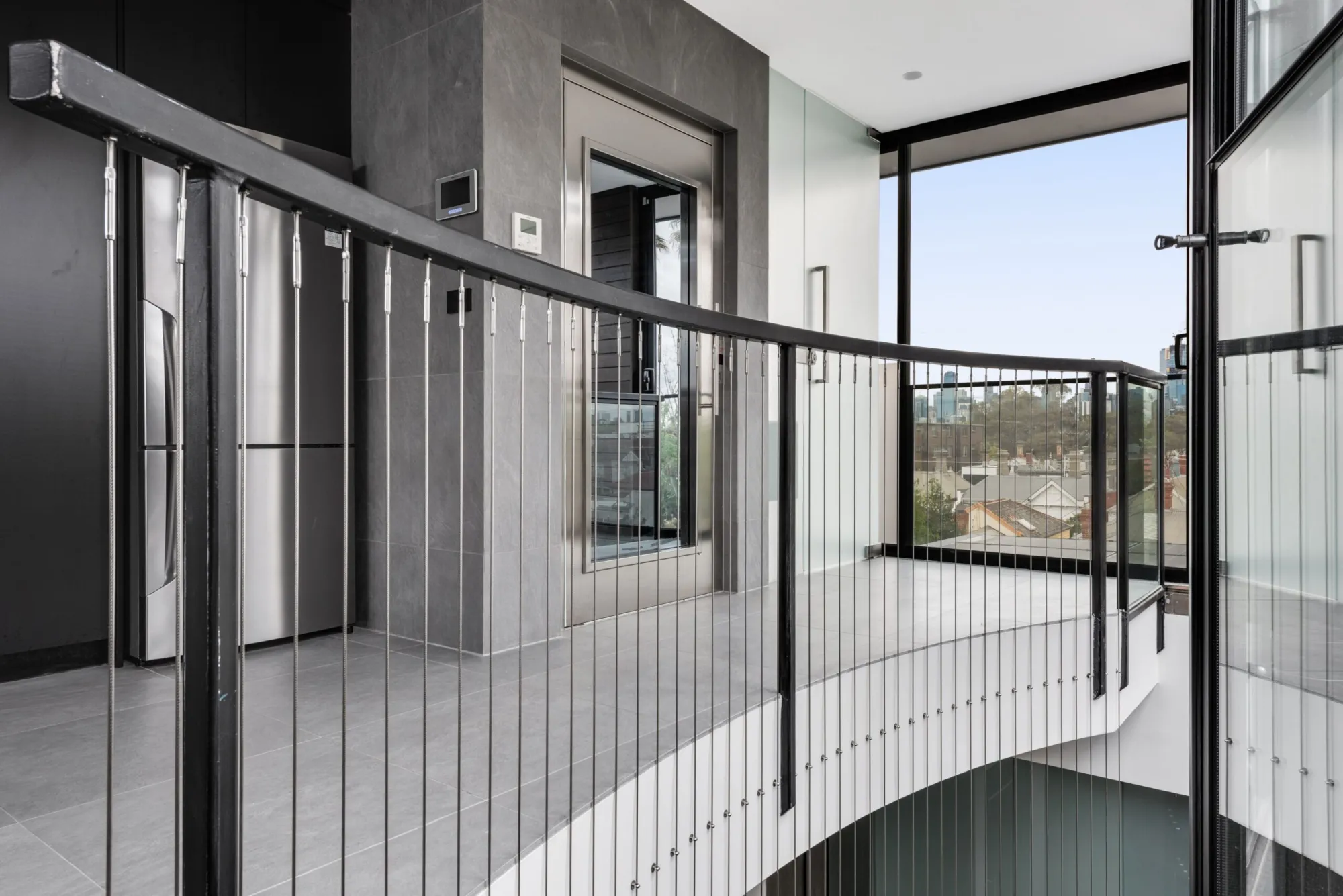
The primary architectural advantage of installing wire balustrade systems lies in their ability to deliver robust safety while maintaining an illusion of open space, effectively blurring the boundary between your indoor living areas and the outdoor environment. Traditional balustrades, utilizing thick wooden spindles or heavy aluminum panels, often create visual blockades that make outdoor entertainment areas feel cramped and disconnected from the surrounding landscape, whereas wire systems utilize slender cables that practically disappear when viewed from a distance. This "invisible" barrier is highly sought after for properties overlooking oceans, mountains, or meticulously landscaped gardens, ensuring that the scenery remains the focal point rather than the fencing. Furthermore, unlike glass panels that require constant cleaning to remove fingerprints, water spots, and bird droppings, wire configurations demand significantly less day-to-day maintenance while still allowing cooling breezes to flow freely through your deck during hot summer months. By prioritizing spatial continuity and natural ventilation, a well-designed wire balustrade maximizes the utility and enjoyment of your outdoor living spaces, providing a highly functional architectural feature that stands the test of time.
The Unmatched Durability of Marine-Grade Stainless Steel
When investing in a balustrade, material longevity is just as important as visual appeal, which is why premium wire balustrade systems are exclusively engineered from high-grade stainless steel, specifically Marine Grade 316. This specific alloy contains the addition of molybdenum, which drastically increases the metal’s resistance to pitting and crevice corrosion, particularly in harsh, chloride-rich environments like Australian coastal properties where salt spray can rapidly degrade inferior materials. While cheaper Grade 304 stainless steel might suffice for controlled indoor applications, outdoor environments expose the balustrade to UV radiation, heavy rainfall, fluctuating temperatures, and airborne pollutants that require the robust structural resilience of Grade 316. Miami Stainless ensures that all wire rope, tensioners, and fittings are manufactured to these exacting metallurgical standards, guaranteeing that your safety barrier retains its pristine, reflective finish and structural tensile strength for decades. This extraordinary durability means that over the lifespan of your property, a stainless steel wire system offers a substantially lower total cost of ownership compared to timber, which rots and requires repainting, or powder-coated metals that can chip, fade, and rust over time.
Key Components of a Strong and Safe Balustrade Architecture
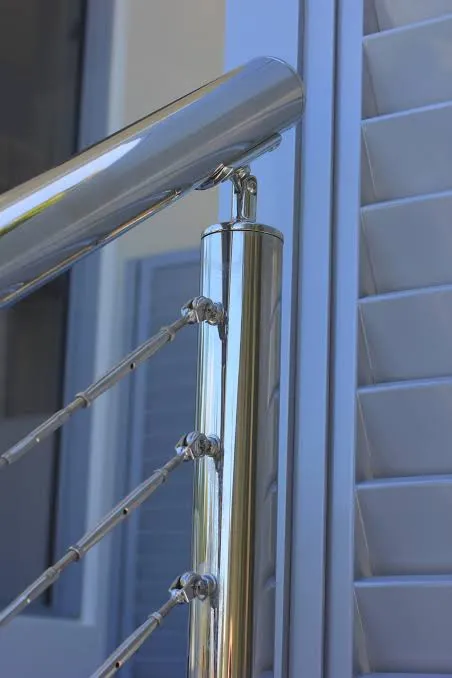
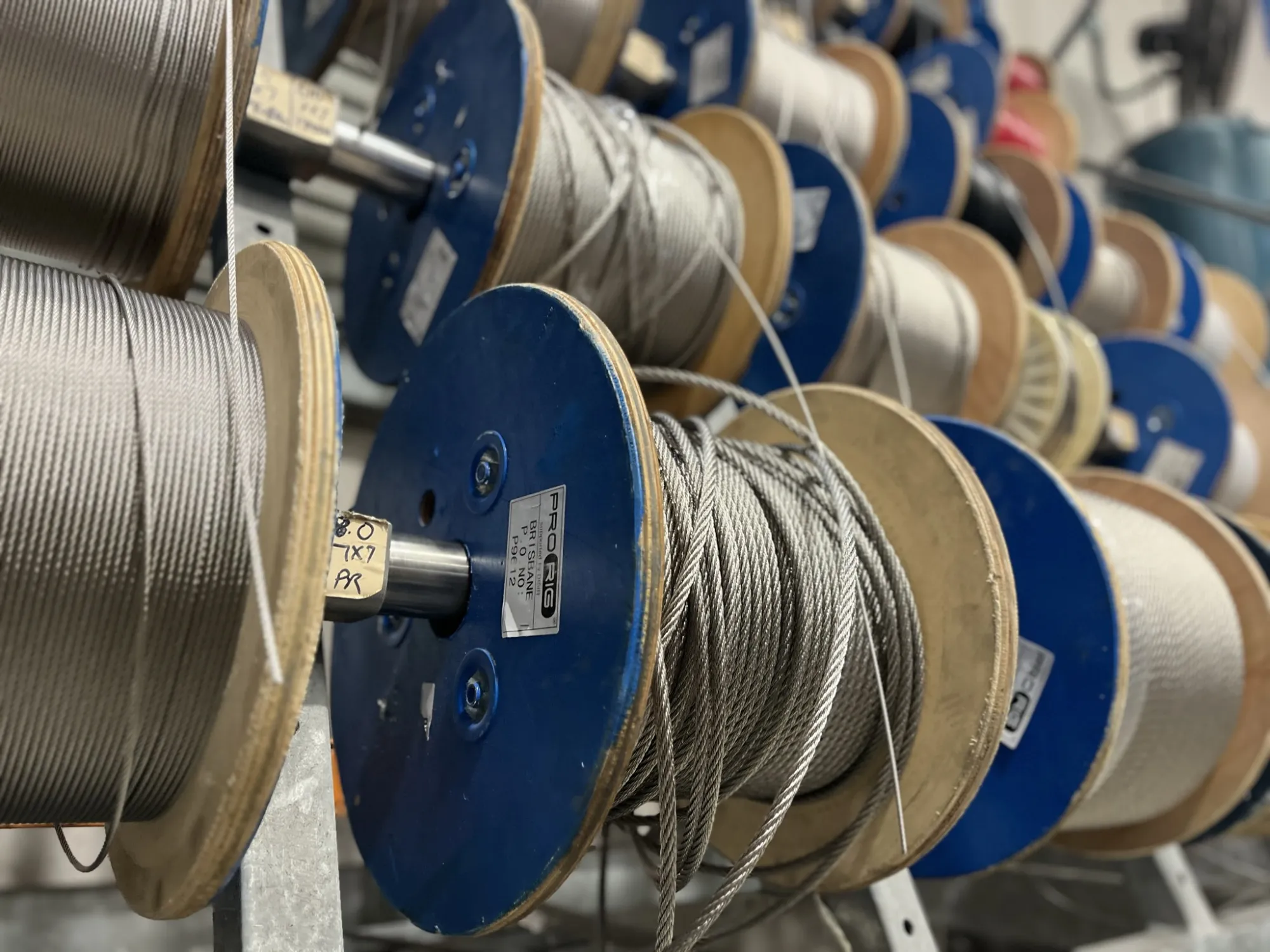
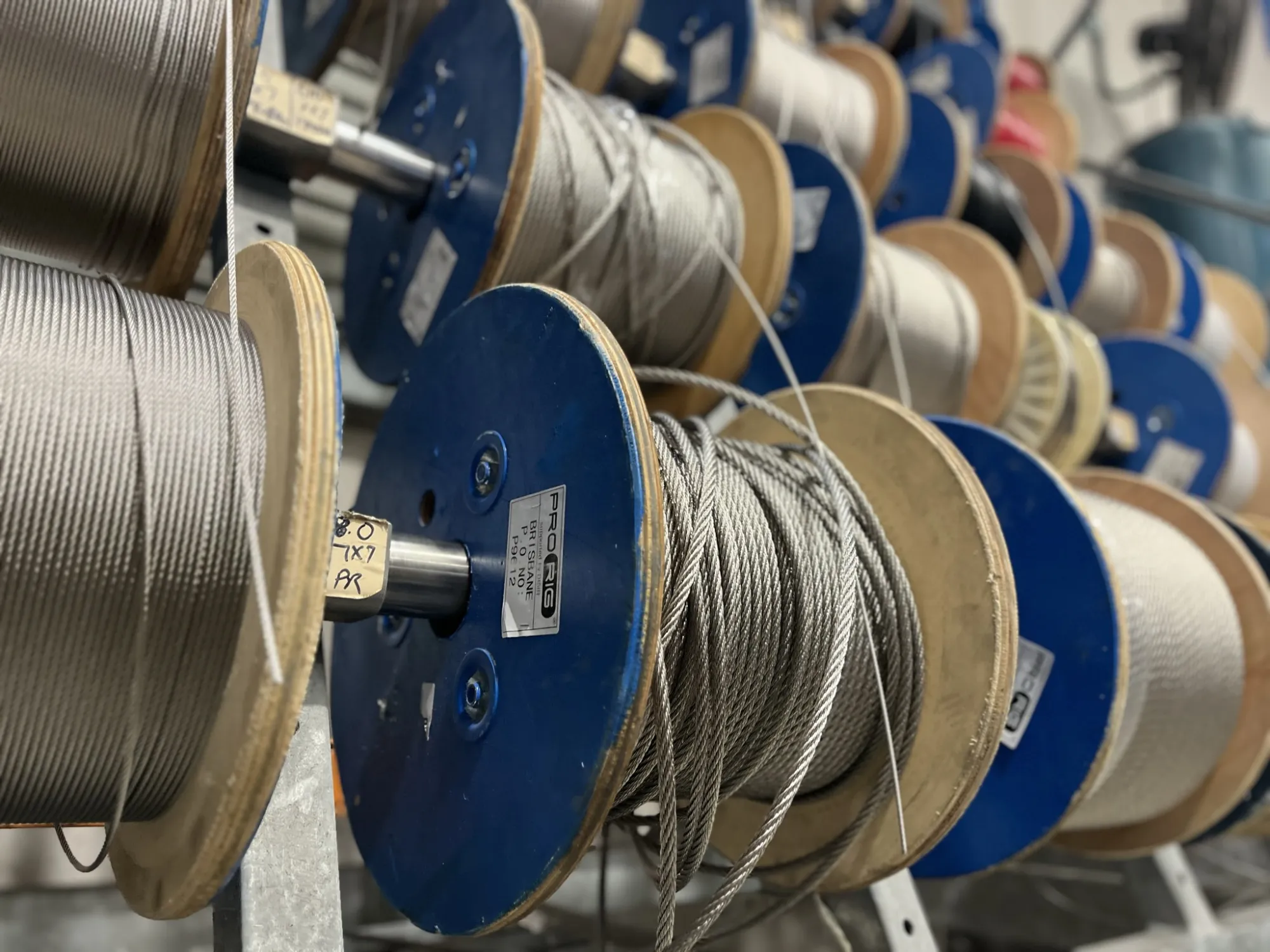
Designing and installing a compliant and aesthetically pleasing wire balustrade requires a deep understanding of its interconnected hardware ecosystem, as the safety of the entire structure relies on the harmonious tension and strength of several specialized architectural rigging components. The foundation of the system begins with the anchoring posts—often made from stainless steel, timber, or aluminum—which must be rigidly secured to the substrate to withstand the immense lateral forces generated when the cables are fully tensioned. Between these posts runs the stainless steel wire rope, typically in a 1x19 configuration for maximum rigidity or a 7x7 configuration for slight flexibility, requiring specialized end fittings to anchor and tighten the lines. To achieve the perfect tautness required by building codes, tensioners and turnbuckles are deployed, allowing installers to micro-adjust the tension of each individual strand to prevent sagging. To help you visualize the necessary inventory for a successful installation, here are the vital components required:
- Stainless Steel Wire Rope: The core barrier material, usually 3.2mm in thickness, engineered for high breaking loads and minimal stretch under tension.
- Tensioners and Turnbuckles: Precision-threaded hardware used to pull the wire tight and maintain optimal cable rigidity across long spans.
- Swage and Swageless Fittings: The anchoring terminals attached to the ends of the wire, available in hydraulically pressed (swage) or mechanically locked (swageless) variations.
- Saddles and Eye Straps: Mounting points secured to the structural posts that provide a secure loop for the tensioning hardware to connect into.
- Grommets and Post Insulators: Protective inserts placed inside intermediate drilled posts to prevent the wire from chafing against the hole edges, reducing wear and preventing galvanic corrosion.
Navigating Australian Building Standards and Compliance
Ensuring that your new balustrade complies with the National Construction Code (NCC) and relevant Australian Standards (AS 1288 & AS 1170) is an absolute, non-negotiable priority, as these regulations are specifically designed to prevent catastrophic falls and ensure structural integrity under extreme loads. For decks and balconies positioned higher than one meter above the ground below, building authorities mandate strict rules regarding the maximum allowable deflection (sag) in the wire when pressure is applied, as well as the exact spacing required between each horizontal cable. Generally, the horizontal wires must not be spaced more than 80mm apart, and the intermediate supporting posts cannot be spaced further than 1200mm to 1500mm apart, depending on the thickness and tension of the wire rope utilized. The wire must be tensioned to a specific metric to prevent a 125mm sphere from being able to pass through the gaps under force, simulating the safety requirements necessary to protect young children from slipping through the barrier. Partnering with a specialized supplier like Miami Stainless ensures that you are sourcing hardware specifically rated for these regulatory loads, and utilizing their expert technical resources can help you map out your post spacing and tensioning requirements to guarantee your project easily passes local council inspections.
The Versatility of DIY Installation vs. Professional Fitting
One of the most revolutionary aspects of modern wire balustrade systems is their accessibility to both seasoned architectural professionals and enthusiastic weekend DIY renovators, thanks to the evolution of user-friendly, factory-engineered hardware. Historically, installing a wire system required bulky, expensive hydraulic swaging presses to permanently crimp the fittings onto the wire ends—a process strictly reserved for specialized rigging contractors. However, the introduction of innovative swageless fittings and pre-swaged wire kits (where the wire is cut and pressed to your exact deck measurements in the factory) has completely democratized the installation process, allowing anyone with basic hand tools and a drill to assemble a professional-grade safety barrier. For those tackling complex architectural builds, commercial spaces, or curved staircases, hiring a professional installer ensures that structural anchor points are maximized and complex tensioning arrays are perfectly calibrated. Whether you choose to leverage the comprehensive DIY guides and pre-swaged kits from Miami Stainless to save on labor costs, or hand the hardware over to a licensed builder, the end result is a highly engineered, flawless safety barrier that elevates the craftsmanship of the property.
Maintaining the Pristine Finish of Your Stainless Steel
While Marine Grade 316 stainless steel is highly revered for its supreme resistance to rust and degradation, it is important to recognize that "stainless" does not mean "stain-free," and a minimal but consistent maintenance routine is required to keep your balustrade looking immaculate. The most common aesthetic issue faced by stainless steel hardware in coastal regions is "tea staining"—a superficial, cosmetic brown discoloration caused by salt and environmental contaminants settling on the surface of the metal. Fortunately, tea staining does not affect the structural integrity of the wire or fittings, and it can be easily prevented by implementing a basic cleaning schedule that washes away corrosive airborne particles before they have a chance to bond with the steel's microscopic surface layer. Furthermore, applying protective metallic polishes or specialized lanolin-based lubricants can create a microscopic barrier against the elements, significantly prolonging the intervals required between cleanings. To ensure your wire balustrade remains a stunning, reflective architectural feature for years to come, adhere to these simple, highly effective maintenance protocols:
- Routine Washing: Wash the wire and fittings every 3 to 6 months (or monthly in harsh coastal zones) using warm water and a mild, pH-neutral detergent to dissolve airborne salt and urban grime.
- Avoid Abrasives: Never use steel wool, abrasive scouring pads, or harsh bleach-based chemicals, as these will scratch the protective chromium oxide layer and invite severe corrosion.
- Apply Protective Coatings: Periodically apply a specialized stainless steel surface protectant, such as an innox or lanolin-based spray, to repel water and airborne contaminants.
- Inspect Tension Levels: Annually check the turnbuckles and tensioners to ensure the cables haven't loosened due to structural settling or thermal expansion, re-tensioning them slightly if necessary.
- Spot Treat Discoloration Early: If minor tea staining does appear, promptly remove it using a dedicated phosphoric acid-based stainless steel restorer before it has the opportunity to spread.
Transform Your Outdoor Living Space Today
Upgrading to a wire balustrade system is more than just a structural requirement; it is a strategic architectural decision that maximizes your property's views, improves natural ventilation, and delivers decades of uncompromising, maintenance-friendly durability. By insisting on premium Marine Grade 316 stainless steel hardware, you safeguard your investment against the harshest elements while achieving a sleek, minimalist aesthetic that complements any modern home design. Don't compromise on the safety or visual appeal of your deck or balcony with inferior, outdated materials. Visit Miami Stainless today to explore our extensive range of premium wire balustrade hardware, custom pre-swaged kits, and expert DIY resources to bring your ultimate deck vision to life.
Frequently Asked Questions
1. What is the maximum distance allowed between posts in a wire balustrade?
To comply with the National Construction Code (NCC) in Australia and ensure the wires do not spread apart under pressure, the maximum distance between intermediate posts is typically 1200mm to 1500mm. If your structural anchoring posts are further apart, you must use intermediate dropper posts or stiffeners to maintain the required cable rigidity and prevent dangerous wire deflection.
2. Can I install a wire balustrade if I live near the beach?
Yes, absolutely, provided you use the correct materials. For any coastal property or area subject to high salt spray, you must exclusively use Marine Grade 316 stainless steel components. Grade 304 is insufficient for coastal environments and will rapidly succumb to heavy tea staining and corrosion. Regular rinsing with fresh water is also recommended to wash away salt build-up.
3. Is it cheaper to do a DIY wire balustrade installation or hire a professional?
Executing a DIY installation using pre-swaged wire kits or swageless mechanical fittings is significantly cheaper as it completely eliminates expensive professional labor costs. Miami Stainless provides comprehensive tutorials and factory-pressed kits tailored to your exact measurements, making the DIY route highly accessible and cost-effective for anyone comfortable using basic tools like a drill and an Allen key.
4. How tight should the stainless steel wires be tensioned?
The wires must be tensioned tightly enough so that a 125mm solid sphere cannot be pushed through the horizontal gaps when a specific force is applied (usually around 2kg of pressure). Proper tensioning ensures children cannot slip through the barrier. It is highly recommended to use a specialized tension gauge during installation to accurately measure the cable tension and guarantee NCC compliance.
5. What is the difference between 1x19 and 7x7 wire rope?
The numbers refer to the strand construction of the cable. A 1x19 wire rope consists of a single bundle of 19 individual strands, making it highly rigid, less prone to stretching, and the preferred choice for straight balustrade runs. A 7x7 wire rope consists of 7 bundles of 7 strands, making it slightly more flexible and better suited for applications where the wire needs to bend slightly or navigate gentle curves, though it may require slightly more tensioning over time.





























Sign in to leave a comment.