
In today’s industrial world, safety and quality control are more important than ever. Non-Destructive Testing (NDT) helps make sure materials and structures stay strong without causing any damage. For professionals who want to excel in NDT, taking an NDT training 40 hour course gives you a solid foundation and key skills. These courses also offer hands-on experience, which is vital for real-life inspections.
Let’s look at the top five benefits of enrolling in an NDT training 40 hour course and how it can boost your career while supporting industry standards.
1. Strong Technical Knowledge Base
An NDT training 40 hour course teaches you the basics of non-destructive testing. You will learn about:
● Different testing methods like eddy current, ultrasonic, magnetic particle, and dye penetrant testing.
● Important industry standards and codes that guide inspection work.
● How to identify defects, read signals, and evaluate test results.
This solid knowledge helps you understand how testing works. In addition, these courses mix theory with practical training, so you learn by doing.
2. Better Career Opportunities and Certification
Getting certified is crucial in the NDT field. After finishing an NDT training 40 hour course, you can qualify for Level I or Level II certification exams in many testing methods. Certified inspectors benefit from:
● More job options in industries like aerospace, oil and gas, power generation, and manufacturing.
● Higher salaries thanks to proven skills.
● Recognition as skilled professionals who meet industry rules like ASME and ISO standards.
Plus, NDT training classes prepare you for exams with focused study and practice, so you feel ready and confident.
3. Hands-On Practice with Advanced Tools
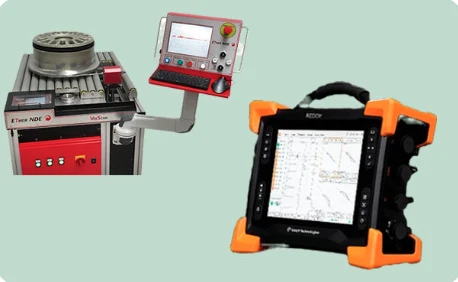
NDT uses advanced tools and technology. The NDT training 40 hour course includes hands-on time with important equipment such as:
● Eddy current testing machines
● Ultrasonic flaw detectors
● Magnetic particle inspection kits
● Radiographic testing devices
Using these tools yourself builds technical skills. You also learn how to calibrate, maintain, and troubleshoot equipment — all essential for accurate inspections.
Getting comfortable with this gear helps you work better under pressure, especially during tight deadlines or audits.
4. Increased Safety and Quality in Industry
One of the biggest goals of NDT is to keep workplaces safe and avoid serious failures. By completing an NDT training 40 hour course, you will learn to:
● Spot early signs of corrosion, cracks, and wear.
● Check welds and structures for hidden problems.
● Understand inspection data to help with maintenance planning.
This knowledge improves safety and cuts down costly downtime. In addition, NDT training classes encourage a strong focus on quality that protects workers and equipment.
Even small improvements in detection make a big difference in reliability. Trained inspectors are valuable members of any industrial team.
5. Networking and Career Growth
Taking an NDT training 40 hour course also gives you great chances to network. You’ll meet professionals from many industries and can:
● Share knowledge and best practices.
● Learn about new NDT tools and trends.
● Build relationships that may help your career and lead to teamwork.
Also, staying involved in NDT training classes helps you keep your certification up to date and skills sharp as standards change.
Networking often leads to mentorship, partnerships, and insider job opportunities.
Additional Benefits of NDT Training 40 Hour Courses
In addition to the top five benefits, enrolling in an NDT training 40 hour course can also improve your problem-solving skills. You learn to think critically when interpreting test results and making inspection decisions. This ability is highly valued in fast-paced industrial environments where quick, accurate judgments are needed.
Another key advantage is increased confidence. Hands-on practice combined with expert instruction helps you feel more prepared for real-world challenges. This confidence can reduce mistakes and improve overall job performance.
Furthermore, many employers recognize and prefer candidates who have completed formal NDT training. This preference can give you a competitive edge when applying for new roles or promotions.
Lastly, the training helps foster a culture of safety and quality within your organization. Skilled inspectors contribute to safer workplaces and more reliable products, which benefits everyone—from workers to customers.
Final Thoughts
Enrolling in an NDT training 40 hour course gives you vital skills, certification prep, and practical experience. These benefits improve your job prospects and help maintain high safety and quality standards across industries.
Whether you’re just starting in non-destructive testing or want to upgrade your skills, these courses are a smart investment in your future.













Sign in to leave a comment.