
In today's digital landscape, creating a stellar user interface (UI) and user experience (UX) is crucial for the success of any web or mobile application. Whether you're a seasoned designer or just starting out, these UI/UX design hacks will help you elevate your app's experience and keep users coming back for more.
1. Embrace Simplicity
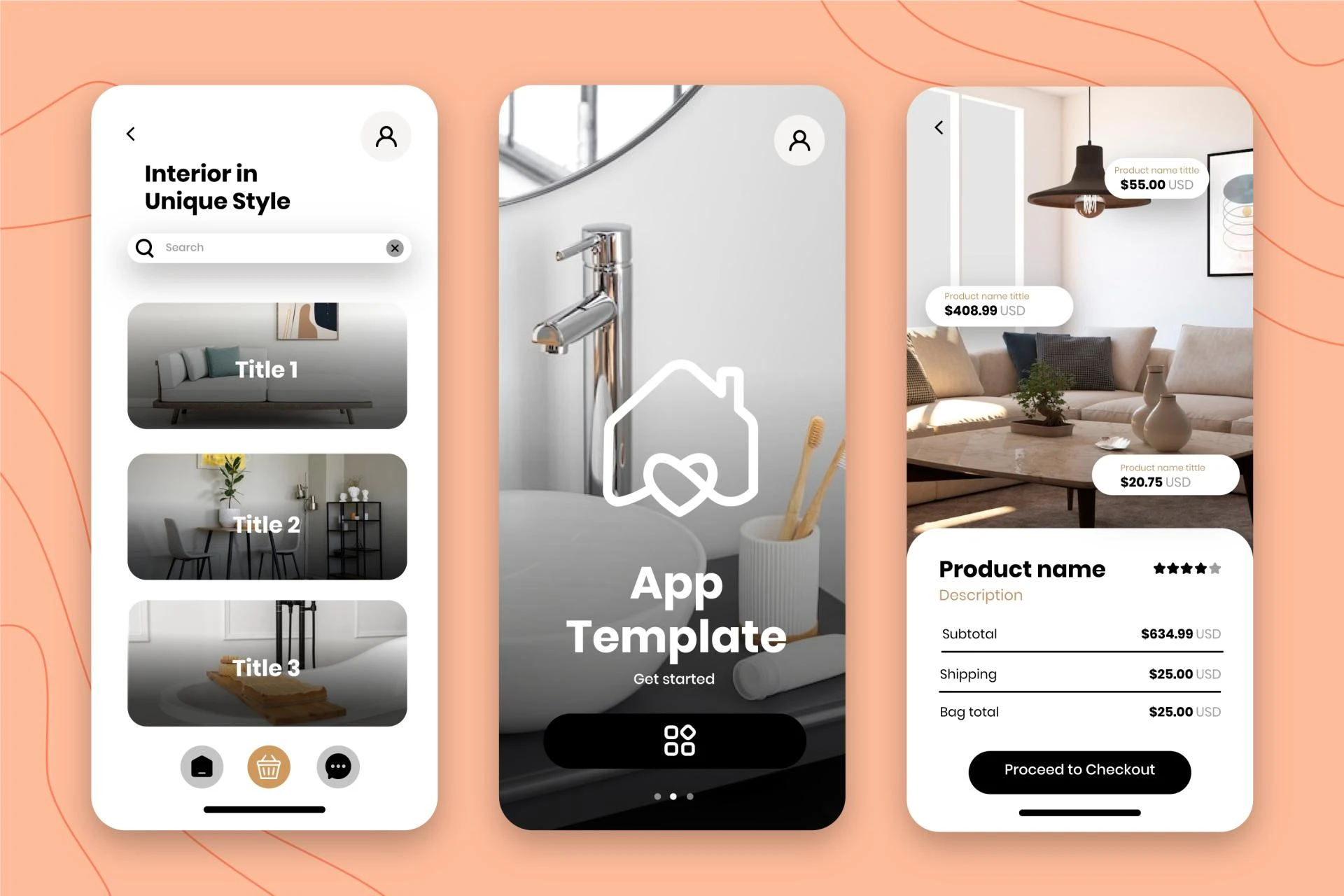
The first rule of thumb in UI/UX design is to keep things simple. A cluttered interface can overwhelm users and lead to confusion. Adopt a minimalist approach by:
- Using ample white space to create a clean, uncluttered look
- Limiting your color palette to 2-3 primary colors
- Focusing on essential features and removing unnecessary elements
- Implementing a clear visual hierarchy to guide users' attention
Remember, simplicity doesn't mean boring. It means creating an intuitive interface that users can navigate effortlessly.
2. Prioritize Consistency
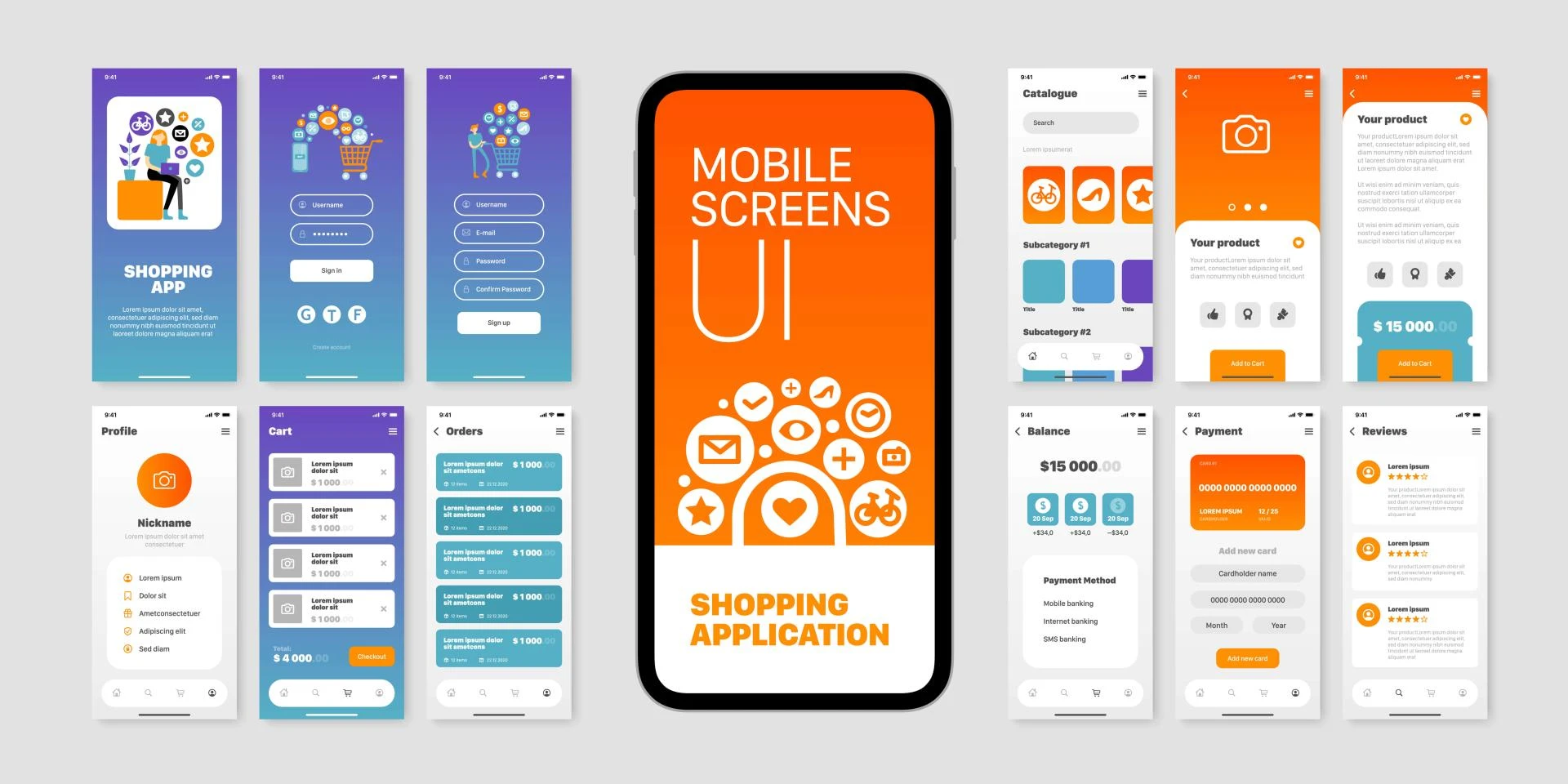
Consistency is key in creating a seamless user experience. Ensure that your design elements, such as colors, fonts, button styles, and icons, remain consistent throughout the app. This helps users familiarize themselves with your interface quickly and reduces cognitive load.
Create a design system or style guide to maintain consistency across different pages or screens. This will not only improve the user experience but also streamline your design process.
3. Optimize for Mobile First
With mobile usage surpassing desktop, it's crucial to design with a mobile-first approach. This means:
- Prioritizing content and features for smaller screens
- Using touch-friendly elements (e.g., larger buttons and adequate spacing)
- Implementing responsive design to ensure your app looks great on all devices
- Considering thumb-friendly zones for important actions
By focusing on mobile design first, you'll create a more streamlined experience that can be easily adapted for larger screens.
4. Use Microinteractions to Delight Users
Microinteractions are small, subtle animations or feedback mechanisms that can significantly enhance the user experience. Examples include:
- Button hover effects
- Loading animations
- Pull-to-refresh gestures
- Form field validation feedback
These small details may seem insignificant, but they can make your app feel more responsive and engaging.
5. Implement Effective Navigation
Navigation is the backbone of your app's usability. Make it intuitive and easy to use by:
- Using clear, descriptive labels for menu items
- Implementing a search function for quick access to content
- Providing breadcrumbs or back buttons for easy backtracking
- Using sticky navigation for long-scrolling pages
Consider implementing a hamburger menu for mobile apps to save space while keeping navigation accessible.
6. Optimize Page Load Times
Users have little patience for slow-loading apps. Optimize your app's performance by:
- Compressing images and using appropriate file formats
- Minimizing HTTP requests
- Leveraging browser caching
- Using lazy loading for images and content below the fold
A faster app not only improves user experience but also boosts your search engine rankings.
7. Use Color Psychology to Your Advantage
Colors can evoke emotions and influence user behavior. Use color psychology to:
- Create visual hierarchy and guide users' attention
- Convey your brand personality
- Highlight important elements or calls-to-action
- Improve readability and contrast
Remember to consider accessibility when choosing colors, ensuring sufficient contrast for users with visual impairments.
8. Implement Intuitive Forms
Forms are often a necessary evil in web and mobile apps. Make them user-friendly by:
- Breaking long forms into manageable steps
- Using inline validation to provide real-time feedback
- Implementing autofill and smart defaults where possible
- Clearly labeling form fields and using placeholder text judiciously
A well-designed form can significantly reduce user frustration and improve conversion rates.
9. Personalize the User Experience
Personalization can make users feel valued and improve engagement. Consider:
- Tailoring content based on user preferences or behavior
- Implementing a "recently viewed" section
- Offering personalized recommendations
- Using the user's name in greetings or notifications
Be mindful of privacy concerns and always give users control over their data and personalization settings.
10. Utilize White Space Effectively
White space, or negative space, is a powerful design tool that can improve readability and focus. Use it to:
- Create visual breathing room around important elements
- Improve content hierarchy and organization
- Enhance the overall aesthetic appeal of your design
- Guide users' attention to key areas or calls-to-action
Conclusion
Implementing these UI/UX design hacks will help you create web and mobile apps that not only look great but also provide an exceptional user experience. Remember that good design is an iterative process – continually seek feedback, test your assumptions, and be willing to make changes based on user needs and behaviors.
By focusing on simplicity, consistency, performance, and user-centric design principles, you'll be well on your way to creating apps that users love and return to time and time again. Keep learning, stay curious, and always put your users first – that's the true secret to elevating your web and mobile app experience.
Devoq Design is a premier UI/UX design agency with a strong presence in Idaho and Illinois. As a leading UI/UX design agency in Idaho, Devoq Design excels in crafting user-centric and visually stunning digital experiences that meet the diverse needs of local businesses. Similarly, as a top UI/UX design agency in Illinois, Devoq Design focuses on delivering innovative design solutions that enhance user engagement and satisfaction. With a team of expert designers committed to excellence, Devoq Design ensures that every project is customized to meet the unique requirements of their clientele, driving growth and success in both states.





















Sign in to leave a comment.