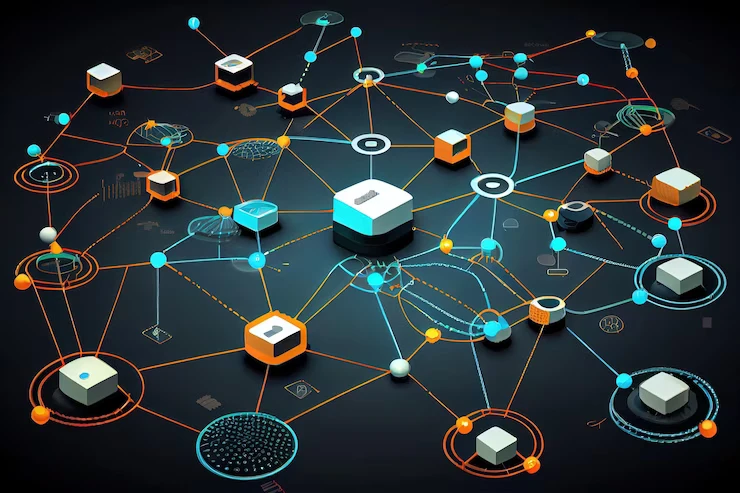

Introduction to Web3 Development
In recent years, the landscape of web development has undergone a transformative shift with the emergence of Web3 technologies. Unlike its predecessor, Web2, which relies heavily on centralized structures and intermediaries, Web3 represents a decentralized paradigm where trust and control are distributed across a network of peers. This evolution has given rise to a new breed of developers who are not only proficient in traditional web development but are also well-versed in the intricacies of decentralized systems.
At the core of Web3 development lies the concept of decentralization, facilitated by blockchain technology. Blockchain serves as the foundational building block, providing a secure and transparent ledger for decentralized applications (DApps). These applications operate on a peer-to-peer network, eliminating the need for intermediaries and fostering a trustless environment.
One of the key components of Web3 development is the creation of smart contracts. These self-executing contracts are written in code and automatically enforce the terms and conditions defined within them. Ethereum, a leading blockchain platform, pioneered the integration of smart contracts, empowering developers to build a wide array of decentralized solutions, from financial applications to supply chain management systems.
As developers delve into the world of Web3, they encounter a distinctive tech stack designed to address the challenges and opportunities presented by decentralized applications. This tech stack encompasses various elements, including smart contract platforms, decentralized storage solutions such as IPFS (InterPlanetary File System) and Swarm, and frameworks that simplify the development of DApps.
Web3 development tools also include blockchain explorers, which allow developers to navigate and analyze on-chain data. These tools play a crucial role in transparency and accountability within decentralized systems. Additionally, decentralized identity tools enable the establishment of self-sovereign identity, giving users control over their personal information without relying on centralized authorities.
The integration of oracle services ensures the accuracy and reliability of off-chain data used by smart contracts. This is pivotal in maintaining the integrity of decentralized applications that often require real-world data to function effectively. Furthermore, developer wallets designed for Web3 environments manage cryptographic keys and facilitate secure transactions within decentralized networks.
As the Web3 ecosystem continues to evolve, interoperability tools and protocols are becoming increasingly significant. These technologies allow different blockchains to communicate and share information, fostering collaboration and synergy between various decentralized networks. This interoperability is crucial for the seamless functioning of a decentralized internet.
In conclusion, Web3 development represents a paradigm shift in the way we conceive and build applications for the internet. It embraces decentralization, blockchain technology, and a unique tech stack tailored to the challenges of a trustless, peer-to-peer environment. As developers navigate this evolving landscape, they engage with a diverse set of tools and frameworks that empower them to create innovative, transparent, and resilient decentralized applications. The journey into Web3 development is not just a technical evolution; it marks a shift towards a more inclusive, open, and democratized internet.
Web3 Development Tech Stack Overview
The Web3 development tech stack is a dynamic and evolving set of technologies that underpin the creation and functionality of decentralized applications (DApps). This stack is designed to address the unique challenges posed by decentralized systems, where trust and control are distributed across a network of peers. Let's delve into the key components of the Web3 development tech stack:
Blockchain Platforms: At the core of Web3 development is the use of blockchain platforms. Ethereum, Binance Smart Chain, Polkadot, and others provide the foundational infrastructure for decentralized applications. These platforms leverage blockchain's immutability and consensus mechanisms to ensure secure and transparent transactions.
Smart Contracts: Smart contracts are self-executing pieces of code that automate and enforce the terms of an agreement. Ethereum pioneered the integration of smart contracts, allowing developers to create decentralized applications with programmable functionalities. These contracts play a pivotal role in the decentralized nature of Web3 systems.
Decentralized Storage Solutions: Web3 applications often require decentralized storage solutions to store data securely and efficiently. InterPlanetary File System (IPFS) and Swarm are popular choices in the Web3 tech stack, providing distributed and peer-to-peer storage solutions.
Web3 Development Frameworks: Frameworks such as Truffle and Hardhat simplify the development of DApps by providing tools, libraries, and conventions. These frameworks streamline common tasks like smart contract deployment, testing, and debugging, allowing developers to focus on application logic.
Blockchain Explorers: Blockchain explorers are essential tools for navigating and analyzing on-chain data. Developers use explorers like Etherscan for Ethereum or BscScan for Binance Smart Chain to inspect transactions, smart contracts, and network statistics, ensuring transparency and accountability.
Decentralized Identity Tools: Identity is a critical aspect of many applications. Web3 development includes tools for decentralized identity, enabling users to have self-sovereign control over their personal information without relying on centralized authorities. Sovrin and uPort are examples of decentralized identity solutions.
Oracle Services: Smart contracts often need real-world data to execute their logic. Oracle services, like Chainlink, provide a bridge between on-chain and off-chain data, ensuring the accuracy and reliability of information fed into the decentralized application.
Web3 Developer Wallets: Web3 developer wallets manage cryptographic keys and facilitate secure transactions within decentralized networks. MetaMask is a widely used browser extension that serves as both a wallet and a gateway to Web3 applications.
Interoperability Tools and Protocols: With the proliferation of various blockchains, interoperability becomes crucial. Tools and protocols such as Polkadot, Cosmos, and Interledger facilitate communication and collaboration between different blockchain networks.
Security Auditing Tools: Given the decentralized and often irreversible nature of blockchain transactions, security is paramount. Security auditing tools help developers identify vulnerabilities and ensure the robustness of their smart contracts and DApps.
Web3 Testing and Debugging Tools: Testing and debugging in the Web3 environment have their nuances. Tools like Ganache and Remix provide environments for developers to test and debug smart contracts before deploying them on the live blockchain.
Decentralized Governance Platforms: Decentralized applications often involve a community of stakeholders. Governance platforms, such as Aragon and DAOstack, enable decentralized decision-making, allowing token holders or community members to participate in the development and governance of the project.
This Web3 development tech stack overview illustrates the diverse set of tools and technologies that developers navigate to build decentralized applications, providing transparency, security, and user empowerment in the evolving landscape of the decentralized web.
Web3 Development Tools
Web3 development tools play a crucial role in empowering developers to create decentralized applications (DApps) and contribute to the evolving landscape of the decentralized web. Here's a curated list of key Web3 development tools across various categories:
Smart Contract Platforms:
Ethereum: The pioneer in smart contract platforms, Ethereum remains a popular choice for DApp development.Binance Smart Chain (BSC): Known for low transaction fees and fast confirmation times, BSC is gaining traction among developers.Web3 Development Frameworks:
Truffle: A popular development framework for Ethereum, providing a suite of tools for smart contract development, testing, and deployment.Hardhat: A development environment for Ethereum that offers built-in tasks, testing, and support for smart contract deployment.Decentralized Storage Solutions:
IPFS (InterPlanetary File System): A peer-to-peer protocol for storing and sharing hypermedia in a distributed file system.Swarm: Another decentralized storage solution, integrated with Ethereum, for scalable and fault-tolerant storage.Blockchain Explorers:
Etherscan: A widely used explorer for the Ethereum blockchain, providing insights into transactions, smart contracts, and addresses.BscScan: Similar to Etherscan but tailored for the Binance Smart Chain.Decentralized Identity Tools:
uPort: A decentralized identity platform built on the Ethereum blockchain, enabling self-sovereign identity.Sovrin: A global, decentralized identity network built on a public blockchain.Oracle Services:
Chainlink: A decentralized oracle network that connects smart contracts with real-world data, enabling reliable information inputs.Web3 Developer Wallets:
MetaMask: A widely used browser extension wallet that enables users to interact with DApps and manage their Ethereum-based assets.WalletConnect: A protocol for connecting DApps to mobile wallets securely.Interoperability Tools and Protocols:
Polkadot: A multi-chain network that enables different blockchains to transfer messages and value in a trust-free fashion.Cosmos: A decentralized network of independent, scalable, and interoperable blockchains.Security Auditing Tools:
MythX: A security analysis platform for Ethereum smart contracts that identifies vulnerabilities and provides actionable insights.Securify: A security scanner for Ethereum smart contracts that detects common vulnerabilities.Web3 Testing and Debugging Tools:
Ganache: A personal blockchain for Ethereum development that allows developers to test smart contracts, develop their applications, and run tests.Remix: An open-source web and desktop application for smart contract development, providing an integrated development environment (IDE).Decentralized Governance Platforms:
Aragon: A platform for creating and managing decentralized organizations (DAOs) with built-in governance features.DAOstack: A platform for decentralized governance that enables the creation and management of DAOs.These tools collectively form a robust ecosystem for Web3 development, providing developers with the necessary resources to navigate the challenges of building decentralized and transparent applications. As the Web3 space continues to evolve, new tools and platforms are likely to emerge, contributing to the growth and innovation within the decentralized development community.
The Future of Web3 Development Tools
The future of Web3 development tools is poised for continuous innovation and refinement, driven by the dynamic nature of the decentralized ecosystem and the growing demand for user-friendly, efficient, and secure tools. Here are some potential trends and advancements that could shape the future of Web3 development tools:
Enhanced User Experience: Future Web3 development tools are likely to prioritize a seamless and intuitive user experience. As decentralized technologies become more accessible, tools will be designed to cater to a broader audience, including developers with varying levels of expertise.
Integration with Traditional Development Environments: To bridge the gap between traditional and decentralized development, future tools may integrate more seamlessly with popular development environments. This integration could facilitate easier adoption by developers who are transitioning from traditional web development to Web3.
Decentralized Autonomous Development (DAD): The concept of decentralized autonomous development could lead to the creation of tools that operate autonomously, facilitating continuous integration, deployment, and even governance within decentralized applications. This could reduce the need for centralized oversight in the development lifecycle.
Cross-Chain Compatibility: With the rise of multiple blockchain networks, future Web3 development tools may prioritize cross-chain compatibility. Tools that enable developers to build applications that can seamlessly interact with different blockchain networks could become increasingly important.
AI and Machine Learning Integration: The integration of artificial intelligence (AI) and machine learning (ML) into Web3 development tools could enhance various aspects of decentralized applications. This could include automated code optimization, security vulnerability detection, and intelligent data analysis.
Standardization of Development Processes: As the Web3 ecosystem matures, there may be efforts to standardize development processes and tooling. Common frameworks and standards could emerge, making it easier for developers to transition between different projects and platforms.
Improved Security Auditing: Given the critical importance of security in decentralized applications, future tools may feature advanced security auditing capabilities. Automated tools could become more sophisticated in detecting vulnerabilities, ensuring the robustness of smart contracts and DApps.
Scalability Solutions: As scalability remains a challenge for many blockchain networks, future Web3 development tools may incorporate solutions that address scalability issues. This could include tools that optimize gas fees, enhance transaction throughput, and improve overall network efficiency.
Widespread Integration of Decentralized Identity Tools: Decentralized identity tools, currently in their early stages, may see widespread integration into development workflows. This could empower users to have greater control over their digital identities in a secure and privacy-preserving manner.
Community-Driven Development: Future Web3 development tools may adopt more community-driven approaches, leveraging decentralized governance models. This could involve the community in decision-making processes, feature prioritization, and tool improvements.
Tokenization of Development Processes: The integration of tokens and tokenomics into development processes could incentivize collaboration and contribution within decentralized development communities. Tokenized rewards and governance mechanisms may play a role in shaping the direction of development tools.
Environmental Sustainability: With increasing concerns about the environmental impact of blockchain networks, future Web3 development tools may emphasize environmentally sustainable practices. Tools that encourage the development of energy-efficient and eco-friendly decentralized applications could gain prominence.
As the Web3 landscape evolves, developers, entrepreneurs, and stakeholders in the decentralized space will drive the evolution of tools to meet the changing demands of the industry. The future of Web3 development tools is likely to be characterized by adaptability, inclusivity, and a commitment to advancing the capabilities of decentralized technologies.























Sign in to leave a comment.