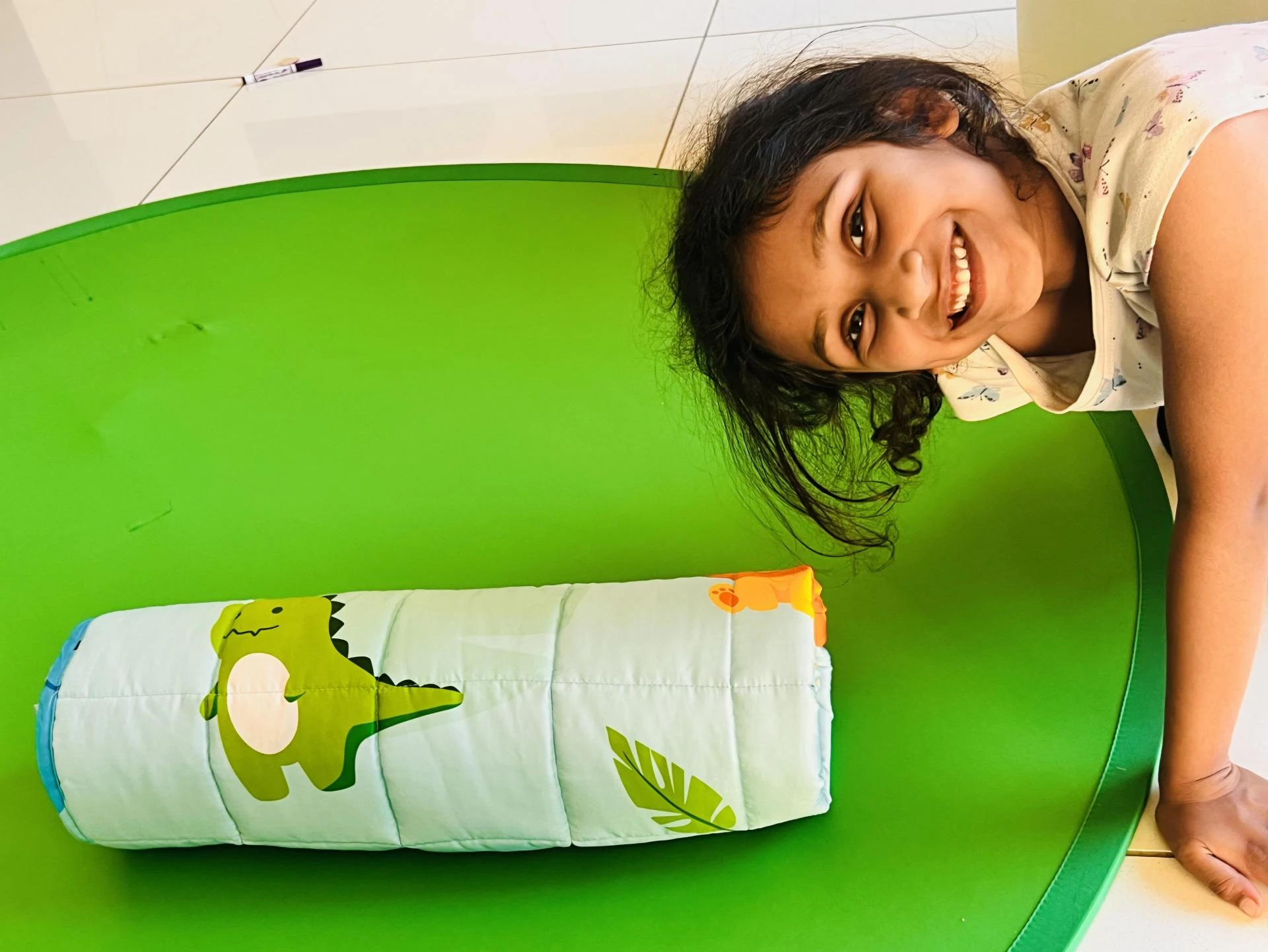

Weighted blankets for autism are increasingly being used as a supportive tool to help manage sensory challenges, anxiety, and sleep difficulties. Many parents and caregivers are curious about whether these blankets are truly effective or simply a popular trend. Understanding their safety, benefits, and limitations is essential before making a decision.
This article explores the facts, clears up common myths, and explains what current research suggests about weighted blankets for autism.
What Are Weighted Blankets and How Do They Work?
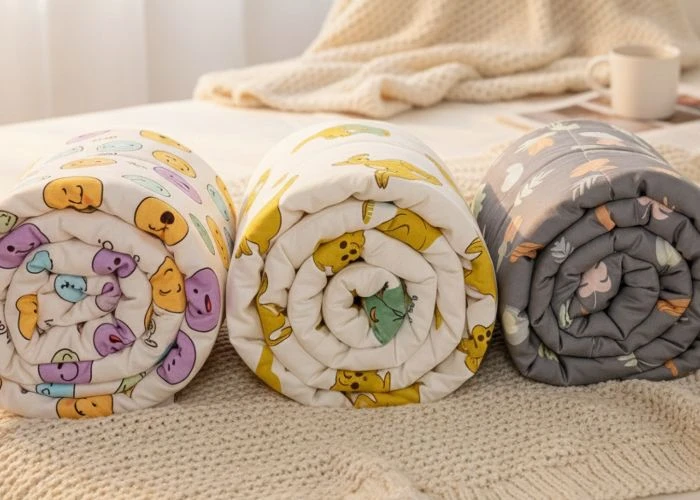
Weighted blankets for autism are designed with evenly distributed weight, usually through small glass beads or pellets sewn into the fabric. The added weight creates gentle pressure across the body.
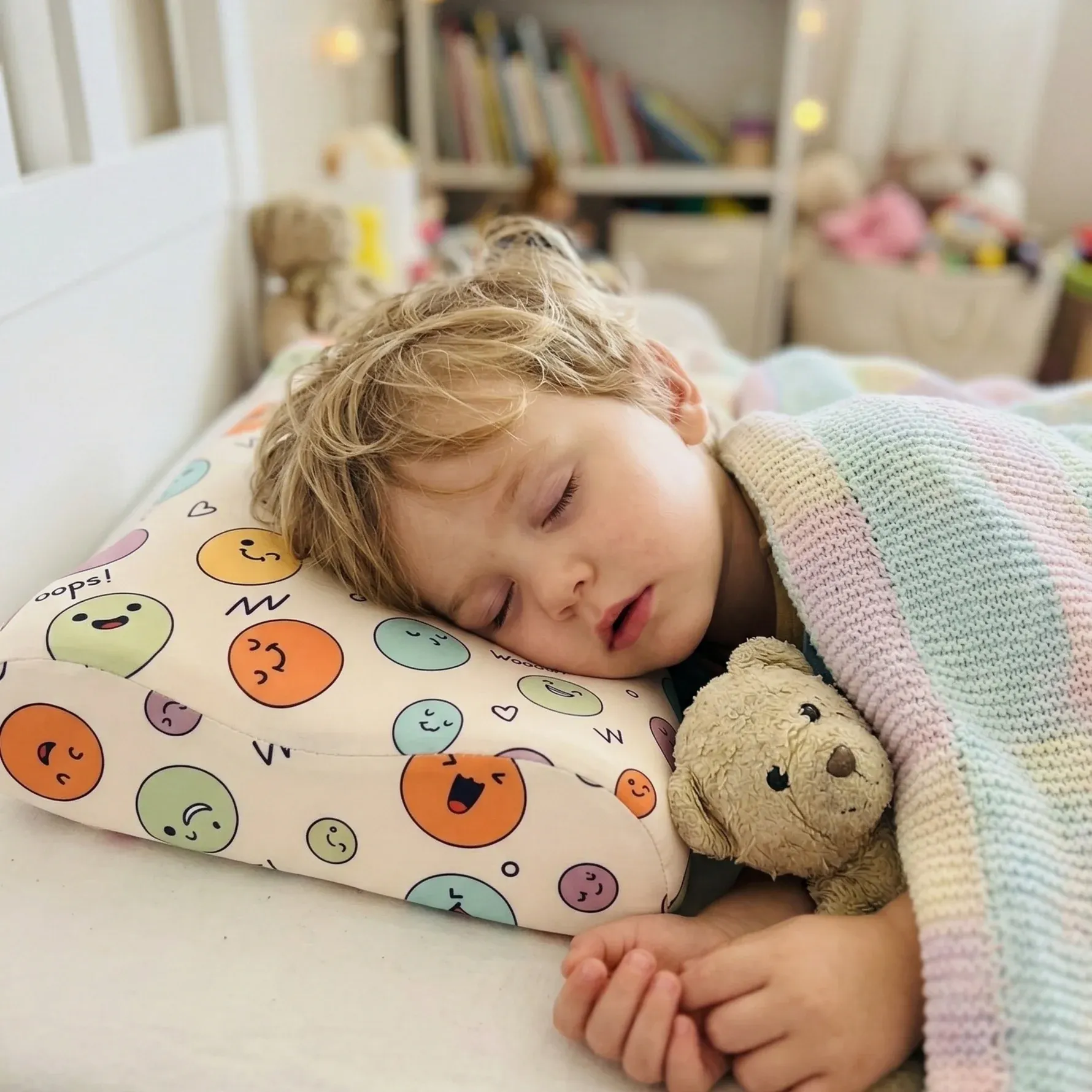
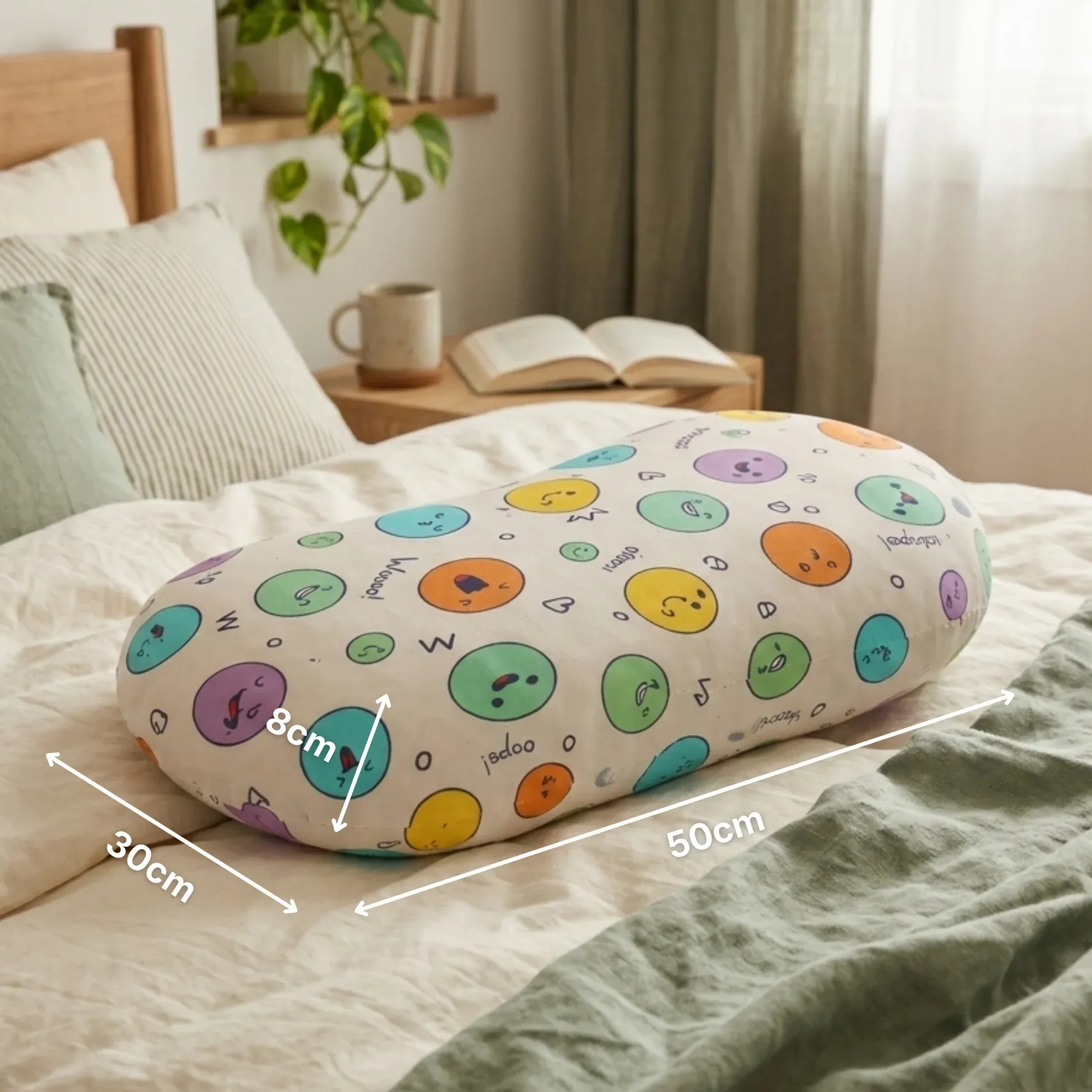
In addition to classic designs, some parents also choose an emoji kids blanket to make the experience more fun and visually appealing for younger children.
Why Deep Pressure Can Be Calming
Deep pressure stimulation may help regulate the body’s stress response. For individuals with sensory sensitivities, this can reduce feelings of anxiety and overstimulation. It may also support relaxation, making it easier to transition into sleep.
Many occupational therapists use similar techniques to help individuals improve focus and emotional regulation.
Are Weighted Blankets Safe for Autism?
Safety is one of the most important considerations when using weighted blankets for autism. When used properly, they are generally safe for both children and adults.
Basic Safety Recommendations
To ensure safe use:
- Choose a blanket that is about 5–10% of the user’s body weight
- Make sure the individual can remove the blanket without assistance
- Avoid use for very young children, especially under the age of two
Following these guidelines helps reduce any potential risks associated with excessive weight or restricted movement.
Situations Where Caution Is Needed
Weighted blankets for autism may not be suitable in certain cases. It is important to consult a healthcare professional if the individual has:
- Breathing difficulties
- Circulatory issues
- Limited mobility
- Sensitivity to pressure
Each person’s sensory needs are different, so careful observation is key when introducing a new tool.
Do Weighted Blankets Really Work for Autism?
The effectiveness of weighted blankets for autism is still being studied, and results are not entirely consistent. Some research suggests limited measurable improvements, while user experiences often tell a more positive story.
What Research Suggests
According to studies, many people enjoy using weighted blankets even though they may not have a clinically meaningful impact on sleep duration or quality. This indicates that comfort and emotional benefits may play an important role, even if scientific measurements are less conclusive.
Real-Life Experiences
Many families report noticeable improvements when using weighted blankets for autism, including:
- A calmer bedtime routine
- Reduced anxiety levels
- Greater sense of comfort and security
These outcomes highlight that while results vary, weighted blankets can still provide meaningful support for some individuals.
Common Myths About Weighted Blankets for Autism
There are several misconceptions about weighted blankets for autism that can lead to unrealistic expectations. Understanding the truth helps in making informed decisions.
Myth 1 – They Work Instantly for Everyone
Not everyone responds the same way to weighted blankets. Some individuals may find them extremely calming, while others may feel uncomfortable or restricted.
Myth 2 – They Are a Cure for Sleep Issues
Weighted blankets are not a medical treatment. They can support relaxation but should not be seen as a cure for sleep disorders or anxiety.
Myth 3 – Heavier Means Better Results
Using a blanket that is too heavy can be unsafe and may cause discomfort. The recommended weight guidelines exist to ensure both safety and effectiveness.
When Should You Use a Weighted Blanket?
Weighted blankets for autism are most helpful when used in specific situations where calming support is needed.
Best Times to Use Them
- During bedtime routines
- When experiencing sensory overload
- While relaxing or winding down
Some parents pair these blankets with kids sensory bedding Australia options to create a complete calming sleep environment.
Final Thoughts
Weighted blankets for autism can be a helpful tool, but they are not a one-size-fits-all solution. While scientific research shows mixed results, many individuals experience real benefits in terms of comfort and relaxation.
When used safely and thoughtfully, these blankets can support better sleep habits and reduce sensory stress. The key is to focus on individual needs and responses rather than expecting guaranteed results.




























Sign in to leave a comment.