

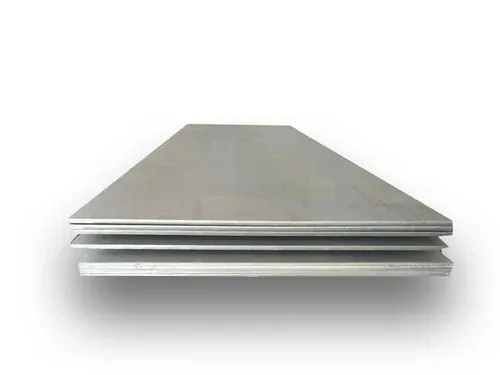
Abrasion-resistant plates, commonly known as AR plates, are specially engineered steel plates designed to withstand wear and tear caused by friction, impact, and repeated contact with hard materials. Abrasion-resistant steel plates are high-quality materials that meet industry standards for demanding applications. These plates are widely used in industries where equipment is exposed to harsh working conditions, helping extend service life and reduce maintenance costs. Get more information about abrasion-resistant plates from Conquest Steel and Alloy.
What Are Abrasion-Resistant Plates?
Abrasion-resistant plates are high-strength steel plates with enhanced hardness properties. They are specifically manufactured to resist surface wear caused by abrasion, which occurs when materials like sand, gravel, coal, or minerals repeatedly rub against the surface.
These plates are typically available in different hardness levels such as AR400, AR450, and AR500, where the number indicates the hardness measured in Brinell Hardness (BHN).
Key Features of Abrasion-Resistant Plates
1. High Hardness
AR plates are designed with high hardness levels, making them highly resistant to wear and surface damage.
2. Excellent Wear Resistance
They perform exceptionally well in environments involving continuous friction, extending the lifespan of equipment.
3. Good Impact Strength
Despite their hardness, these plates maintain good toughness, allowing them to absorb impact without cracking.
4. Longer Service Life
Reduced wear leads to fewer replacements, increasing the durability of machinery and components.
5. Cost Efficiency
Although the initial cost may be higher, the long-term savings on maintenance and replacement make them economical.
6. Versatility
Available in various thicknesses and grades, AR plates can be used in multiple industrial applications.
Types of Abrasion-Resistant Plates
- AR400: General-purpose wear plate with good formability
- AR450: Higher hardness for improved wear resistance
- AR500: Maximum hardness for extreme abrasion conditions
Common Uses of Abrasion-Resistant Plates
Mining Industry
- Dump truck bodies
- Excavator buckets
- Crushers and screens
Construction Equipment
- Loaders
- Bulldozers
- Earthmoving machinery
Cement Industry
- Clinker handling systems
- Chutes and hoppers
Steel and Power Plants
- Coal handling systems
- Conveyor systems
Recycling Industry
- Scrap processing equipment
- Shredders
Agriculture Equipment
- Plows and tillage tools
- Harvesting machinery
Advantages of Using Abrasion-Resistant Plates
- Reduced downtime and maintenance
- Improved productivity
- Enhanced equipment performance
- Resistance to harsh working environments
- Long operational life
How to Choose the Right AR Plate
When selecting an abrasion-resistant plate, consider:
- Level of abrasion and impact
- Required hardness (AR400, AR500, etc.)
- Thickness and size
- Fabrication needs (cutting, welding, forming)
- Application environment
Conclusion
Abrasion-resistant plates are essential materials for industries dealing with heavy wear and tear. Their high hardness, durability, and resistance to harsh conditions make them ideal for extending equipment life and improving operational efficiency. Choosing the right grade and quality ensures maximum performance and long-term cost savings.




















Sign in to leave a comment.