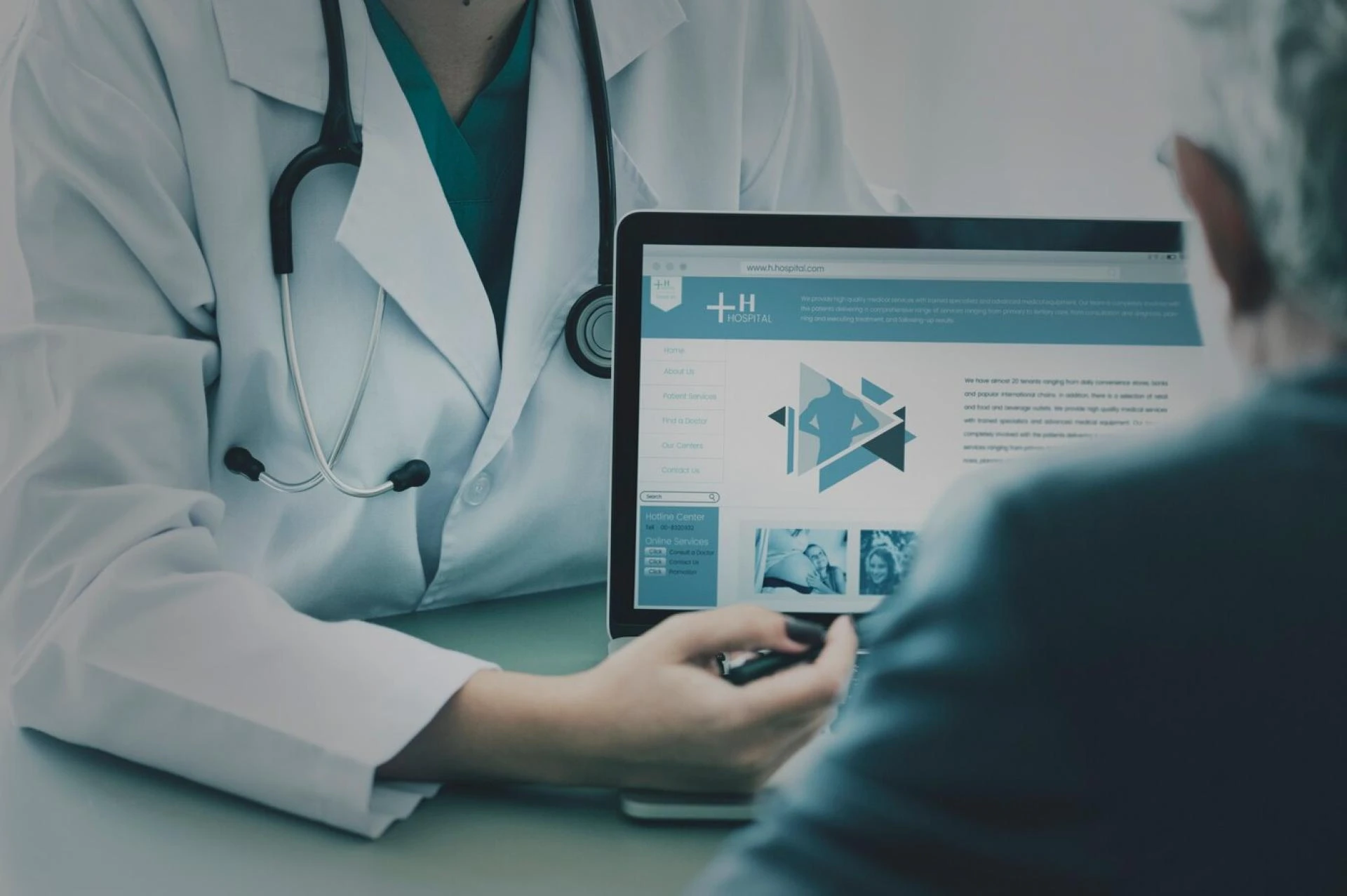

In today's tech-savvy world, healthcare is no longer confined to hospitals and clinics. The advent of digital health platforms is revolutionizing the way we access and manage our health. But what exactly is a digital health platform, and why is it important?
Let's dive in and explore what is a digital health platform.
Understanding Digital Health Platforms
A digital health platform is like an online hub that connects patients, healthcare providers, and health data. Think of it as a virtual space where you can access medical services, track your health information, and communicate with doctors—all from your computer or smartphone.
Key Features of Digital Health Platforms
Telemedicine: This allows you to have a virtual consultation with your doctor via video call, phone call, or even text messages. No need to travel to the clinic—just log in and talk to your healthcare provider from the comfort of your home. Health Records: Digital health platforms store your medical records securely online. This means you can access your health history, test results, and prescriptions anytime, anywhere. It's like having a digital file cabinet for all your health information. Appointment Scheduling: You can book, reschedule, or cancel appointments with your healthcare provider directly through the platform. No more waiting on hold or dealing with complicated scheduling systems. Health Monitoring: Some platforms allow you to track your health metrics, like blood pressure, heart rate, or glucose levels, using wearable devices. This data can be shared with your doctor for better health management. Medication Management: You can receive reminders to take your medications, request prescription refills, and even have your medications delivered to your door through the platform.
Benefits of Digital Health Platforms
Convenience: Accessing healthcare services online saves time and effort. You can consult with doctors, access health records, and manage your health from anywhere, making it especially useful for those with busy schedules or mobility issues. Improved Communication: Digital health platforms facilitate better communication between patients and healthcare providers. You can ask questions, share updates, and get timely responses without needing to visit the clinic. Personalized Care: With continuous health monitoring, doctors can provide more personalized care based on your real-time health data. This proactive approach can lead to better health outcomes. Cost-Effective: Telemedicine and online consultations often cost less than in-person visits. Plus, the convenience of digital platforms can reduce the need for emergency room visits and hospitalizations. Enhanced Accessibility: Digital health platforms make healthcare more accessible to people in remote or underserved areas. Anyone with an internet connection can access quality healthcare services.
Challenges to Consider
While digital health platforms offer many benefits, there are some challenges to keep in mind:
Privacy and Security: Ensuring that health data is stored and transmitted securely is crucial to protect patient privacy. Digital Literacy: Not everyone is comfortable using technology, so it's important to provide support and education for those who may struggle with digital tools. Access to Technology: Reliable internet access and devices are necessary to use digital health platforms, which may be a barrier for some individuals.
The Future of Digital Health
As technology continues to advance, digital health platforms are expected to become even more integrated into our healthcare system. Innovations like artificial intelligence (AI), virtual reality (VR), and advanced data analytics will further enhance the capabilities of these platforms, making healthcare more personalized, efficient, and accessible.
Conclusion
In conclusion, digital health platforms are transforming the way we interact with healthcare. They offer convenience, improved communication, personalized care, and greater accessibility, making it easier for everyone to manage their health. While there are challenges to overcome, the future of digital health looks promising, bringing us closer to a more connected and efficient healthcare system.
To fully leverage the potential of these platforms, it's crucial to hire dedicated developers who can create and maintain robust, secure, and user-friendly digital health solutions.



























Sign in to leave a comment.