
Capacity planning is all about ensuring your supply meets demand. Essentially, it's planning ahead with the right amount of time, people, and resources to adequately support the work that is coming in for your team—building in time so that you can be organized rather than chaotic and avoid burnout.
Whether it is for next week, next month, next quarter, or the next year, in some capacity, planning is always a given. Capacity planning helps leadership and management balance the multiple moving parts:
- Tracking progress across autonomous teams
- Adjusting to shifting priorities
- Handling unpredictable tasks
- Managing remote workers in a matrix structure
- Bridging the gap between “planned work” and “actual work”
Without a solid strategy, everything gets out of hand really fast. That's why capacity planning isn't just good to have , but rather a must if you want things to run smoothly.
Why Capacity Planning Is Worth Your Time
Consider capacity planning as preparing your work for future events. It allows you to anticipate issues before they happen, gain the positive benefits of foresight, enhance team outcomes, and optimize operations to be more efficient. Rather than responding to issues as they arise, you're already a step ahead.
How Capacity Planning Improves Sprint Planning
Numerous teams work in sprints, shorter, more focused chunks of time when work is assigned and the work is completed. The success of sprint planning relies heavily on every team member coming through on time. If one person lags behind, the sprint could be delayed.
Key Benefits of Capacity Planning
This is where capacity planning provides value. By taking into account the potential for things like missed deadlines, resources being unavailable, or constraints in the process overall, you'll be able to develop tighter and more realistic sprint plans. Sort of like building-in a "Plan A" and a "Plan B," so that even if the week doesn't go perfectly, you'll still derive value for your team.
When done right, capacity planning can deliver a ton of value:
- Balanced workloads (no one is overworked or underutilized)
- Better forecasting for upcoming projects
- Higher efficiency across teams
- Improved ability to meet deadlines
- Clearer visibility into team performance
It’s not just about saying “yes” or “no” to projects—it’s about saying yes with confidence because you know the resources are there.
How RVS Capacity Planner for Jira Helps
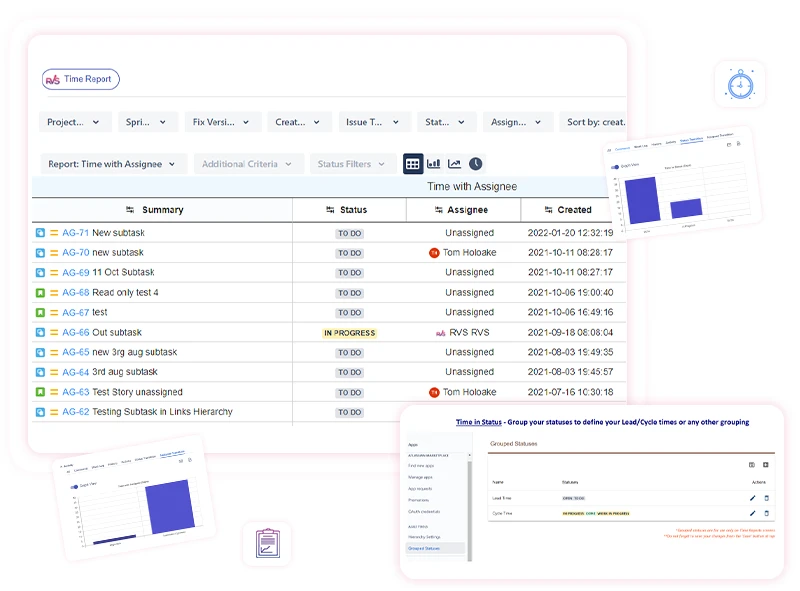
If you’re using Jira, tools like RVS Capacity Planner make the process even smoother. Here’s what it can do:
- Templates – Define capacity once and reuse it for future projects.
- Capacity Tracking – Track team capacity by sprint or project, accounting for holidays, available hours, and story points.
- Detailed Task View – See what each team member is working on, along with time logged against tasks.
- Role-Based Tracking – Assign roles to team members and view workload by role.
- Resource Utilization Report – Quickly spot over- or under-utilized team members in one dashboard.
- Save Reports – Keep your reports for reuse, and share them publicly or privately.
With these features, you get a real-time picture of capacity and can make smarter planning decisions.
Conclusion
Capacity planning is not just about numbers and charts, it's about developing a sustainable, efficient workflow in which team members thrive, and projects are successful. With a dedicated app, like RVS Capacity Planner, in Jira, you can take the guesswork out of non-standard resource allocation while keeping everyone aligned.
Interested in how it works? Try RVS's Capacity Planner to better allocate resources (people, time, and skills) across your projects. Sign up today for a free trial, and start your team on the road to sustainable success.

























Sign in to leave a comment.