
Introduction
Modern medicine has made incredible advancements in treating injuries, chronic pain, and degenerative conditions. However, many traditional treatments focus mainly on managing symptoms rather than repairing the underlying damage. This is where regenerative therapy has gained attention as a groundbreaking approach in healthcare. Regenerative injection therapy aims to support the body’s natural healing process and promote tissue repair, helping patients recover from pain and injury more effectively.
From athletes recovering from sports injuries to individuals suffering from arthritis or chronic musculoskeletal pain, regenerative therapy is becoming an increasingly popular option. Clinics and healthcare providers worldwide are exploring regenerative medicine because of its potential to improve healing without invasive surgeries or long-term dependence on medications.
At Learn Neural Therapy, healthcare professionals and practitioners continue exploring innovative treatment methods, including regenerative therapies, to enhance patient outcomes and provide modern solutions for pain management and recovery.
What is Regenerative Therapy?
Regenerative therapy is a branch of medicine focused on repairing, replacing, or regenerating damaged tissues, cells, and organs to restore normal function. Instead of simply masking pain or symptoms, regenerative treatments aim to stimulate the body’s own healing abilities.
The human body naturally repairs itself after injuries. For example, when you cut your skin, the body automatically begins healing the wound. However, certain injuries, chronic inflammation, aging, or degenerative conditions can slow or limit this healing process. Regenerative therapy works by enhancing and accelerating these natural mechanisms.
Regenerative medicine is commonly used in orthopedics, sports medicine, pain management, and rehabilitation. It is often considered for conditions involving:
- Joint pain
- Tendon injuries
- Ligament damage
- Arthritis
- Muscle injuries
- Chronic inflammation
- Degenerative disc disease
The goal is to improve tissue healing, reduce pain, and restore mobility naturally.
How Does Regenerative Therapy Work?
Regenerative therapy works by stimulating the body’s repair mechanisms. Depending on the treatment type, biological materials such as growth factors, platelets, or regenerative cells are introduced into the injured area.
These substances help:
- Reduce inflammation
- Promote tissue regeneration
- Improve blood flow
- Stimulate collagen production
- Accelerate healing
When regenerative materials are injected into damaged tissues, they signal the body to begin repair and recovery processes. Over time, this can lead to reduced pain and improved function.
The effectiveness of regenerative therapy depends on factors such as:
- The severity of the injury
- The patient’s age and overall health
- The specific regenerative technique used
- Proper diagnosis and treatment planning
Types of Regenerative Therapy
There are several forms of regenerative therapy currently used in modern medicine. Each treatment method has unique applications and benefits.
1. Platelet-Rich Plasma (PRP) Therapy
PRP therapy is one of the most common regenerative treatments. It involves drawing a small amount of the patient’s blood and processing it to concentrate platelets.
Platelets contain growth factors that help repair tissues and promote healing. The concentrated PRP solution is then injected into the injured area.
PRP is commonly used for:
- Tendon injuries
- Sports injuries
- Knee osteoarthritis
- Muscle strains
- Ligament injuries
Benefits of PRP Therapy
- Minimally invasive
- Uses the patient’s own blood
- Reduced recovery time
- Lower risk of allergic reaction
- Encourages natural healing
2. Stem Cell Therapy
Stem cells are unique cells capable of developing into different tissue types. In regenerative medicine, stem cell therapy aims to support tissue regeneration and repair.
Stem cells may be obtained from:
- Bone marrow
- Fat tissue
- Umbilical cord tissue (in some settings)
Once injected into damaged tissues, stem cells may help reduce inflammation and promote healing.
Conditions Treated with Stem Cell Therapy
- Arthritis
- Cartilage damage
- Tendon injuries
- Degenerative joint conditions
- Chronic pain conditions
Stem cell therapy continues to be researched extensively, and while promising, treatment protocols may vary depending on regulations and medical standards.
3. Prolotherapy
Prolotherapy is an injection-based treatment designed to stimulate the body’s healing response. A natural irritant solution is injected into weakened ligaments or tendons.
This controlled irritation encourages tissue repair and strengthening.
Prolotherapy may help:
- Chronic joint pain
- Back pain
- Ligament instability
- Tendon injuries
It is commonly used in musculoskeletal medicine and pain management practices.
4. Exosome Therapy
Exosomes are tiny particles released by cells that contain proteins and signaling molecules involved in healing and communication between cells.
Exosome therapy is a newer regenerative approach being explored for:
- Tissue repair
- Anti-inflammatory effects
- Recovery support
Research in this area is still evolving, but interest continues to grow in regenerative medicine communities.
Conditions Commonly Treated with Regenerative Therapy
Regenerative treatments are increasingly used for a wide range of musculoskeletal and pain-related conditions.
Osteoarthritis
Joint degeneration can cause chronic pain and stiffness. Regenerative therapies such as PRP and stem cell treatments may help reduce inflammation and improve joint function.
Sports Injuries
Athletes often seek regenerative therapy to recover from tendon tears, ligament injuries, and muscle strains while avoiding surgery when possible.
Tendon and Ligament Injuries
Conditions such as:
- Tennis elbow
- Achilles tendinitis
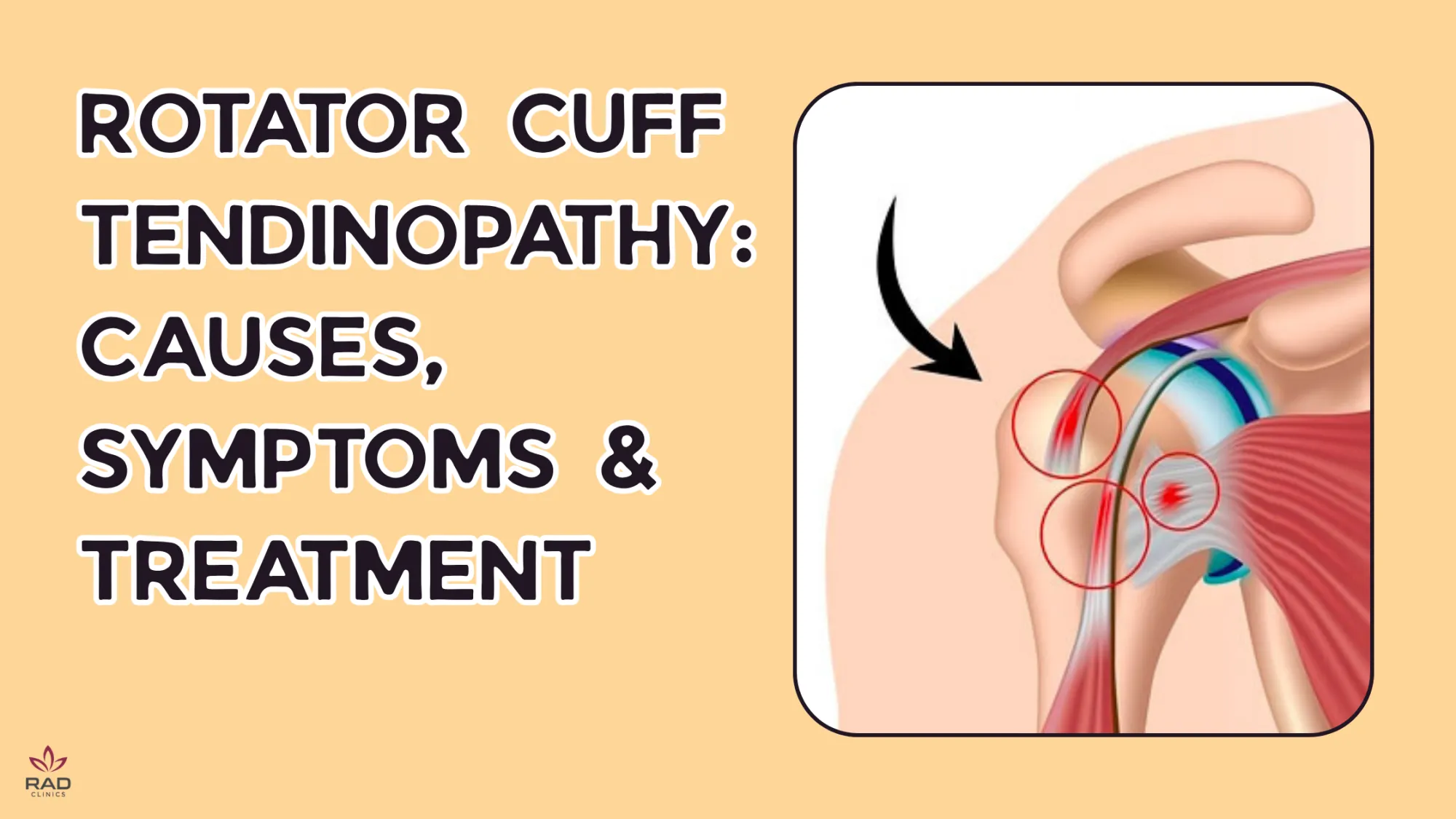
- Rotator cuff injuries
- Patellar tendon injuries
may respond well to regenerative approaches.
Back and Neck Pain
Degenerative disc disease and chronic spinal pain may sometimes be managed with regenerative injections aimed at reducing inflammation and supporting tissue healing.
Chronic Pain Conditions
Some chronic pain patients explore regenerative medicine when conventional treatments have not provided sufficient relief.
Benefits of Regenerative Therapy
Regenerative medicine offers several potential advantages compared to traditional treatment methods.
1. Minimally Invasive
Most regenerative procedures involve injections rather than surgery, reducing downtime and recovery periods.
2. Natural Healing Support
These therapies encourage the body to heal itself rather than relying only on medications.
3. Reduced Pain
By addressing tissue damage and inflammation, regenerative therapy may help reduce chronic pain naturally.
4. Faster Recovery
Many patients experience quicker recovery times compared to surgical interventions.
5. Improved Mobility
As healing occurs, patients often regain movement and physical function.
6. Lower Dependence on Medication
Some individuals can reduce reliance on pain medications after successful regenerative treatment.
Are Regenerative Therapies Safe?
Regenerative therapies are generally considered safe when performed by trained medical professionals. However, as with any medical procedure, there are potential risks.
Possible side effects may include:
- Temporary swelling
- Mild pain at the injection site
- Bruising
- Inflammation
Because many regenerative therapies use the patient’s own biological materials, the risk of allergic reactions is often lower.
It is essential for patients to consult qualified practitioners who understand proper evaluation, diagnosis, and injection techniques.
At Learn Neural Therapy, education and training help healthcare professionals gain deeper knowledge of advanced therapeutic approaches and safe clinical practices.
What to Expect During Treatment
The treatment process varies depending on the therapy used, but most regenerative procedures follow similar steps.
Initial Consultation
The healthcare provider evaluates the patient’s condition through:
- Medical history
- Physical examination
- Imaging studies if needed
Preparation
For PRP therapy, blood is drawn and processed. For other treatments, regenerative materials are prepared according to clinical protocols.
Injection Procedure
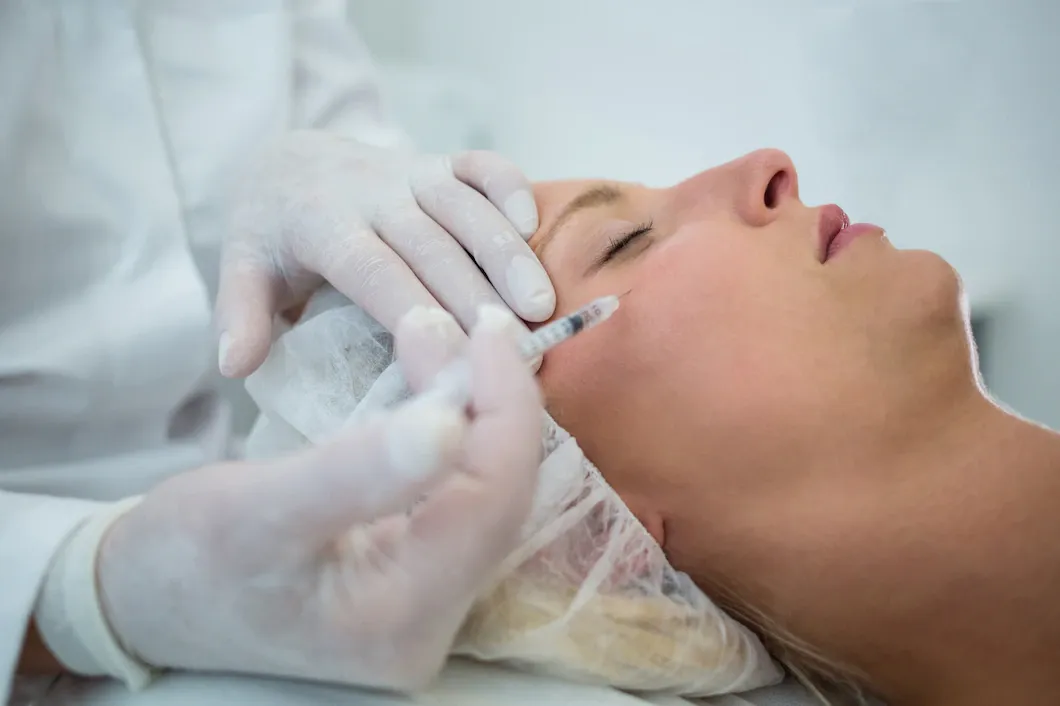
Using precise injection techniques, the regenerative substance is injected into the affected tissue.
Ultrasound guidance may sometimes be used for accuracy.
Recovery Phase
Patients may experience mild soreness for a few days. Recovery recommendations often include:
- Temporary activity modification
- Physical therapy
- Rehabilitation exercises
Healing improvements can occur gradually over several weeks or months.
Regenerative Therapy vs Traditional Treatments
Traditional treatments often focus on symptom control. Common approaches include:
- Pain medications
- Steroid injections
- Physical therapy
- Surgery
While these methods can be effective, regenerative therapy attempts to address the underlying tissue damage itself.
Comparison Overview
| Traditional Treatment | Regenerative Therapy |
|---|---|
| Symptom management | Tissue healing focus |
| May require surgery | Minimally invasive |
| Temporary relief | Potential long-term improvement |
| Medication-based | Biologically based |
| Longer recovery in some cases | Often shorter downtime |
Both approaches can play important roles depending on the patient’s condition.
The Growing Future of Regenerative Medicine
Regenerative medicine is one of the fastest-growing areas in healthcare. Researchers continue studying new methods to improve tissue healing and recovery outcomes.
Future developments may include:
- Advanced biologic therapies
- Improved stem cell technologies
- Personalized regenerative treatments
- Better non-surgical pain solutions
As research evolves, regenerative therapy may become an even more significant part of modern medical care.
Educational organizations like Learn Neural Therapy continue supporting healthcare providers interested in learning advanced regenerative and neural therapy techniques to better serve patients.
Who Can Benefit from Regenerative Therapy?
Regenerative therapy may benefit:
- Athletes
- Active adults
- Individuals with chronic pain
- Patients with degenerative conditions
- People seeking alternatives to surgery
However, not every patient is an ideal candidate. A proper medical evaluation is necessary to determine whether regenerative treatment is appropriate.
Factors considered include:
- Overall health
- Severity of tissue damage
- Existing medical conditions
- Treatment goals
Conclusion
Regenerative therapy represents an exciting advancement in modern healthcare by focusing on the body’s natural ability to heal and repair itself. Whether through PRP therapy, stem cells, prolotherapy, or other regenerative techniques, these treatments offer new possibilities for individuals struggling with pain, injuries, and degenerative conditions.
As interest in non-surgical and biologically based therapies continues to grow, regenerative medicine is becoming an important option in pain management and rehabilitation. Patients and healthcare professionals alike are increasingly exploring these innovative approaches to improve recovery and quality of life.
At Learn Neural Therapy, ongoing education and training help practitioners stay informed about regenerative medicine, neural therapy, and advanced healing techniques that support patient-centered care and long-term wellness.























Sign in to leave a comment.