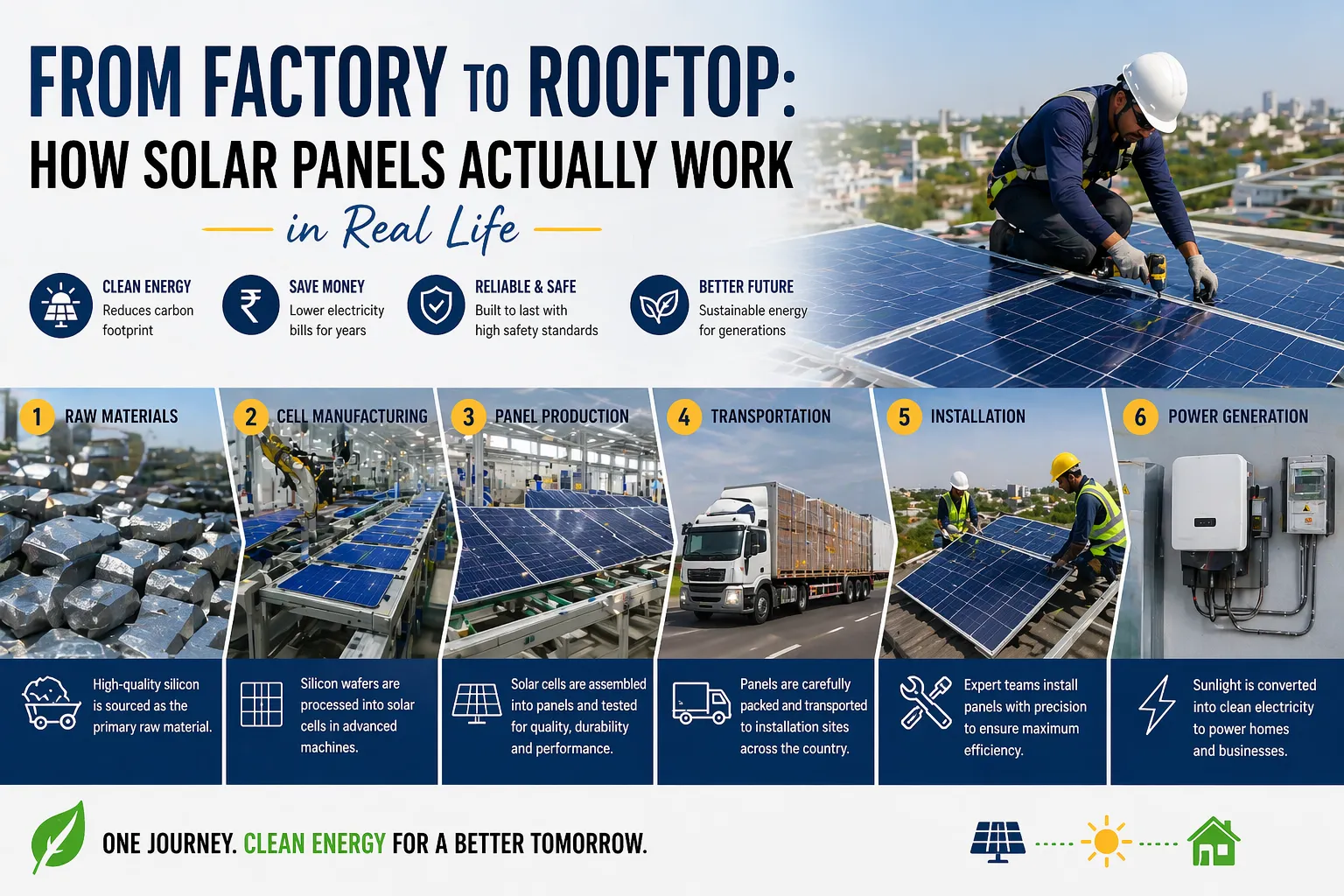

First Site Visit
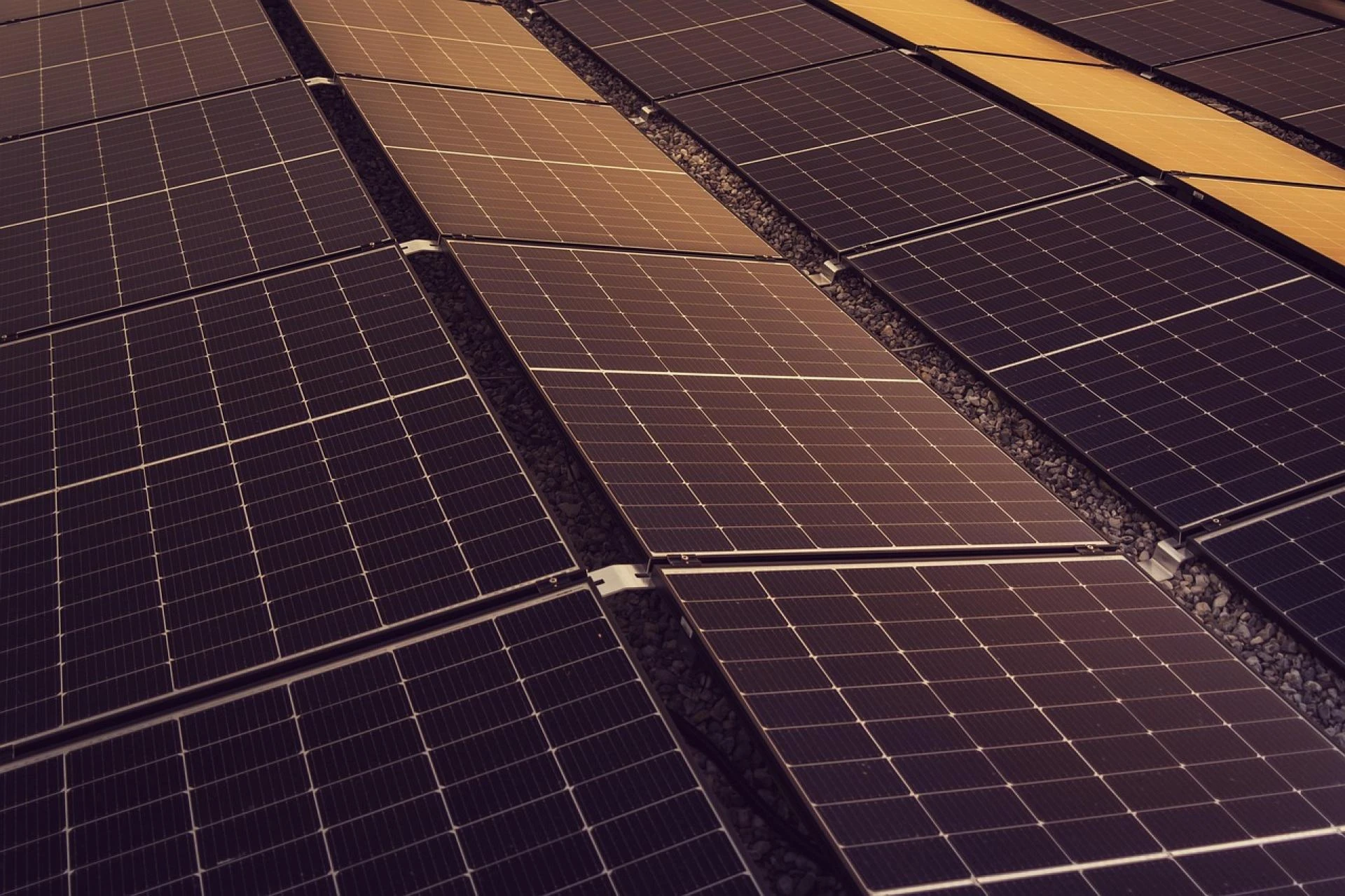
I step into one of the Utility Scale Solar Projects for the first time, and honestly, it doesn’t feel real. Panels stretch as far as I can see. No buildings. Just land covered with solar modules.
I remember walking under the rows of panels in peak afternoon heat. It’s quiet. Only a slight humming sound from inverters nearby. I expect a busy industrial setup, but it feels almost calm.
One engineer tells me that this single site powers thousands of homes. That’s when I understand the scale.
Understanding The Size
When I start observing Large Scale Solar Projects, I realize these are not just bigger versions of rooftop systems. Everything changes at this level.
I once sit in a control room where operators monitor hundreds of inverters at once. Data updates every second. Any drop in performance is tracked instantly. It feels more like managing a power grid than a simple installation.
Another time, I see how land is prepared before installation. It takes weeks just to level and plan cable routes. You don’t notice this in finished projects, but it’s a huge part of the process.
Moments That Stay
One moment stands out clearly. I see a team cleaning panels using water trucks. At first, it looks like a small task. Then I realize the number of panels is massive. Even dust affects output here.
Another experience comes during early morning. I visit before sunrise, and the entire plant slowly comes alive as sunlight hits the panels. Output starts from zero and increases gradually. Watching that change in real time feels different.
I also remember a site where one section underperforms. The issue is not major. Just a small shadow from nearby structure. But even that reduces generation noticeably. That shows how sensitive these systems are.
What Most People Don’t See
From outside, solar farms look simple. Just panels placed on land.
But I see the planning behind it. Panel orientation. Cable management. Monitoring systems. Maintenance schedules. Everything is designed carefully.
I once talk to a project manager who says, “At this scale, small mistakes become big losses.” That line stays with me.
What You Should Understand
If you think large solar projects are easy to set up, they’re not.
They require land planning, technical design, and constant monitoring. Performance depends on details.
I’ve seen well-managed plants perform consistently. I’ve also seen poorly planned ones struggle despite having the same equipment.
Final Thought
After spending time at these sites, my thinking changes.
Solar energy at this scale is not just about panels. It’s about systems working together smoothly.
And honestly, once you see how these massive projects operate in real conditions, you start understanding why utility scale solar is becoming a major part of future energy.











![The Benefits of Using a CNC Touch Probe [Infographic]](https://writeupcafe.com/data/post/1677697/bfdf3e040e67936848aa232d2dfe3d03.jpg.webp)









Sign in to leave a comment.