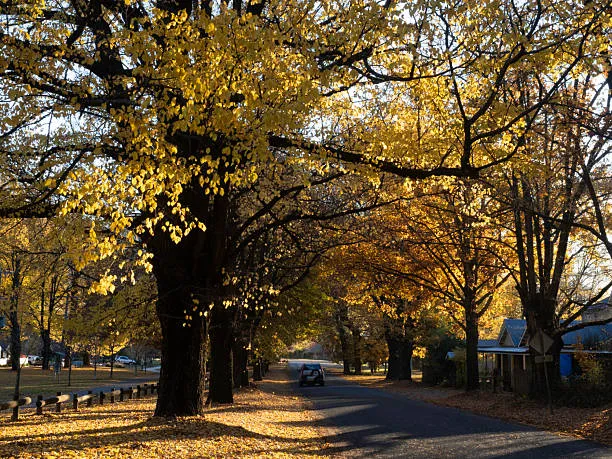

The Golden Elm is a striking ornamental tree known for its vibrant golden foliage, elegant canopy, and ability to enhance streetscapes, parks, and residential gardens. However, like many mature shade trees, it is not immune to stress, pests, or disease. When problems begin to develop, early intervention is critical to prevent long-term damage or complete tree loss.
Knowing when to call a tree specialist for Golden Elm problems can make the difference between recovery and irreversible decline.
Understanding the Golden Elm and Its Vulnerabilities
The Golden Elm is a cultivar of elm trees valued for its bright yellow foliage, especially in spring and summer. While it is hardy and adaptable, it can still be affected by environmental stress and tree diseases that commonly impact elm species.
In urban environments like Melbourne, Golden Elms face additional pressures such as compacted soil, irregular rainfall, pollution, and restricted root space. These stressors often make trees more vulnerable to pests and fungal infections.
Common Problems Affecting Golden Elm Trees
Before deciding when to call a specialist, it’s important to recognise the most frequent issues affecting Golden Elms.
1. Elm Leaf Beetle Infestation
One of the most common threats is the elm leaf beetle, which feeds on foliage and causes significant defoliation. Symptoms include:
- Skeletonised or chewed leaves
- Premature leaf drop
- Thinning canopy
Repeated infestations can weaken the tree over time.
2. Fungal Diseases
Fungal infections thrive in damp or poorly ventilated conditions.
- Powdery mildew: White coating on leaves
- Root rot: Decay of root systems due to excessive moisture
- Dutch elm disease (risk in elm species): Blocks water movement inside the tree
Fungal issues often progress silently until visible damage appears.
3. Environmental Stress
Golden Elms are sensitive to sudden changes in conditions.
- Extended drought periods
- Overwatering or poor drainage
- Soil compaction from foot traffic or construction
Stress weakens the tree’s natural defence system.
4. Bark and Trunk Damage
Physical injuries can lead to serious secondary infections.
- Cracks in bark
- Sap leakage
- Hollowing or decay in trunk sections
These issues can also compromise structural stability.
5. Nutrient Deficiencies
Poor soil health can lead to:
- Yellowing leaves (chlorosis)
- Stunted growth
- Weak branch structure
Early Warning Signs Your Golden Elm Needs Help
Recognising early symptoms is essential. You should monitor your tree regularly for:
- Rapid leaf yellowing or browning
- Significant leaf loss outside seasonal change
- Dead or brittle branches
- Visible pests or larvae on leaves
- Mushrooms or fungal growth near the base
- Leaning trunk or unstable root plate
- Cracks or cavities in bark
If any of these symptoms appear, it may be time to consult a professional.
When You Should Call a Tree Specialist
Not all tree issues require immediate professional intervention, but Golden Elms can deteriorate quickly once stressed. Here are clear situations where calling a tree specialist is strongly recommended:
1. When Defoliation Becomes Severe
If your tree is losing more than 30–40% of its leaves due to pests like elm leaf beetles, it is no longer a cosmetic issue. Severe defoliation reduces the tree’s ability to photosynthesise and survive long-term.
2. When Fungal Infection Spreads Rapidly
Fungal diseases can move quickly through vascular systems. If you notice spreading leaf spots, dieback in multiple branches, or fungal growth at the base, immediate assessment is necessary.
3. When Branches Begin to Die Back
Branch dieback often signals internal stress or root issues. A tree specialist can determine whether pruning, treatment, or structural support is required.
4. When the Tree Shows Structural Instability
Call a professional immediately if you observe:
- Leaning trunk
- Cracks in major limbs
- Root lifting or soil movement
- Hollow sounds when tapping the trunk
These are potential safety hazards.
5. After Construction or Soil Disturbance
If construction has occurred near the root zone, the tree may have suffered underground damage. Symptoms may take months to appear, so early inspection is essential.
6. When Multiple Symptoms Appear at Once
If your Golden Elm shows a combination of leaf drop, pests, and poor growth, the issue is likely systemic rather than isolated.
What a Tree Specialist Will Do
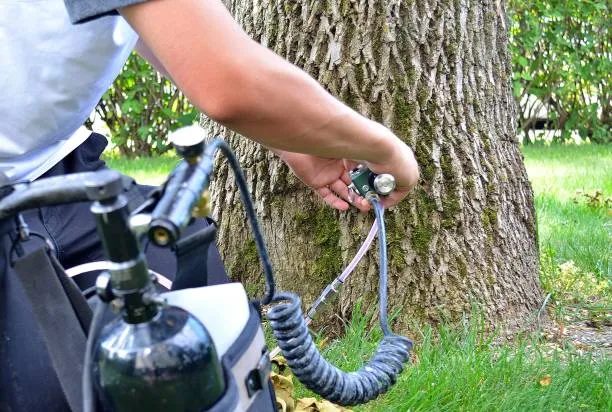
A qualified arborist will conduct a detailed assessment to diagnose the problem accurately. Their process typically includes:
- Visual inspection of canopy, trunk, and roots
- Soil condition analysis
- Pest and disease identification
- Structural stability evaluation
- Risk assessment for surrounding property
Based on findings, they may recommend:
- Targeted pest control treatments
- Pruning of affected branches
- Soil improvement strategies
- Bracing or cabling for structural support
- In severe cases, safe tree removal
Why Early Intervention Matters
Delaying action can significantly increase the risk of:
- Permanent tree decline
- Spread of disease to nearby trees
- Costly removal or emergency services
- Safety hazards from falling branches
In urban environments like Melbourne, where trees are often close to homes, roads, and power lines, early intervention is especially important for public safety.
Preventing Golden Elm Problems Before They Start
Prevention is always more effective than treatment. Here are expert-approved care strategies:
1. Regular Pruning
Prune dead or weak branches to improve airflow and reduce disease risk.
2. Proper Watering
Avoid both drought stress and overwatering. Deep, infrequent watering is ideal.
3. Soil Health Management
- Use mulch to retain moisture
- Improve drainage where needed
- Add organic matter for nutrients
4. Pest Monitoring
Check leaves regularly during warmer months for signs of elm leaf beetles.
5. Annual Tree Health Check
A yearly inspection by a tree specialist can identify early-stage issues before they escalate.
Long-Term Care for Healthy Golden Elms
Healthy Golden Elms require consistent care and environmental balance. Key long-term practices include:
- Avoiding soil compaction around roots
- Protecting trees from mechanical damage
- Maintaining balanced fertilisation schedules
- Monitoring seasonal changes in leaf colour and density
With proper maintenance, Golden Elms can live for decades and remain a striking feature in any landscape.
Final Thoughts
Golden Elms are beautiful, resilient trees, but they are not invincible. Pests, fungal diseases, and environmental stress can quickly escalate if left unchecked. Understanding when to call a tree specialist for Golden Elm problems is essential for preserving both the health and safety of your landscape.
If you notice early warning signs—such as defoliation, dieback, fungal growth, or structural instability—don’t delay professional help. Prompt action can restore tree health, prevent hazards, and extend the life of your Golden Elm for years to come.
FAQs
1. How do I know if my Golden Elm is dying?
Signs include severe leaf loss, brittle branches, trunk decay, and lack of new growth during the growing season.
2. Can elm leaf beetles kill a Golden Elm?
Yes, repeated infestations can weaken the tree significantly and make it vulnerable to other diseases.
3. Is fungal infection in Golden Elms treatable?
Many fungal issues can be managed if detected early through pruning, treatment, and soil improvement.
4. How often should I inspect my Golden Elm?
At least once per season, and more frequently during pest-prone months.
5. Should I remove a diseased Golden Elm immediately?
Not always. A tree specialist can determine whether treatment or removal is the safest option.






























Sign in to leave a comment.