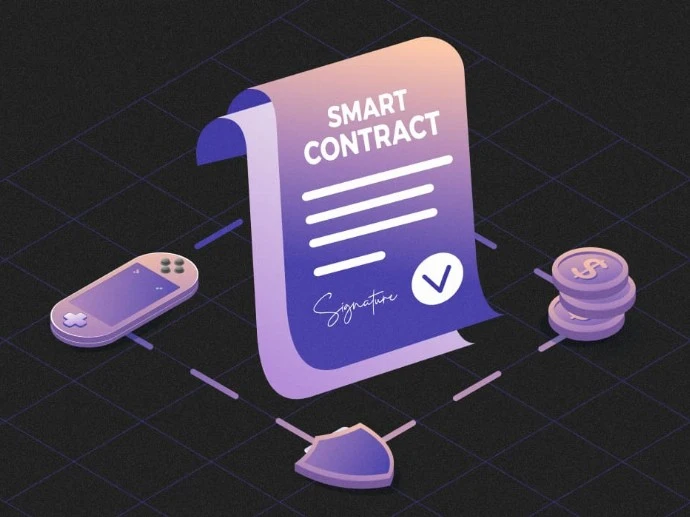

Forget middlemen, smart contracts are here! These blockchain-based agreements automate deals, enforcing terms without human intervention. Like a vending machine for agreements, they bring security and transparency to everything from finance to art. Let's explore where smart contracts are used today and how they might revolutionize the future.
Established Use Cases of Smart Contracts
Smart contracts have graduated from intriguing concept to powerful tool across various industries. Here are some of the most well-established applications:
Decentralized Finance (DeFi): Imagine a financial system without banks! DeFi platforms leverage smart contracts to create a world of peer-to-peer lending, borrowing, and automated trading. Borrowers can access loans without credit checks, while lenders can earn interest on their holdings. Smart contracts automate the entire process, ensuring secure and transparent transactions.
Supply Chain Management: Goodbye, paper trails! Smart contracts streamline supply chains by tracking the movement of goods and materials in real-time. Imagine sensors embedded in products that update a smart contract when a shipment reaches a new location. This not only improves efficiency but also ensures product authenticity and automates payments upon delivery.
Non-Fungible Tokens (NFTs): The art world is getting a digital makeover! Smart contracts are the backbone of NFTs, the unique digital assets that represent ownership of everything from artwork to collectibles. These contracts not only manage ownership transfers but can also encode royalty structures for creators, ensuring they get a cut every time their work is resold. Additionally, smart contracts enable fractional ownership of NFTs, allowing multiple people to co-own a digital asset.
Emerging Applications of Smart ContractsSmart contracts are pushing the boundaries beyond their established uses. Here's a glimpse into some exciting, emerging applications:
Prediction Markets: Want to put your money where your mouth is (or your prediction)? Prediction markets powered by smart contracts allow users to wager on real-world events, from election outcomes to stock prices. These wagers are automatically settled based on verifiable data feeds, potentially revolutionizing how we forecast and even hedge against future uncertainties. They could even pave the way for decentralized insurance solutions.
Identity Management: Tired of juggling passwords and battling identity theft? Smart contracts hold immense potential for secure and self-sovereign identity (SSI) systems. Imagine storing your personal information on a blockchain, accessible only with your private key. Smart contracts could then manage access to this information, allowing you to securely share verified details with institutions or individuals without relying on centralized databases.
Voting Systems: Ensuring fair and transparent elections is crucial. Smart contracts offer a glimmer of hope by potentially increasing the security and immutability of ballots. Imagine a system where votes are cast and recorded on a blockchain, eliminating the risk of tampering or manipulation. While challenges like voter anonymity still need to be addressed, smart contracts could usher in a new era of trust and efficiency in voting processes.
>>> Also read: 14 Smart Contracts Use Cases & Real Examples Across Industries
The Future Potential of Smart Contracts: A Glimpse Beyond
Smart contracts are far from reaching their full potential. Here's a peek into the exciting possibilities that lie ahead:
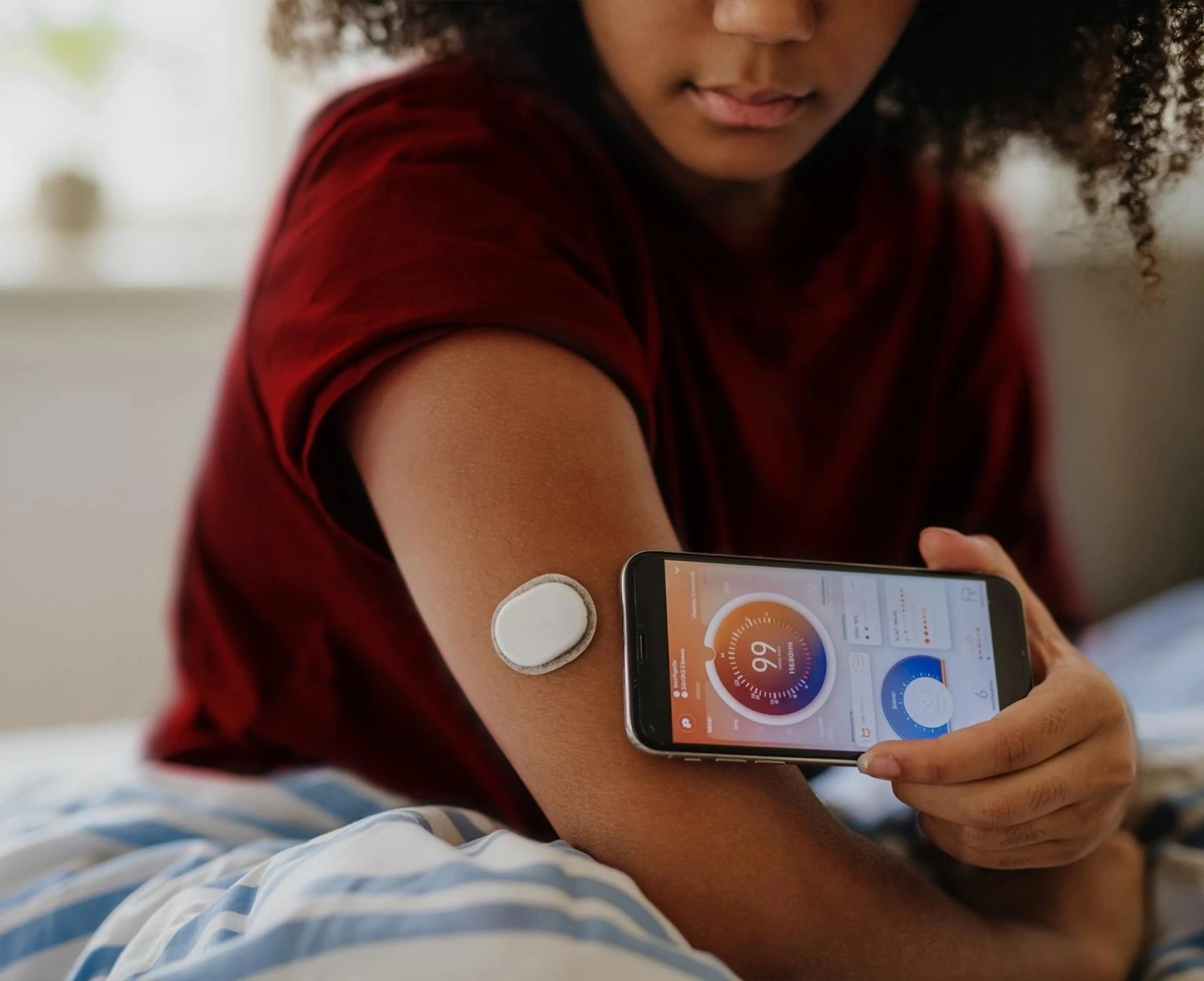
Industry Transformation: The impact of smart contracts will likely extend far beyond current use cases. Imagine a world where healthcare data is securely managed on blockchains using smart contracts, streamlining medical record sharing and automating insurance claims processing. The energy sector could also benefit, with smart contracts facilitating peer-to-peer energy trading and optimizing grid management. Even the ticketing industry could be revolutionized, with smart contracts eliminating ticket scalping and ensuring authenticity.
Beyond Blockchains: While currently reliant on blockchain technology, smart contracts might evolve to function on other secure and distributed computing platforms. This could broaden their reach and applicability to a wider range of industries and applications.
Addressing Challenges: It's important to acknowledge the limitations of smart contracts. Scalability, security vulnerabilities in underlying code, and the need for user-friendly interfaces are some of the hurdles that need to be addressed.
Despite these challenges, the future of smart contracts is brimming with potential. As technology evolves and these hurdles are overcome, smart contracts have the power to fundamentally reshape how we conduct agreements, manage data, and interact with the world around us. They offer a future of trust, transparency, and automation, paving the way for a more secure and efficient digital landscape.

























Sign in to leave a comment.