

In recent years, cryptocurrency has evolved from a niche digital experiment into a mainstream financial and technological force. What began with Bitcoin as a decentralized alternative to traditional currency has expanded into a global ecosystem of digital assets, blockchain platforms, and decentralized applications. As the crypto landscape matures, a growing number of businesses across industries—finance, retail, technology, logistics, gaming, and even healthcare—are investing in cryptocurrency development. Their motivations go far beyond simple speculation; they are driven by strategic, operational, and competitive advantages that these digital assets and blockchain technologies can offer.
One of the primary reasons businesses are investing in cryptocurrency development is the efficiency and transparency of blockchain technology. Traditional financial systems involve intermediaries such as banks, payment processors, or clearinghouses. These add time, cost, and administrative burden to transactions. Cryptocurrencies enable near-instant peer-to-peer transactions across borders with reduced fees and fewer intermediaries. For global enterprises, this means smoother cross-border payments, improved cash flow management, and more efficient international operations. Additionally, because blockchain records are immutable and transparent, companies gain better auditability and reduced risk of fraud.
Another major driver is the increasing consumer demand for digital payments. Younger generations—Millennials and Gen Z—are more likely to invest in or transact with cryptocurrencies. Businesses that adopt crypto payment options can attract tech-savvy customers, differentiate themselves from competitors, and expand into global markets where access to traditional banking is limited. Accepting cryptocurrencies also aligns brands with innovation, helping them appeal to modern, digitally oriented audiences.
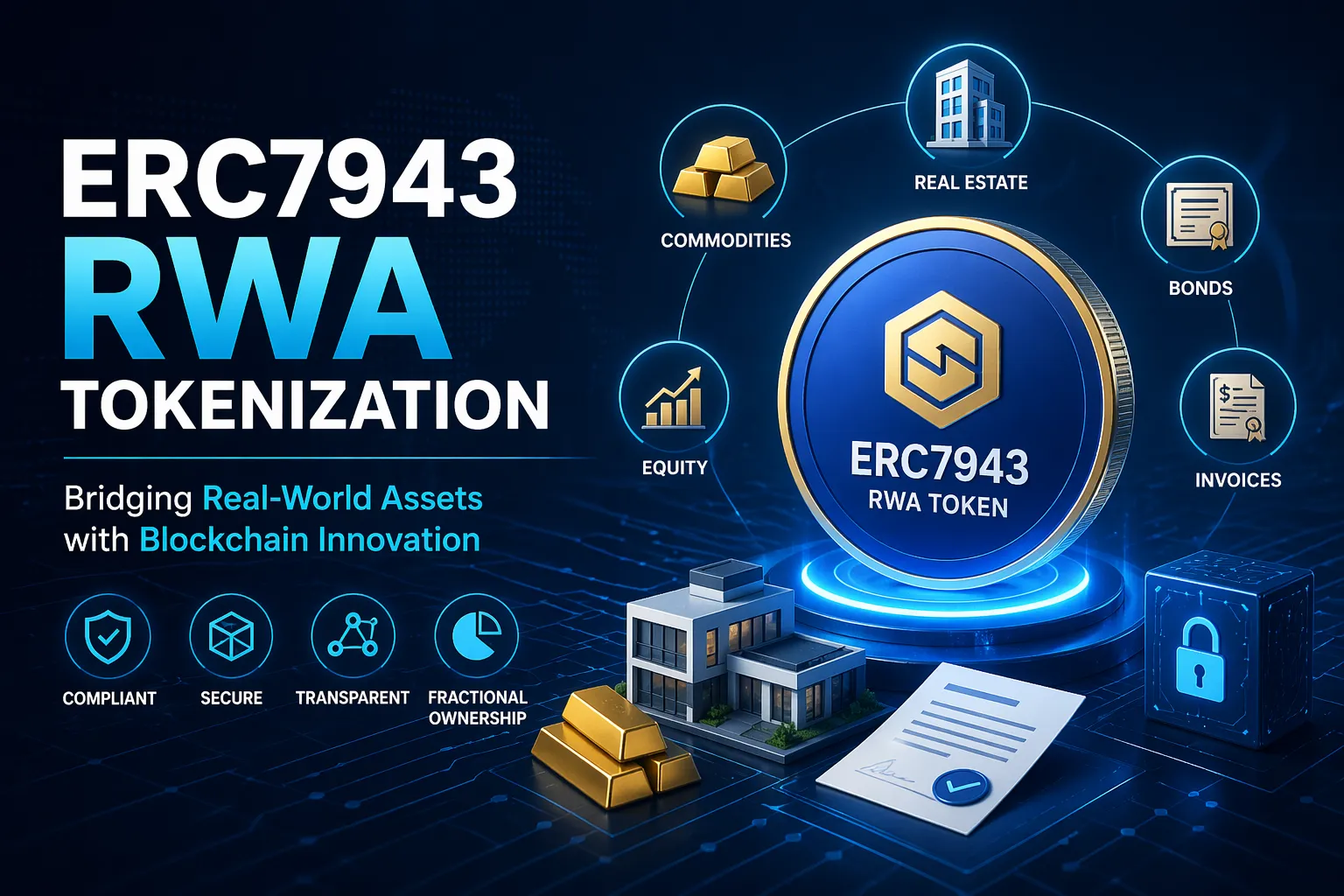
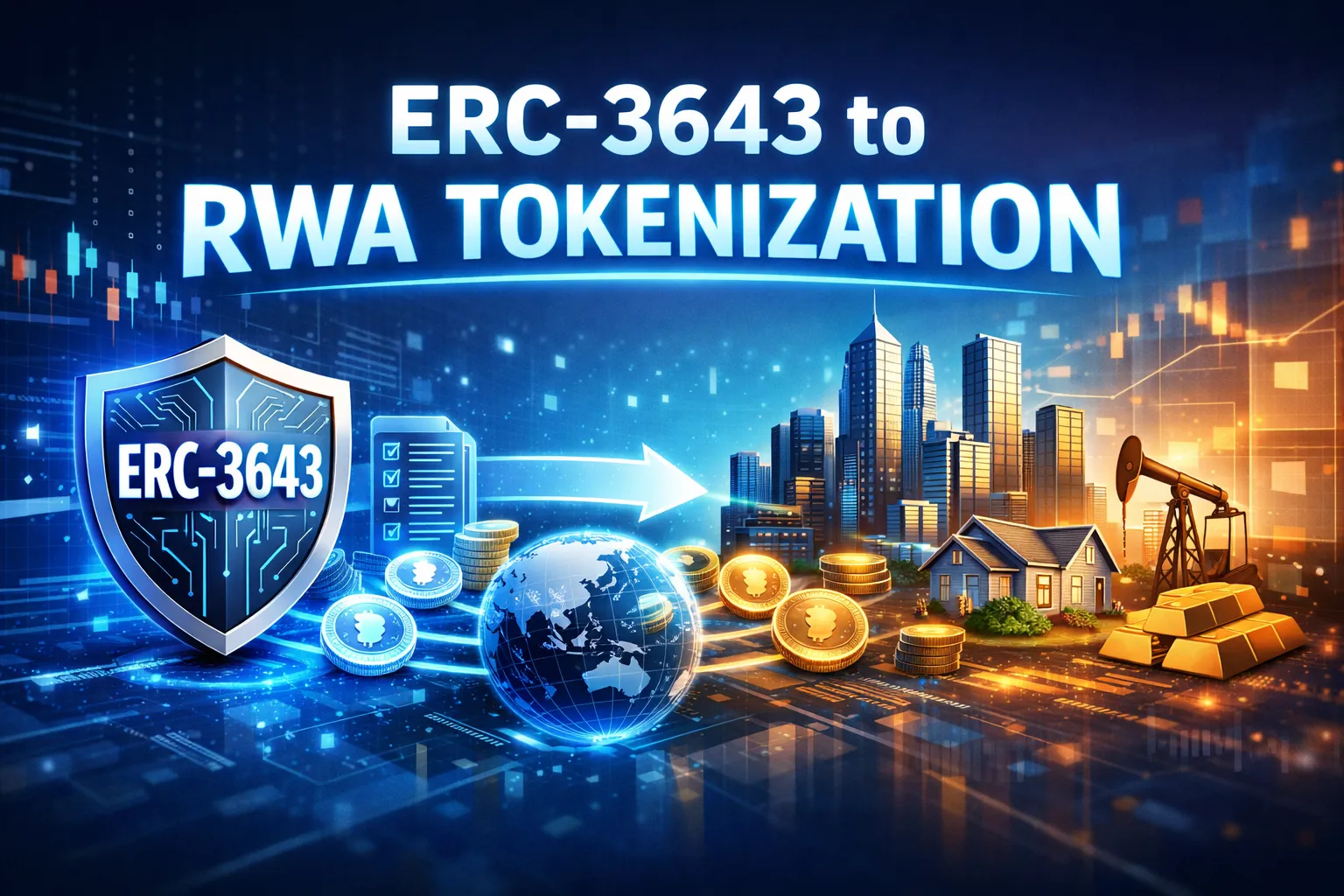
Businesses are also seeking to capitalize on the emergence of new revenue models fueled by blockchain. The rise of decentralized finance (DeFi) has demonstrated how blockchain can support lending, staking, yield farming, and trading without centralized authorities. Companies are exploring their own tokens, digital assets, loyalty programs, and decentralized applications to create fresh monetization opportunities. Tokenization allows businesses to digitize physical or intangible assets—real estate, art, intellectual property, or even supply chain components—unlocking liquidity and enabling fractional ownership models that were once impractical.
Security is another key motivator. In an era of rising cyber threats, data breaches, and financial fraud, blockchain offers a secure alternative for storing sensitive information and conducting transactions. Its decentralized nature reduces single points of failure, while cryptographic mechanisms ensure data integrity. Industries such as healthcare, logistics, and finance are particularly drawn to blockchain for safeguarding patient data, product tracking, and transaction security.
In addition, businesses recognize cryptocurrency development as a way to future-proof their operations. Governments and financial institutions worldwide are exploring central bank digital currencies (CBDCs), blockchain regulations are evolving, and major corporations are integrating crypto strategies. Companies that invest early gain a competitive edge and position themselves to adapt to regulatory, technological, and economic changes. Early adoption allows businesses to build internal expertise, experiment with use cases, and create a foundation for long-term digital transformation.
Cryptocurrency development also encourages decentralization and democratization, reshaping traditional business models. Decentralized autonomous organizations (DAOs), for example, enable governance structures where stakeholders participate in decision-making through token-based voting. Forward-thinking businesses view these decentralized systems as opportunities to enhance transparency, strengthen stakeholder engagement, and build global communities around their products and services.
Finally, as investment interest grows, cryptocurrency development becomes a strategic move for portfolio diversification and financial innovation. Holding crypto assets, building blockchain solutions, or launching tokens allows businesses to diversify revenue streams and hedge against economic volatility.
As digital economies continue to expand, cryptocurrencies and blockchain technologies are reshaping how businesses operate, innovate, and compete. From faster transactions and enhanced security to new revenue streams and global accessibility, the advantages of adopting crypto solutions are too significant for modern enterprises to ignore. However, building reliable, scalable, and compliant crypto products requires specialized expertise and strategic guidance.
By partnering with a professional cryptocurrency development company, businesses can turn complex ideas into secure, high-performing digital solutions backed by industry-best practices. Expert developers provide end-to-end support—from consultation and design to deployment and long-term maintenance—ensuring your crypto initiatives are future-ready and aligned with market demands. Whether you're exploring token development, crypto wallets, blockchain integration, or decentralized applications, teaming up with a skilled development partner enables you to innovate with confidence and unlock the full potential of the growing crypto ecosystem.


























Sign in to leave a comment.