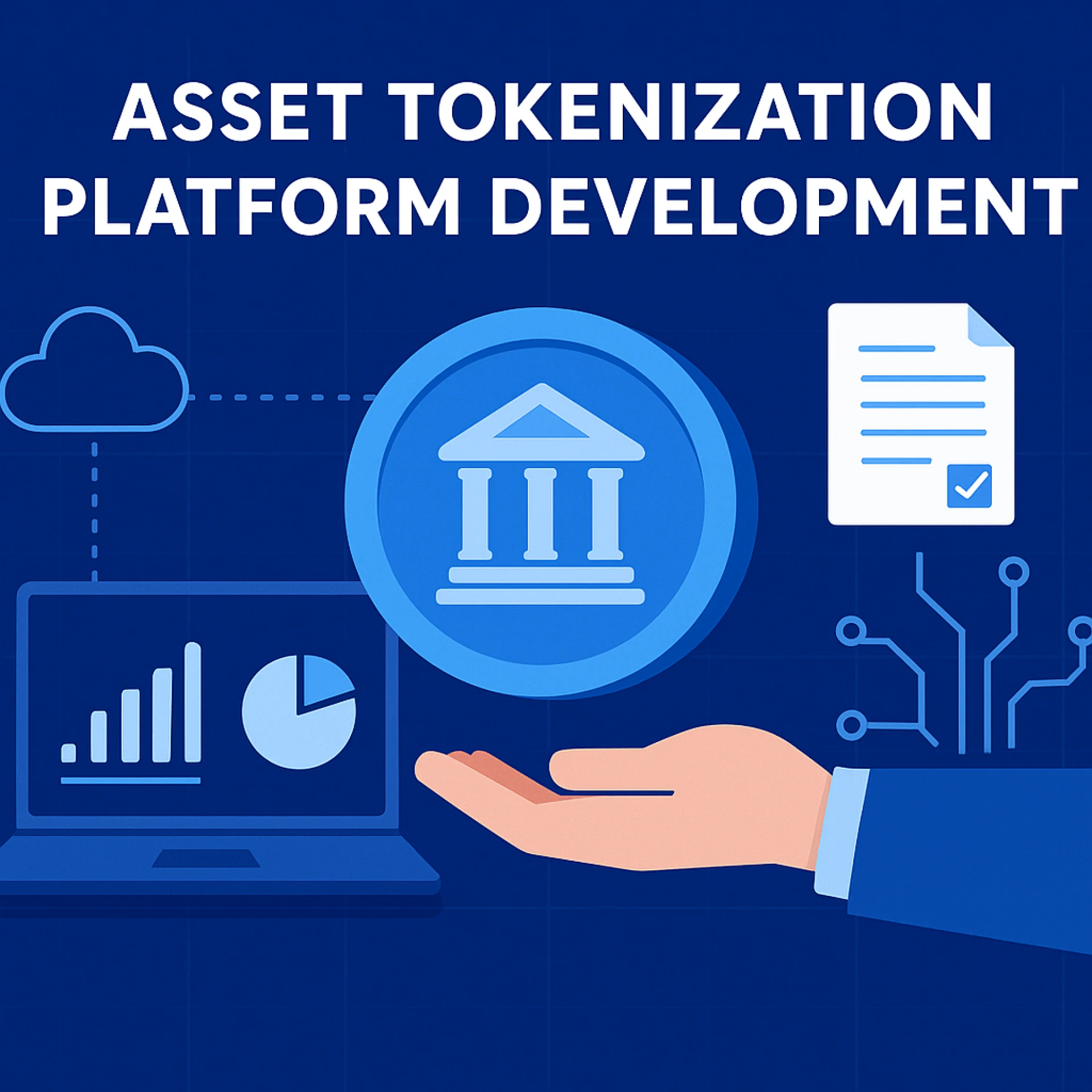

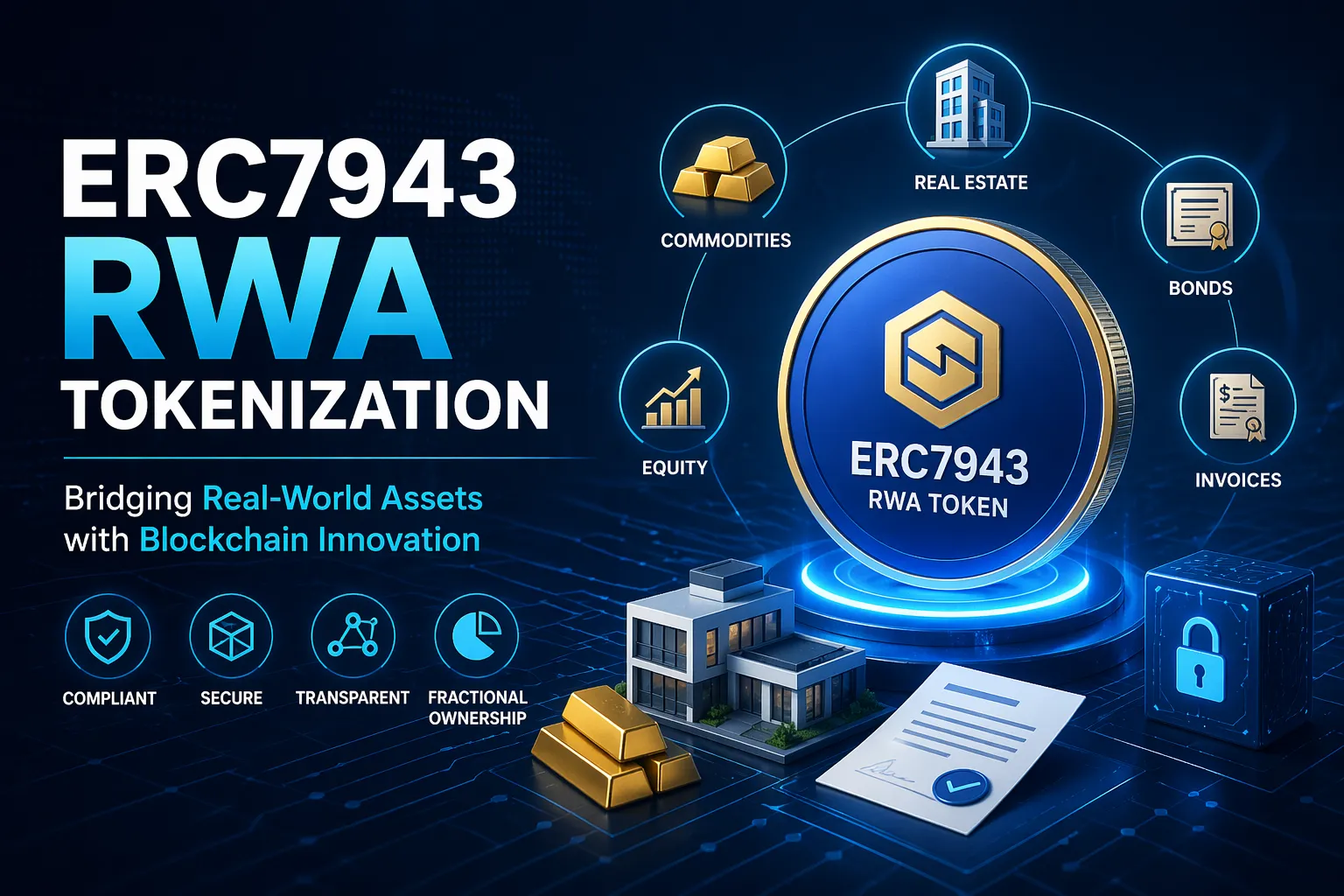
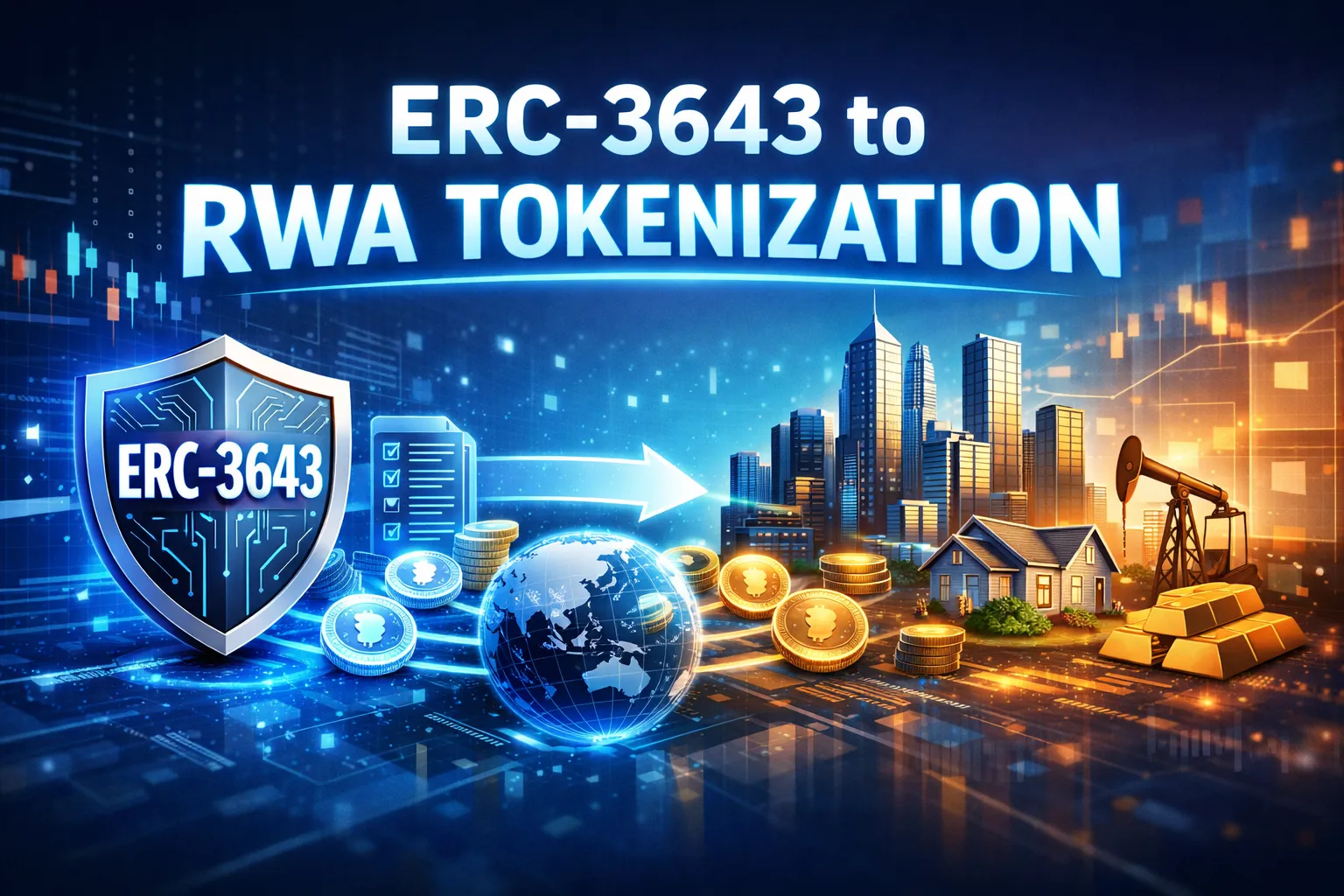
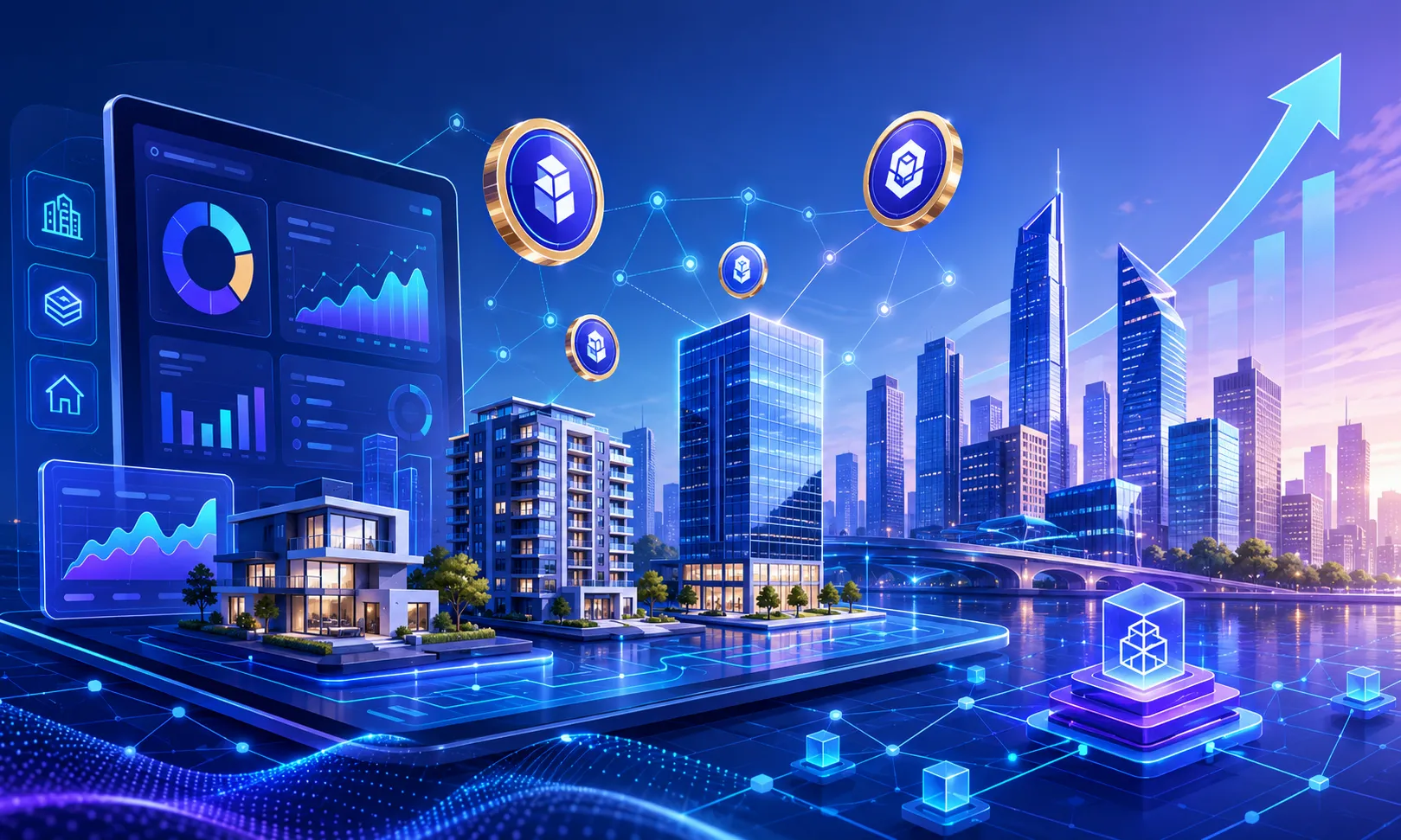
The digital transformation of finance has been accelerating at an unprecedented pace, and one of the most intriguing developments in this space is the rise of Real-World Assets (RWAs) on blockchain networks. RWAs represent tangible assets from the physical world—such as real estate, commodities, invoices, or even fine art—that are tokenized and brought on-chain, allowing them to be traded, financed, or leveraged in decentralized finance (DeFi) ecosystems. This bridging of traditional assets with blockchain technology is reshaping the financial landscape by unlocking liquidity, transparency, and accessibility in ways previously unimaginable.
Traditionally, assets like real estate or corporate debt have been highly illiquid, tied up in complex legal structures, and difficult to transfer quickly. Tokenization changes this by converting ownership rights into digital tokens that can be stored, transferred, and traded on blockchain networks. For example, a commercial property can be divided into thousands of tokens, each representing a fraction of the asset. Investors can buy or sell these tokens instantly, without going through the lengthy processes of conventional property transactions. This democratization of access allows smaller investors to participate in markets that were once the domain of institutional players.
Moreover, bringing RWAs on-chain significantly enhances transparency. Blockchain’s immutable ledger ensures that every transaction is recorded and verifiable, reducing fraud and creating a clear audit trail. In traditional finance, tracking ownership and verifying asset-backed claims often requires extensive paperwork and intermediaries, which adds time and cost. On-chain RWAs eliminate much of this friction, streamlining due diligence and fostering trust among participants. This is especially valuable in sectors like supply chain finance or trade finance, where verifying asset provenance and ownership is critical.
Liquidity is another major advantage. Many RWAs, particularly real estate or illiquid debt instruments, are not easily tradable. Tokenization enables fractional ownership, allowing these assets to be bought or sold in smaller increments. This fractionalization, combined with DeFi protocols such as lending, borrowing, and staking, creates an ecosystem where capital can flow more freely. Investors can access diverse portfolios and deploy capital more efficiently, while asset owners gain alternative avenues to unlock liquidity without selling entire holdings. This has profound implications for both personal and institutional investment strategies.
The rise of RWAs also opens up new opportunities for innovation in financial products. Decentralized lending platforms, for example, a real-world asset token can be used as collateral, enabling borrowers to access liquidity without relying solely on cryptocurrency holdings. Insurance and derivatives markets can similarly leverage RWAs to create novel instruments that mirror traditional finance products but operate with greater efficiency and accessibility on-chain. By bridging the gap between DeFi and traditional finance, RWAs are accelerating the convergence of these two worlds, paving the way for a more inclusive global financial system.
However, the integration of RWAs into blockchain networks is not without challenges. Legal frameworks and regulatory compliance remain complex, as tokenized assets must adhere to jurisdiction-specific laws governing ownership, securities, and taxation. Custody and asset verification are also critical concerns, requiring robust mechanisms to ensure that the on-chain tokens accurately represent the underlying assets. Despite these hurdles, the momentum behind RWAs is undeniable, with multiple projects and protocols already demonstrating the viability and advantages of this approach.
In conclusion, the rise of RWAs marks a pivotal shift in the evolution of finance. By bringing real-world assets on-chain, tokenization enables greater liquidity, transparency, and access, transforming how individuals and institutions interact with physical assets. As technology matures and regulatory clarity improves, RWAs have the potential to redefine investment, lending, and trading practices, creating a more interconnected and efficient financial ecosystem. This convergence of the real and digital worlds is not just a technological innovation—it is a fundamental reimagining of how value is represented, exchanged, and unlocked in the 21st century.






















Sign in to leave a comment.