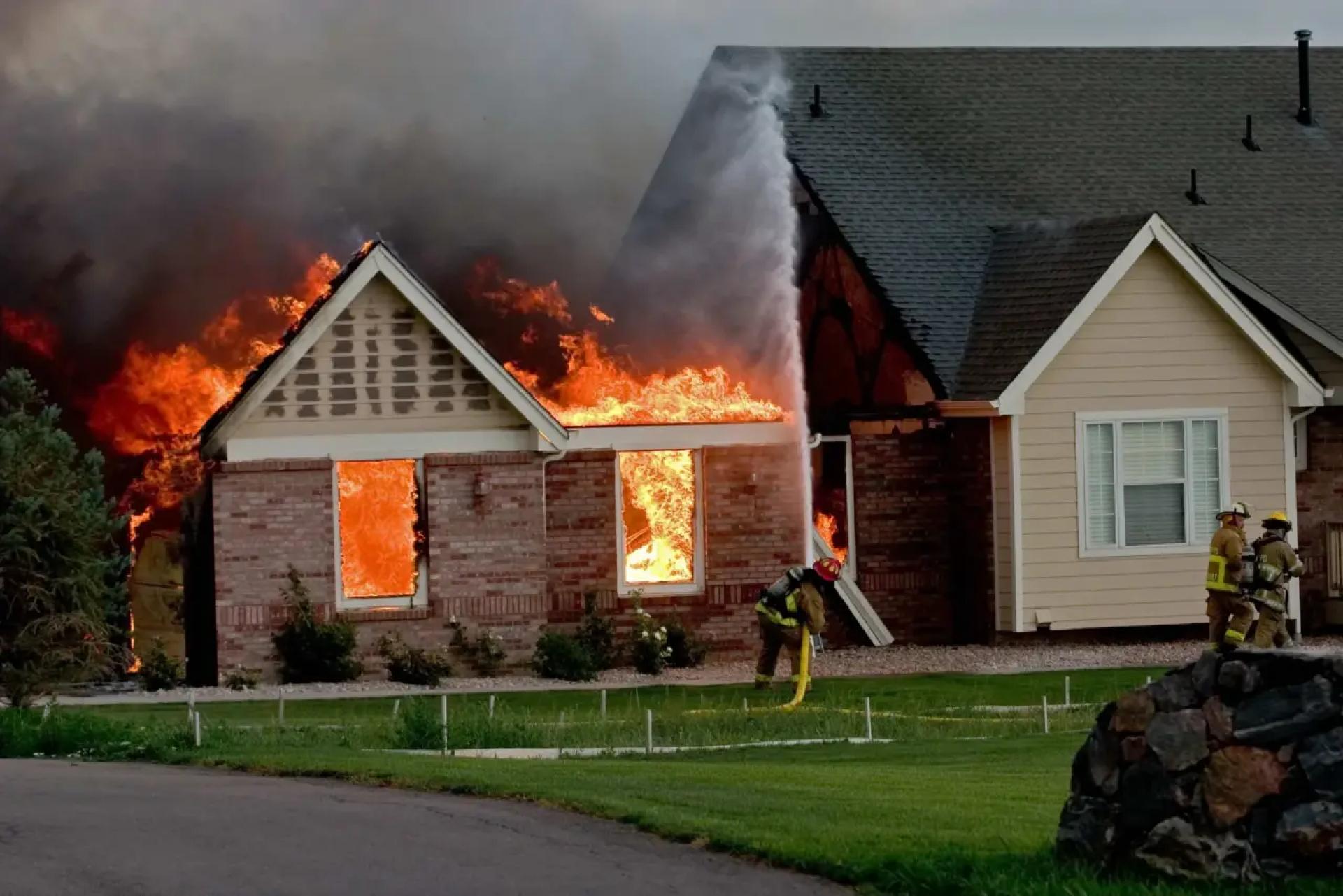
Fire mitigation is the immediate process of securing a property, stabilizing the structure, and stopping the chemical reactions caused by combustion. For homeowners in Aloha, Oregon, this service is the primary safeguard against the long-term deterioration of their property. While the extinguishing of the flames marks the end of the emergency, it marks the beginning of a critical window where acidic soot, smoke residue, and water from fire hoses begin to destroy building materials. Without professional intervention within the first 24 to 48 hours, these elements can cause permanent structural weakness and severe indoor air quality issues.
The necessity of mitigation stems from the complex chemistry of a modern house fire. Synthetic materials like plastics, carpets, and furniture create toxic, acidic smoke when burned. This residue settles on every surface, from nail heads in the attic to the copper wiring in the walls. In the humid climate of the Pacific Northwest, moisture in the air reacts with this acid, accelerating corrosion and decay. Fire mitigation professionals in Aloha, OR effectively stop this "second wave" of damage by neutralizing acids, drying out the structure, and sealing the property against the elements.
The Corrosive Nature of Soot and Smoke
Smoke is not just a visual stain; it is a chemical agent. Different types of fires produce different types of smoke, but most residential fires involving synthetic materials produce "wet smoke." This residue is sticky, smeary, and highly acidic. When it lands on metal surfaces,such as door handles, appliances, and plumbing fixtures,it begins to pit and corrode the metal within minutes.
In Aloha, where atmospheric humidity is naturally high, this corrosion process happens faster than in drier climates. Mitigation teams apply specialized alkaline cleaning agents to neutralize the acid on contact. This step preserves the integrity of expensive household components. If left untreated for even a few days, the pitting becomes irreversible, forcing the homeowner to replace items that could have been saved.

Water Damage: The Unintended Consequence
To save a home from fire, firefighters must flood it with water. It is not uncommon for a structure to be soaked with thousands of gallons of water during suppression efforts. Once the fire is out, this water sits in the subfloors, wicks up the drywall, and saturates the insulation.
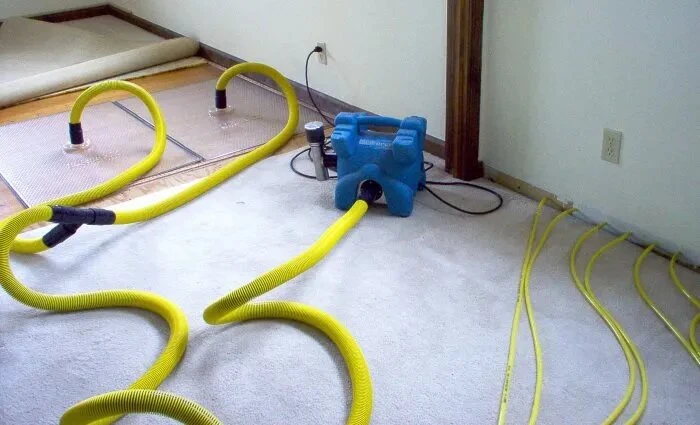
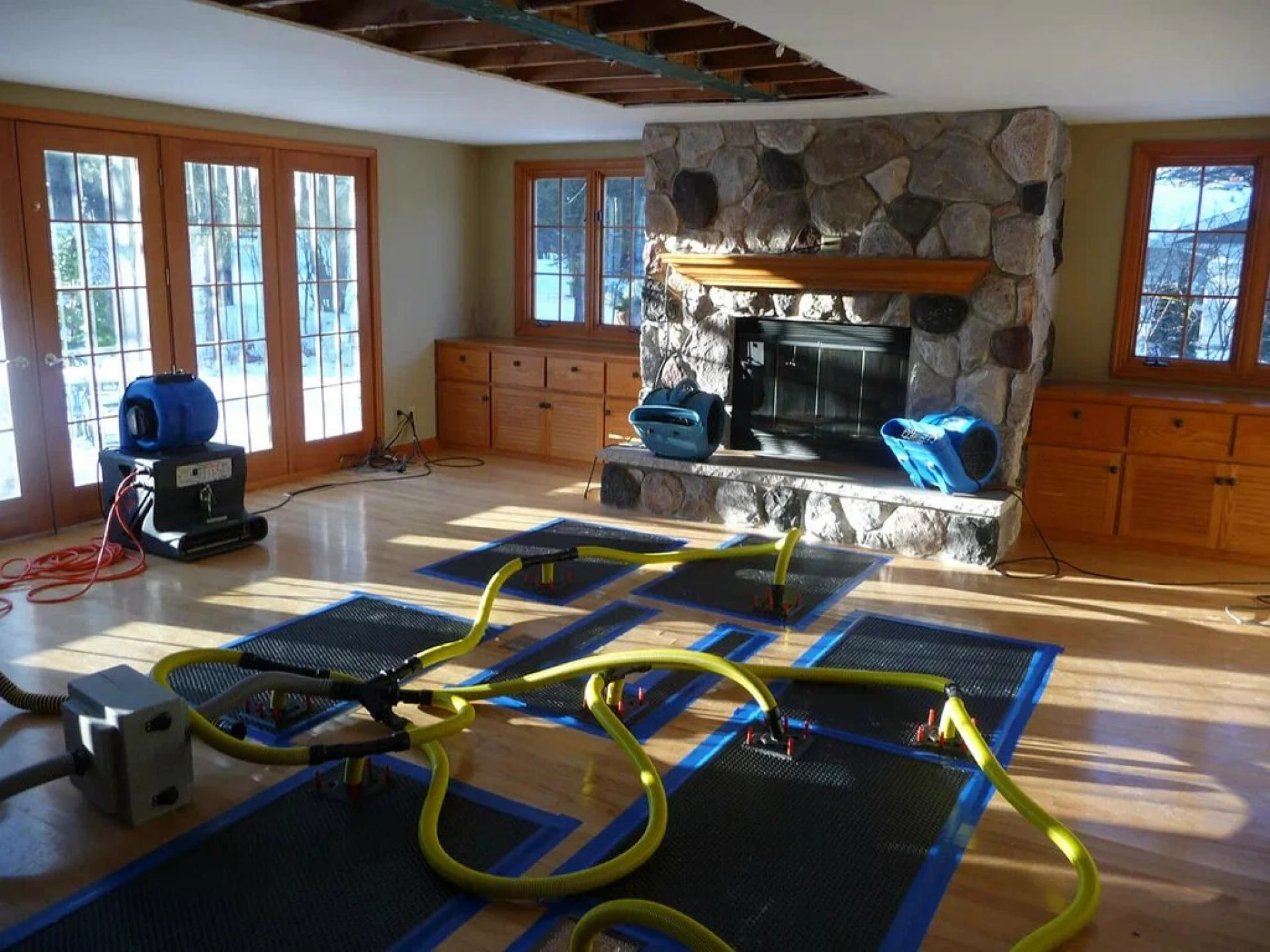
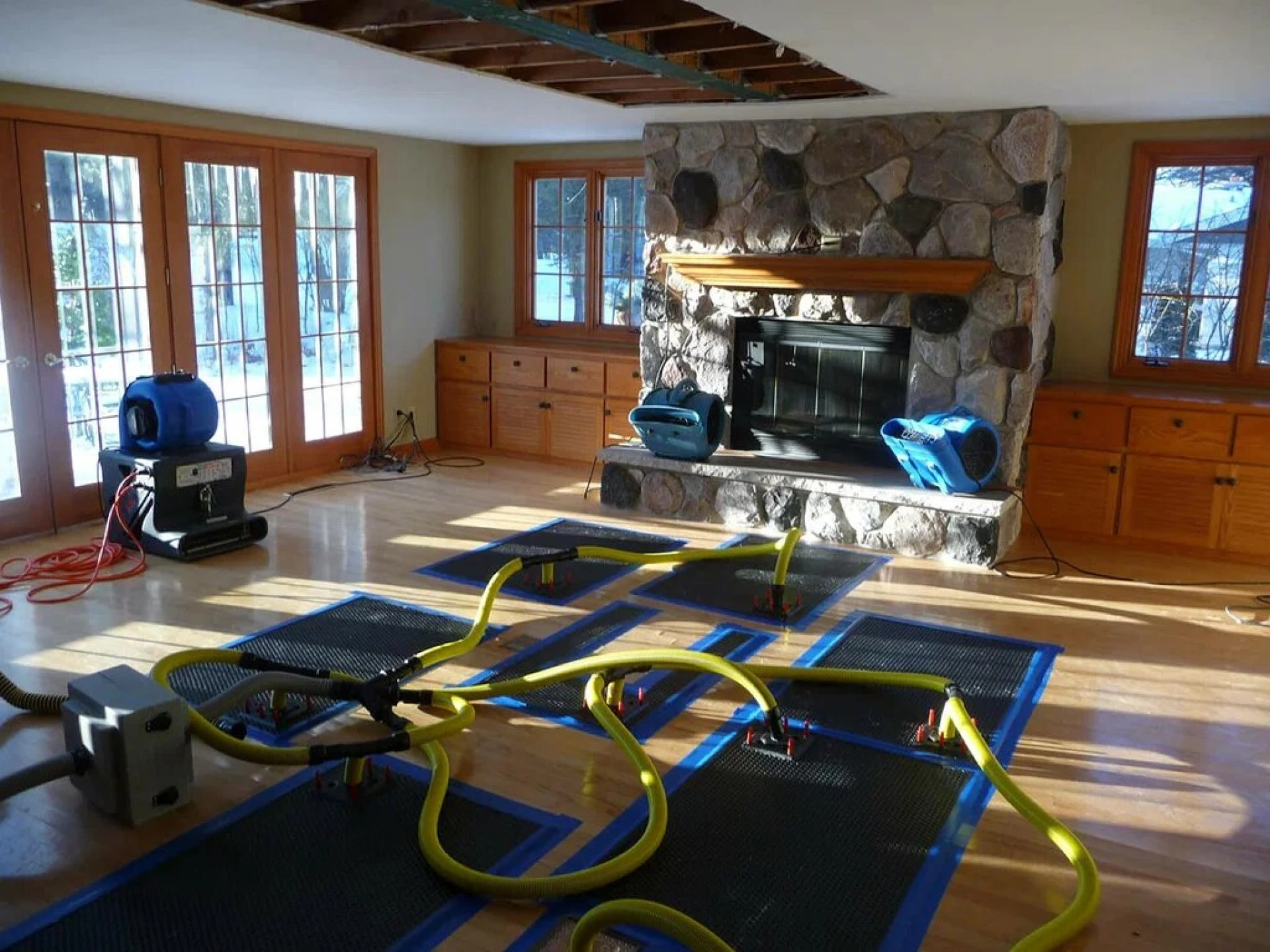
In Washington County, leaving a home wet is dangerous. The cool, damp environment creates an ideal incubator for mold growth. Fire mitigation services include immediate water extraction and structural drying. Technicians use industrial dehumidifiers to pull moisture from the building materials before microbial growth can take hold. Addressing the water damage is just as important as addressing the fire damage, as mold can compromise the respiratory health of the occupants long after the soot is gone.
Timeline of Fire Damage Without Mitigation
| Timeframe | Damage Progression | Restoration Outcome |
|---|---|---|
| Minutes | Soot settles; plastics discolor | Cleaning is highly effective |
| Hours | Acid causes metal to rust/pit; grout stains | Restoration possible; some refinishing needed |
| Days | Wood swells; painted walls yellow; metal corrodes | Replacement often required; costs rise |
| Weeks | Mold growth begins; synthetic fibers dissolve | Intensive remediation; structural gutting likely |
| Months | Structural integrity fails; deep odor permeation | Total loss or major reconstruction |
Protecting Indoor Air Quality
Long-term safety relies heavily on the quality of the air inside the home. Smoke particles are microscopic and can penetrate deep into the HVAC system, ductwork, and wall cavities. If these particles are not removed, they continue to off-gas toxic compounds for months or years. This is particularly dangerous for residents with asthma, allergies, or compromised immune systems.
Mitigation experts do not just wipe down surfaces; they clean the air. They employ HEPA (High-Efficiency Particulate Air) scrubbers to capture airborne particulates. They also use thermal fogging technology to neutralize odor molecules trapped in porous materials. This ensures that the home does not just look clean, but is chemically safe to inhabit.
Bonus Tip: Do not turn on your heating or cooling system after a fire until it has been inspected. Running the HVAC can spread soot and toxic particles into unaffected rooms, contaminating the entire house.
Structural Integrity and Safety Assessments
Heat impacts the structural components of a house in ways that are not always visible. High temperatures can cause wood framing to dehydrate and crack, while concrete foundations can suffer from thermal shock. A charred beam might look stable but could have lost its load-bearing capacity.
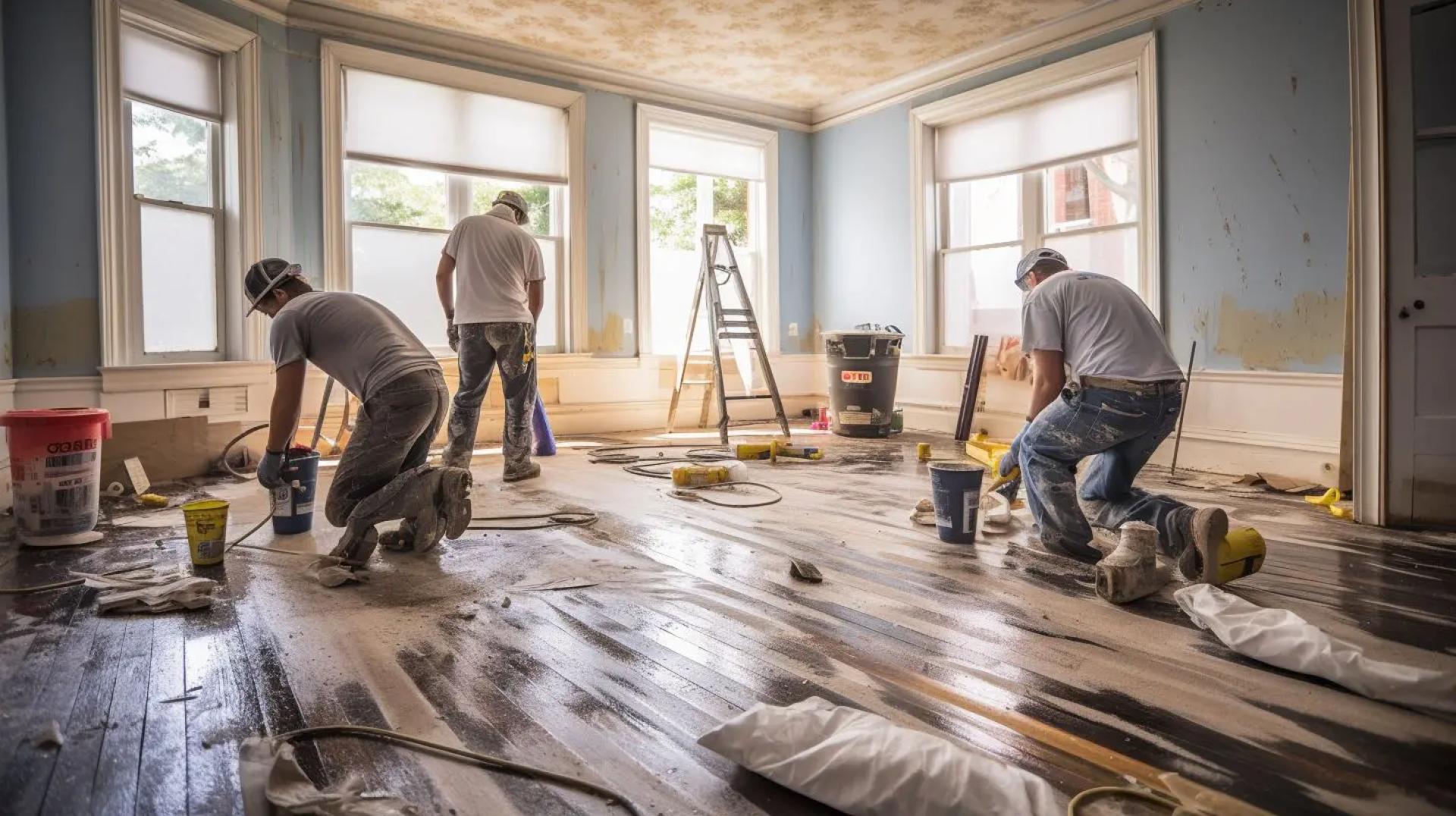
Restoration professionals conduct thorough safety assessments before any cosmetic work begins. They identify compromised supports and roof trusses. In Aloha’s older housing stock, where timber framing is common, this assessment ensures that the "bones" of the house are safe. Covering up heat-damaged structural elements with new drywall creates a hidden safety hazard that could lead to collapse or failure in the future.
Market Data:
- Insurance industry statistics show that restoration claims filed within 24 hours of a fire result in 20% lower overall costs compared to claims filed after 48 hours, largely due to the prevention of secondary damage.
- Reports indicate that smoke damage causes more permanent loss to electronics than fire heat, as the acidic residue shorts out circuits inside the devices.
Regional Weather Challenges in Aloha
The Pacific Northwest climate adds a layer of urgency to fire mitigation. A fire often breaches the roof or breaks windows, exposing the interior to the weather. In Aloha, where rain is frequent, a compromised building envelope can lead to massive secondary water damage within hours.
Mitigation teams perform emergency board-up and tarping services. They secure the property against rain, wind, and theft. This physical barrier is essential for protecting the remaining assets inside the home. A secure, weather-tight shell allows the drying and cleaning process to proceed regardless of the forecast.
Things to Consider Before Making a Decision
Choosing the right team to handle fire mitigation impacts the future value of the property.
- Integrated Services: Look for a company that handles both water and fire damage. Since they almost always occur together, having one team manage both ensures nothing is missed.
- Local Response: A local provider in Washington County will arrive faster than a national franchise dispatching from Portland or Vancouver. Speed is the primary factor in saving materials.
- Certification: Ensure the technicians hold certifications from the IICRC (Institute of Inspection, Cleaning and Restoration Certification). Fire restoration requires specific chemical knowledge that general contractors do not possess.
Bonus Tip: Take photos of the damage as soon as it is safe to do so. Having your own record of the scene before mitigation begins helps streamline the insurance claim process.
Questions People Ask About Fire Mitigation
Is it safe to stay in my house after a small fire?
Even small fires release toxic particles and invisible gases. It is generally safer to relocate until a professional assessment confirms the air quality is safe. Soot particles are respiratory irritants that can cause health issues even if the fire was contained to one room.
Can I clean the soot myself?
It is strongly advised against cleaning soot yourself. Standard household cleaners often contain water, which can smear the soot and drive the stains deeper into the wall texture. Professional chemical sponges and alkaline cleaners are required to remove acidic residue without causing permanent damage.
Will the smell of smoke ever go away?
Yes, but only with professional treatment. Smoke odor penetrates porous materials like wood and drywall. Masking agents (like air fresheners) only work temporarily. Mitigation teams use ozone generators or hydroxyl machines to chemically alter the odor molecules, eliminating the smell permanently.
What happens to my electronics?
Electronics are highly sensitive to smoke damage. The acidity in the soot can corrode the copper circuits inside TVs and computers, causing them to overheat or fail. Mitigation teams can often salvage these items if they are removed and professionally cleaned immediately.
Does homeowners insurance cover fire mitigation?
Yes, most standard policies cover fire mitigation. In fact, most policies require the homeowner to take "reasonable steps" to prevent further damage, which includes hiring a mitigation team. The insurance carrier typically pays for the emergency services to protect the value of the home.
Summary
Fire mitigation is the bridge between disaster and recovery. For residents in Aloha, it is the essential step that halts corrosion, prevents mold, and ensures the structural safety of the home. By addressing the chemical and physical aftermath of a fire immediately, professional restoration teams protect the property from long-term degradation. This scientific approach preserves the home's value and ensures a safe, healthy environment for the family to return to.
Taking the Next Step
When fire strikes, the clock starts ticking on your property's safety. Prestige NW Restoration provides rapid, certified fire mitigation services tailored to the specific needs of Aloha and Washington County homes. Their team handles everything from emergency board-ups to advanced odor neutralization, ensuring your property is stabilized and protected. For immediate assistance or a safety assessment, contact the dispatch team at [email protected].
Author: Established on April 2, 2012, Prestige NW is led by owner Kelly Kerns, who brings extensive experience in restoration, construction, and customer service. Kelly supports both field operations and marketing, writing clear, practical content for homeowners while overseeing marketing strategy, partner communication, and brand direction. She combines industry expertise with focused messaging and reliable service.
Reviewer: Matthew Moore brings over 15 years of experience in residential renovation marketing. The review provided helped shape this content to better connect with homeowners seeking reliable, high-quality restoration and home improvement services.

















Sign in to leave a comment.