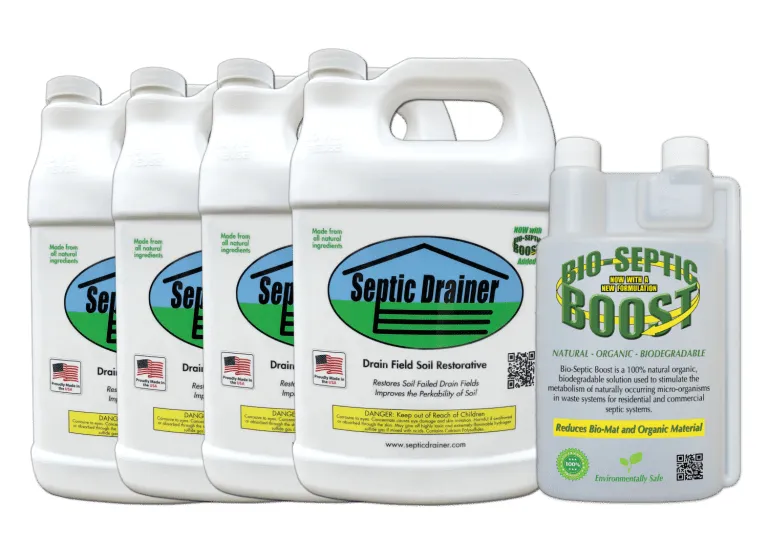

Many homeowners do not think about their septic system until problems start affecting daily life. Slow drains, standing water, unpleasant odors, and recurring backups usually appear only after the system has already been struggling underground for a long time.
What surprises many property owners is how quickly septic repairs can become expensive once the drain field begins failing. Traditional excavation and replacement projects may involve heavy equipment, landscaping damage, and major reconstruction costs.
Because of this, more homeowners are now exploring restoration-focused solutions before complete system failure occurs.
The Leach Field Is One of the Most Important Parts of the System
A septic system depends heavily on the performance of the leach field.
After wastewater leaves the septic tank, the drain field distributes and naturally filters it through the surrounding soil. When the soil becomes saturated or clogged, wastewater can no longer move properly through the system.
Common causes of leach field problems include:
- Organic buildup
- Excessive water usage
- Compacted soil
- Grease accumulation
- Tree root intrusion
- Aging septic infrastructure
Once these issues develop, the system may begin showing signs of stress throughout the property.
Many Septic Issues Start Slowly Underground
One of the biggest challenges with septic systems is that most damage happens beneath the surface, where homeowners cannot easily see it.
The system may continue operating while efficiency gradually declines. Many homeowners ignore early symptoms because they appear minor at first.
Common warning signs often include:
- Slow-draining sinks and tubs
- Wet areas in the yard
- Sewage odors outdoors
- Gurgling plumbing sounds
- Unusually green grass above the drain field
These symptoms often indicate that wastewater is no longer draining efficiently through the soil.
Why Full Replacement Is Not Always the First Option
In the past, severe septic issues often led directly to excavation and the complete replacement of the drain field. While some systems eventually require reconstruction, many homeowners now look for solutions that focus on restoring performance before reaching that stage.
Restoration-based approaches may help improve:
- Drainage efficiency
- Soil absorption
- Wastewater flow
- Organic breakdown inside the system
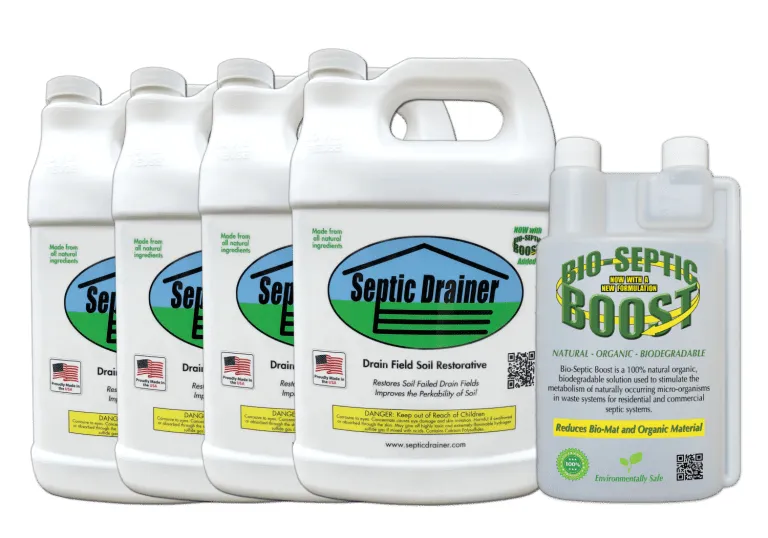
This growing interest has increased awareness of modern leach field repair product solutions designed to support septic system performance over time naturally.
For many homeowners, restoration methods offer a less disruptive alternative compared to large excavation projects.
Soil Health Plays a Bigger Role Than Most People Realize
Healthy soil is essential for proper septic function.
Leach fields rely on natural bacterial activity and soil filtration to safely process wastewater. When the soil becomes overloaded with organic material or compacted by heavy use, drainage efficiency decreases.
Poor soil conditions may eventually lead to:
- Standing water
- Wastewater backups
- Drainage slowdowns
- System overload
Maintaining healthy soil absorption is one reason preventive septic maintenance has become increasingly important for homeowners with aging systems.
Water Usage Habits Can Affect Long-Term Performance
Daily household habits strongly influence septic system health.
Excessive water entering the system too quickly can overload the drain field before wastewater has enough time to filter properly through the soil. Over time, this may increase saturation and reduce overall drainage performance.
Simple habits that may help support septic efficiency include:
- Fixing plumbing leaks quickly
- Spacing out laundry loads
- Conserving water during heavy use periods
- Avoiding grease disposal down drains
- Limiting harsh cleaning chemicals
These adjustments often reduce unnecessary stress on septic systems over the long term.
Homeowners Are Becoming More Proactive About Maintenance
Instead of waiting for total system failure, many property owners are now taking preventive measures to maintain septic systems.
Modern leach field products are increasingly used as part of long-term maintenance strategies to improve drainage performance and support natural bacterial activity within the system.
Preventive maintenance may help reduce the risk of:
- Major septic backups
- Emergency repair costs
- Drain field saturation
- Premature system failure
For homeowners with older septic systems, especially, early maintenance often becomes more affordable than waiting until severe damage develops underground.
Restoration Solutions Continue Gaining Popularity
As septic replacement costs continue to rise, restoration-focused products are increasingly discussed among homeowners seeking practical alternatives.
Many people now prefer exploring less invasive solutions first before committing to full excavation and reconstruction. While every septic system is different, early intervention often offers better opportunities to restore proper drainage performance.
The growing popularity of restoration-based septic care reflects a larger shift toward preventive property maintenance rather than reactive emergency repairs.
Conclusion
Septic system problems often begin quietly underground long before visible symptoms appear. As leach fields become saturated or clogged over time, drainage performance gradually declines, potentially leading to costly repairs.
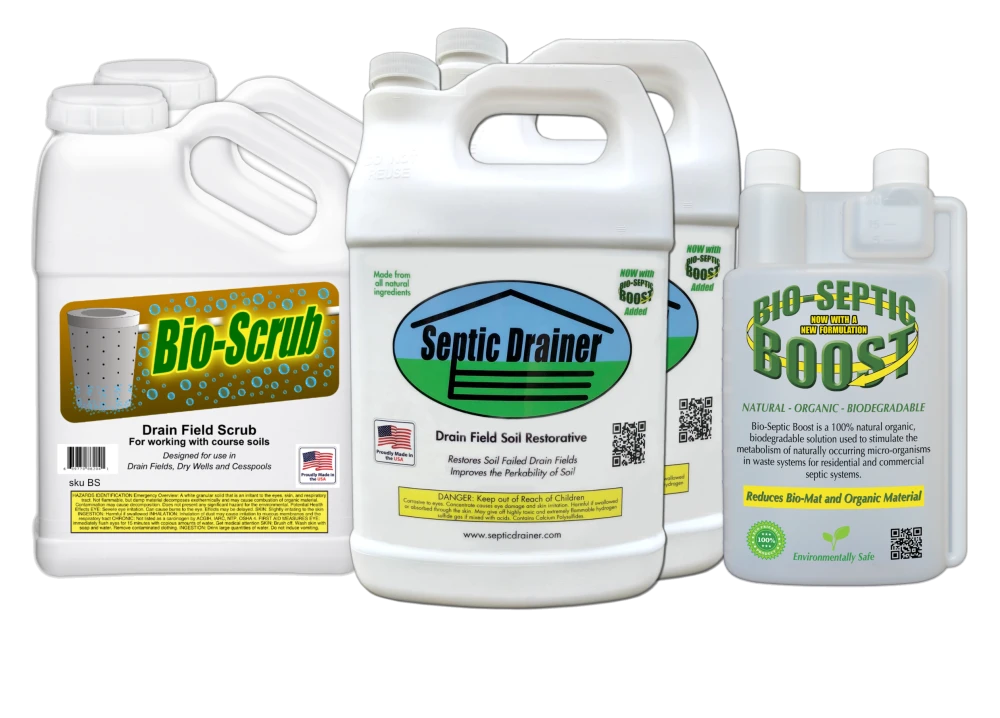
Modern restoration-focused solutions, including a leach field repair product and other leach field products, continue to attract homeowners seeking proactive ways to support septic system performance without major excavation.
With proper maintenance, water management, and early attention to warning signs, homeowners can often improve long-term septic efficiency while reducing the likelihood of costly future repairs.
























Sign in to leave a comment.