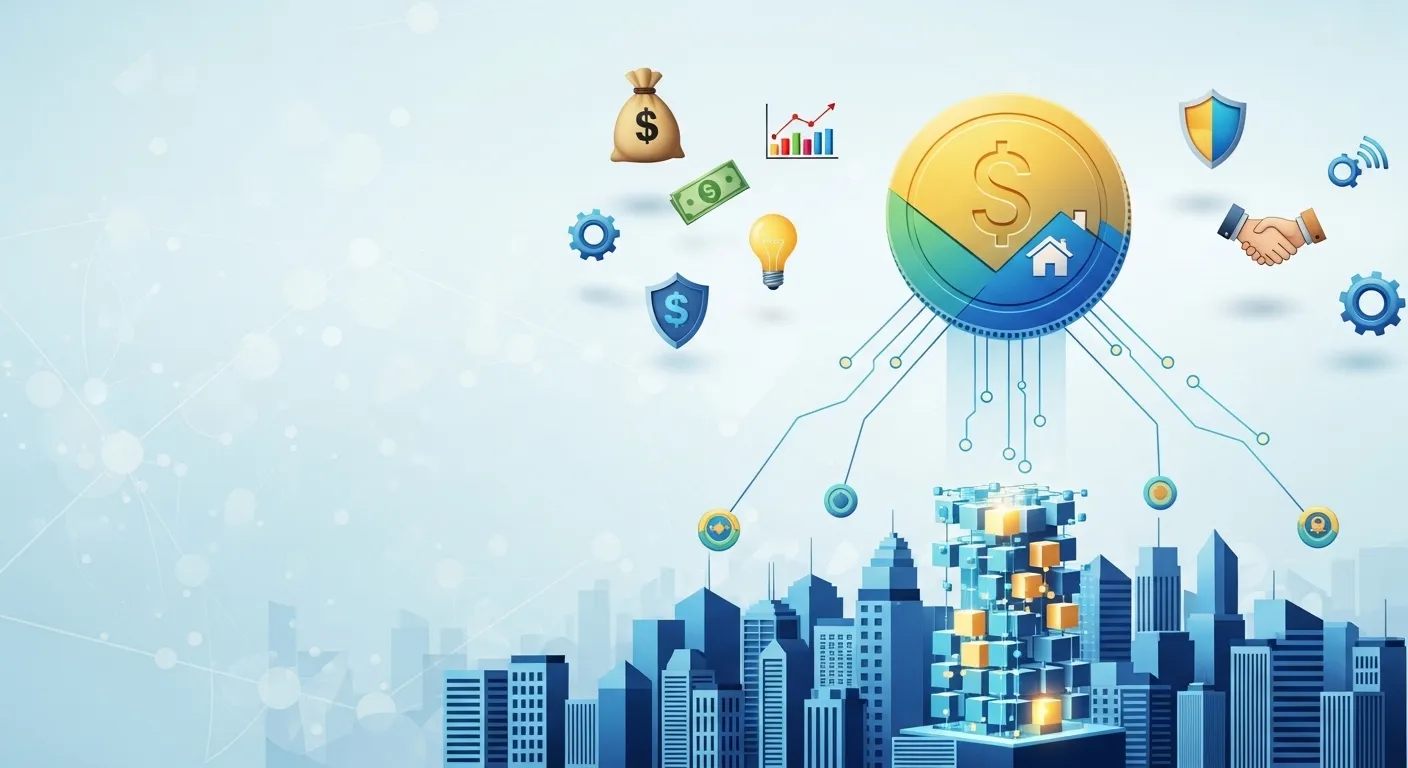

Startups often face a familiar set of problems. Access to funding is limited, assets remain underutilized, and expansion into global markets takes time and resources. At the same time, investors are searching for new ways to diversify and participate in early-stage opportunities without large capital commitments. This is where RWA Tokenization has started to gain attention.
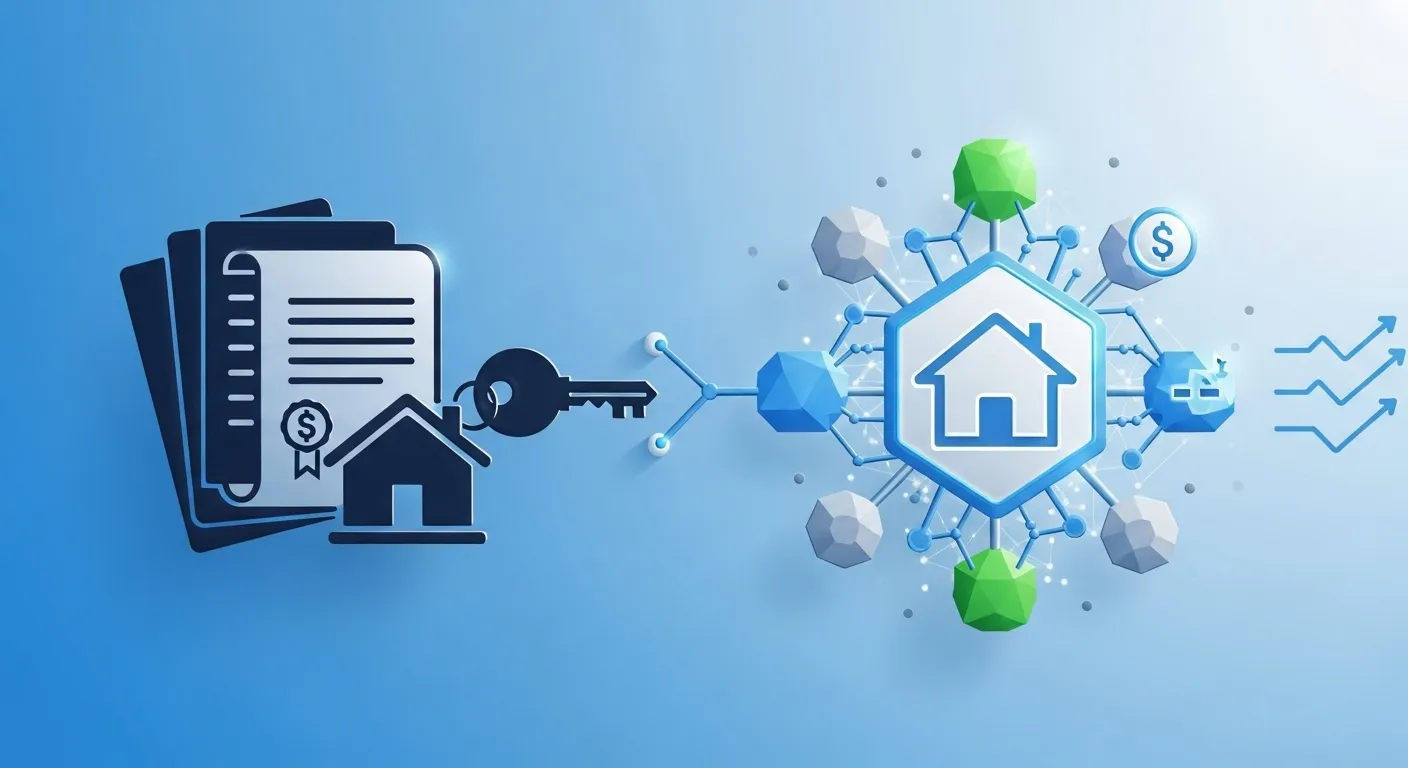
RWA Tokenizaion development refers to the process of converting ownership rights of physical or tangible assets into digital tokens using blockchain systems. These assets can include real estate, commodities, artwork, invoices, or even revenue streams. By dividing ownership into smaller digital units, startups can open new funding paths while offering investors fractional ownership.
This shift is not just about technology. It changes how startups think about assets, capital, and market access. Instead of relying only on traditional funding channels like venture capital or bank loans, startups can tap into a wider audience through Real World Asset Tokenization. This blog explains why startups should pay attention to this approach, how it works, and what it means for long-term growth.
Understanding RWA Tokenization in Simple Terms
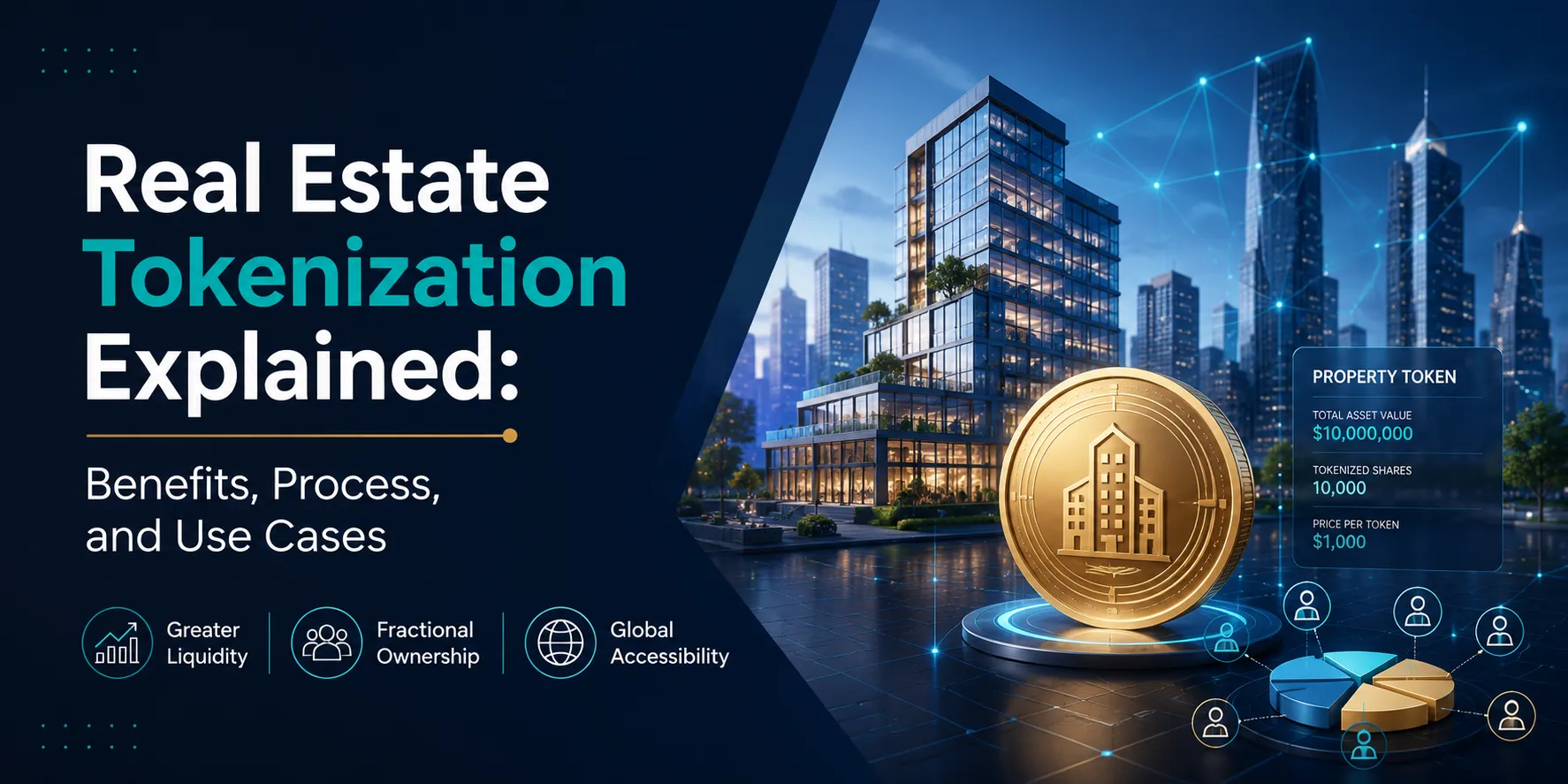
RWA Tokenization is the process of converting real-world assets into digital tokens that can be stored and transferred on a blockchain. Each token represents a share or portion of the asset. For example, a commercial property worth $1 million can be divided into 1 million tokens, each representing a small ownership stake.
Real World Asset Tokenization allows startups to digitize assets that were once difficult to divide or sell quickly. These tokens can be traded on platforms that support blockchain-based assets, giving liquidity to assets that are traditionally illiquid.
RWA token development plays a central role here. It involves creating smart contracts, defining ownership rules, and setting up systems for trading and compliance. A professional RWA tokenization development company usually handles these technical aspects to ensure that the tokens function correctly and meet legal standards.
Why Startups Face Funding Challenges Today
Startups operate in uncertain environments. Early-stage companies often lack collateral, making it difficult to secure loans. Venture capital funding is competitive and often limited to startups with high growth projections.
Even when funding is available, it may come with conditions that reduce ownership control. Founders may have to give up equity, accept board oversight, or meet strict milestones.
Another issue is liquidity. Many startup assets, such as intellectual property or long-term contracts, cannot be easily converted into cash. This limits financial flexibility.
RWA Tokenization offers an alternative. By converting assets into digital tokens, startups can access capital without relying entirely on traditional systems.
How RWA Tokenizaion Development Helps Startups
Fractional Ownership Opens New Funding Options
One of the biggest advantages of RWA Tokenization is fractional ownership. Instead of selling an entire asset, startups can sell small portions through tokens.
This approach lowers the entry barrier for investors. Instead of requiring large investments, startups can attract a broader audience, including retail investors.
For example, a startup owning a warehouse can tokenize the asset and sell portions to multiple investors. This spreads risk and increases funding opportunities.
Liquidity for Traditionally Illiquid Assets
Assets like real estate or long-term contracts are not easy to sell quickly. Real World Asset Tokenization changes this by allowing tokens to be traded on digital platforms.
This provides liquidity to assets that would otherwise remain locked. Startups can access funds faster, which helps with operational needs and growth plans.
RWA tokenization platform development plays a role here by creating marketplaces where these tokens can be exchanged.
Global Investor Access
Traditional fundraising often depends on local or regional networks. RWA Tokenization Services allow startups to reach investors across different countries.
Blockchain systems operate without strict geographical limitations, which means startups can present opportunities to a global audience. This increases visibility and funding potential.
Reduced Dependence on Intermediaries
Traditional finance involves multiple intermediaries such as banks, brokers, and legal advisors. Each step adds cost and time.
RWA Tokenization Services simplify the process by using blockchain-based systems to handle transactions and ownership records. This reduces overhead and speeds up operations.
The Role of an RWA Tokenization Company
Startups usually do not have the technical expertise to handle tokenization on their own. This is where an RWA Tokenization Company becomes important.
Such companies offer services that include:
- Asset evaluation and feasibility analysis
- Smart contract development
- Legal and regulatory guidance
- Platform integration
- Token issuance and management
A reliable RWA tokenization development company ensures that the process follows proper standards and avoids technical errors.
RWA tokenization development services also include ongoing support, which is necessary for maintaining token performance and handling updates.
Types of Assets Startups Can Tokenize
Startups can tokenize a wide range of assets depending on their business model.
Real Estate
Real estate is one of the most common use cases. Startups in property development or co-working spaces can tokenize buildings, offices, or rental income.
Intellectual Property
Startups working in media, technology, or research can tokenize patents, copyrights, or licensing agreements. This allows investors to share in future revenue.
Commodities
Businesses dealing with physical goods like gold, oil, or agricultural products can tokenize inventory or supply contracts.
Revenue Streams
Startups can tokenize expected revenue from subscriptions, services, or future sales. This allows them to raise funds based on projected income.
Compliance and Legal Considerations
While RWA Tokenization offers many advantages, startups must pay attention to legal requirements. Different countries have different regulations for digital assets and securities.
RWA token development must follow compliance rules related to ownership rights, investor protection, and reporting standards.
An experienced RWA Tokenization Company helps navigate these requirements by working with legal experts and regulators.
Ignoring compliance can lead to penalties or operational issues, so this step is critical.
Technology Behind RWA Tokenization
RWA Tokenizaion development relies on blockchain technology. This includes:
Smart Contracts
Smart contracts define how tokens behave. They handle ownership transfers, dividend distribution, and compliance checks.
Blockchain Networks
Tokens are issued on blockchain networks such as Ethereum or other platforms that support digital assets. These networks provide security and record-keeping.
Token Standards
Standards like ERC-20 or ERC-721 define how tokens function. These standards ensure compatibility with wallets and exchanges.
RWA tokenization platform development combines these elements to create a complete system for issuing and managing tokens.
Benefits for Startup Growth
Improved Cash Flow
By converting assets into tokens, startups can generate funds without selling entire assets. This improves cash flow and supports day-to-day operations.
Investor Engagement
Token holders can become long-term supporters of the startup. This creates a community around the business, which can help with marketing and growth.
Portfolio Diversification for Investors
Investors can spread their investments across multiple assets by purchasing tokens. This makes startup opportunities more attractive.
Faster Transactions
Digital tokens can be transferred quickly compared to traditional asset transfers. This reduces delays and administrative work.
Challenges Startups Should Consider
Regulatory Uncertainty
Rules for digital assets are still evolving in many regions. Startups must stay updated to avoid compliance issues.
Market Awareness
Not all investors are familiar with RWA Tokenization. Startups may need to invest in education and marketing.
Technical Complexity
Developing and managing token systems requires expertise. Partnering with a skilled RWA tokenization development company is necessary.
Security Risks
Blockchain systems are secure, but smart contract errors or platform vulnerabilities can cause problems. Regular audits and testing are important.
Future Outlook of RWA Tokenization for Startups
RWA Tokenization is gradually becoming part of mainstream finance discussions. As more platforms and regulations develop, startups will find it easier to adopt this model.
Financial institutions are also showing interest in Real World Asset Tokenization, which may lead to broader acceptance and integration with existing systems.
Startups that adopt RWA Tokenizaion development early may gain an advantage by accessing new funding channels and building investor networks.
Practical Steps for Startups to Begin
Startups interested in RWA Tokenization can follow a structured approach:
- Identify suitable assets for tokenization
- Evaluate legal requirements in the target region
- Choose a reliable RWA Tokenization Company
- Plan the token structure and distribution model
- Develop the platform or integrate with existing systems
- Launch tokens and engage with investors
- Maintain compliance and system performance
RWA tokenization development services can guide startups through each of these steps.
Conclusion
Startups operate in a competitive environment where access to capital and efficient asset management play a major role in success. RWA Tokenization offers a different way to approach both challenges.
By converting physical or intangible assets into digital tokens, startups can access global investors, improve liquidity, and reduce dependence on traditional funding systems. Real World Asset Tokenization Services provide the tools needed to make this possible, while RWA token development ensures that the technical foundation is reliable.
However, startups must also consider legal, technical, and market factors before moving forward. Working with an experienced RWA tokenization development company can reduce risks and improve outcomes.
RWA Tokenizaion development is not just a technical trend. It represents a shift in how assets and ownership are managed in the digital era. For startups willing to adopt new approaches, it offers a practical path to funding, growth, and wider market reach.



























Sign in to leave a comment.