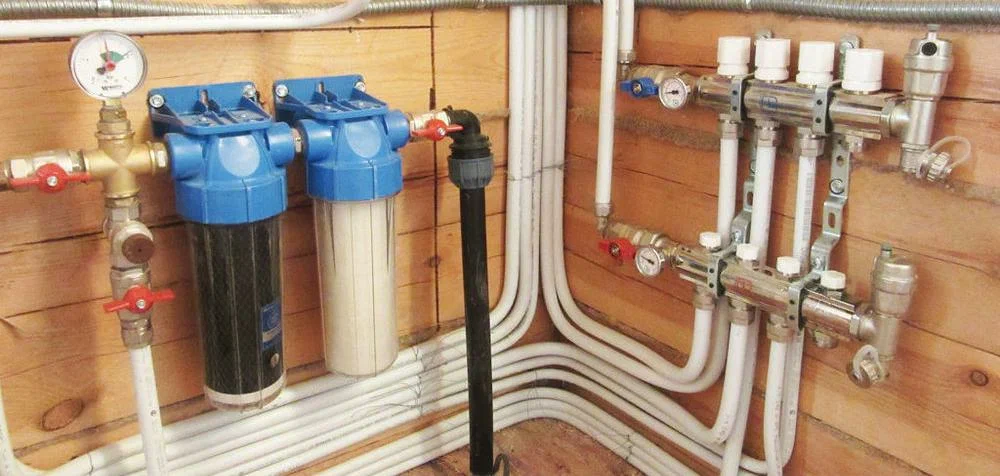
Timely plumbing services protect a home's value by preventing small issues from escalating into major problems. While delaying a repair might seem like a way to save money, it's a gamble that rarely pays off. Addressing a minor leak, a slow drain, or an aging water heater promptly stops the destructive effects of water damage, mold growth, and system failures before they can compromise a home's integrity, avoiding expensive restoration costs and ensuring the plumbing system remains a reliable asset rather than a liability.
This proactive approach not only avoids expensive restoration costs but also ensures that the home plumbing system remains a reliable asset rather than becoming a liability that diminishes the property's worth and appeal to future buyers.
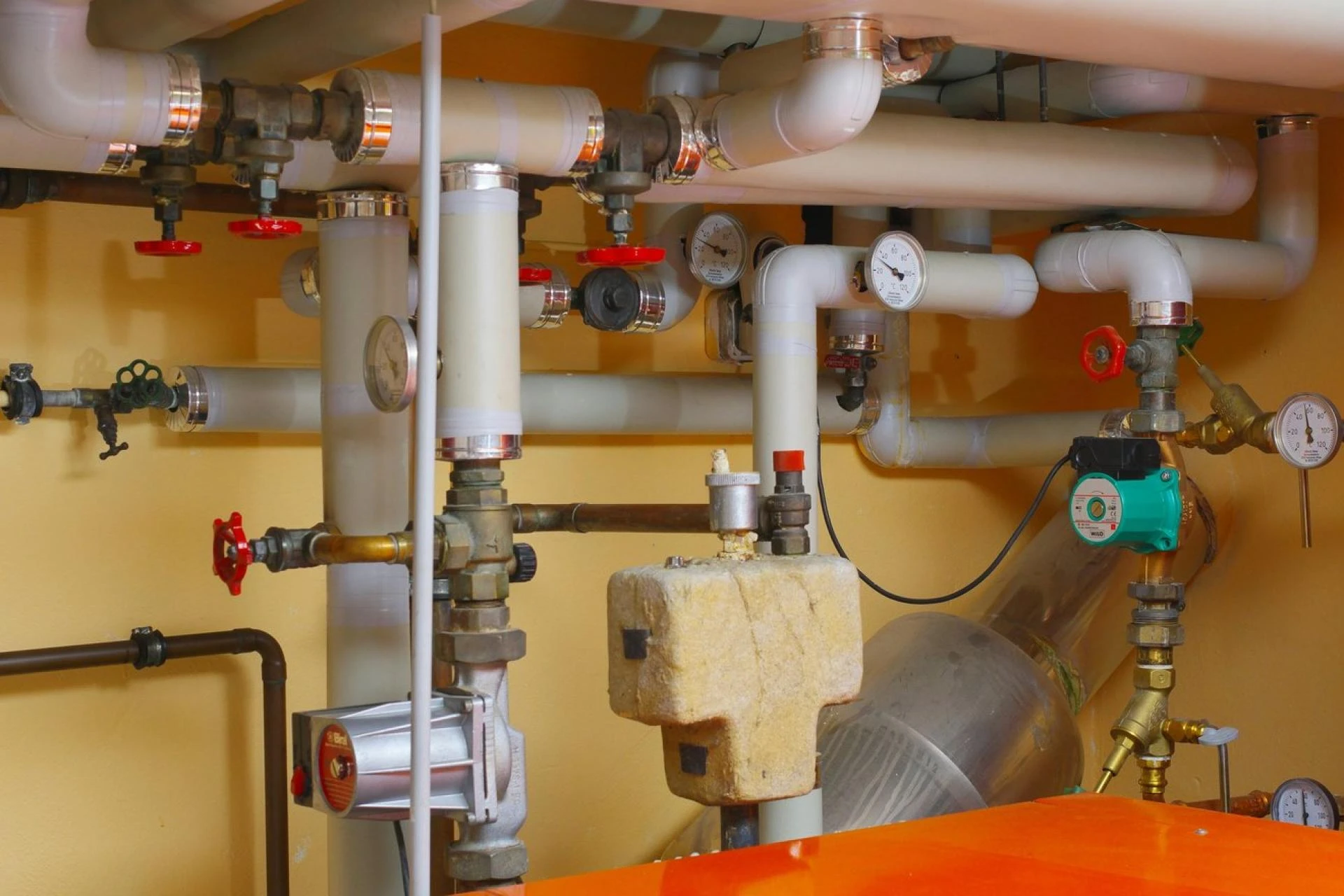
Preventing Costly Water Damage
Water is a home's silent enemy. An unresolved leak, even a slow drip inside a wall, can saturate drywall, rot wooden framing, and compromise the foundation over time. The consequences of this hidden damage are severe:
- Structural Rot: Prolonged moisture can weaken joists, studs, and subflooring, leading to sagging floors and unstable walls.
- Foundation Damage: Leaks under a concrete slab can erode the soil supporting the foundation, causing it to shift or crack.
- Damaged Finishes: Water can ruin drywall, paint, flooring, and cabinetry, requiring extensive and costly cosmetic repairs.
The average cost of a water damage restoration project can run into the thousands, far exceeding the cost of the initial plumbing repair. By calling a plumber at the first sign of a leak, homeowners can stop the damage before it starts, preserving the physical structure and value of their property.
Avoiding Hazardous Mold and Mildew Growth
Where there is persistent moisture, mold is sure to follow. A hidden plumbing leak can create the perfect damp, dark environment for mold and mildew to thrive inside walls, under floors, or in crawlspaces. Mold is not just an unsightly problem; it poses a direct threat to both the home's value and the health of its occupants.
- Health Risks: Mold exposure can trigger allergies and respiratory problems, making a home unsafe for sensitive individuals.
- Difficult Remediation: Removing a widespread mold infestation requires specialized remediation services, which can be expensive and disruptive.
- Disclosure Requirements: In many areas, known mold issues must be disclosed to potential buyers, which can significantly lower a home's market value or even scare buyers away completely. A recent industry report indicated that the presence of mold can reduce a home's value by 15-25%.
Timely plumbing repairs are a primary defense against mold growth.
Maintaining a Safe and Code-Compliant System
A home's value is also tied to its safety and compliance with local building codes. Outdated or improperly repaired plumbing can pose serious risks and will almost certainly be flagged during a home inspection when it comes time to sell.
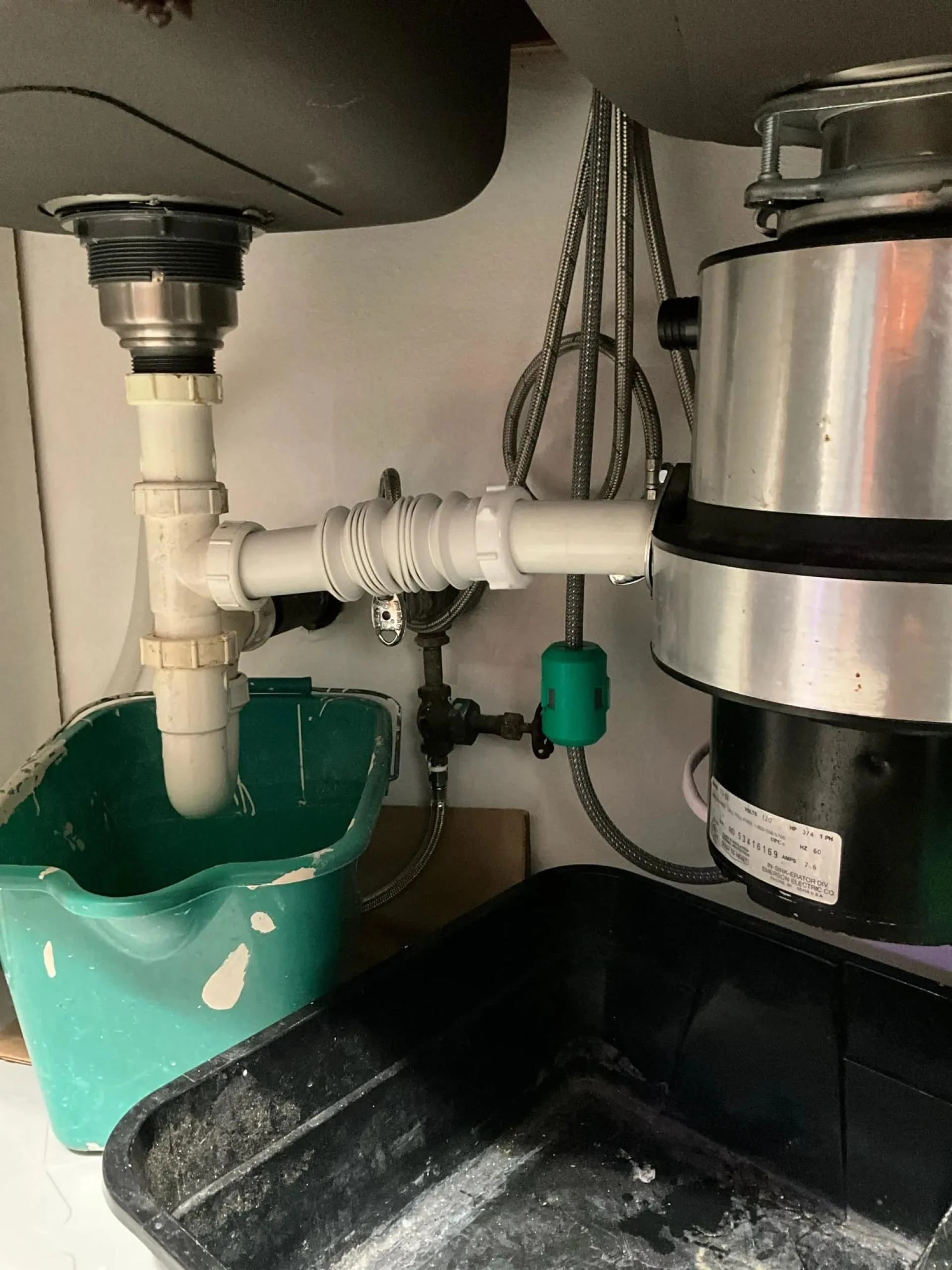
Common Code and Safety Issues
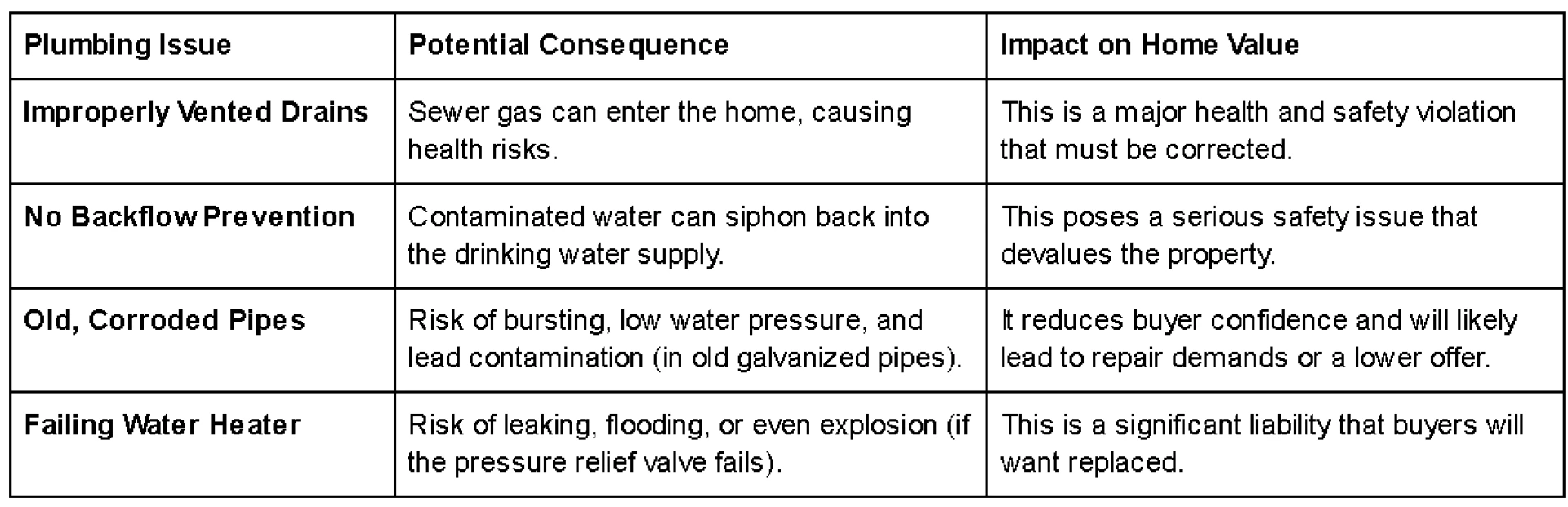
Professional plumbers ensure that all repairs and installations are done to current code, keeping the system safe and preserving the home's value. It's also a good idea to keep a record of all professional plumbing work, as this documentation can be a valuable asset that demonstrates responsible maintenance to potential buyers.
Enhancing Marketability with Modern, Efficient Systems
A home with modern, well-maintained plumbing is more attractive to potential buyers. Timely service often involves not just repairing but upgrading components, which can add tangible value.
- Updated Fixtures: Replacing old, inefficient toilets and faucets with new, water-saving models is an affordable upgrade that improves a home's appearance and efficiency.
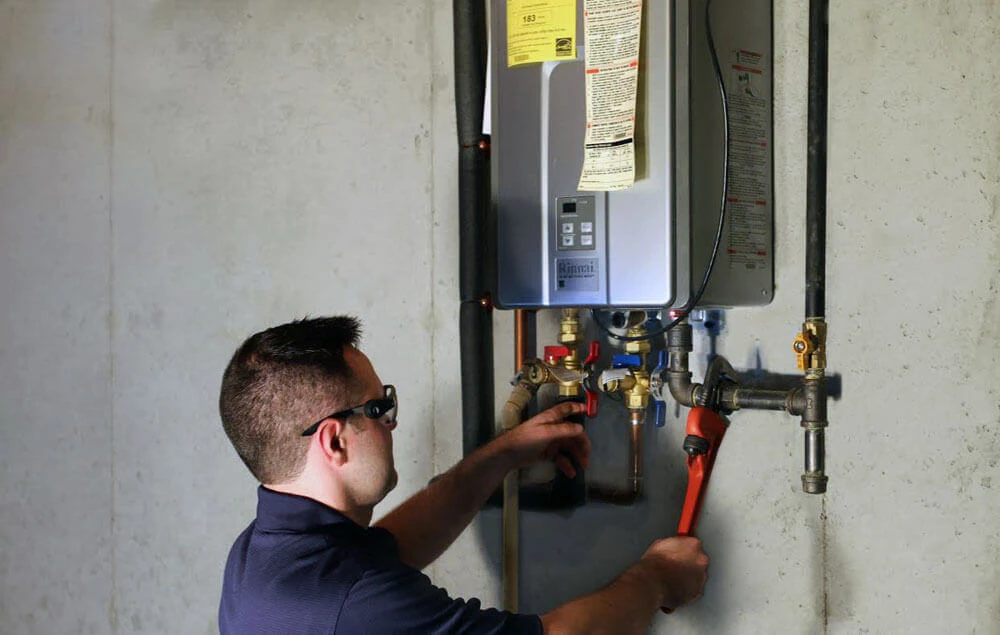
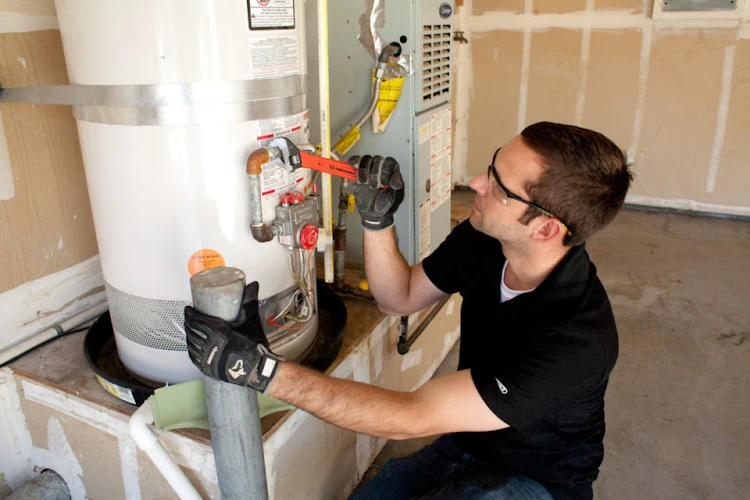
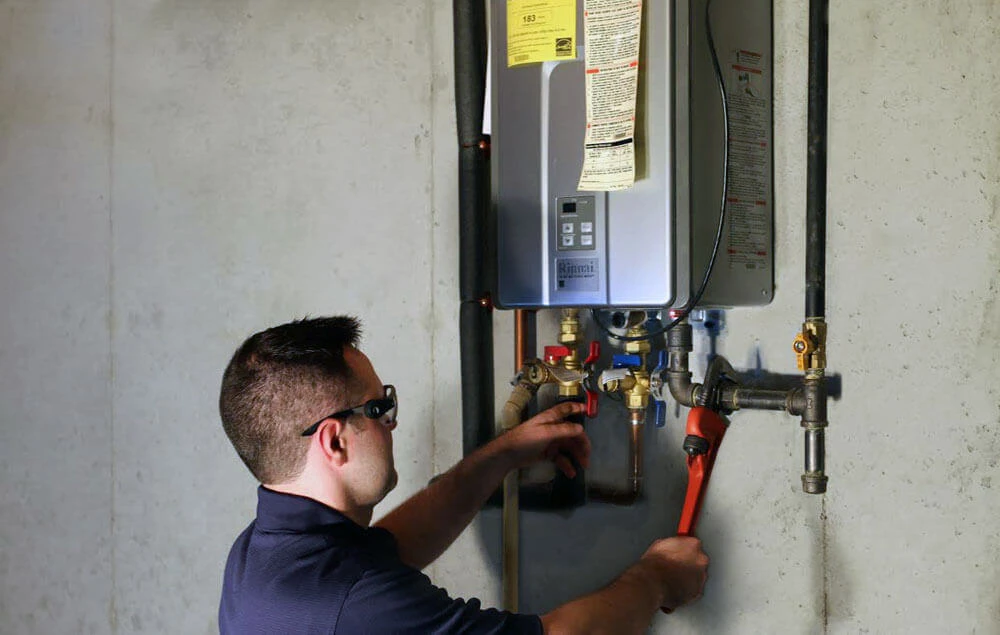
- New Water Heaters: A new, high-efficiency water heater is a strong selling point, promising lower energy bills and reliable performance for years to come. A tankless water heater, in particular, is often seen as a premium feature.
- Repiping: In older homes, replacing old, problematic pipes with new copper or PEX piping can be a major value-add. It resolves issues with low pressure and rust and removes the worry of a future pipe failure for the new owner.
These upgrades show that a home has been well cared for and is ready for the future, which can help it sell faster and for a better price.
Things to Know Before You Need a Plumber
Being proactive is the key to protecting your home's value. Homeowners should not wait for a disaster to think about their plumbing.
- Know Your Home's Plumbing: Understand the basics of your system, especially the location of the main water shut-off valve. Being able to turn off the water quickly during a leak can save thousands in damages.
- Recognize Early Warning Signs: Pay attention to small changes, like a drop in water pressure, a gurgling drain, or a discolored spot on the ceiling. These are your home's way of telling you a problem is developing.
- Schedule Periodic Inspections: An annual plumbing inspection by a qualified professional is a small investment that can catch problems early, before they have a chance to damage your home.
Questions People Ask About Plumbing and Home Value
Will a home inspector find plumbing problems?
Yes. A thorough home inspection includes a detailed check of the plumbing system. An inspector will look for active leaks, signs of past water damage, issues with water pressure, slow drains, and the condition of the water heater. Any significant problems will be noted in their report.
Does a new water heater increase home value?
While it might not increase the appraised value dollar-for-dollar, a new water heater is a powerful selling feature. It gives buyers peace of mind, knowing they won't have to face a replacement in the near future, which can make your home more desirable than a comparable one with an older unit.
Is it worth it to repipe an old house before selling?
It can be. If a home has old galvanized pipes that are causing low water pressure and rusty water, repiping can be a very smart investment. It removes a major objection that potential buyers would have and allows you to market the home as having an "updated plumbing system."
How much does water damage affect a home's resale value?
The impact can be significant. Even after repairs, a history of major water damage or mold can create a stigma that lowers the price. The best way to protect the value is to prevent the damage from happening in the first place with timely repairs.
What plumbing issue is the biggest red flag for buyers?
Sewer line problems are often the biggest concern. A damaged main sewer line can be extremely expensive to repair, often requiring excavation of the yard. Any sign of sewer issues, like multiple slow drains or backups, will be a major red flag for any knowledgeable buyer.
A Crucial Investment in Your Property
Viewing expert plumbing services as only for emergencies is a missed opportunity. From preventing structural decay and mold to ensuring code compliance and boosting marketability, timely professional repairs are a direct investment in your property. This proactive approach safeguards your home's physical integrity, protects your family's health, and ultimately makes your home a more attractive and valuable asset.
Protect Your Investment with a Professional Inspection
If you have noticed potential plumbing issues or want to take a proactive approach to home maintenance, a professional inspection is the logical next step. An expert can assess your system's condition and identify areas needing attention before they become costly problems. For homeowners in the area seeking a comprehensive plumbing evaluation, the experienced team at Simpson Plumbing LLC is ready to help. They can be reached to schedule an appointment by calling (360) 954-2041 or by sending an email to [email protected].
Reviewer: With over 12 years of experience in residential plumbing services, Zoe Carter ensures every detail in this content reflects practical industry knowledge and current plumbing standards.

























Sign in to leave a comment.