
A Thought About the Future
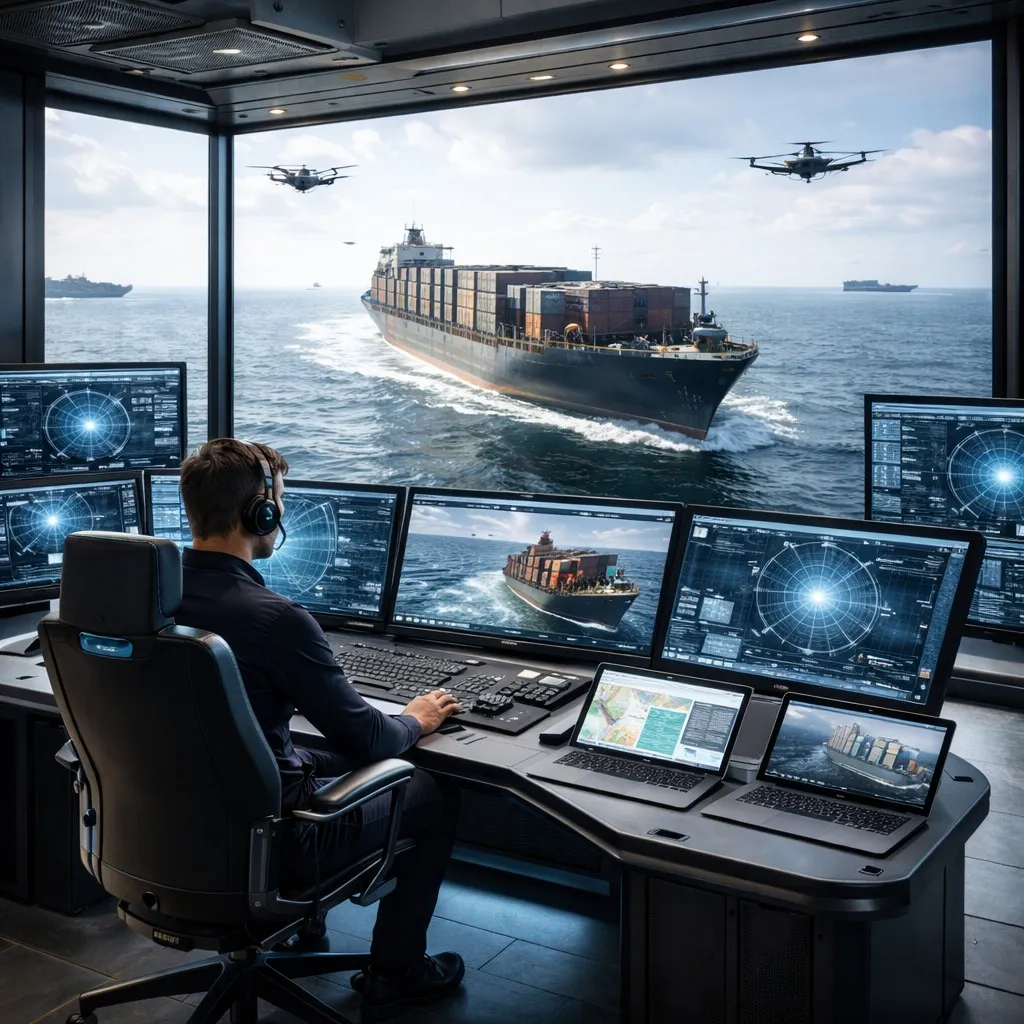
I’ve been thinking about this question for some time now, especially seeing how fast things are changing in the marine industry. The idea of ships being controlled from land sounds modern and efficient, almost like something from the future. But when you actually understand how ships work in real life, it becomes clear that the answer is not so simple. The industry is moving forward, but it is also very careful, and for good reason.
How Ships Still Work Today
If we look at how ships operate today, everything still depends a lot on people. Engineers, officers, and crew members are always present onboard, handling machines, navigation, and daily operations. Life at sea is not easy, and it requires both skill and experience. Even with all the new systems coming in, human presence is still at the center of everything, and that is something that cannot be ignored.
The Change Has Already Started
At the same time, change has already started. Ships today are not the same as they were years ago. Many systems are now automated, and a lot of data can be monitored in real time. From engine performance to fuel consumption, everything can be tracked, and in many cases, this information is also available on land. This means that support is no longer limited to what is onboard, and decisions can be guided from far away when needed.
Why the Industry Is Moving This Way
There are clear reasons why the industry is moving in this direction. Safety is one of the biggest factors, as the sea is unpredictable and reducing risks for crew members is always important. Cost is another reason, because managing a full crew onboard involves many expenses. Efficiency also plays a role, as better monitoring leads to faster and more accurate decisions. On top of that, finding skilled crew is becoming more difficult, which makes remote operations even more relevant.
The Reality That Slows Things Down
But even with all these advantages, there is a side of reality that cannot be ignored. Ships do not operate in controlled environments, and they face extreme weather, long distances, and unexpected situations. Technology needs to be extremely reliable to handle all this, and we are not fully there yet. There are also concerns about cybersecurity, and strict international regulations still require crew onboard. These are not small issues, and they will take time to solve.
Why Human Experience Still Matters
One important thing that often gets overlooked is the value of human experience. People who have worked on ships for years understand machines in a very different way. Sometimes, they can sense a problem even before any system shows it. This kind of understanding comes from real experience, not just data. That is why it is difficult to imagine a completely human-free system, at least in the near future.
What the Future Will Actually Look Like
Instead of complete replacement, what seems more practical is a balance. Ships will become smarter, but not empty. There may be smaller crews onboard, supported by strong systems and teams on land. Automation will handle routine work, while humans focus on decisions that really matter. This kind of setup feels more realistic and also much safer for the industry.
Changes in Maintenance and Operations
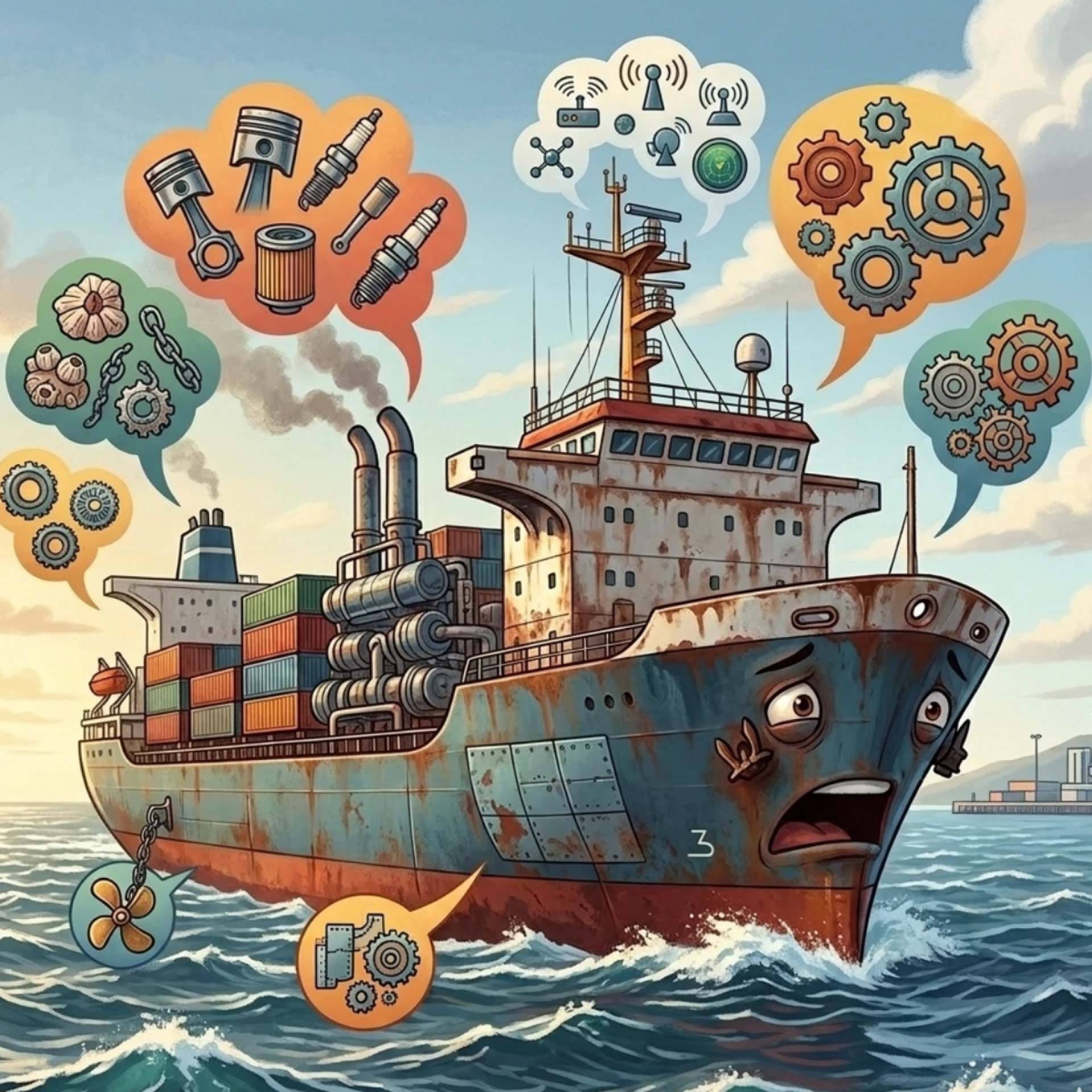
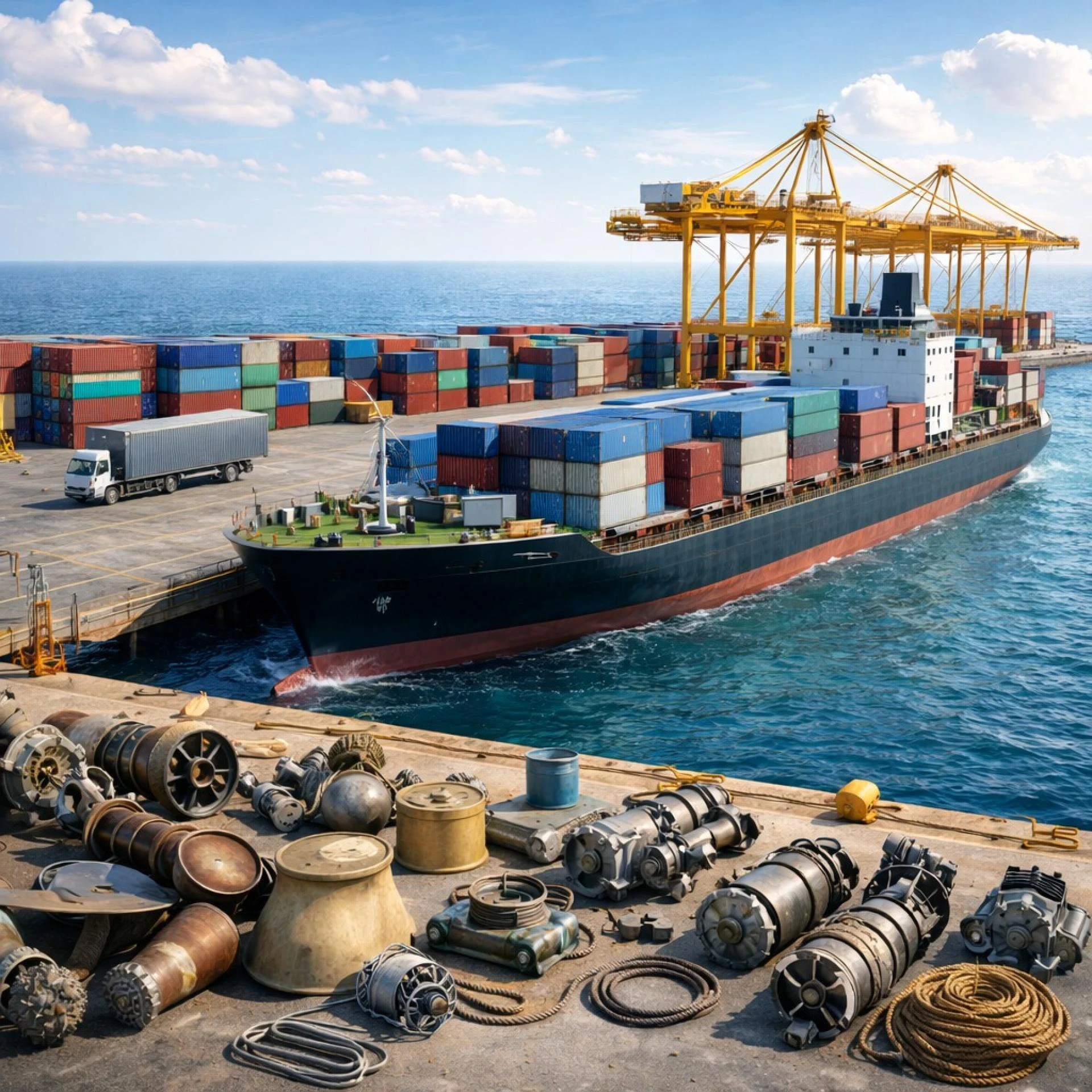
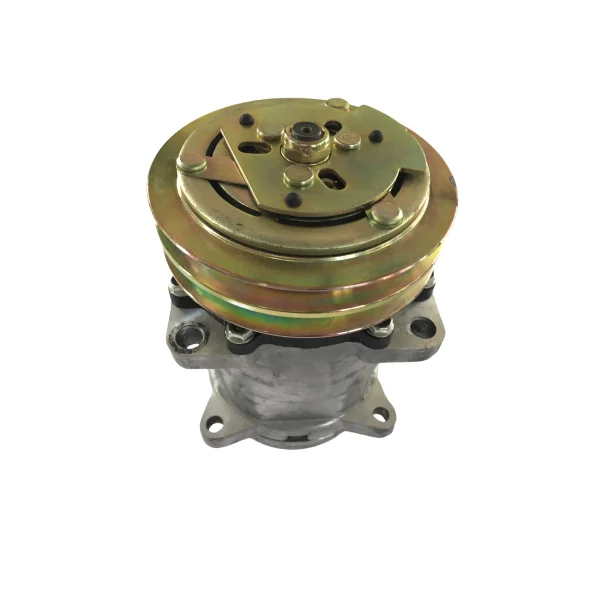
Maintenance is another area where this change will be clearly visible. With better monitoring systems, ships will be able to identify problems early, and instead of waiting for something to fail, maintenance can be planned in advance. This reduces downtime and improves efficiency. However, even with all this advancement, ships will always depend on reliable spare parts, because no system can perform well without dependable components.
What Happens to Jobs?
When it comes to jobs, the situation is not about loss but change. The nature of work will evolve, with some roles reducing onboard while new roles are created onshore. People will still be needed, just in different ways. The industry will shift, but it will not remove the human element completely.
So, Will It Become Normal?
If we think about the next 10 years, remote ship operations will definitely grow. We will see more automation, more monitoring from land, and more efficient systems. But fully unmanned ships becoming common everywhere in such a short time seems unlikely. The industry moves carefully, and safety will always come first.
Final Thoughts
In the end, the future of shipping is not about removing people, but about improving how things are done. Technology will support operations, make them smoother, and reduce risks. But the importance of human experience, decision-making, and reliability will remain. That balance is what will shape the industry in the years to come.






















Sign in to leave a comment.