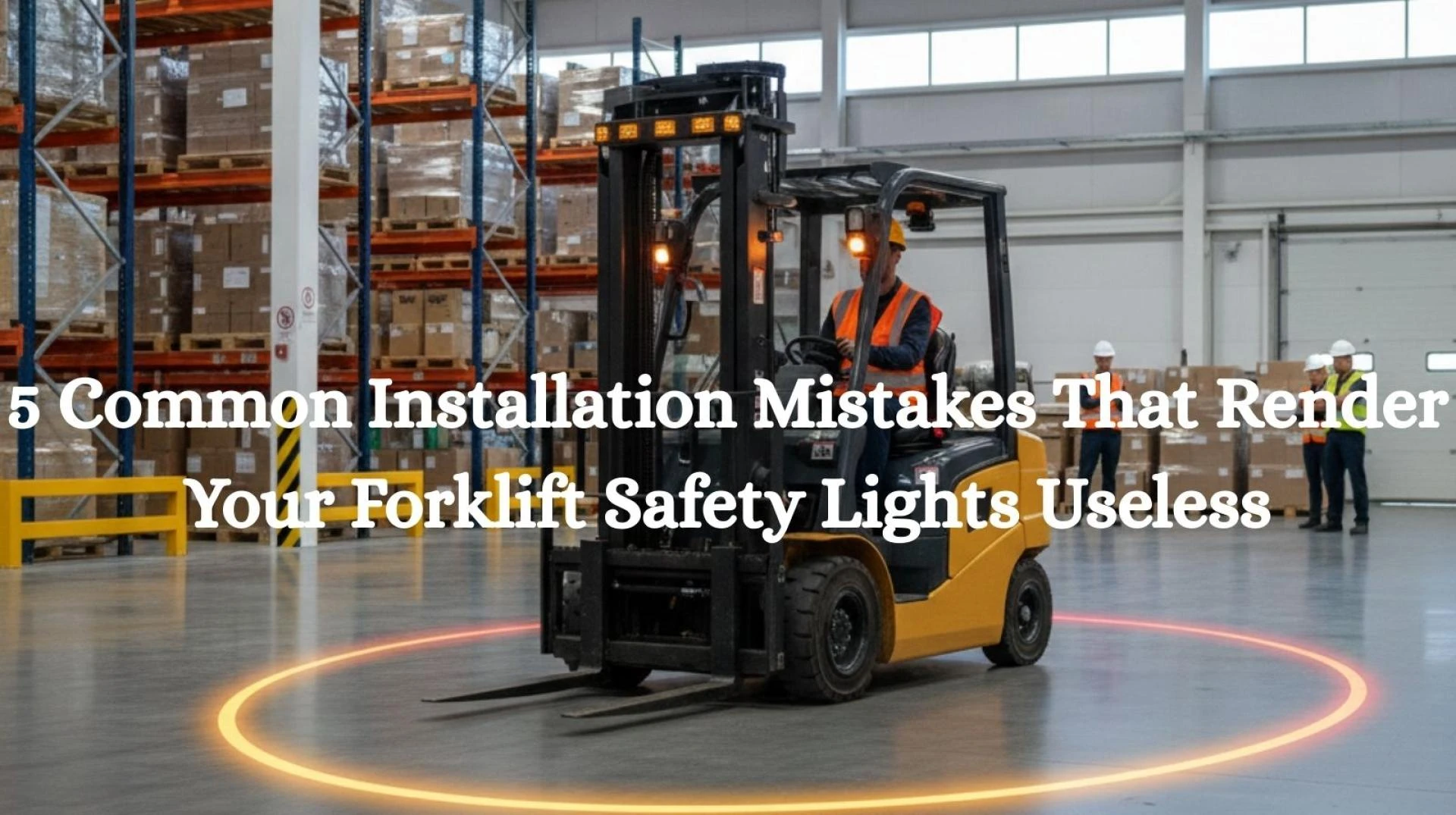

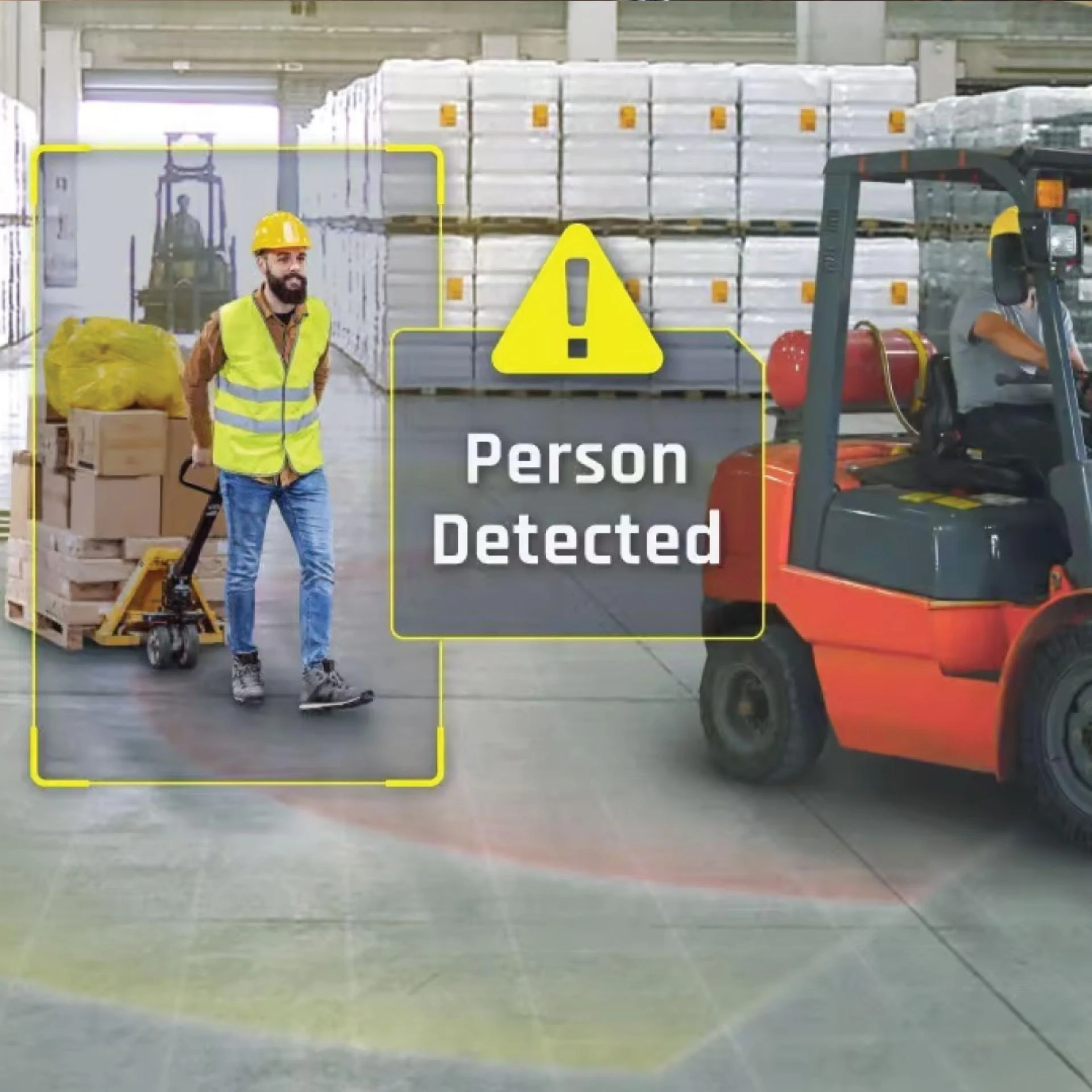
There's a particular kind of frustration that maintenance technicians know well. You've done the job. The forklift warning lights are mounted, wired, and switched on. Everything looks fine from the ground. But three months later, a near-miss incident happens at exactly the intersection the beacon was supposed to protect — and suddenly everyone wants to know why the system didn't work.
More often than not, the answer isn't a faulty product. It's a faulty installation. And the painful truth is that the five mistakes covered in this article are extraordinarily common — not because maintenance technicians and safety installers are careless, but because forklift safety lighting installation has a set of specific technical requirements that aren't always obvious from the product manual alone, and that generic electrical installation experience doesn't automatically prepare you for.
If you've recently installed forklift beacon lights, are planning to, or are troubleshooting a system that isn't performing as expected, this is the article that could save you a very expensive lesson. Read it carefully. Then go and check your installations.
Mistake #1: Mounting at the Wrong Height
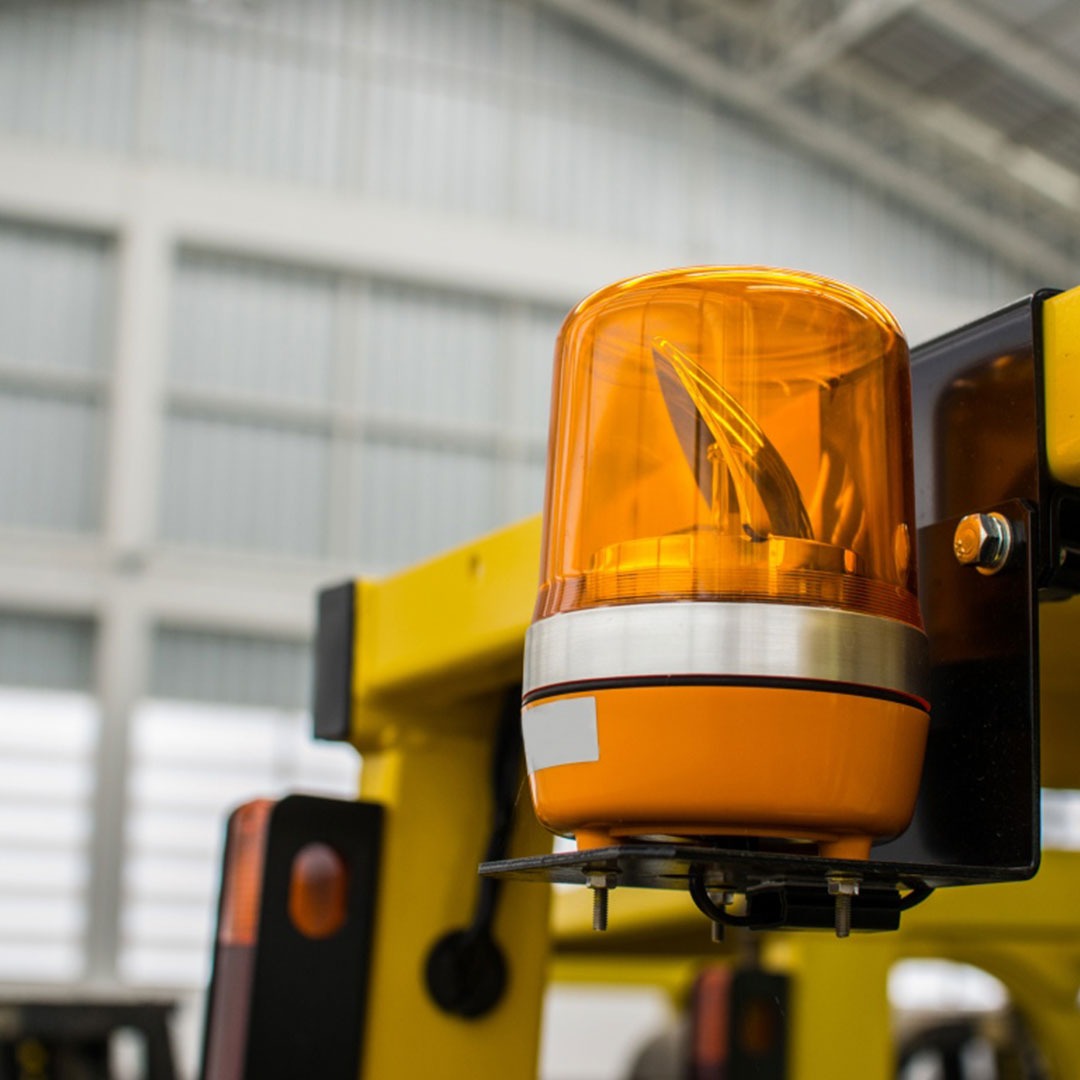
This is the single most common installation error, and it's responsible for a shocking proportion of beacon light failures in the field. The instinct of most installers is to mount the beacon warning light as high as possible on the vehicle — on the top of the overhead guard, or at the highest point of the mast. Higher means more visible, right?
Wrong. At least, not always.
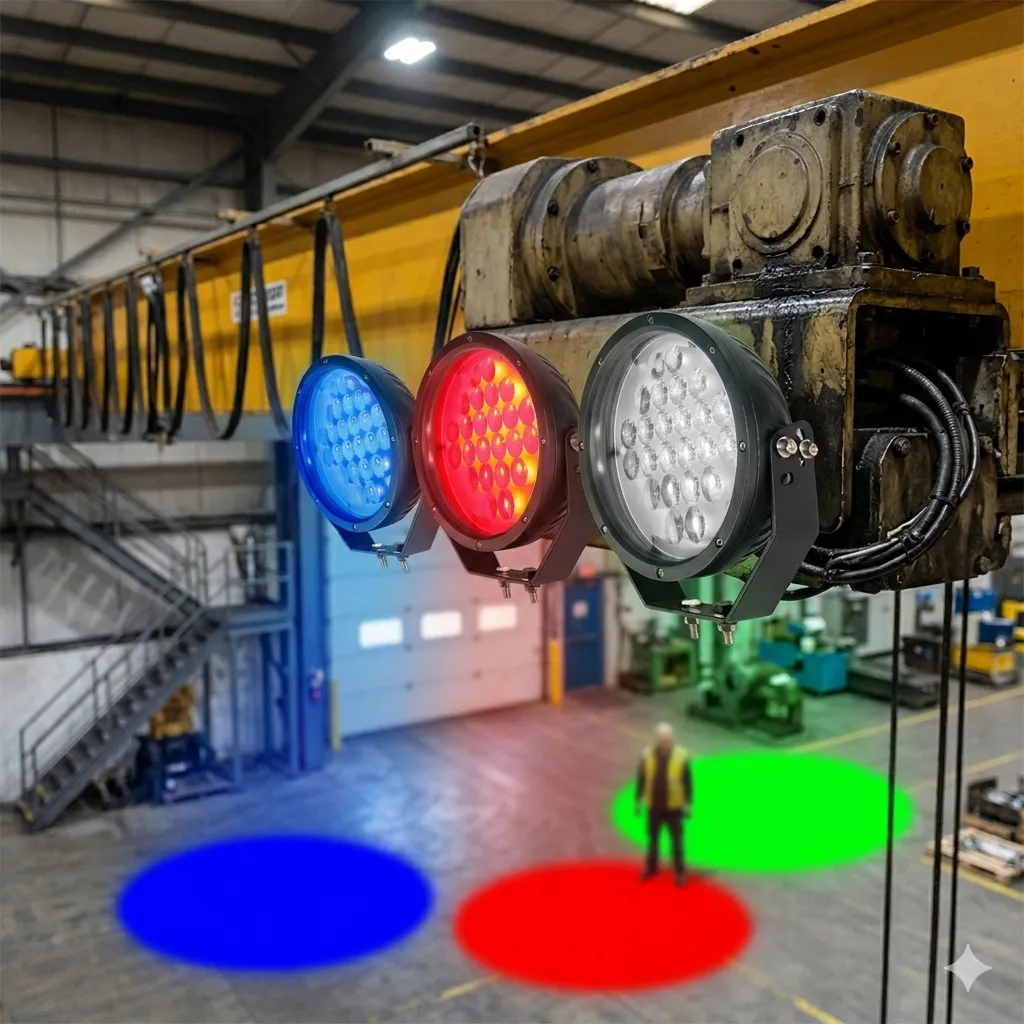
Mounting height determines the projection geometry of every light on the vehicle. For Blue Spot and arc projection systems specifically, the mounting height directly governs the size, shape, and clarity of the projected footprint on the floor. A unit mounted too high projects a larger but weaker, more diffuse circle that loses its defined edge — the very property that makes it psychologically effective as a boundary signal. In high-ceiling environments, this problem is particularly acute. A beacon mounted at three metres on a vehicle operating in a facility with eight-metre ceilings can project a floor spot so large and faint that it becomes essentially invisible in normal operating lighting conditions.
The correct mounting height for any projection-based forklift beacon light is specified by the manufacturer based on the unit's optical design and the intended projection distance and footprint size. This specification exists for a reason — respect it. In practice, most floor projection systems are optimised for mounting heights between 1.5 and 2.5 metres. If your overhead guard or mast configuration doesn't accommodate this range without modification, that modification is worth making.
For standard rotating or strobe beacon warning light units intended for general visibility rather than floor projection, height matters differently — the goal is 360-degree sightline clearance, which means checking that the mounted position isn't obstructed by load backrests, mast components, or the vehicle body from any approach angle. Walk around the vehicle at pedestrian height with the unit lit. Check every angle. If you can't see the light clearly from any direction within ten metres, it's not mounted correctly.
Mistake #2: Voltage Drop From Poor Wiring
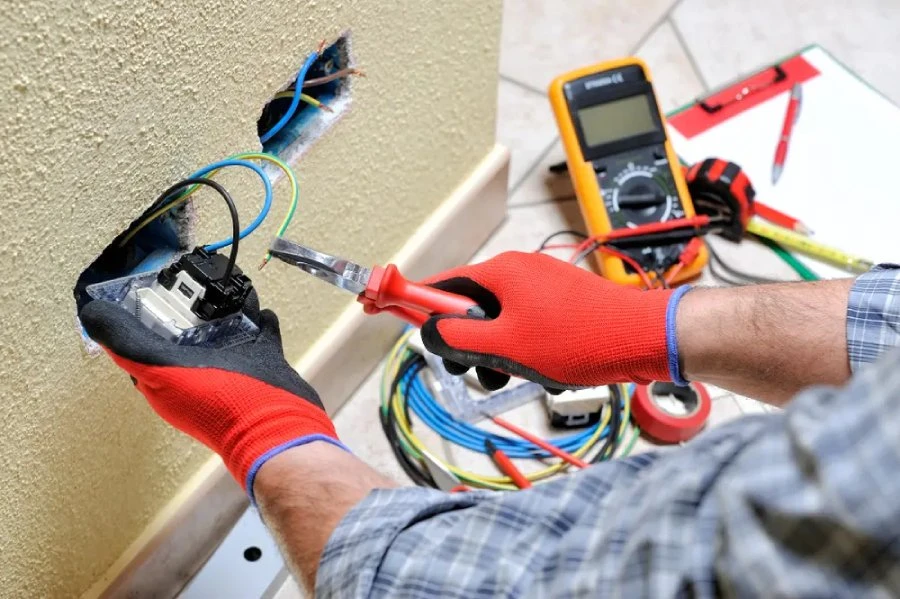
This one is subtle, insidious, and responsible for more degraded forklift warning light performance than most installers ever realise — because the system appears to work. The light comes on. It flashes or projects. Everything seems fine. But the output is measurably below specification, and nobody notices until the system fails to prevent an incident that it should have caught.
Voltage drop occurs when the wiring between the vehicle's electrical supply and the beacon unit is too long, too thin, or poorly connected — causing resistance in the circuit that reduces the voltage actually reaching the light. For LED-based forklift beacon lights, even a modest voltage drop of 10 to 15 percent can reduce luminous output by 20 to 30 percent. For projection systems relying on precise optical performance, this isn't a minor inconvenience. It's the difference between a crisp, high-contrast floor projection and a dim smudge that nobody reacts to.
The fix is straightforward but requires attention to detail. Use wire gauge appropriate for the length of the run and the current draw of the unit — the manufacturer's wiring specification will define minimum gauge requirements; don't substitute lighter gauge because it's what you have on the shelf. Keep wiring runs as short as practical, and route them away from heat sources and areas of mechanical flex. Ensure all connectors and terminations are clean, fully seated, and protected from vibration loosening — on a forklift, vibration is constant, and a connector that's 95 percent seated will develop resistance over weeks of operation that a static installation would never produce.
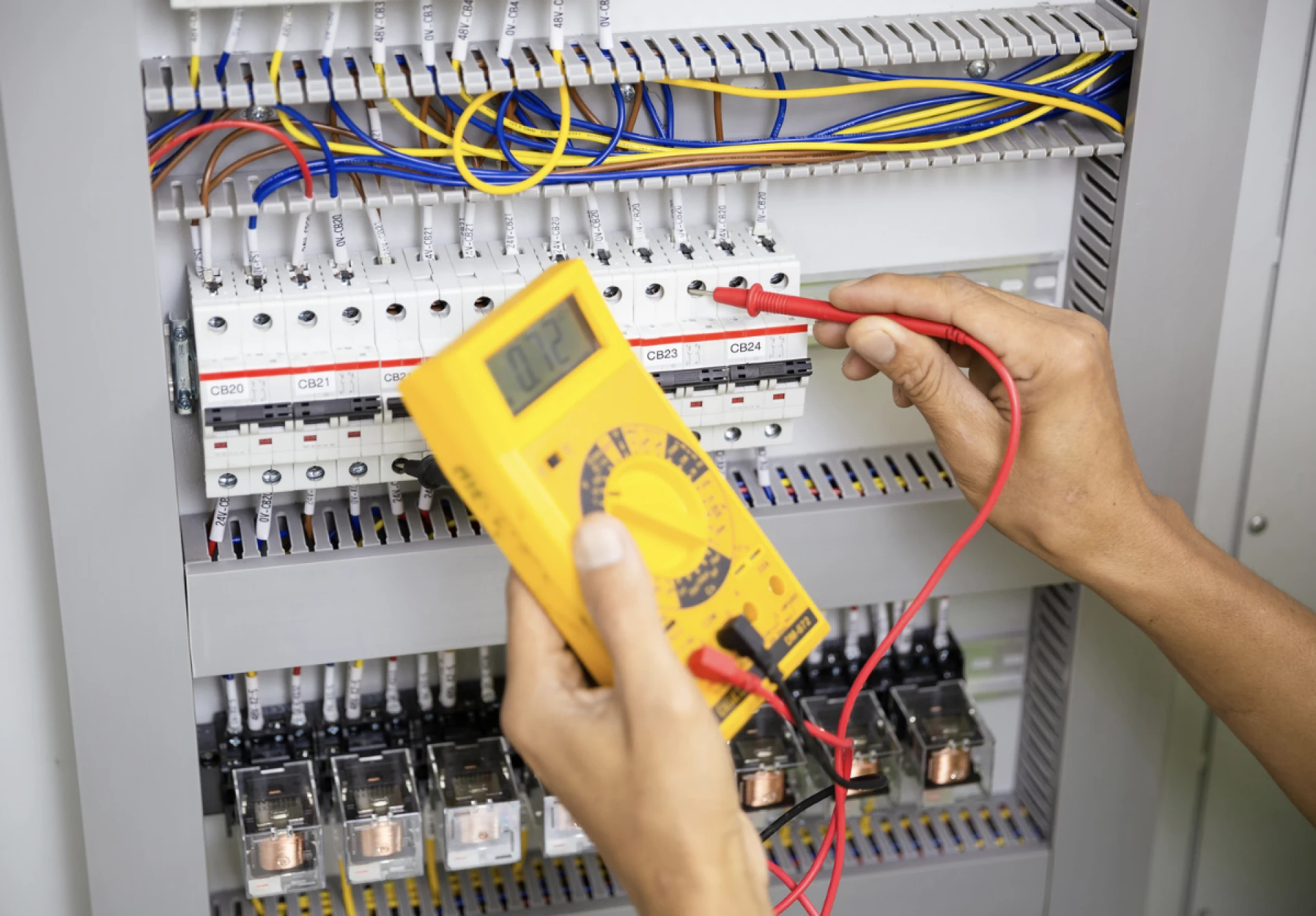
After installation, measure the voltage at the unit under operating conditions — not at the supply point, but at the fixture itself. If you're seeing more than a 5 percent drop from nominal supply voltage, investigate and resolve before signing off the installation.

Mistake #3: Choosing the Wrong Beam Angle for Your Environment
Walk into any industrial safety equipment supplier and you'll find beacon warning light units rated at beam angles ranging from narrow spot configurations to wide flood patterns. Most technicians pick based on price and availability, assuming that a brighter unit will compensate for any beam angle mismatch. It won't.
Beam angle determines how the light's output is distributed in space — and that distribution needs to match your specific operational environment to be effective. In standard warehouse environments with ceiling heights between four and seven metres, a medium-angle beam distribution (typically 60 to 90 degrees) delivers the right balance of throw distance and floor-level intensity. In high-ceiling environments — above eight metres — a narrower beam angle concentrates the available lumens into a tighter cone, maintaining floor-level intensity at the extended throw distance. Wide-angle units in high-ceiling environments spread their output too thin, resulting in inadequate intensity at floor level where the visual warning needs to register.
The reverse problem — narrow beam units in low-ceiling or compact environments — creates uncomfortably intense projections in close proximity that can actually reduce effective warning distance by creating a hotspot directly in front of the vehicle rather than a clearly visible advance warning zone.
Check your facility's ceiling heights across all operating zones before specifying. If your forklifts operate across multiple areas with significantly different ceiling heights — ground floor versus mezzanine, indoor versus covered outdoor — you may need different beam specifications for different vehicle assignments, or units with adjustable optics that can be calibrated to suit each environment.
Mistake #4: Ignoring IP Rating Requirements for Your Operating Conditions
Every forklift beacon light and forklift warning light unit carries an IP (Ingress Protection) rating that defines its resistance to solid particle and liquid ingress. IP67 means the unit is dust-tight and can withstand immersion in water up to one metre for thirty minutes. IP54 means it's protected against dust in harmful quantities and splash from any direction. The difference between these two ratings is not academic — in a warehouse environment where forklift traffic generates dust, in a facility where floor-cleaning equipment operates on the same surface as beacons, or in any outdoor or semi-outdoor area, a unit with an inadequate IP rating will degrade and fail on a timeline that bears no resemblance to its rated service life.
Cold store environments introduce an additional complexity. Standard seals and gaskets that perform adequately at ambient temperature can become brittle and lose their sealing integrity at the sustained low temperatures of a refrigerated warehouse, allowing condensation infiltration that is particularly destructive to LED driver circuits.
Match the IP rating — and for cold store applications, the operating temperature range — to the actual conditions the unit will experience. If the product sheet doesn't include an operating temperature specification, that's a product you shouldn't be installing in a temperature-controlled environment. In ATEX-rated zones for explosive atmospheres, the IP rating requirement is only one dimension of a certification package — see the relevant ATEX guidance for your zone classification for the full specification requirements.
Mistake #5: Neglecting Aim Adjustment After Installation and Over Time
The final mistake is one of omission rather than commission, and it catches out even technically careful installers because it doesn't manifest immediately. It develops.
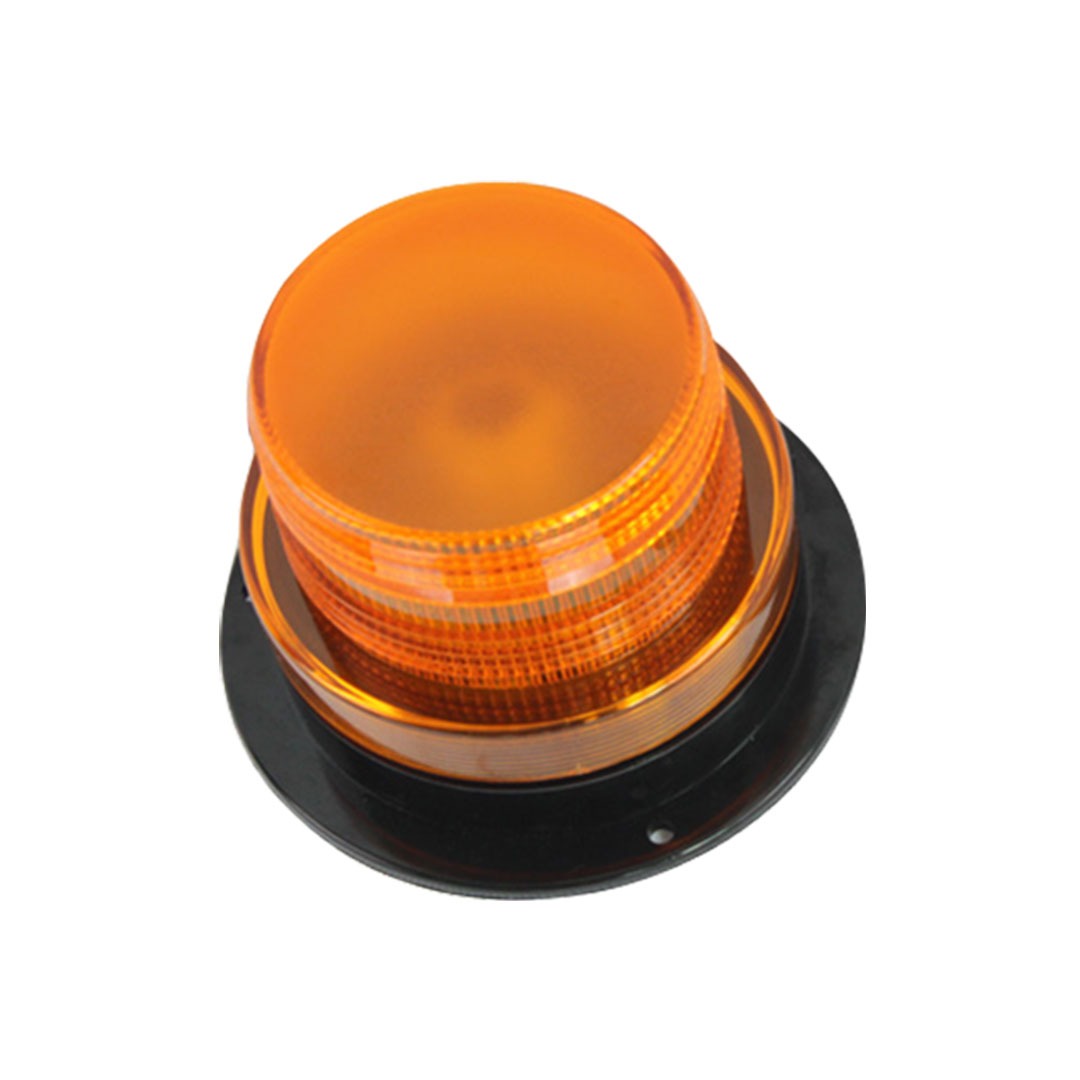
Forklift vehicles are subject to constant vibration, mechanical shock from load handling, and gradual structural settling — all of which can shift the aim of mounted lighting systems over time. A forklift beacon light that was correctly aimed at installation, projecting a clean spot at the intended distance ahead of the vehicle, can shift its projection point by half a metre or more over a few weeks of operation without anyone noticing because the change is gradual.
For projection systems, even a small aim shift can take the projected footprint outside the intended pedestrian sightline zone — rendering the warning function ineffective at exactly the intersection geometry it was installed to address. For rotating and strobe units, aim shift is less critical but mounting integrity still needs to be checked, since vibration-loosened mounts can allow the unit to rotate to a position where its primary output is directed into the mast structure rather than the surrounding environment.
Build a beam aim and mounting integrity check into your scheduled maintenance programme for all forklift warning lights — quarterly as a minimum, monthly in high-vibration operating environments. It takes three minutes per vehicle and is the simplest possible way to ensure that the installation quality you achieved on day one is still present on day three hundred.
Get the Installation Right From the Start With SharpEagle
SharpEagle Technology doesn't just supply forklift beacon light and beacon warning light systems for industrial facilities across the UK, UAE, and Kuwait — the team provides the specification support, installation guidance, and ongoing technical expertise that ensures your safety lighting investment performs exactly as intended, day after day, shift after shift.
Whether you're specifying a new installation, troubleshooting an existing system that isn't performing as expected, or planning a fleet-wide upgrade, SharpEagle's technical team can help you avoid the mistakes that turn good safety products into expensive fixtures that don't actually protect anyone.
Don't let an installation error undermine your safety investment. Visit www.sharpeagle.com to explore SharpEagle's full range of forklift safety lighting solutions, or contact the regional team directly for technical specification support and installation guidance.
Conclusion
A forklift beacon light that isn't performing to specification isn't a safety feature — it's a false assurance. And in a facility where workers and managers believe their forklift warning lights are functioning correctly, the presence of a degraded or incorrectly installed system can actually increase risk by creating a complacency that a visibly absent system would never have generated.
The five mistakes covered in this article — wrong mounting height, voltage drop from poor wiring, mismatched beam angles, inadequate IP ratings, and neglected aim maintenance — are not exotic failure modes. They're routine installation errors that occur in warehouses and manufacturing facilities every week, silently undermining safety systems that represent real investment and real good intentions.
The technical knowledge to avoid all of them is accessible, the fixes are straightforward, and the inspection time required to check for them on an existing installation is measured in minutes per vehicle — so the only question worth asking yourself right now is: when did you last physically verify that every beacon warning light on your fleet is still aimed, powered, rated, and mounted exactly the way it needs to be to actually protect the people working around it?




















Sign in to leave a comment.