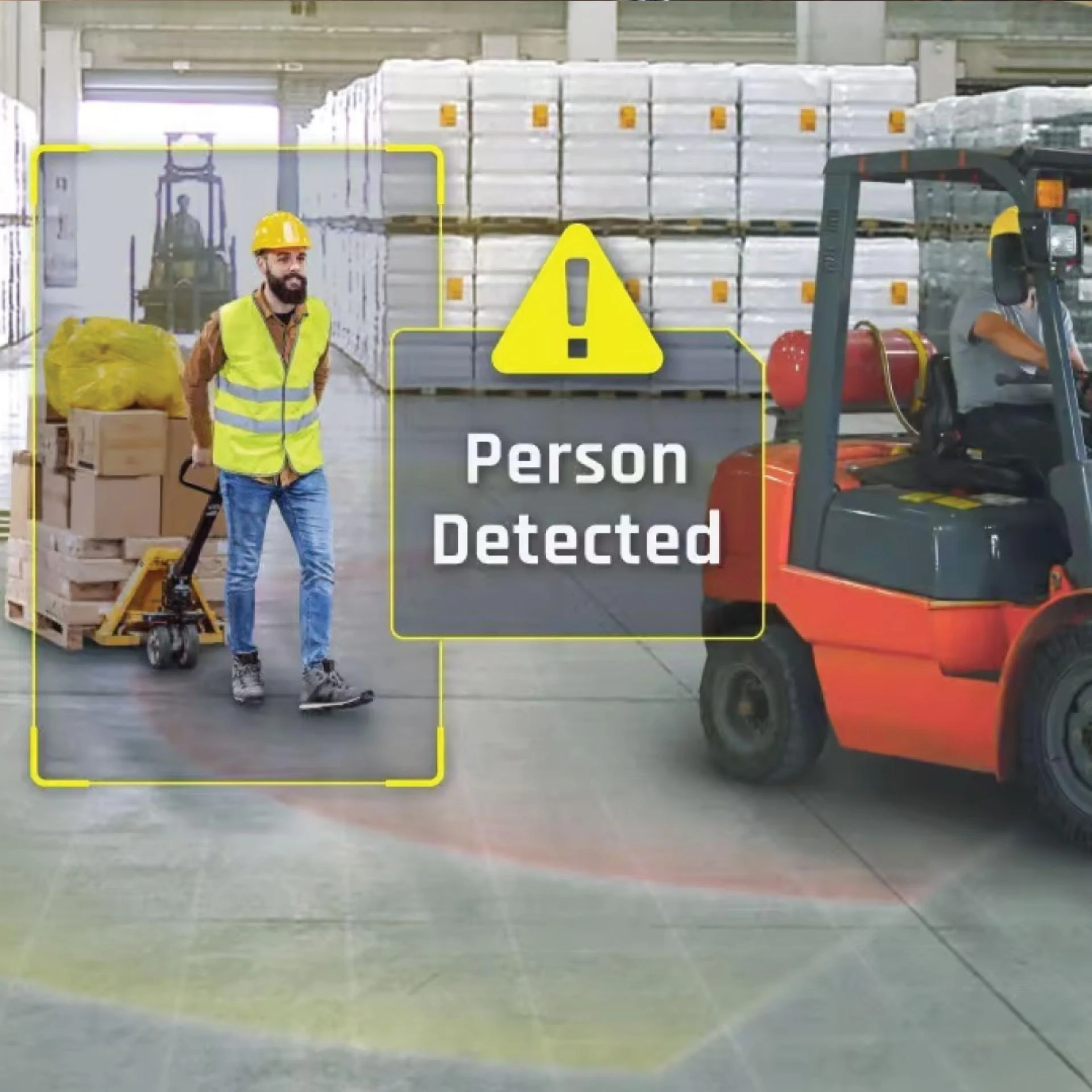

Here is a scenario that plays out in warehouses and logistics facilities more often than it should. A forklift camera system gets purchased, installed, and commissioned. Operators are briefed. The safety manager ticks the box. And then, gradually, quietly, the system starts to degrade. A camera lens gets coated in dust and nobody cleans it. A firmware update notification gets dismissed because nobody knows whose responsibility it is to action it. A monitor develops intermittent signal dropout that operators work around rather than report. Eighteen months after installation, the system that was supposed to eliminate visibility blind spots is operating at maybe sixty percent of its original capability — and nobody has formally noticed because there hasn't been a serious incident to trigger a review.
This is not a technology failure. It is a maintenance planning failure. And it is entirely preventable.
A properly maintained Forklift Wireless Camera System should deliver consistent, reliable performance for years across demanding operational environments. The difference between a system that does and a system that gradually deteriorates comes down to a handful of disciplined practices that, taken together, require surprisingly little time and effort. This guide covers all of them.
Daily Maintenance: The Two-Minute Habit That Protects Everything Else
The most impactful maintenance practice for any wireless forklift camera system costs almost nothing in time or resource — but it needs to be built into daily pre-shift checks as a non-negotiable habit rather than an occasional afterthought.
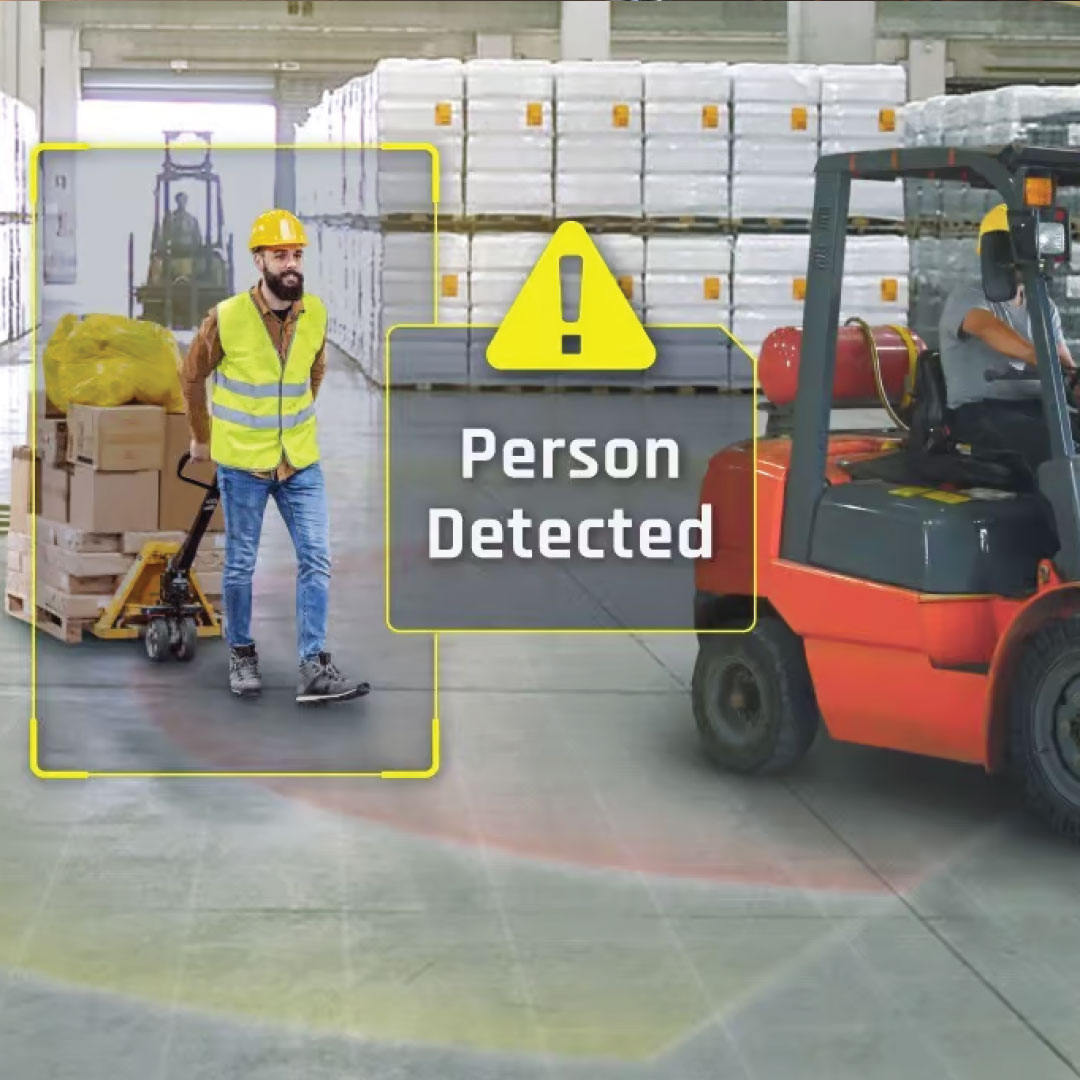
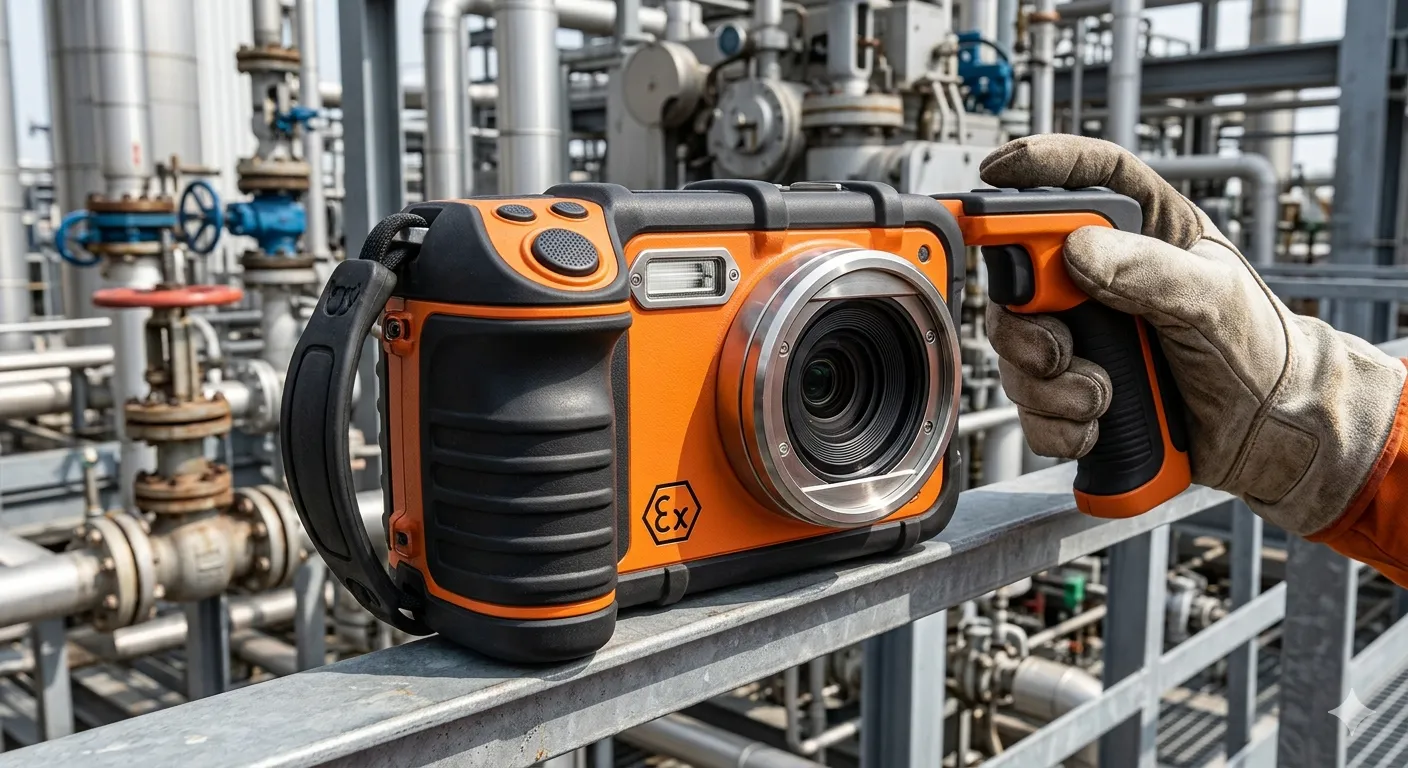
Before each shift, operators should visually inspect each camera lens for dust, grease, condensation, or physical damage. A dirty lens doesn't trigger an alarm. It doesn't generate an error code. It simply delivers a degraded image that the operator may not even consciously register as abnormal if the deterioration has been gradual. A thirty-second wipe with a clean microfibre cloth, included as part of the standard pre-start check alongside tyre condition and horn function, eliminates this failure mode entirely.
The in-cab monitor deserves the same thirty seconds. Check for screen clarity, confirm the image is displaying correctly from all fitted cameras, and verify that the display brightness is appropriately set for the ambient lighting conditions of the operational environment. A monitor that's too dim in a brightly lit outdoor yard is functionally useless even if the camera behind it is performing perfectly.
Camera mounting brackets should also be checked weekly for security. Forklifts operate in environments with significant vibration, and brackets that are not periodically checked and re-tightened can develop movement that gradually misaligns the camera's field of view — a subtle problem that erodes safety coverage without triggering any obvious fault.
Firmware and Software Updates: Why They Matter More Than Most People Think
For facilities that have deployed a wireless forklift camera system with digital transmission and smart monitor functionality, firmware management is a maintenance category that often gets overlooked entirely — because unlike a dirty lens or a loose bracket, an out-of-date firmware version is invisible until it causes a problem.
Camera and monitor firmware updates typically deliver three categories of improvement: signal transmission stability enhancements, image processing optimisations, and security patches for the wireless communication protocol. Any one of these categories represents a genuine operational benefit. All three together mean that a system running current firmware performs meaningfully better than the same hardware running firmware from eighteen months ago.
Establish a firmware review schedule — quarterly is a reasonable baseline for most operations — and assign clear ownership for checking manufacturer update channels and implementing available updates. This is a task that takes minutes once the process is established, but it requires someone to own it explicitly rather than assuming it will happen organically.
Document firmware versions across your fleet as part of your safety equipment register. For facilities subject to regulatory audit in the UK under HSE requirements, or in the UAE and Kuwait where industrial safety compliance is increasingly scrutinised, being able to demonstrate that your safety systems are maintained and current has real compliance value.
Wireless Interference Troubleshooting: Diagnosing the Invisible Problem
Signal dropout and intermittent connectivity are the most frustrating performance issues associated with wireless forklift camera systems — partly because they're inconsistent and therefore hard to pin down, and partly because the causes are often invisible to the naked eye.
When a wireless camera for forklift applications begins exhibiting signal dropout, the diagnostic process should follow a logical sequence rather than jumping immediately to hardware replacement conclusions.
Start with environment mapping. Has anything changed in the facility's wireless infrastructure recently — new Wi-Fi access points installed, additional wireless barcode scanners deployed, new machinery with wireless control systems commissioned? Any of these can introduce interference on frequencies that overlap with your camera transmission. The fix is often as simple as changing the transmission channel on the camera system to one with less competition.
Check transmission range as a second step. Has the camera's operational pattern changed — is it now being used in areas of the facility that are further from the monitor or with more physical obstructions between the transmitter and receiver than the original deployment assumed? Concrete columns, metal racking structures, and dense product storage all attenuate wireless signals in ways that a direct line-of-sight range specification doesn't account for.
Battery or power supply issues are a third diagnostic category worth checking before assuming a transmission fault. Wireless transmitters operating on degraded power supplies can exhibit exactly the same symptoms as interference problems — intermittent signal, reduced range, and inconsistent image quality — even when the wireless environment itself is clean.
If systematic troubleshooting doesn't resolve the issue, contact the system supplier with a detailed description of the fault pattern, the facility layout, and the wireless environment. A good supplier will have technical support capability to diagnose remotely or on-site — and a reputable manufacturer of industrial wireless camera systems will have encountered the specific fault pattern you're describing before.
Scheduled Inspection Cycles: Building Long-Term Reliability Into the System
Beyond the daily and weekly habits described above, a structured periodic inspection programme is what separates operations that sustain camera system performance over years from those that find themselves replacing systems prematurely because gradual degradation was never caught early enough to address.
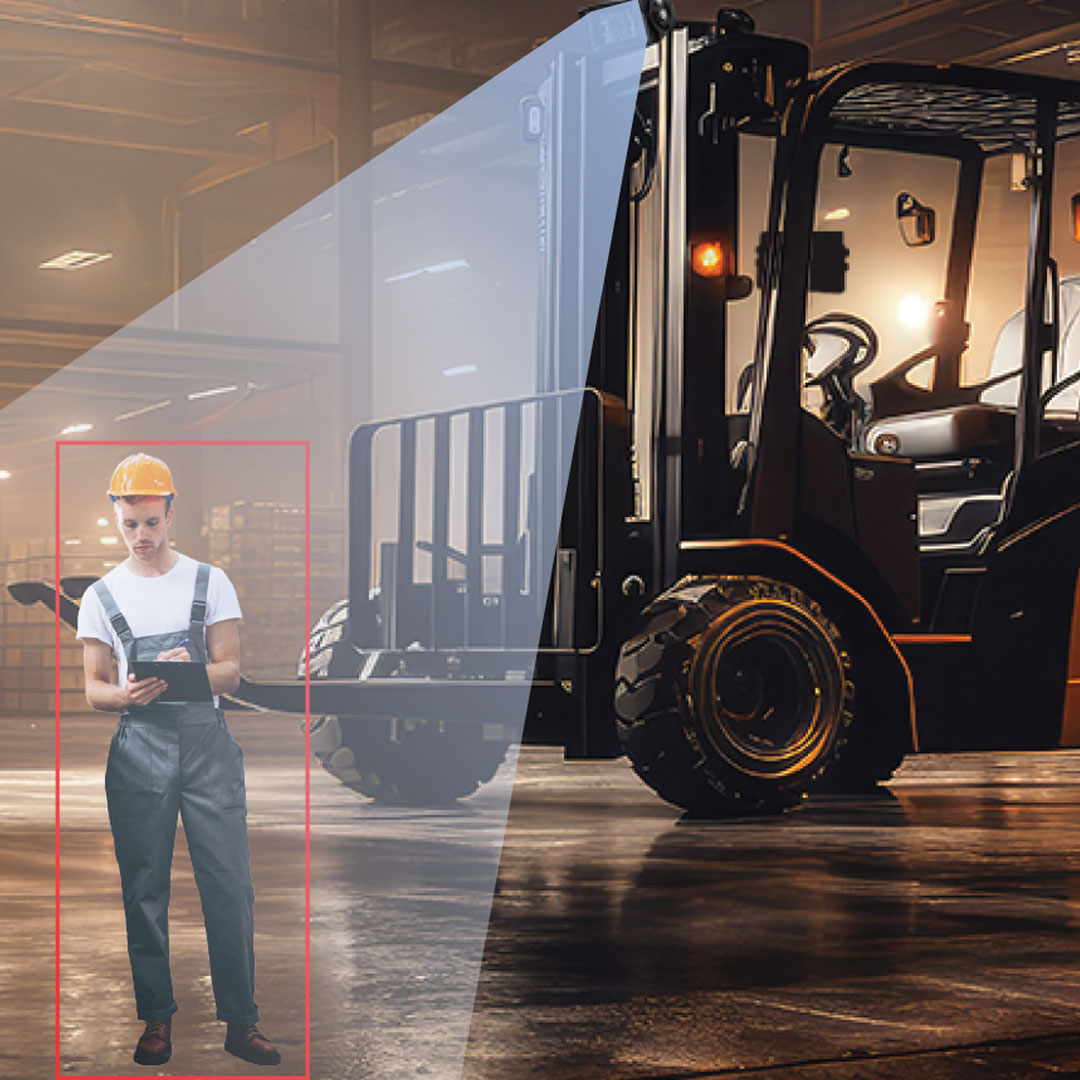
A quarterly inspection of your Forklift Wireless Camera System should cover several areas that daily checks don't reach. Camera housings should be inspected for seal integrity — particularly important in cold storage environments where repeated temperature cycling can stress housing seals over time, and in outdoor environments where UV exposure gradually degrades plastic and rubber components. Any sign of moisture ingress inside a housing is an immediate action item, not a monitor-and-review situation.
Cable connections — even in wireless systems, there are power supply cables and monitor connections — should be inspected for corrosion, chafing, and secure seating. Forklift operating environments are hard on connections, and a corroded power supply connection can cause the same symptoms as a complex electronic fault while being straightforwardly fixable with a connector clean and re-seat.
Monitor screens should be assessed for brightness degradation. LCD panels lose brightness over time, and a monitor that was perfectly visible at installation may have drifted to a brightness level that's inadequate in high-ambient-light environments. Most digital monitors have brightness adjustment settings that can compensate for panel aging — but only if someone checks and adjusts them.
Annual full-system performance verification — testing signal strength, image quality, and transmission reliability under actual operating conditions across the full range of areas where the system is used — provides a documented baseline that allows genuine performance changes to be identified and addressed before they become operational problems.
Building a Maintenance Culture, Not Just a Maintenance Schedule
The most technically comprehensive maintenance programme delivers limited value if it exists only as a document. Long-term reliability for any safety system — including a wireless forklift camera setup — requires a maintenance culture where the people closest to the equipment understand why these checks matter and feel ownership over the system's performance.
Operators who understand that the camera system is there to protect them, not just to monitor them, tend to be the most reliable source of early fault reporting. When something doesn't look right on the monitor, an operator who cares about the system reports it immediately rather than working around it. That early reporting is what allows minor issues to be resolved before they become performance problems.
Include camera system condition in regular safety briefings. Make fault reporting straightforward by having a clear, low-friction process that doesn't require extensive paperwork for a simple "camera image looks blurry" observation. Acknowledge and act on operator feedback visibly, so the feedback loop reinforces itself.
SharpEagle designs forklift safety solutions intended to perform reliably across demanding operational environments in the UK, UAE, and Kuwait — but the engineering that goes into the hardware can only do so much if the maintenance practices on the operational side aren't keeping pace.
Conclusion
A wireless forklift camera system is a safety-critical asset, and like every safety-critical asset, its long-term reliability is a direct function of how consistently and thoughtfully it is maintained. Daily lens checks and pre-shift verification, disciplined firmware management, methodical interference troubleshooting, structured periodic inspection cycles, and a maintenance culture that engages operators as active participants — these practices together are what keep a camera system performing at installation-day standard across years of demanding operational use.
The investment in a quality system deserves a maintenance programme that protects it — so the real question worth asking today is whether your current maintenance approach is genuinely sustaining the safety performance you paid for, or quietly allowing it to erode one missed check at a time?


















Sign in to leave a comment.