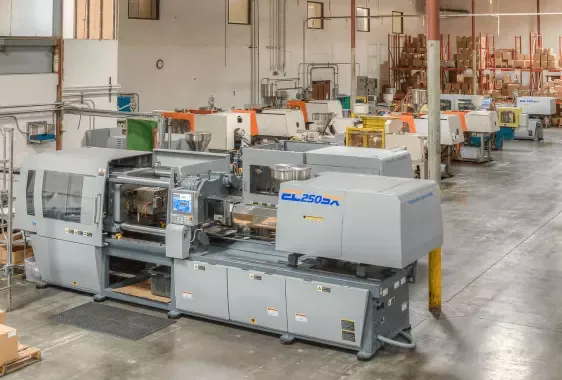

The manufacturing world moves fast, and plastic injection mold making is no exception. What worked a decade ago is quickly being replaced by smarter, faster, and more precise methods. At Nubs Plastics Inc, we've watched this evolution firsthand, and we've adopted many of these advances to deliver better tooling, shorter lead times, and higher-quality parts for our clients. Here are seven techniques that are changing the game in plastic injection mold making today.
1. Simulation-Driven Mold Design
Before a single piece of steel is cut, modern mold makers run detailed simulations of how molten plastic will flow, cool, and shrink inside a cavity. Software tools model fill patterns, weld lines, air traps, and warpage risk long before the mold exists physically. This means fewer surprises during first-article testing and far less costly rework. At Nubs Plastics Inc, simulation has become a standard step in our design process, letting engineers catch design flaws digitally instead of on the shop floor.
2. Conformal Cooling Channels
Traditional mold cooling relies on straight-drilled channels, which often can't reach the tricky contours of complex parts. Conformal cooling changes that by using 3D-printed or additively manufactured channels that follow the exact shape of the mold cavity. The result is more uniform cooling, reduced cycle times, and fewer warping issues. For manufacturers producing high volumes of intricate parts, conformal cooling can shave seconds off every cycle—and those seconds add up fast across a production run.
3. Additive Manufacturing for Mold Components
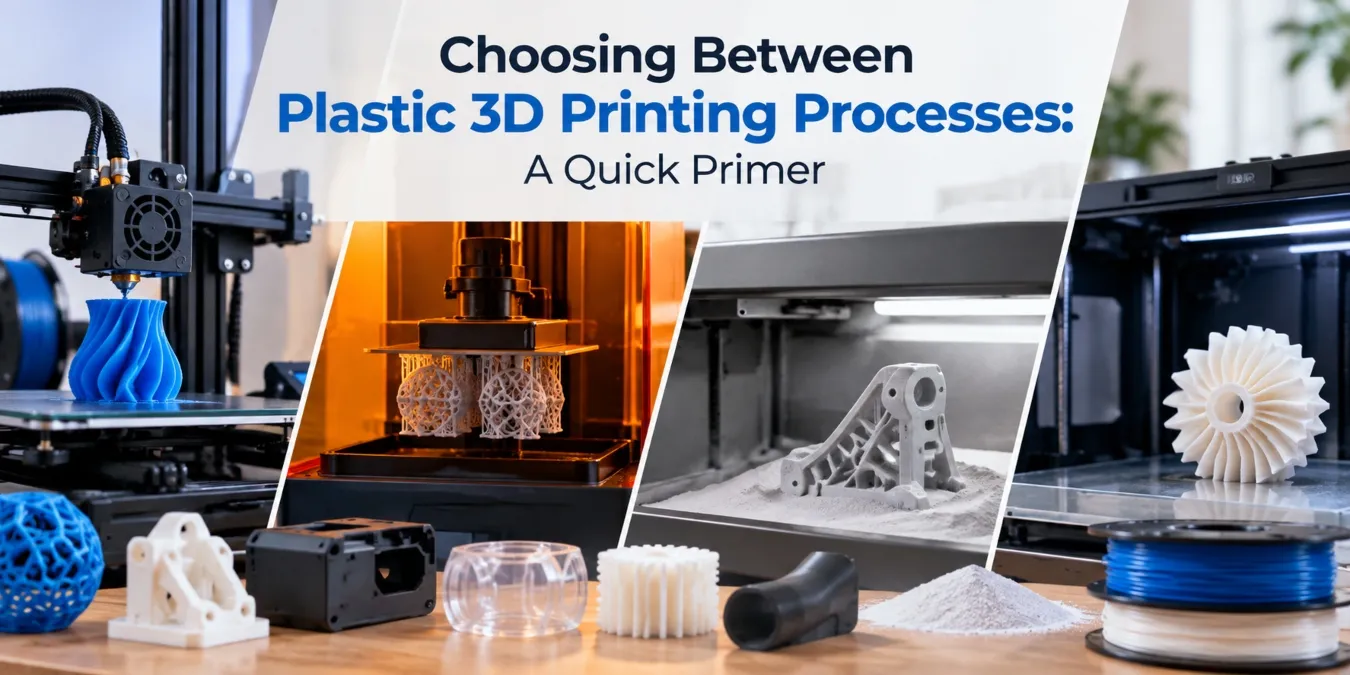
3D printing isn't just for prototypes anymore. Metal additive manufacturing is now used to produce mold inserts, cooling inserts, and even entire cavity blocks. This approach allows for geometries that would be impossible or prohibitively expensive with conventional machining. It also speeds up the iteration process, since engineers can print, test, and refine mold components in days rather than weeks. This is one of the areas where plastic injection mold making has seen the most dramatic transformation in recent years.
4. High-Precision CNC and EDM Machining
Computer numerical control (CNC) machining and electrical discharge machining (EDM) have always been core to mold making, but the precision achievable today is remarkable. Multi-axis CNC machines can now produce complex cavity geometries in a single setup, reducing human error and improving repeatability. EDM, meanwhile, continues to be indispensable for creating sharp corners, fine details, and hardened steel features that traditional cutting tools can't reach. Together, these technologies form the backbone of accurate, repeatable tooling.
5. Smart Sensors and Mold Monitoring
Molds are no longer passive tools—they're becoming data sources. Embedded sensors can now track cavity pressure, temperature, and cycle consistency in real time. This data helps operators spot problems like short shots, flash, or inconsistent packing before they become widespread quality issues. It also supports predictive maintenance, since wear patterns and pressure anomalies can signal when a mold needs attention before it fails outright. Smart monitoring is turning mold makers into much more proactive partners in the production process.
6. Advanced Surface Texturing and Coatings
Surface finish plays a huge role in both part aesthetics and function, and new texturing technologies—like laser engraving and chemical etching—allow for far more intricate and consistent patterns than older methods. Coatings have advanced too, with options that reduce friction, resist corrosion, and extend mold life significantly. These improvements mean molds can run longer between maintenance cycles while consistently producing parts with the exact surface qualities a project demands.
7. Modular and Hybrid Mold Construction
Rather than building an entirely new mold for every variation of a part, many manufacturers are shifting toward modular tooling systems. These allow interchangeable inserts, cavities, or cores to be swapped within a shared base structure. This hybrid approach dramatically reduces tooling costs for product lines with multiple variants and speeds up the transition between production runs. It's a particularly valuable technique for companies balancing frequent design changes with tight budgets.
Why These Techniques Matter
Each of these advances addresses a real pain point in traditional mold making: long lead times, high tooling costs, inconsistent quality, or limited design freedom. Together, they're pushing plastic injection mold making toward a future that's faster, more data-driven, and more adaptable than ever before.
How Nubs Plastics Inc Puts These Techniques to Work
At Nubs Plastics Inc, staying current with these innovations isn't optional—it's central to how we operate. From simulation-driven design through to modular tooling systems, we integrate the latest advances into every project so our clients benefit from shorter development cycles, more durable molds, and parts that meet spec the first time.
Whether you're developing a new product or refining an existing mold, understanding these seven techniques can help you make smarter decisions about your tooling investment. And if you're looking for a partner who lives and breathes modern plastic injection mold making, the team at Nubs Plastics Inc is ready to help turn your design into a production-ready reality.

























Sign in to leave a comment.