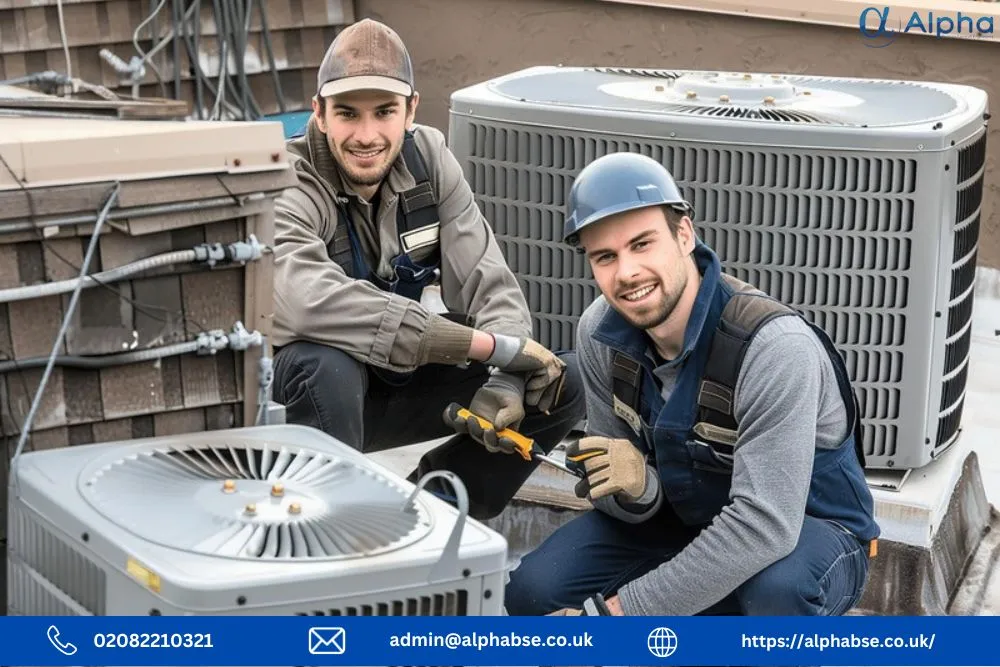

The transition towards low-carbon heating has reshaped the entire construction and engineering sector, especially in how homes and commercial buildings are heated. Traditional fossil-fuel-based systems are gradually being replaced with renewable alternatives and one of the fastest-growing technologies in this space is the air source heat pump. As demand increases across the UK and other regions focusing on net-zero targets, the need for skilled installers and technicians has grown significantly. This shift has made structured learning pathways such as an air source heat pump course an important entry route into the renewable energy industry.
Why is an air source heat pump course becoming important in modern energy careers?
The demand for renewable heating solutions has created a strong need for professionals who understand modern energy-efficient systems. An air source heat pump course is becoming increasingly important because it aligns directly with government-backed sustainability goals and the growing adoption of low-carbon technologies in residential and commercial properties.
The UK Government, through the Department for Energy Security and Net Zero (DESNZ), continues to support initiatives such as the Boiler Upgrade Scheme, encouraging homeowners to replace traditional heating systems with renewable alternatives. As a result, industries connected to HVAC systems and domestic heating systems are experiencing rapid transformation.
This course is particularly relevant because it supports career growth in renewable energy training course pathways, offering long-term stability, technical development and access to a growing job market where heat pump training course qualifications are becoming essential.
What is an air source heat pump course?
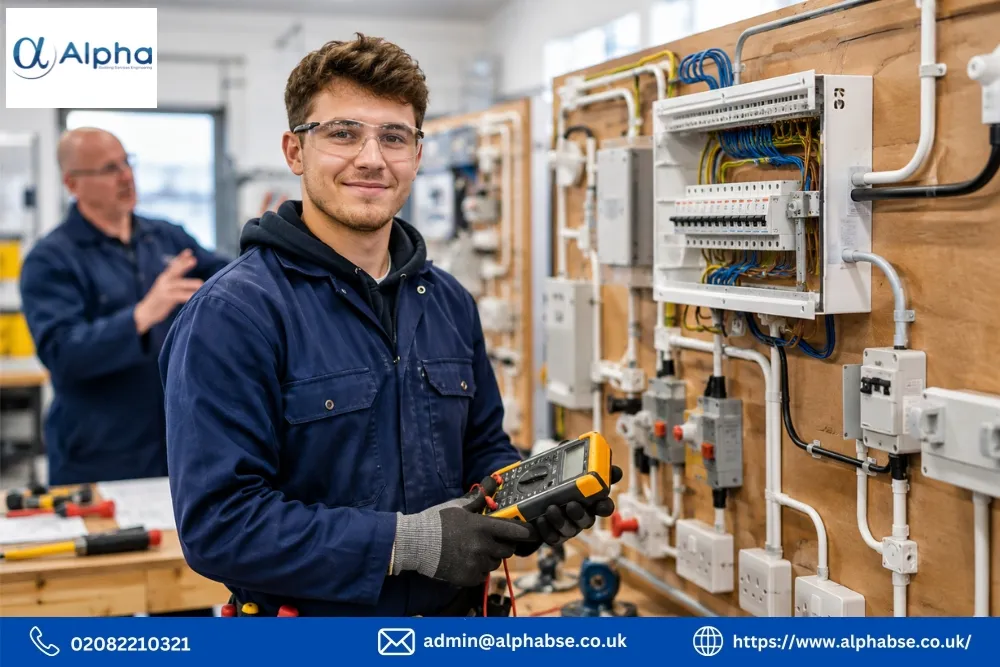
An air source heat pump course is a structured training programme designed to teach learners how heat pump systems operate, how they are installed and how they are maintained in real-world environments. It combines technical theory with practical workshop-based learning to ensure participants understand both the scientific principles and hands-on requirements of installation work.
The course focuses on heat pump technology, which involves transferring heat from external air into a building using a refrigeration cycle. Training providers such as Logic4training and Able Skills deliver programmes aligned with industry-recognised standards such as City & Guilds certifications. These qualifications ensure learners gain the necessary competence to work safely and effectively in the renewable heating industry.
How does air source heat pump technology work in heating systems?
Air source heat pump systems operate by extracting thermal energy from the outside air and transferring it into a building for heating and hot water supply. Even in cold weather conditions, the system can efficiently absorb heat energy due to the properties of refrigerants used within the cycle.
The process begins when outdoor air passes over an evaporator coil containing refrigerant. The refrigerant absorbs heat and changes into a gas. This gas is then compressed, increasing its temperature before it transfers heat into the indoor heating system. Once the heat is released, the refrigerant returns to its original state and the cycle continues.
Manufacturers such as Daikin, Mitsubishi Electric, Vaillant, Bosch Thermotechnology, LG Electronics and Samsung HVAC systems have developed advanced heat pump solutions that improve performance, energy efficiency and reliability. These systems are widely used in modern domestic heating systems as part of the transition toward renewable energy.
Why should you take an air source heat pump course for your career growth?
Choosing to study an air source heat pump course offers significant career advantages due to the rapid expansion of the renewable energy sector. As countries continue to invest in low-carbon technologies, the demand for skilled technicians is increasing across residential, commercial and industrial environments.
This career path provides access to roles in HVAC engineering, renewable energy technician positions and specialised installation services. Professionals trained in heat pump installation training are often in short supply, which creates strong job security and competitive earning potential.
In addition, the growth of green construction projects means that individuals with expertise in energy systems and renewable heating systems are becoming essential to meeting sustainability targets.
Who can enroll in an air source heat pump course?
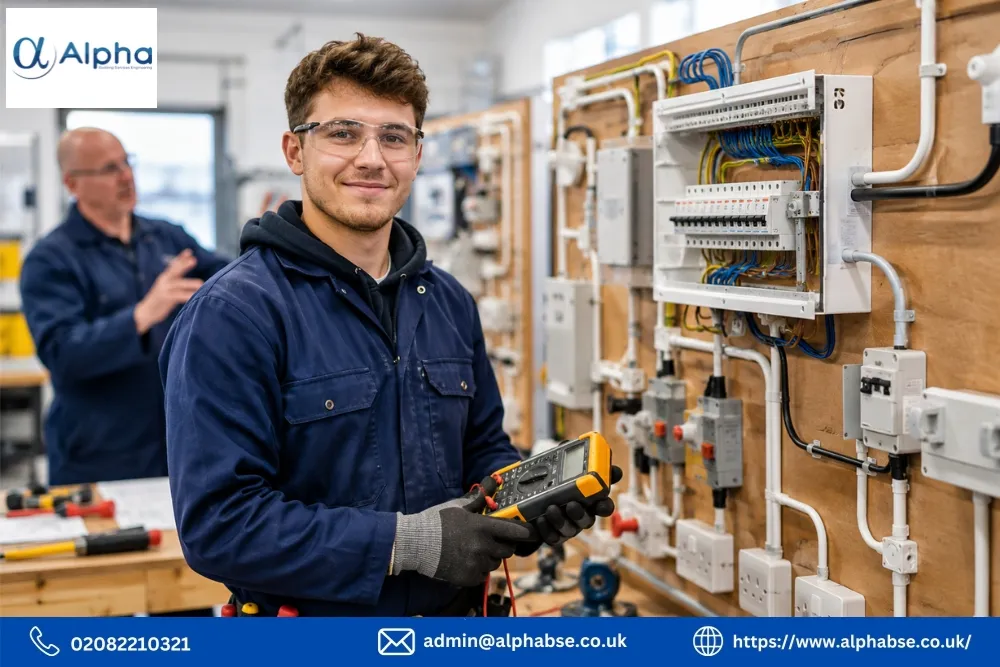
An air source heat pump course is designed to be accessible to a wide range of learners. It is suitable for individuals already working in the plumbing and heating industry, as well as electricians who want to expand into renewable energy systems. It is also a strong option for beginners who are interested in entering a technical trade.
Many learners enter the field from vocational backgrounds, while others choose it as a career change into renewable energy technician roles. Because the industry continues to grow, training pathways are structured to accommodate different skill levels, making it easier for learners to progress from basic knowledge to advanced qualifications.
What qualifications do you need before starting an air source heat pump course?
Entry requirements vary depending on the level of training, but many beginner-level programmes do not require formal qualifications. However, having some background knowledge in plumbing, heating, or electrical systems can make the learning process easier.
Learners who already hold NVQ Level 2 Plumbing and Heating or NVQ Level 3 Heating and Ventilation qualifications often progress more quickly into advanced training. Certification bodies such as City & Guilds and OFTEC provide structured pathways that help learners build technical competence step by step. In some cases, additional certification such as F-Gas training is required for working with refrigerants safely in line with industry regulations.
What will you learn in an air source heat pump course?
The training content is designed to prepare learners for real-world installation and maintenance work. It begins with understanding the core principles of heat pump technology, including how energy is transferred and how system efficiency is measured.
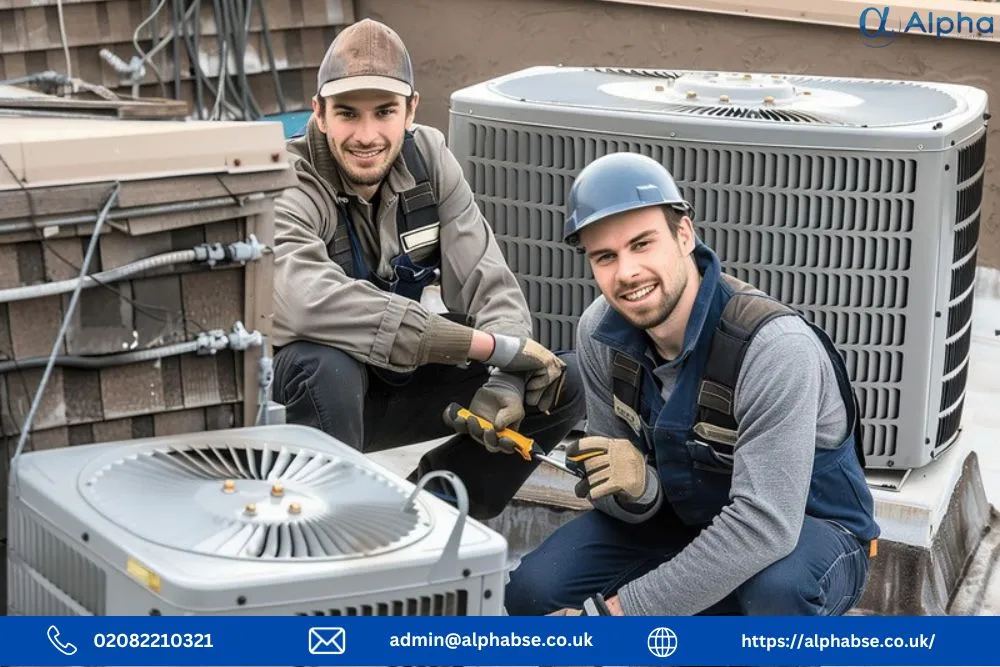
Learners study system design, installation procedures, commissioning processes and troubleshooting techniques. The course also covers energy efficiency principles, system optimisation and safety regulations relevant to HVAC systems. Practical training plays a major role, allowing learners to work with actual equipment and gain experience in diagnosing faults and performing maintenance tasks.
By the end of the programme, learners develop the skills needed to install and maintain air source heat pump systems in both domestic and commercial environments.
How long does an air source heat pump course take to complete?
The duration of training depends on the level of qualification and the depth of study involved. Short introductory courses can be completed within a few days and are designed to provide basic awareness of system operation. More advanced certifications may take several weeks or months, especially when practical assessments are included.
Some programmes offer part-time and blended learning options, allowing learners to balance training with existing work commitments. This flexibility makes it easier for individuals to enter the renewable energy sector without long periods away from employment.
Where can you study air source heat pump courses in the UK?
Training opportunities are widely available across the UK through accredited colleges and private training providers. Institutions such as Logic4training, Able Skills and North West Training Council (NWTC) offer structured programmes designed to meet industry standards.
Many of these centres provide hands-on workshops combined with theoretical learning, ensuring learners gain both technical knowledge and practical experience. Accreditation from organisations such as City & Guilds ensures that qualifications are recognised by employers across the HVAC and renewable energy sectors.
What certifications can you achieve after completing an air source heat pump course?
Successful completion of training can lead to several recognised qualifications that enhance employability in the renewable energy industry. These may include City & Guilds certifications, NVQ Level 2 or Level 3 qualifications in heating and ventilation and MCS accreditation, which is widely recognised in the installation sector.
In addition, F-Gas certification is often required for professionals working with refrigerants. These qualifications ensure compliance with industry standards and demonstrate technical competence in renewable heating systems.
How much does an air source heat pump course cost in the UK?
The cost of training varies depending on the provider, course level and certification included. Introductory programmes are generally more affordable, while advanced qualifications require a higher investment due to their depth and practical components.
Some learners may also access funding schemes or government-supported initiatives designed to encourage entry into renewable energy careers. These financial support options help reduce the overall cost of training and make it more accessible.
What career opportunities are available after completing an air source heat pump course?
Completing this training opens up multiple career paths within the renewable energy and HVAC sectors. Learners can progress into roles such as heat pump installers, HVAC engineers, renewable energy technicians, or even self-employed heating specialists.
As demand for energy-efficient systems continues to grow, professionals with expertise in air source heat pump installation training are increasingly sought after in both residential and commercial projects. This creates strong long-term career stability and opportunities for advancement.
Is air source heat pump training worth it for future sustainable careers?
Investing in this type of training offers strong long-term value due to the global shift towards sustainable energy systems. Governments are actively promoting renewable heating solutions as part of net-zero strategies, which ensures continued demand for skilled professionals.
The combination of industry growth, job security and increasing technical requirements makes this training highly relevant for future careers. It provides a clear pathway into a sector that is expected to expand significantly over the coming years.
What should you consider before choosing an air source heat pump course?
Selecting the right training programme is essential for building a successful career in the renewable energy sector. Factors such as accreditation, practical training quality and industry recognition should be carefully evaluated before enrolling.
It is also important to consider whether the course provides real hands-on experience with heat pump systems, as this directly impacts job readiness. Choosing a well-recognised provider ensures that qualifications are valued by employers and aligned with current industry standards in HVAC systems and renewable energy training courses.
Frequently Asked Questions (FAQs)
1. What is an air source heat pump course?
Air source heat pump course is a training programme that teaches how heat pump systems work, how to install them and how to maintain them in residential and commercial properties.
2. Who can join an air source heat pump course?
Air source heat pump course can be joined by plumbers, electricians, HVAC technicians and beginners who want to start a career in renewable energy systems.
3. How long does an air source heat pump course take?
Air source heat pump course duration usually ranges from a few days for basic training to several weeks or months for advanced certification programmes.
4. What qualifications can you get from an air source heat pump course?
Air source heat pump course can lead to qualifications such as City & Guilds certifications, NVQ Level 2 or 3, MCS accreditation and F-Gas certification.
5. Is an air source heat pump course worth it for a career?
Air source heat pump course is worth it because it provides access to growing job opportunities in renewable energy, HVAC systems and sustainable heating industries.


























Sign in to leave a comment.