

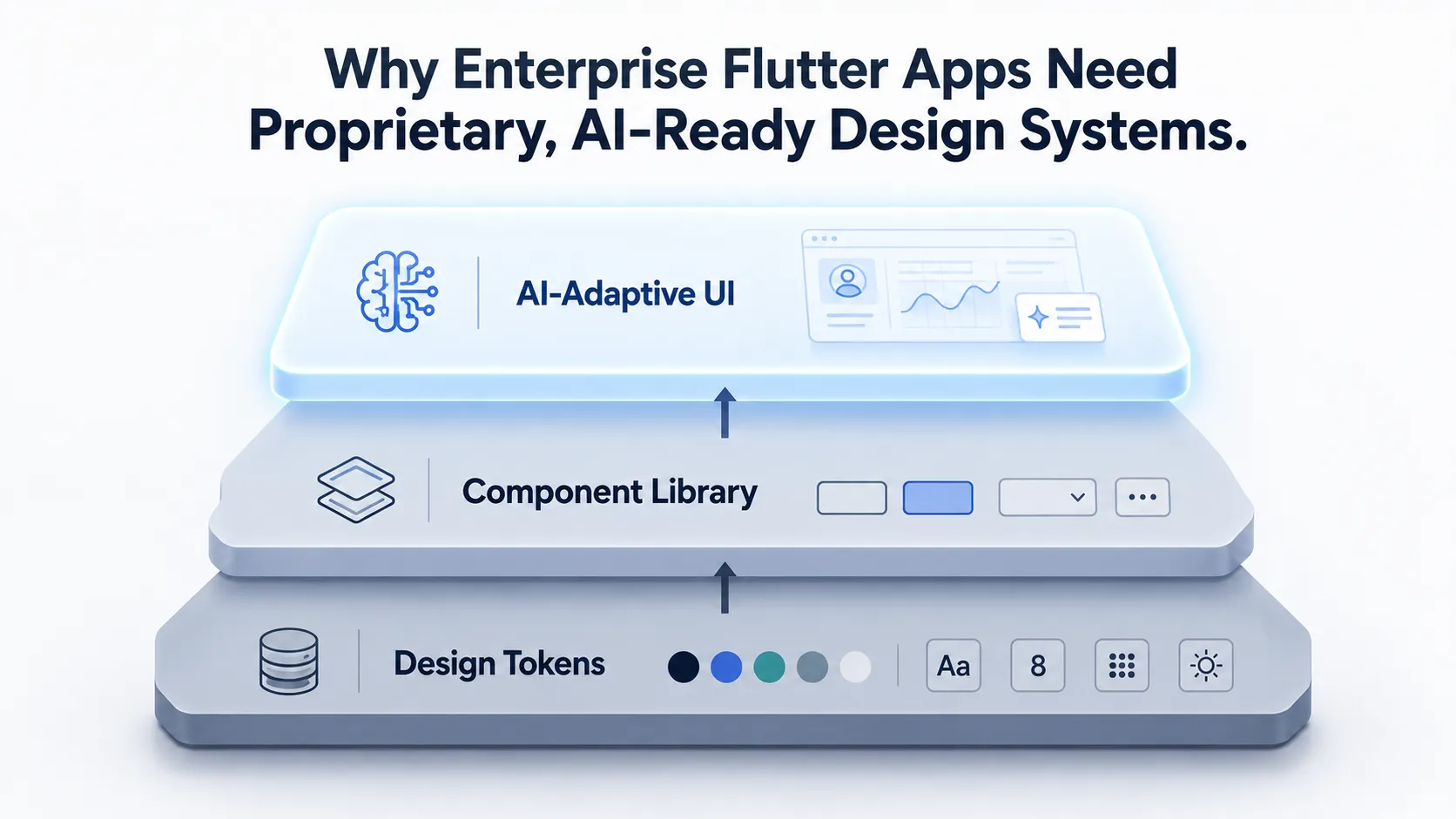
Legacy application modernization is often limited by undocumented business logic, complex dependencies, and uncertainty around existing system behavior. This article explores how AI is changing modernization by enabling deeper application intelligence, AI-driven workflows, controlled code remediation, behavioral validation, and continuous modernization. It explains how organizations can combine AI capabilities with engineering practices to modernize complex applications.

Startups and enterprises can build a functional tech team in 30 days by combining internal ownership with IT staff augmentation services. This provides faster onboarding, structured knowledge transfer, and flexible capacity aligned with immediate delivery needs.
Android 17 introduces platform-level changes that can disrupt app behavior, permissions, background processing, large-screen layouts, and third-party dependencies. This article highlights the apps most at risk, key Android 17 changes, and a practical compatibility testing approach.
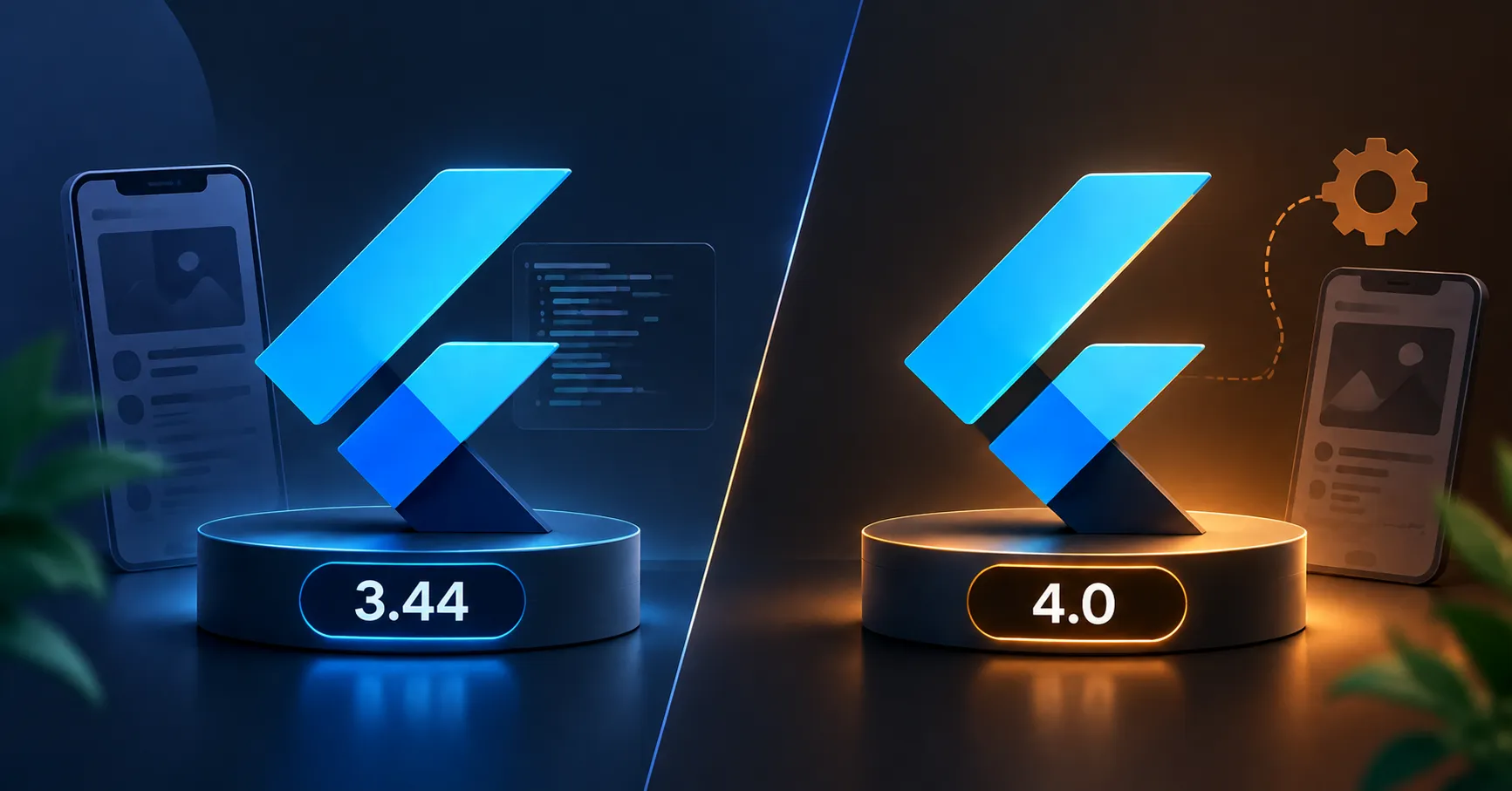
Flutter 3.44 and 3.47 are already delivering structural changes often attributed to Flutter 4.0. The article separates confirmed shifts from speculation and explains what executives should prioritize across upgrades, dependencies, tooling, compatibility, and modernization planning.

This article explains how Flutter AI Toolkit supports agentic mobile app development through multimodal interfaces, function calling, tool orchestration, and cross-platform delivery. It covers the development sequence, state and execution design, and production guardrails needed to build reliable agentic workflows with controlled autonomy.
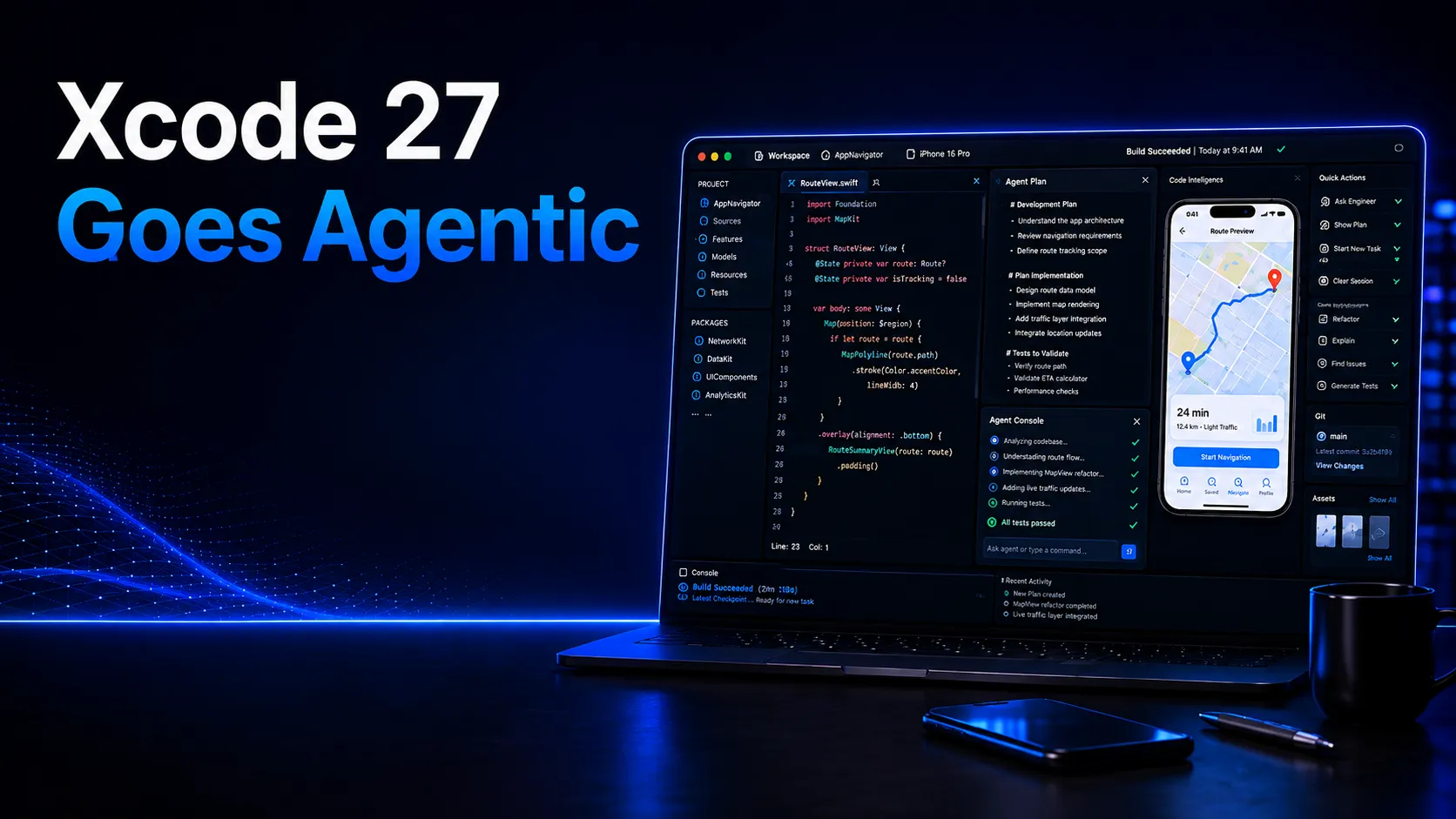
Explore how Xcode 27 changes agentic coding for Apple development with plan mode, parallel agents, review artifacts, plug-ins, and filesystem controls.

A blended squad brings internal teams and external specialists into one engineering framework with shared standards, ownership, and quality controls. This blog explains how the model protects code quality through architecture governance, CI pipelines, risk-based testing, controlled releases, production accountability, and continuous knowledge transfer.
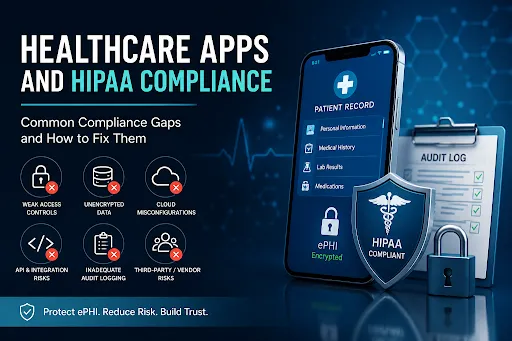
Healthcare apps often fail HIPAA compliance when ePHI moves through unmapped systems, weak access controls, APIs, logs, cloud platforms, and third-party tools. This blog explains the common technical gaps behind HIPAA non-compliance, the business risks they create, and how development teams can fix them through better PHI mapping, access control, encryption, audit logging, vendor review, and pre-release testing.

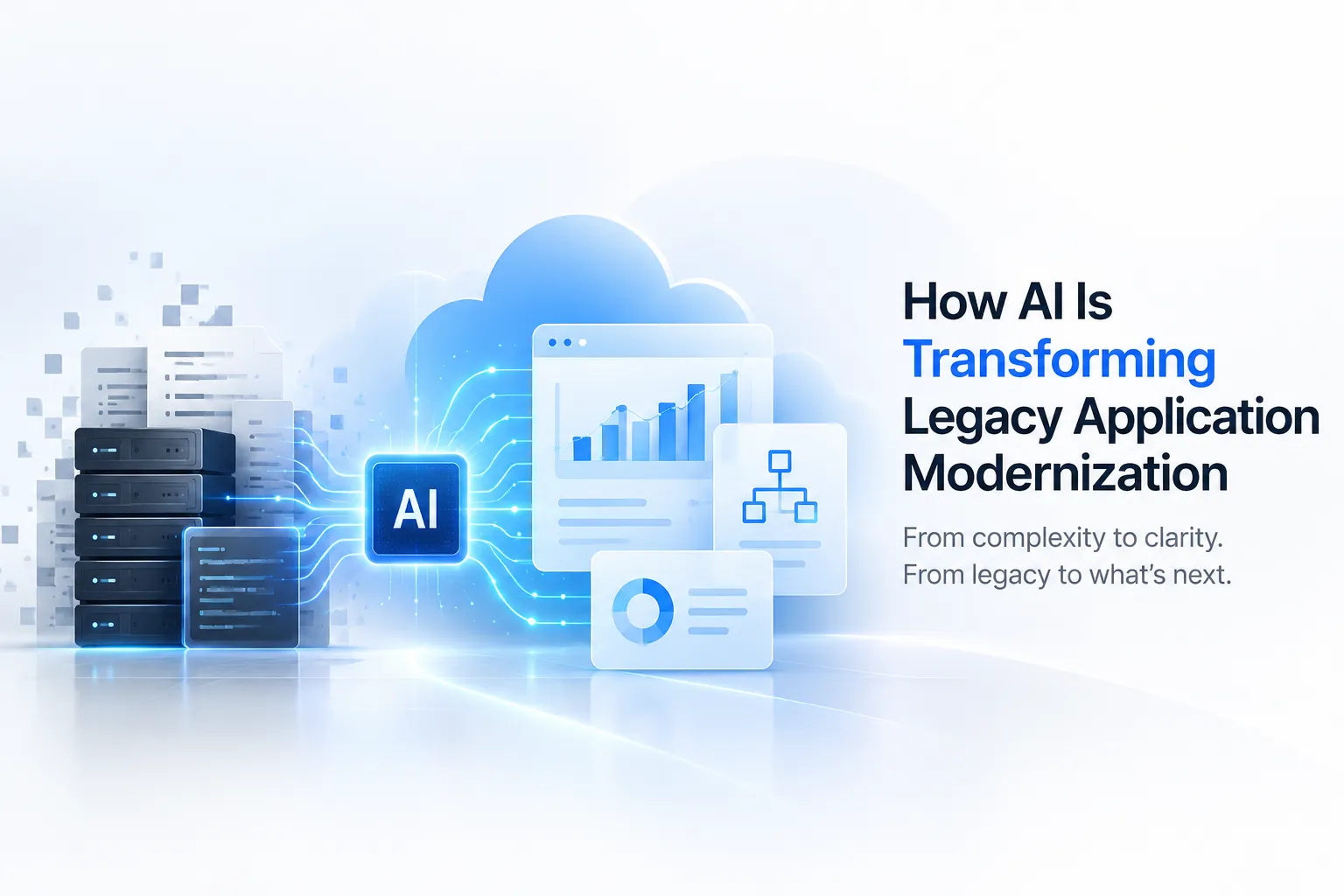
Legacy systems still run critical enterprise operations, but they also slow cloud adoption, automation, and AI readiness. This article explains how AI improves legacy modernization through faster system review, code refactoring, testing, data migration, and risk detection. It also highlights why human oversight remains essential for business logic, architecture, compliance, and long-term digital growth.
IntroductionAsk any engineering leader what they want from a Flutter hire, and the answer is predictable: someone who can ship cross-platform apps, write cle...
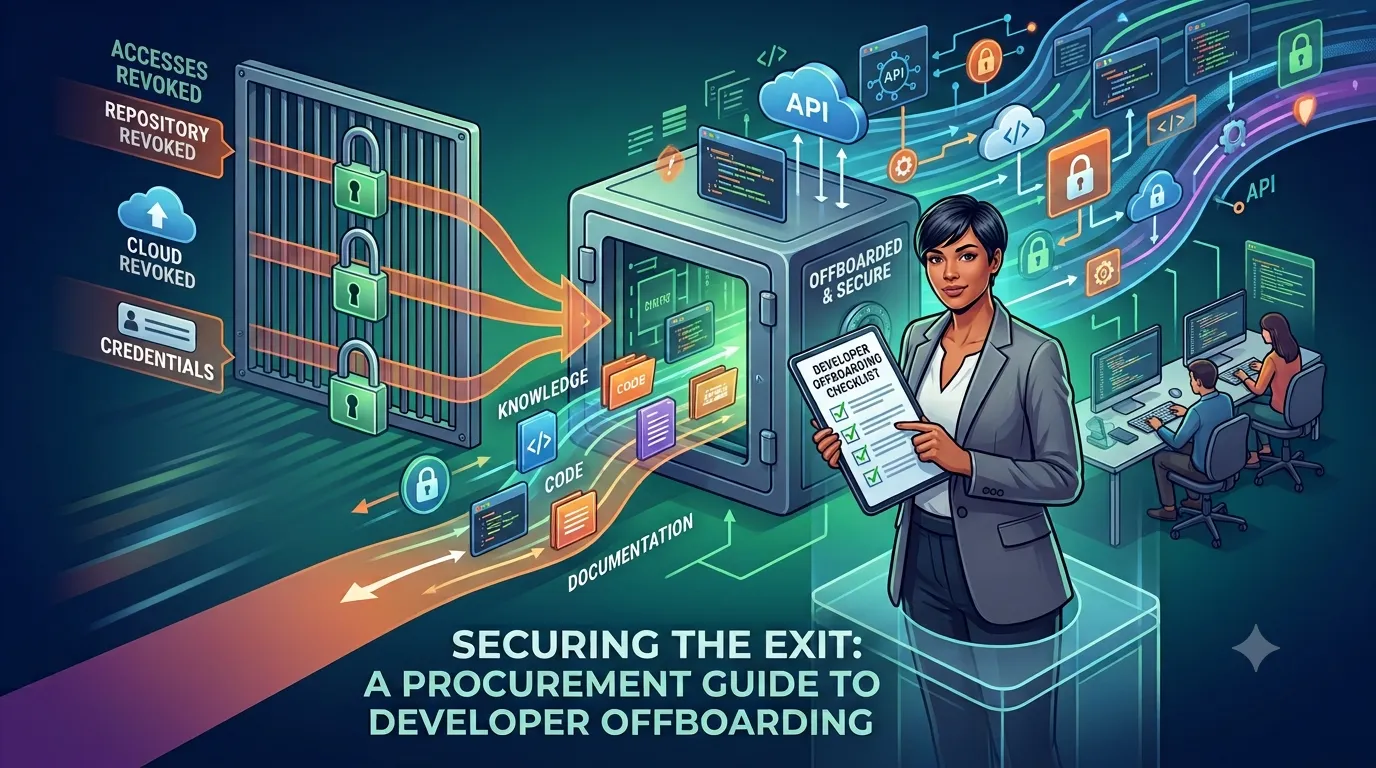
This blog explains why offboarding an augmented developer should be treated as a structured vendor governance process, not a trust issue. It covers where offboarding gaps usually appear, including untracked tool access, shared credentials, active repository permissions, pending pull requests, incomplete knowledge transfer, unclear intellectual property closure, and delayed vendor confirmation. It also provides a seven-step developer offboarding checklist.
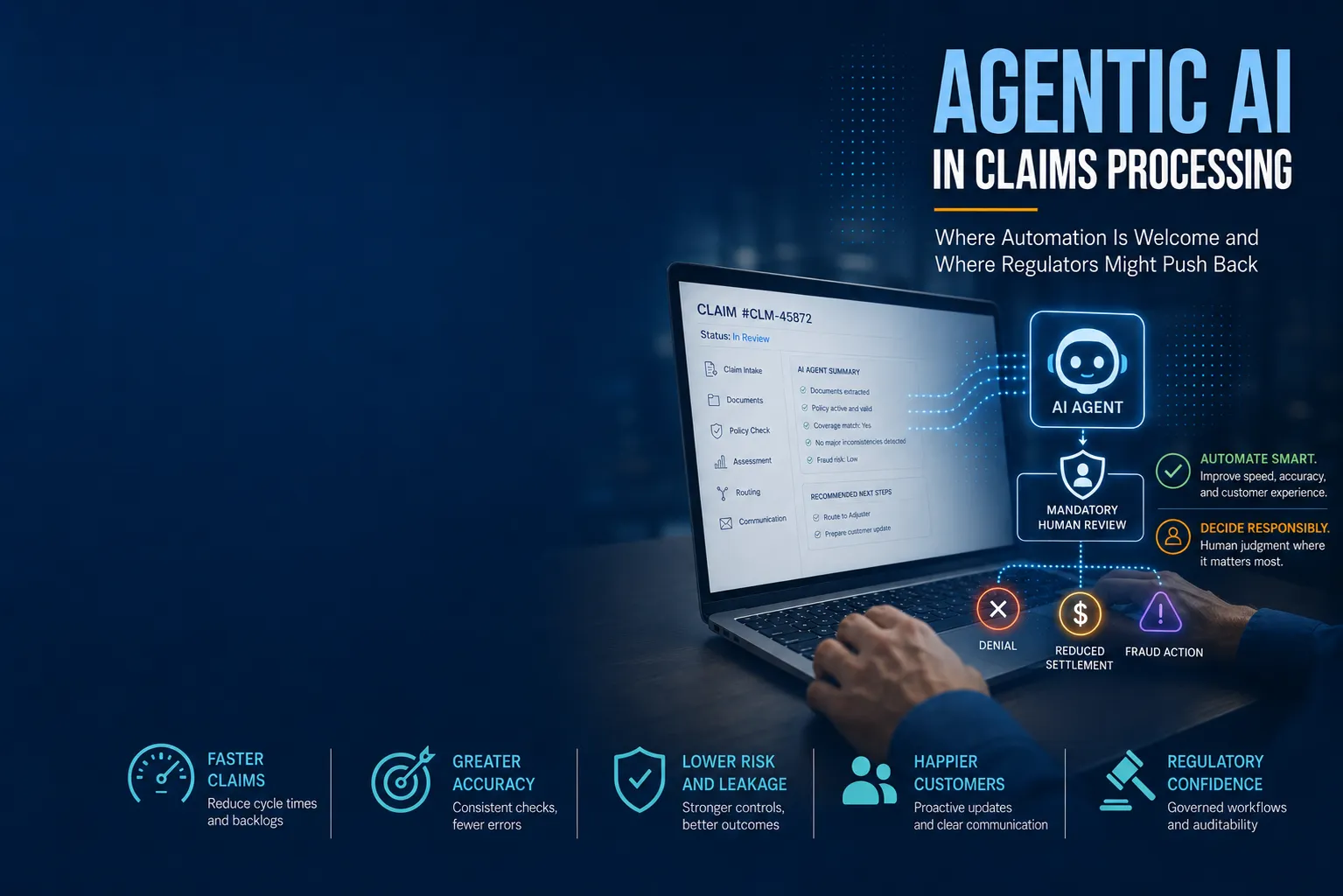
Agentic AI is transforming insurance claims processing through faster intake, document review, routing, fraud signal detection, and decision support. But claims cannot become fully autonomous. This article explains where automation fits, where regulators may push back, and how insurers can build governed, human-in-the-loop workflows.