

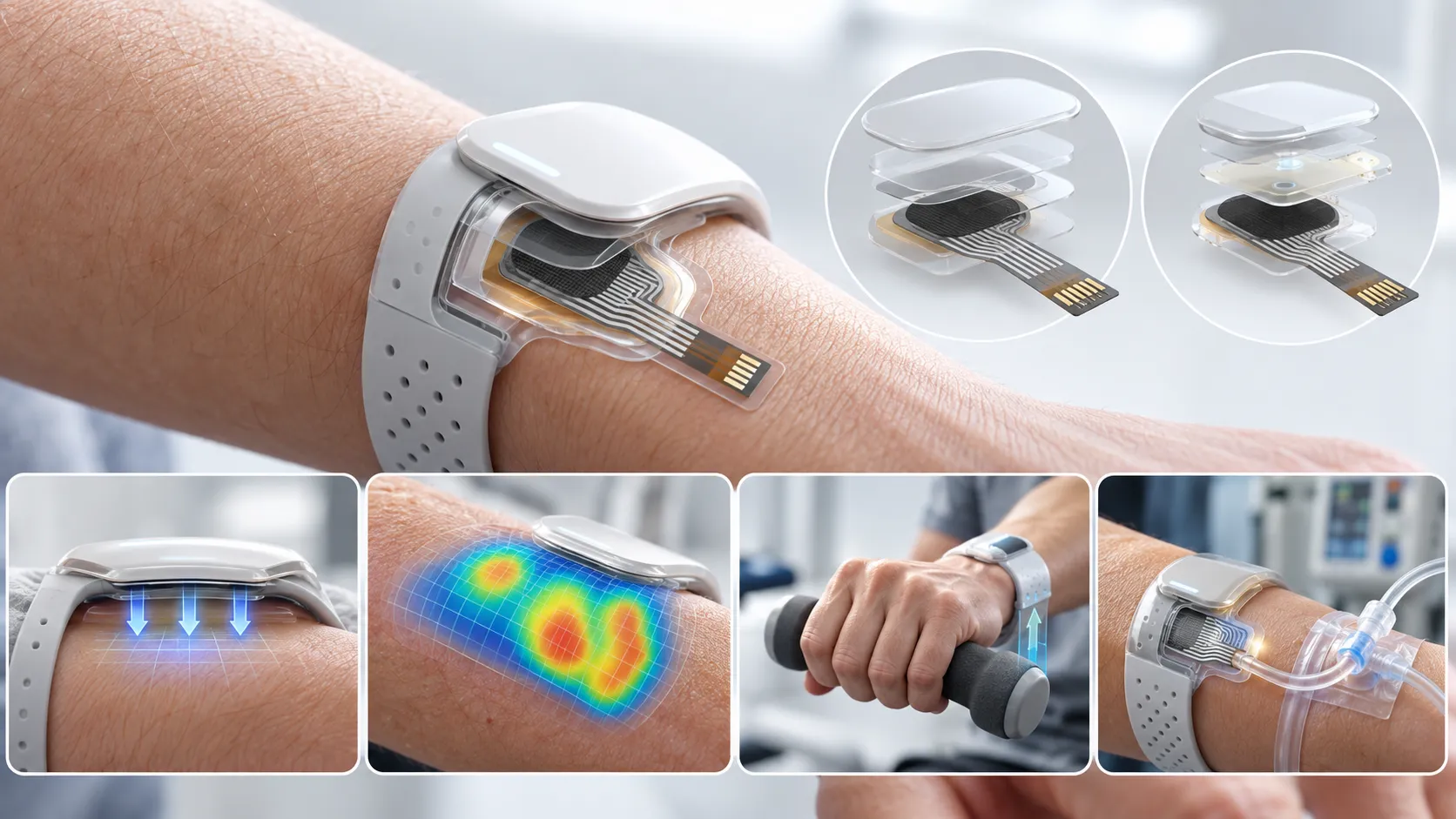
Most descriptions of a medical wearable list what it measures. Heart rate, temperature, oxygen saturation, movement. Force rarely appears on that list,...
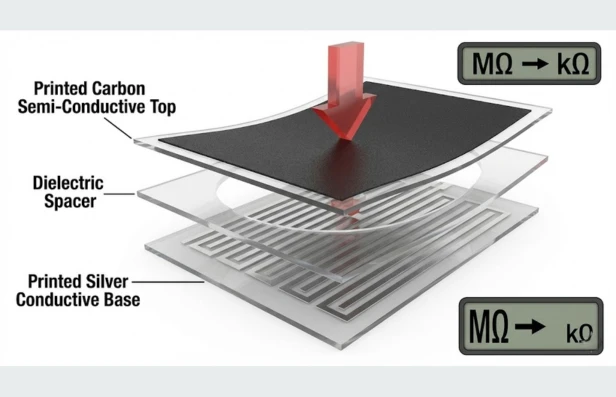
A force sensing resistor (FSR) measures how much pressure is applied and works through physical force, so it functions with gloves, in wet conditions, and without conductive contact.
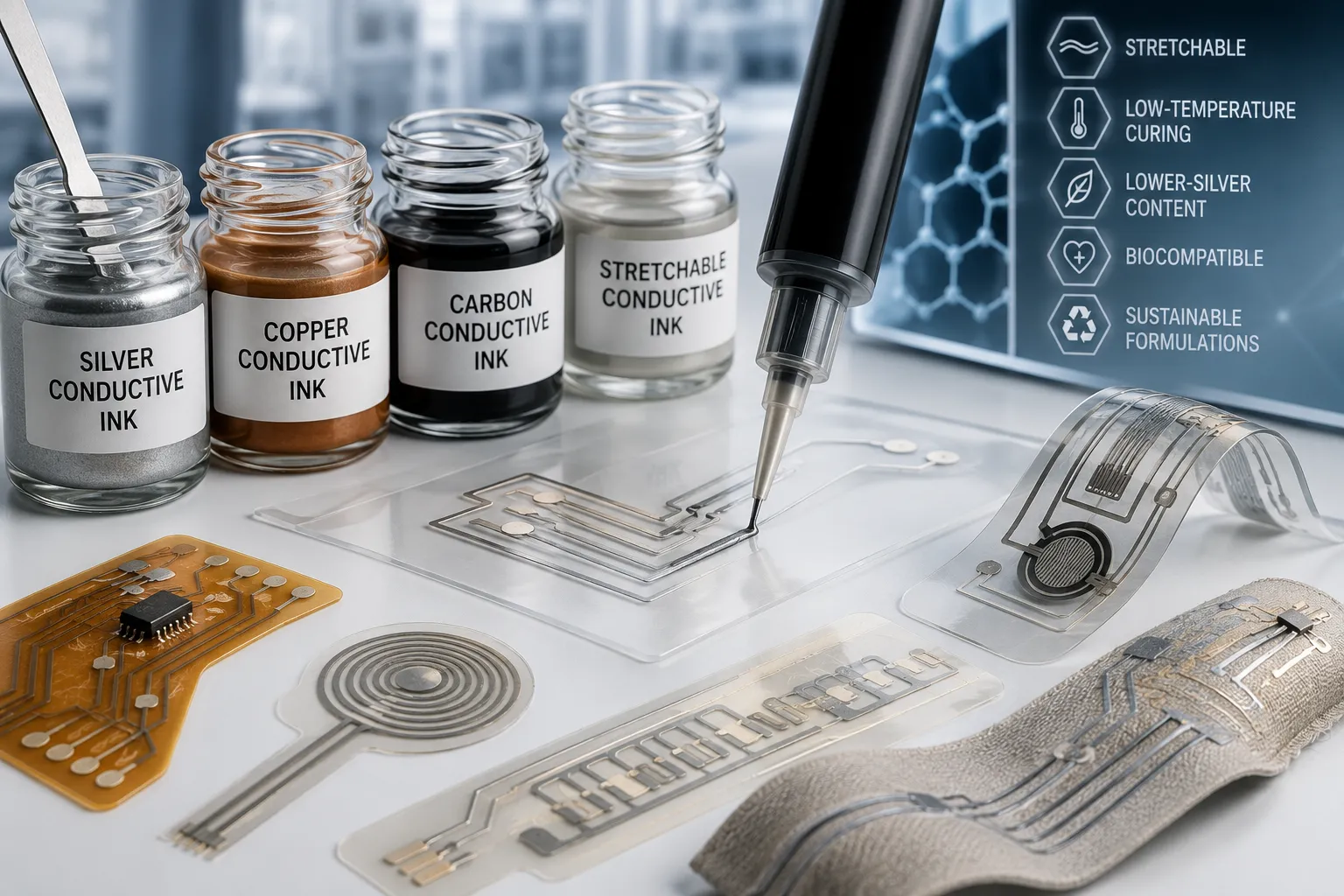
Conductive inks are printable, particle-loaded materials that carry electrical current once printed; innovations like stretchable, low-temperature, copper-based, and biocompatible inks are rapidly expanding what flexible and printed electronics can do.

Meta Title: Precision Input Devices in High Risk Environments: Why Design MattersMeta Description: Learn how precision input devices reduce risk in cri...

Biometric sensors are no longer limited to controlled environments. Today, they are widely used in industrial systems, medical devices, automotive applicatio...
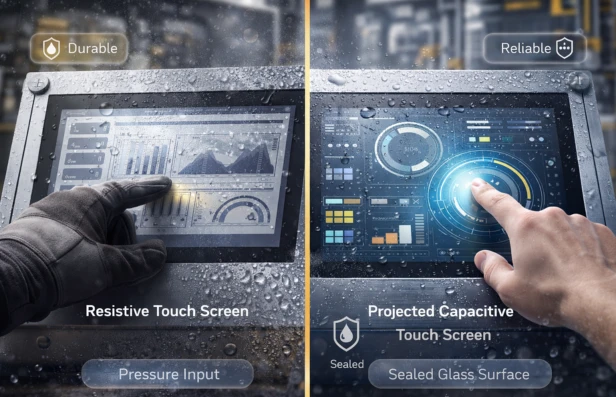
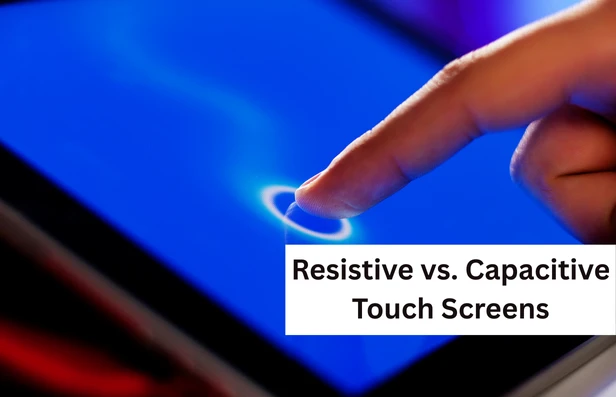
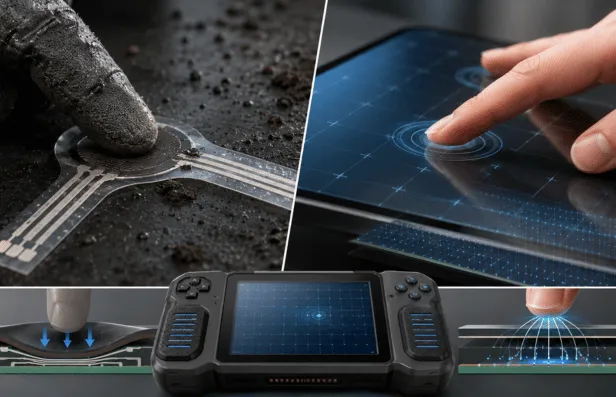
Compare resistive and projected capacitive touch screens in industrial applications, including durability, glove use, optical clarity, and system integration.
Force Sensing Resistors enable products to detect pressure, grip, and weight distribution in ways simple on off inputs cannot. This guide explains how printed FSRs work, how they are constructed, and when they outperform traditional load cells in modern product design.
Capacitive touch technology enables responsive, pressure-free interaction through changes in electrical charge. Unlike resistive systems, it offers higher durability, multi-touch precision, and sleek UI integration. This article breaks down how capacitive touch works, its key types—surface and projected—and explores applications in medical, automotive, industrial, and consumer devices.
The user is using a touchscreen kiosk.