

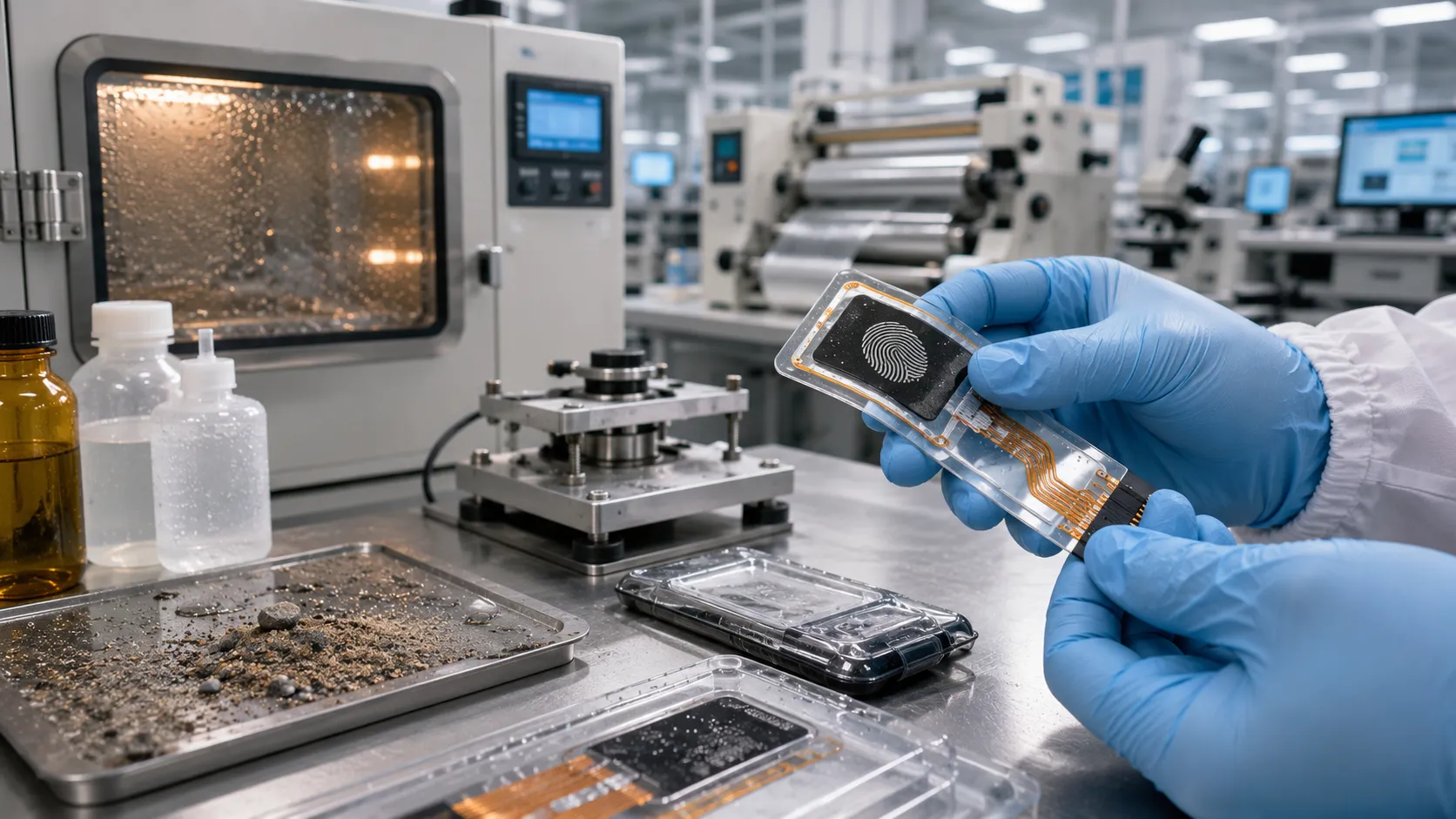
Biometric sensors are no longer limited to controlled environments. Today, they are widely used in industrial systems, medical devices, automotive applications, and outdoor equipment, where conditions can be unpredictable and demanding.
Designing biometric sensors for these environments requires more than basic functionality. It requires engineering for durability, reliability, and consistent performance under stress.
What Are Biometric Sensors?
Biometric sensors are devices that detect and measure biological or physiological signals. These signals are used for identification, monitoring, or control.
Common types include:
- Fingerprint sensors
- ECG sensors (heart activity)
- EMG sensors (muscle activity)
- EEG sensors (brain signals)
- Capacitive touch sensors
- Optical sensors
These sensors convert physical interactions or biological signals into electrical data that systems can process.
What Defines a Harsh Environment?
A harsh environment is any condition that can negatively affect sensor performance or lifespan.
Key environmental factors include:
- Extreme temperatures (high heat or freezing conditions)
- Moisture, humidity, and water exposure
- Chemical exposure (cleaning agents, oils, solvents)
- Mechanical stress (vibration, shock, pressure)
- Dust and particulate contamination
- UV exposure and outdoor conditions
These factors impact:
- Material integrity
- Electrical performance
- Signal accuracy
Key Design Challenges for Biometric Sensors
Designing for harsh environments introduces several challenges:
- Maintaining signal accuracy under interference
- Preventing material degradation over time
- Ensuring stable electrical performance
- Supporting user interaction under varying conditions
- Integrating sensors into compact or flexible systems
If these challenges are not addressed early, sensor performance can degrade quickly in real-world use.
Core Design Strategies for Harsh Environments
1. Material Selection and Protection
Material selection is the foundation of durability.
Key approaches include:
- Using durable substrates such as PET, polyimide, and TPU
- Applying protective coatings to resist chemicals and abrasion
- Using UV-stable materials for outdoor applications
- Selecting materials that maintain performance under stress
2. Sealing and Environmental Protection
Preventing environmental exposure is critical.
Design strategies include:
- IP-rated sealing (IP65, IP67, IP68)
- Edge sealing and lamination techniques
- Barrier layers to prevent moisture ingress
These measures protect internal sensor components from contamination and failure.
3. Signal Stability and Noise Reduction
Harsh environments introduce electrical noise and signal disruption.
Solutions include:
- Shielding against electromagnetic interference
- Signal filtering and processing
- Stable conductive materials
- Calibration for environmental variations
4. Flexible and Robust Sensor Design
Flexibility improves durability.
Approaches include:
- Flexible printed electronics
- Thin-film sensor construction
- Designs that withstand bending and deformation
- Integration into curved or wearable surfaces
5. Temperature Resistance Engineering
Temperature extremes affect materials and electrical behavior.
Design considerations include:
- Materials with controlled thermal expansion
- Stable conductive inks
- Resistance to thermal cycling
- Maintaining performance across temperature ranges
6. Mechanical Durability and Wear Resistance
Sensors must withstand repeated use.
Key strategies:
- Abrasion-resistant overlays
- Reinforced structural layers
- Long lifecycle design
- Resistance to repeated pressure and motion
7. User Interface and Usability Design
Real-world usage conditions vary.
Design must support:
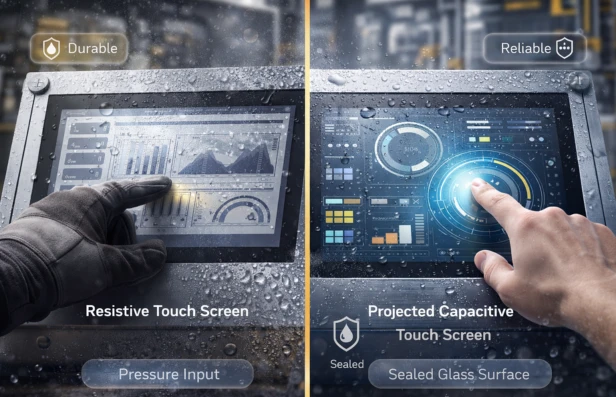
- Operation with gloves or wet hands
- Pressure sensitivity adjustments
- Consistent performance across users
- Reliable human-machine interaction
How Printed Electronics Enable Harsh Environment Performance
Printed electronics play a major role in modern sensor design.
Advantages include:
- Thin and flexible structures
- Layered protection systems
- Customizable sensor layouts
- Integration into compact devices
These enable performance under:
- Mechanical stress
- Environmental exposure
Testing and Validation for Harsh Conditions
Testing ensures real-world reliability.
Environmental Testing
- Temperature cycling
- Humidity testing
- Chemical exposure testing
Mechanical Testing
- Vibration testing
- Impact testing
- Flex testing
Electrical Testing
- Signal stability validation
- Noise resistance testing
- Long-term performance evaluation
Applications of Biometric Sensors in Harsh Environments
Industrial Systems
- Operator authentication
- Control panel integration
- Safety systems
2. Medical Devices
- Wearable monitoring
- Rehabilitation systems
- Patient diagnostics
3. Automotive and Transportation
- Driver monitoring
- Seat-based sensors
- Interface controls
4. Outdoor and Field Equipment
- Portable devices
- Defense systems
- Remote monitoring solutions
Common Design Mistakes to Avoid
- Ignoring environmental conditions early in design
- Using standard materials instead of specialized materials
- Underestimating moisture and chemical exposure
- Poor sealing design
- Skipping real-world validation testing
- Designing only for lab conditions
Key Takeaways
- Harsh environments require specialized sensor engineering
- Material selection and protection are critical
- Signal stability must be maintained under interference
- Testing ensures long-term reliability
- Printed electronics enable flexible and durable designs
How We Help at Butler Technologies
At Butler Technologies, we design and manufacture custom biometric sensor solutions tailored for demanding environments.
We support:
- Custom sensor design
- Material selection
- Prototyping and validation
- Environmental testing
- Scalable manufacturing
Our focus is on delivering sensors that perform reliably in real-world conditions.
Frequently Asked Questions
What are biometric sensors?
Biometric sensors detect biological signals such as fingerprints, heart activity, or muscle movement.
How do biometric sensors work in harsh environments?
They use specialized materials, sealing, and signal processing to maintain performance despite environmental stress.
What materials are used in harsh environment sensors?
Common materials include PET, polyimide, TPU, and protective coatings designed for durability.
How are sensors protected from moisture and chemicals?
Through sealing, lamination, and protective barrier layers.
Why is testing important for biometric sensors?
Testing ensures the sensor performs reliably under real-world conditions and environmental stress.




























Sign in to leave a comment.