
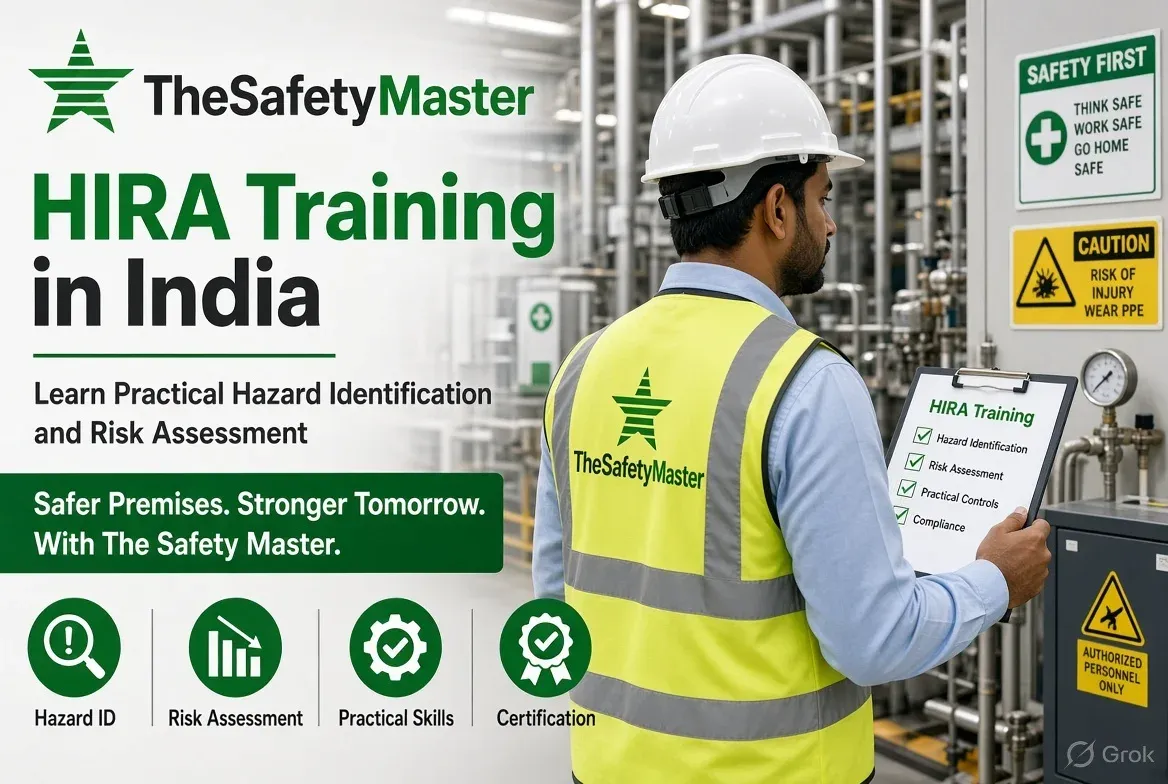
HIRA is an important safety process used to identify workplace hazards, assess risks, and select suitable control measures. Professionals working in safety, construction, manufacturing, chemicals, oil and gas, power, and other industries can use HIRA to understand and manage workplace risks.

Learn how to choose the right Fire Safety Audit Consultant for your organization, what to check, audit scope, cost factors, qualifications, and key services.
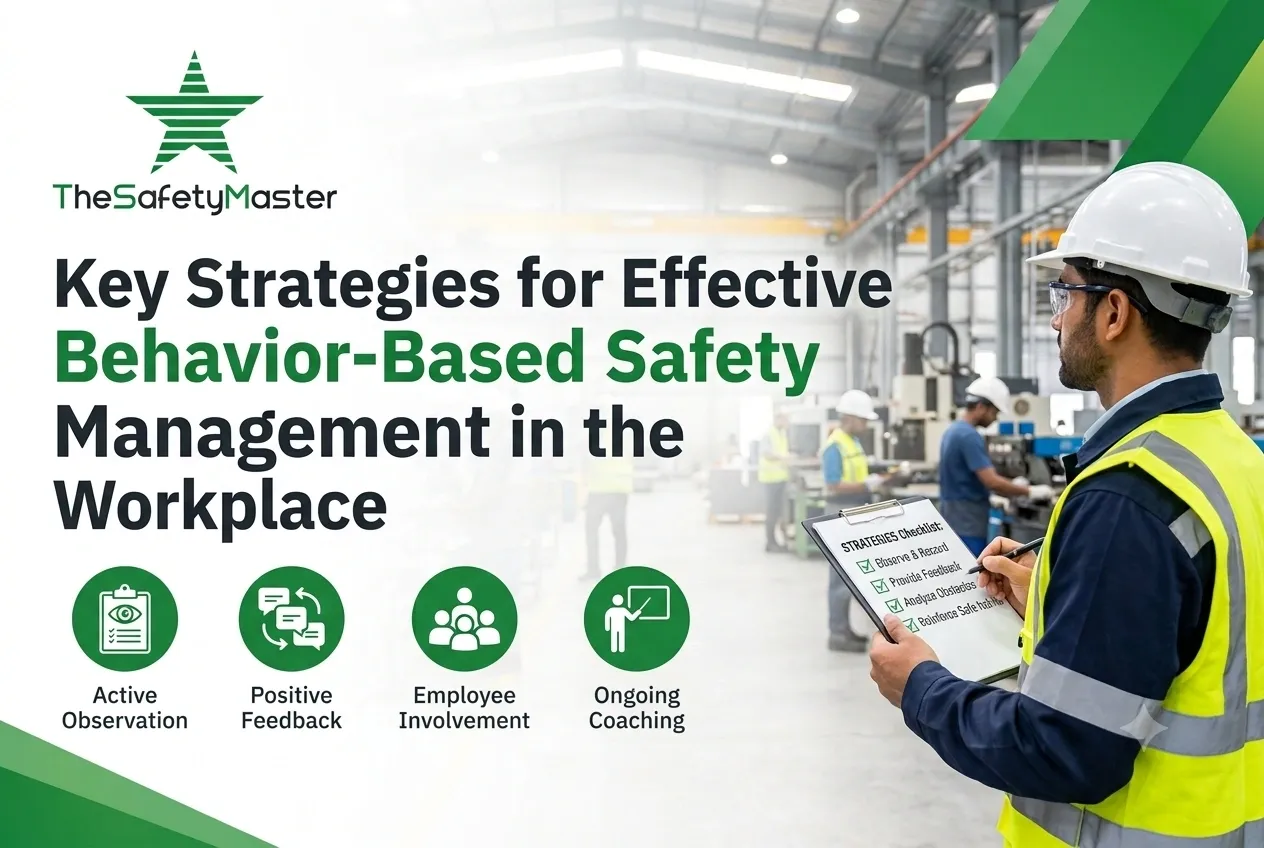
Learn key strategies for effective Behavior Based Safety Management, including safety observations, employee participation, feedback, training, and continuous improvement with The Safety Master.

Learn how to choose the right Fire Safety Audit Consultant. Discover audit processes, fire safety checks, benefits, and key factors for selecting a qualified expert.
Hire a Behavior-Based Safety Consultant India to improve workplace behavior, safety culture, employee engagement, and industrial safety performance with The Safety Master.
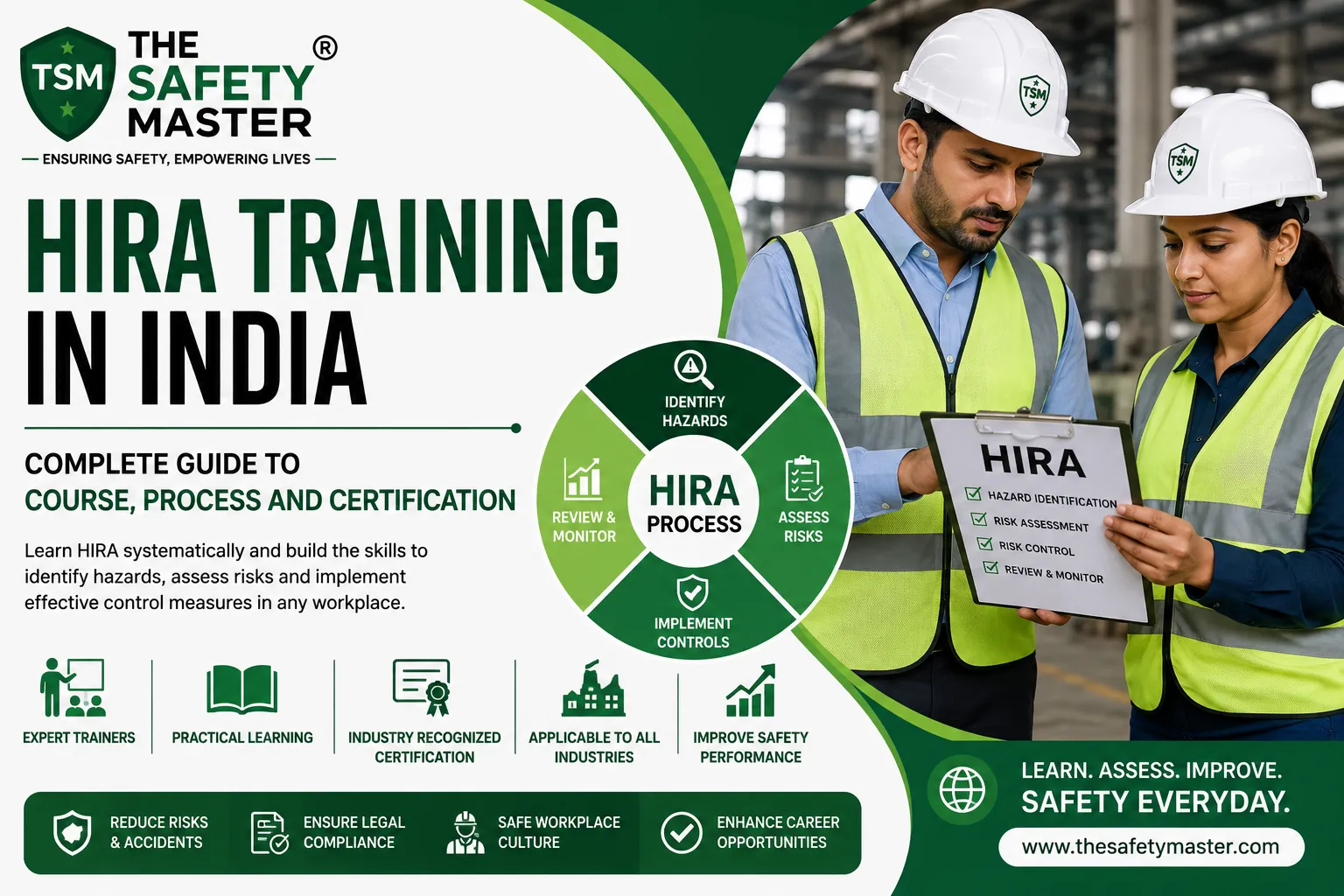
Discover HIRA Training in India, including course topics, hazard identification, risk assessment process, certification, benefits, and career opportunities.
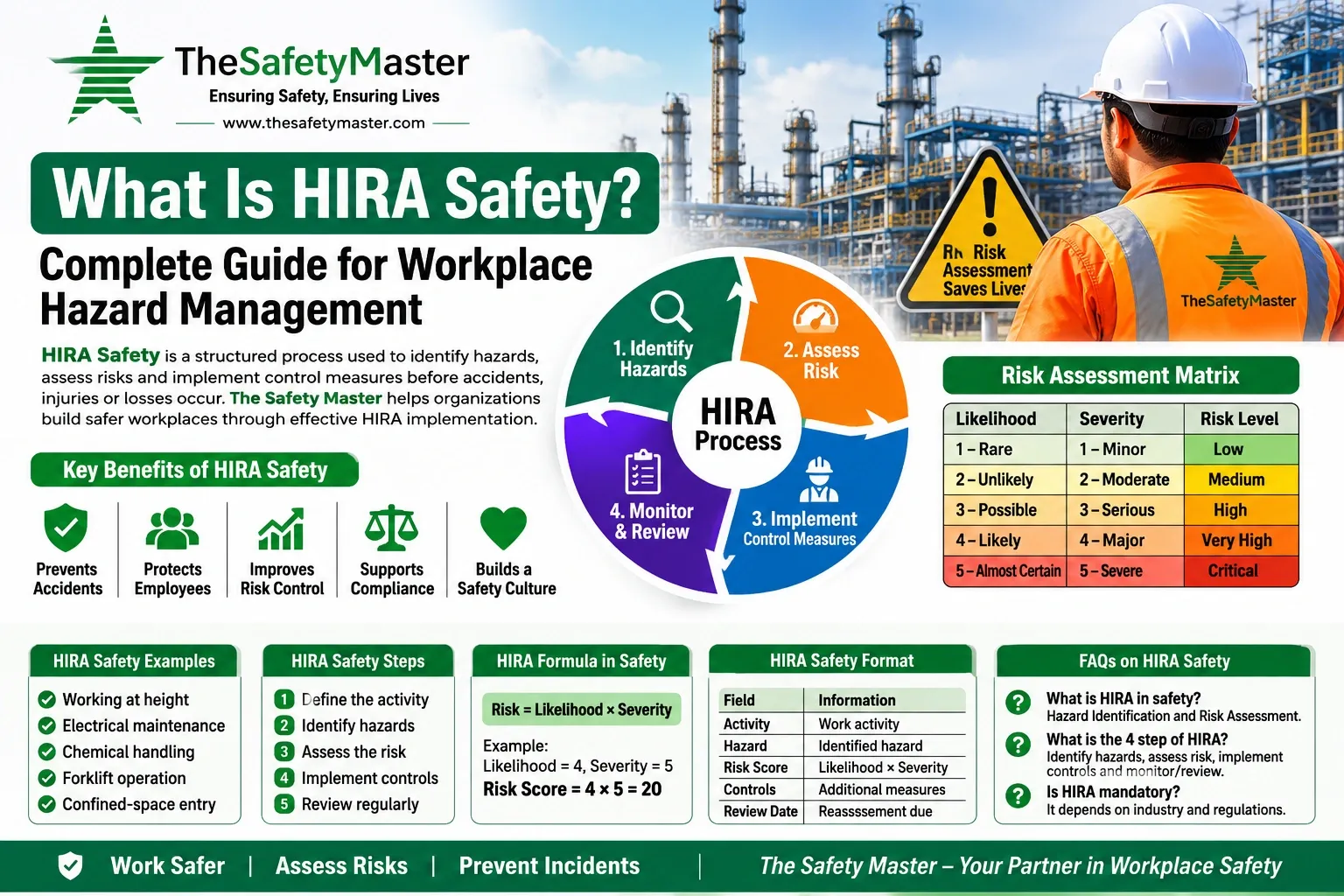
Learn HIRA Safety, its 4 steps, formula, format, examples, risk assessment process, and controls for effective workplace hazard management with The Safety Master.
Professional process safety consultants identify hazards before they become incidents, develop effective safety systems, and help companies create a strong safety culture. With expert guidance, industries can prevent accidents, protect employees, reduce downtime, and ensure business continuity.
HIRA (Hazard Identification and Risk Assessment) is a systematic process used in workplace safety management to identify potential hazards, evaluate associated risks, and implement effective control measures. This comprehensive guide covers the fundamentals of HIRA, step-by-step methodology, risk ranking techniques, legal requirements, and practical strategies to create safer work environments.
Environmental, Social, and Governance (ESG) reporting has become an important component of corporate accountability and long-term business planning. Investor...
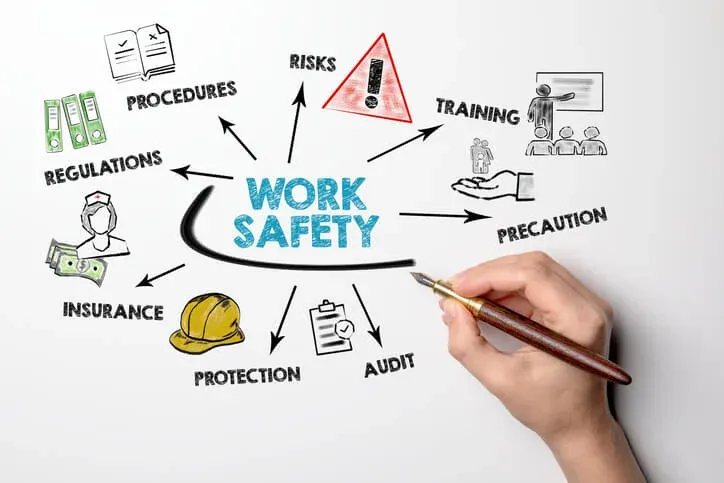
Workplace risk assessment is a structured process used to identify hazards, evaluate potential risks, and implement suitable control measures to protect empl...
Critical infrastructure facilities form the foundation of modern society. These facilities include power plants, water treatment facilities, transportation n...
Warehouses and logistics hubs play a critical role in modern supply chains by storing, handling, and distributing goods across various industries. These faci...
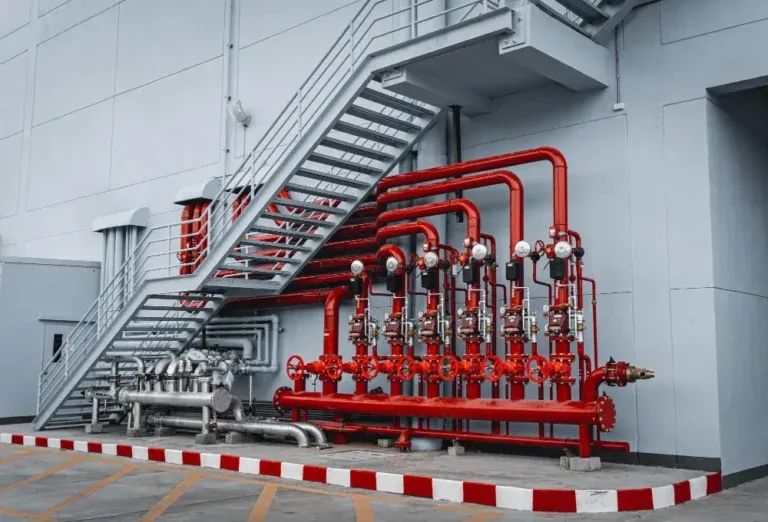
As buildings become more connected and technologically advanced, fire safety management is undergoing a significant transformation. Smart buildings are desig...

Industrial workplaces involve multiple operational activities that can expose workers, equipment, surrounding communities, and the environment to different f...

Workplace safety depends on the ability to identify hazards early, evaluate risks accurately, and apply effective control measures before incidents occur. A ...
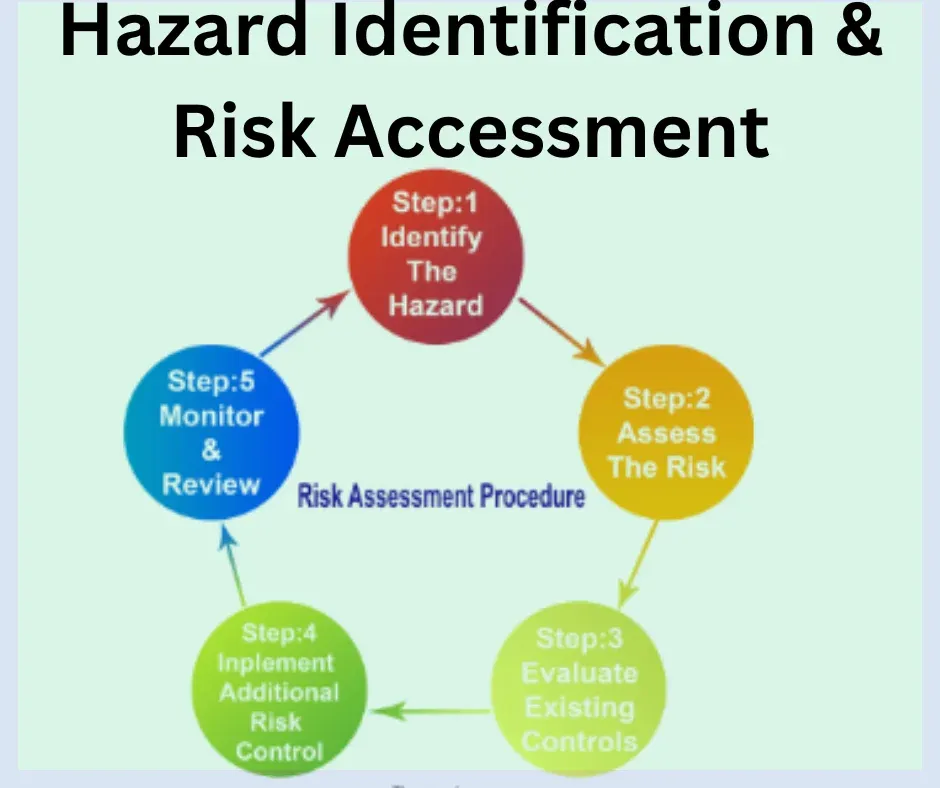
Workplace safety is not achieved by chance. It requires structured thinking, consistent evaluation, and a proactive approach toward identifying and controlli...
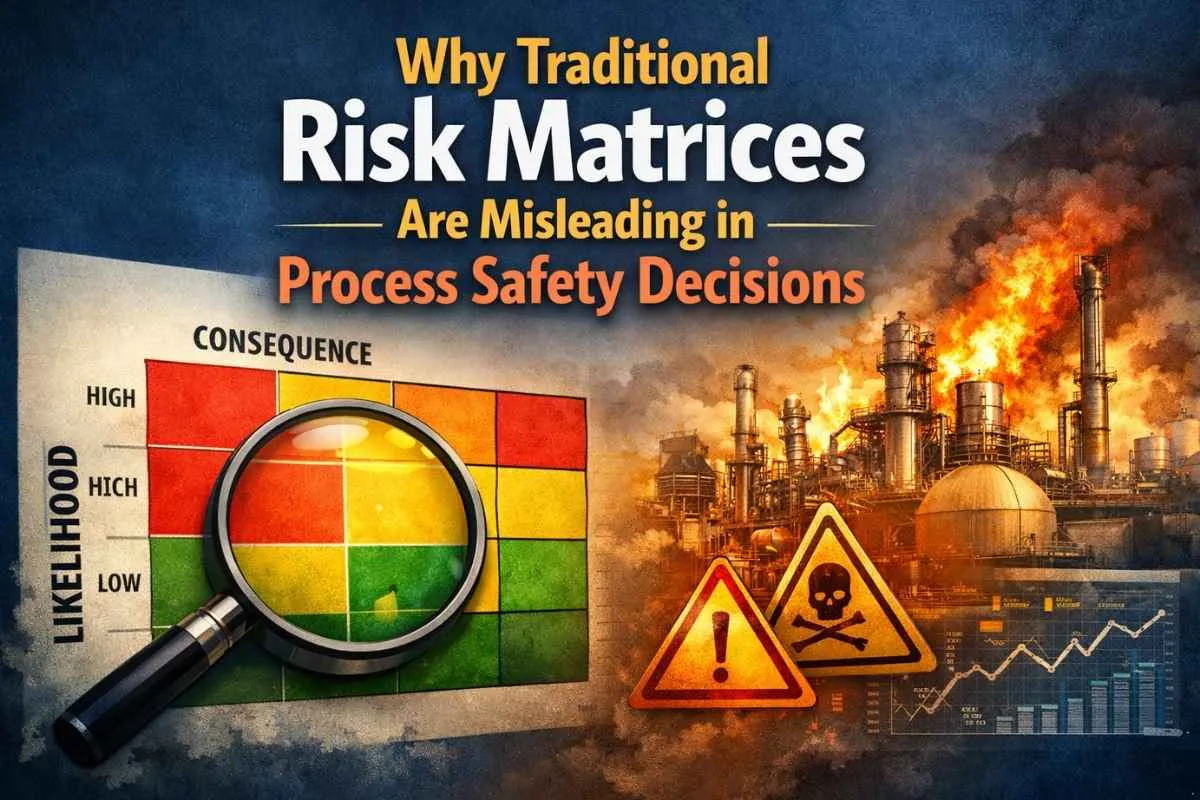
In many industrial environments, risk matrices are treated as a standard tool for evaluating hazards and guiding safety decisions. They appear structured, si...