
Introduction
What exactly is UI/UX design, and why is it so crucial in our digital age? If you've ever found yourself confused by these terms, you're not alone. UI (User Interface) and UX (User Experience) design are often used interchangeably but represent distinct facets of web and app design. Let's dive into the basics and unravel the mystery behind these essential components of great design.
What is UI/UX Design?
UI/UX design is all about crafting digital experiences that are both aesthetically pleasing and functionally effective. UI focuses on the visual elements—the look and feel of a product, while UX is all about the overall experience, ensuring that users find value in what you're providing.
Importance of UI/UX in Today's Digital World
In a world where digital interaction is constant, the importance of UI/UX design cannot be overstated. Good UI/UX design can make the difference between a product that users love and one that they abandon. It's about creating seamless, intuitive, and enjoyable experiences.
Understanding UI Design
Definition of UI Design
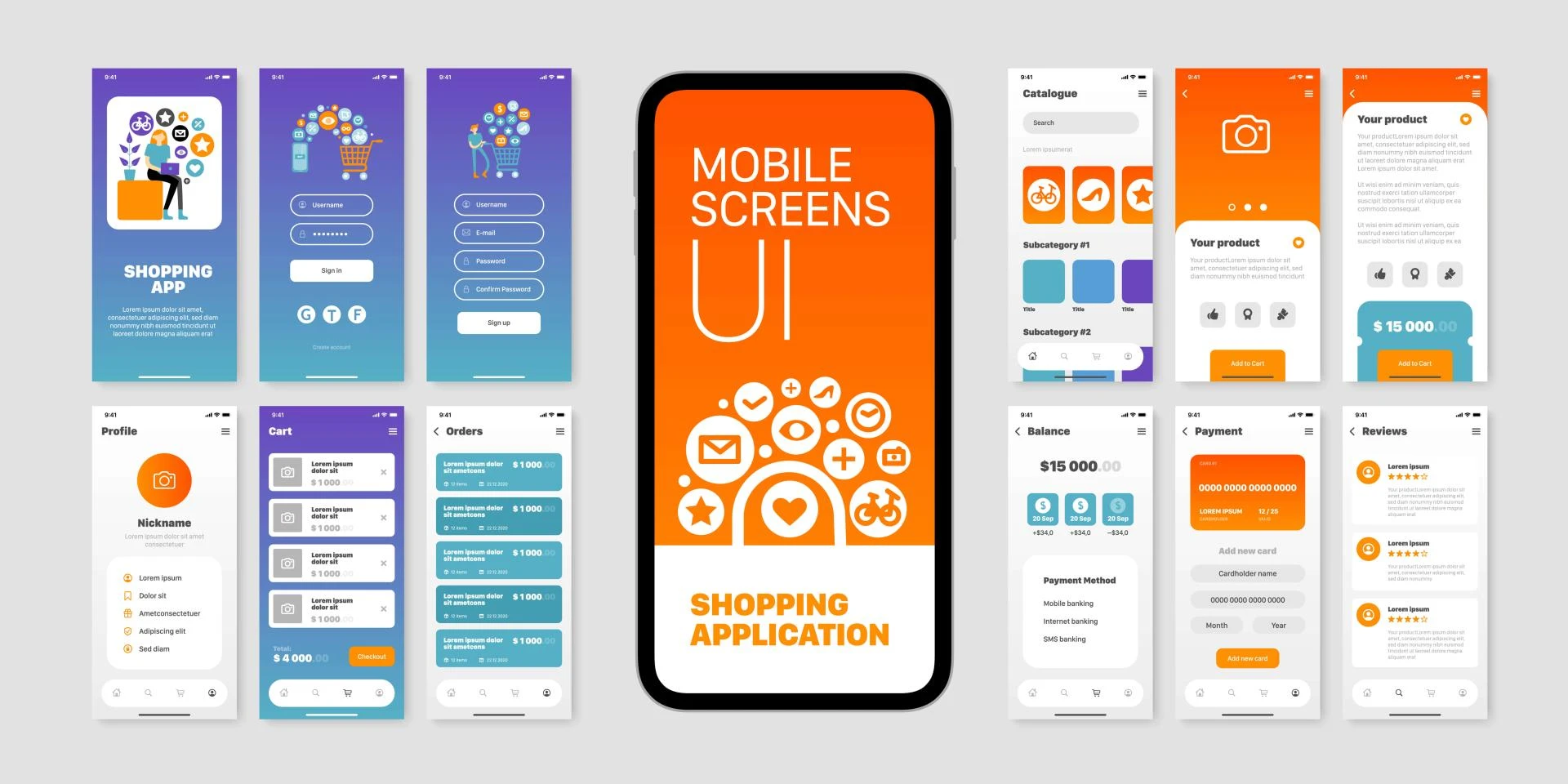
User Interface (UI) design is the process of making interfaces in software or computerized devices with a focus on looks or style. It's about creating interfaces that users find easy to use and pleasurable.
Key Elements of UI Design
UI design encompasses several key elements:
Buttons and Icons: These should be intuitive and consistent.Color Schemes: Colors need to be aesthetically pleasing and accessible.Typography: Fonts should be readable and reflect the brand's personality.Layouts: The arrangement of visual elements should facilitate usability.Principles of Effective UI Design
Effective UI design adheres to several principles:
Simplicity: Keep interfaces uncluttered.Consistency: Ensure a uniform design across all platforms.Feedback: Provide users with clear feedback on their actions.Accessibility: Design for users with varying abilities.Understanding UX Design
Definition of UX Design
User Experience (UX) design is the process of enhancing user satisfaction by improving the usability, accessibility, and pleasure provided in the interaction with a product. It's about the overall experience a user has with a product or service.
Key Elements of UX Design
UX design involves:
User Research: Understanding the needs and behaviors of users.Prototyping: Creating preliminary versions of a product.Usability Testing: Evaluating a product by testing it with real users.Principles of Effective UX Design
Effective UX design is built on principles like:
User-Centricity: Design with the user's needs at the forefront.Usability: Ensure the product is easy to use.Feedback and Iteration: Continuously improve the design based on user feedback.The Relationship Between UI and UX
How UI and UX Work Together
UI and UX are like two sides of the same coin. While UI focuses on the product's interface, UX is concerned with the user's overall experience. Both need to work harmoniously to create a product that is both visually appealing and user-friendly.
Differences Between UI and UX
While they are interconnected, UI and UX are distinct. UI is about the specifics of the interface design—color schemes, button placement, and typography. UX, on the other hand, is about the user's journey from start to finish.
Components of Great UI Design
Visual Design
Visual design is about more than just aesthetics; it's about creating a positive first impression and guiding the user's eye through the interface.
Interaction Design
Interaction design focuses on creating engaging interfaces with well-thought-out behaviors. This includes animations, button responses, and transitions.
Information Architecture
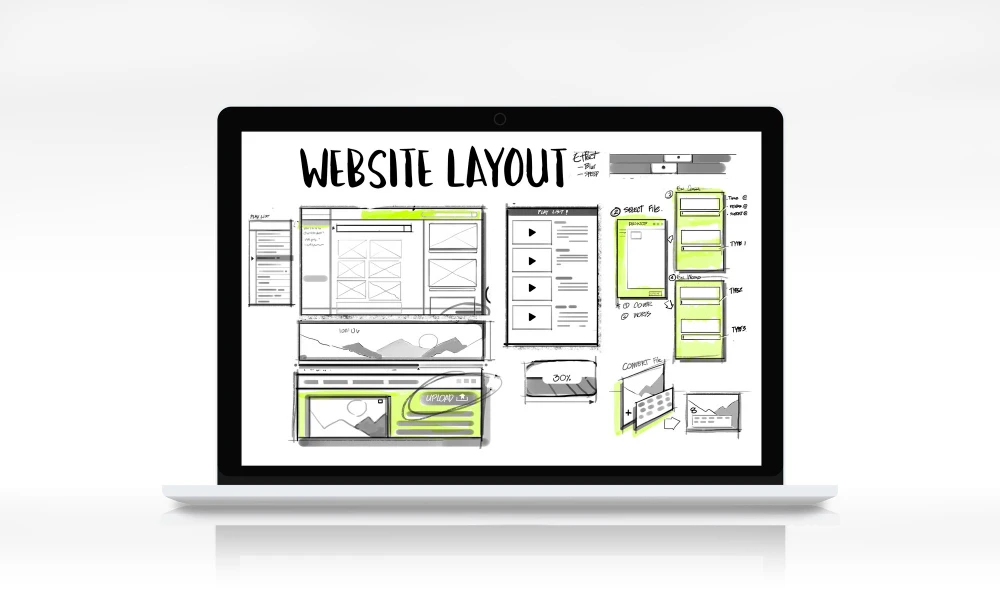
Information architecture is the organization of information within the product. It's about structuring content so that users can find what they need easily and intuitively.
Components of Great UX Design
User Research
Understanding your users is fundamental to UX design. This involves conducting interviews, surveys, and usability tests to gather insights into user needs and behaviors.
Usability Testing
Usability testing is about evaluating your product by testing it with real users. This helps identify issues that need to be addressed to improve the user experience.
User Journey Mapping
User journey mapping involves creating a visual representation of the user's experience. It helps identify pain points and opportunities for improvement.
Common UI Design Mistakes
Overcomplicating the Interface
A common mistake is overloading the interface with too many elements, making it confusing and hard to navigate.
Ignoring Consistency
Inconsistent design elements can confuse users. Maintaining consistency in color schemes, typography, and layout is crucial.
Neglecting Mobile Users
With the rise of mobile usage, neglecting to optimize for mobile can alienate a large portion of your audience.
Common UX Design Mistakes
Skipping User Research
Skipping user research to save time or money often leads to a product that doesn't meet user needs.
Poor Navigation
If users can't find what they're looking for quickly, they'll likely leave. Ensure your navigation is intuitive and straightforward.
Not Iterating on Feedback
Failing to iterate on user feedback can result in a stagnant product that doesn't evolve to meet users' changing needs.
Trends in UI/UX Design
Minimalism
Minimalism is about stripping down the design to its essential elements, creating a clean and focused user experience.
Dark Mode
Dark mode has become increasingly popular for its aesthetic appeal and battery-saving benefits on OLED screens.
Microinteractions
Microinteractions are small, subtle animations or responses that enhance the user experience without overwhelming the user.
The Role of Accessibility in UI/UX Design
Why Accessibility Matters
Accessibility ensures that your product can be used by people with various disabilities, expanding your audience and improving usability for everyone.
Designing for All Users
Designing with accessibility in mind involves considering color contrast, font size, and providing alternative text for images.
How to Get Started in UI/UX Design
Learning Resources
There are plenty of resources available to learn UI/UX design, from online courses on platforms like Coursera and Udemy to books and blogs.
Building a Portfolio
Creating a portfolio of your work is essential. It showcases your skills and helps you stand out to potential employers or clients.
Networking and Community
Joining design communities, attending conferences, and networking with other designers can provide valuable insights and opportunities.
The Future of UI/UX Design
Emerging Technologies
Technologies like AR, VR, and AI are set to revolutionize UI/UX design, offering new ways to create immersive and personalized experiences.
Future Challenges and Opportunities
As technology evolves, designers will face new challenges but also have opportunities to innovate and create even more engaging user experiences.
Conclusion
In conclusion, understanding the basics of UI/UX design is essential for creating digital products that users love. By focusing on both the visual and experiential aspects, you can craft interfaces that are not only beautiful but also functional and user-friendly. As the field continues to evolve, staying updated with the latest trends and tools will keep you ahead of the curve.
Devoq Design has made a significant mark as a premier UI/UX design agency in Queensland and UI/UX Design Agency in Western Australia. Known for their innovative and user-focused design solutions, Devoq Design delivers exceptional digital experiences that cater to the unique demands of businesses in these regions. As a leading UI/UX design agency in Queensland, they integrate local market insights with cutting-edge technology to create visually appealing and highly functional interfaces. In Western Australia, Devoq Design's expertise in UI/UX design ensures that each project is tailored to enhance user engagement and drive business success, solidifying their reputation as a top-tier design agency.






















Sign in to leave a comment.