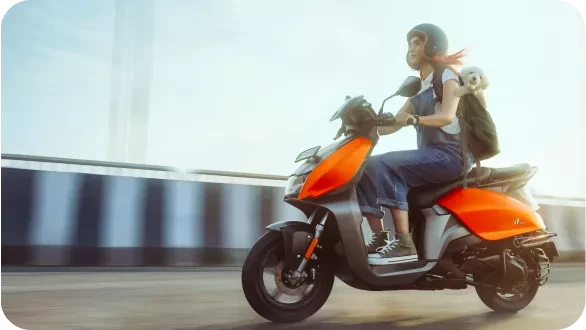

Every morning, I watch my neighbour navigate his petrol scooter through our street's obstacle course of speed breakers and potholes. The poor guy winces every time he hits a particularly nasty bump, probably wondering if his suspension will survive another day. It got me thinking, with electric scooters becoming more common, are they actually built to handle the reality of Indian roads?
Let's be honest: Indian roads are not exactly known for their smoothness. From the towering speed breakers that seem designed to launch vehicles into orbit, to potholes deep enough to swallow a small car, our roads test every two-wheeler's limits. So when I see more electric scooters on the streets, the question becomes pretty important: can these modern machines actually survive our road conditions?
The Ground Reality Check
The good news is that most manufacturers seem to understand what they're getting into. Take the VIDA, for instance. When I first heard about its IP68-rated motor and IP67-rated battery, I had to look up what those numbers actually meant. Turns out, it's basically saying the motor can handle being submerged in water (not that you should try), and the battery can survive dust and water splashes.
This matters more than you might think. When you're riding through a pothole filled with monsoon water, or when debris kicks up from uneven roads, having that level of protection means you're not constantly worried about damaging expensive electrical components. It's like having an insurance policy built into your scooter.
The 20-degree gradeability rating also caught my attention. While that's primarily about climbing slopes, it suggests the scooter has enough structural integrity to handle the ups and downs of speed breakers without straining the motor or chassis.
Smart Riding for Rough Roads
Here's something I've noticed with electric scooters: they often come with multiple riding modes, and this actually helps with road durability. When you're approaching a particularly brutal speed breaker or navigating a pothole-riddled stretch, switching from Sport mode to Eco or Ride mode isn't just about saving battery. It's about reducing the impact on your scooter.
Lower speeds mean gentler impacts, and that translates to less stress on the suspension, wheels, and electrical components. It's like the difference between jumping off a chair versus jumping off a table, same principle, different damage potential.
The Reality of Daily Commuting
What really matters is how these scooters perform day after day. I've seen electric scooters navigating everything from the crater-like potholes near my local market to those speed breakers that seem to appear overnight on previously smooth roads. Most seem to be holding up well, though riders definitely need to adjust their expectations and riding style.
The key is understanding that while electric scooters are getting more robust, they're still precision machines with sensitive electronics. A little common sense goes a long way. Slow down for speed breakers, avoid potholes when possible, and don't treat your scooter like a dirt bike just because it can handle some rough patches.
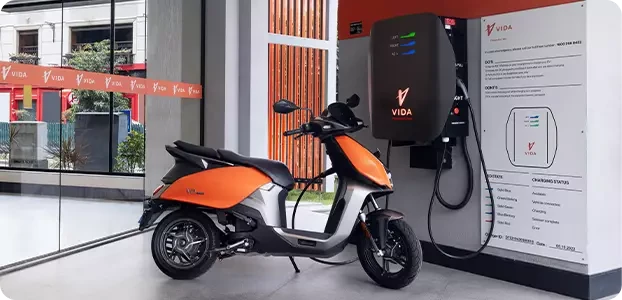
Indian roads will always be challenging, but it's encouraging to see that electric scooters are being designed with our conditions in mind. Between better protection ratings, smart riding modes, and practical features like removable batteries, they're becoming more than capable of handling our daily commute reality. Just remember, even the toughest scooter appreciates a gentle touch when facing a particularly aggressive speed breaker.





























Sign in to leave a comment.