
When my uncle asked me how much I spend on my daily commute these days, I pulled out my phone calculator and did some quick math. The number that popped up made him do a double-take: just 12 paise per kilometre. "Are you sure?" he asked, squinting at the screen like it might be lying to him.
That conversation got me thinking about how most people still don't realise just how dramatically electric scooters have changed the game when it comes to running costs. So here's the honest breakdown from someone who's been riding electric for over a year now.
The Math That Changed My Mind
Let me walk you through the numbers that convinced me to make the switch. My electricity bill at home shows I pay around ₹6 per unit (kWh). My scooter covers roughly 50 kilometres on one full kWh of charge – and that's real-world riding through Delhi traffic, not some lab condition. Do the math: ₹6 divided by 50 km equals 12 paise per kilometre.
Compare that to my friend's petrol scooter. With petrol hovering around ₹100 per litre and his bike giving about 50 kmpl (on a good day), he's spending ₹2 per kilometre. That's more than 16 times what I pay. When I showed him this calculation, he went quiet for a full minute.
The beauty of this cost structure isn't just the savings; it's the predictability. My monthly electricity bill barely budges, even with daily charging. There are no surprise spikes, like when petrol prices jump overnight, and no need to wonder whether I should fill up today or wait for prices to drop.
Beyond the Electricity Bill
Here's what really sealed the deal for me: the almost non-existent maintenance costs. My petrol scooter days involved regular oil changes, air filter replacements, spark plug issues, the works. Each service visit would set me back ₹800-1200, and that was every few months.
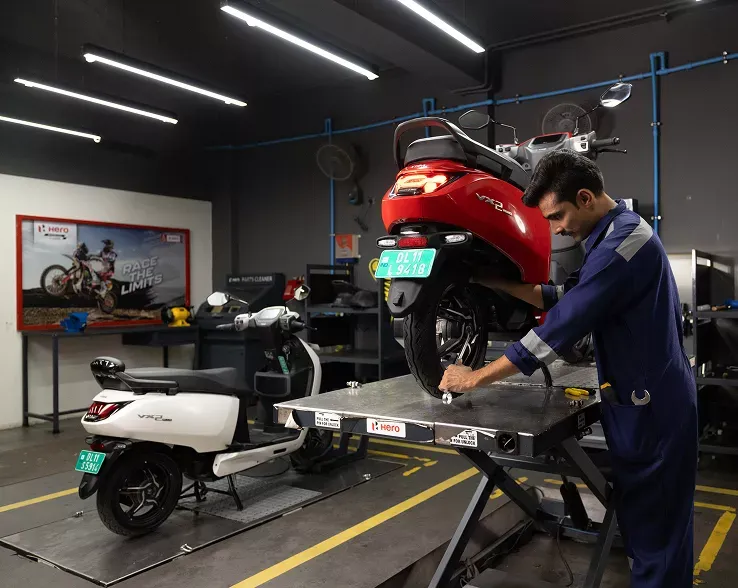
With my electric ride, maintenance is practically a joke. No oil to change, no spark plugs to replace, no complex engine parts to worry about. The most I've spent in the past year was ₹200 on getting the tyres checked and some basic cleaning. Factor that into the per-kilometre cost, and we're talking maybe an additional paisa or two.
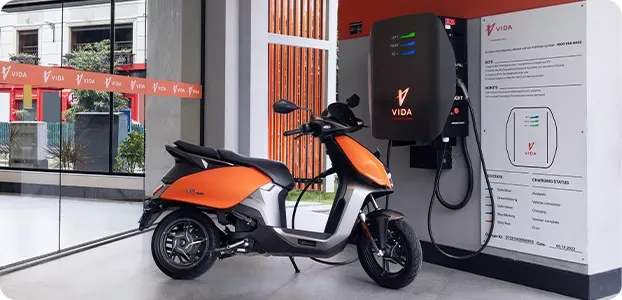
The battery health has been surprisingly stable, too. I was worried about degradation affecting my costs, but after thousands of kilometres, I'm still getting pretty much the same range. The removable battery system means I can charge at home overnight when electricity rates are cheapest – another small saving that adds up.
The Reality Check
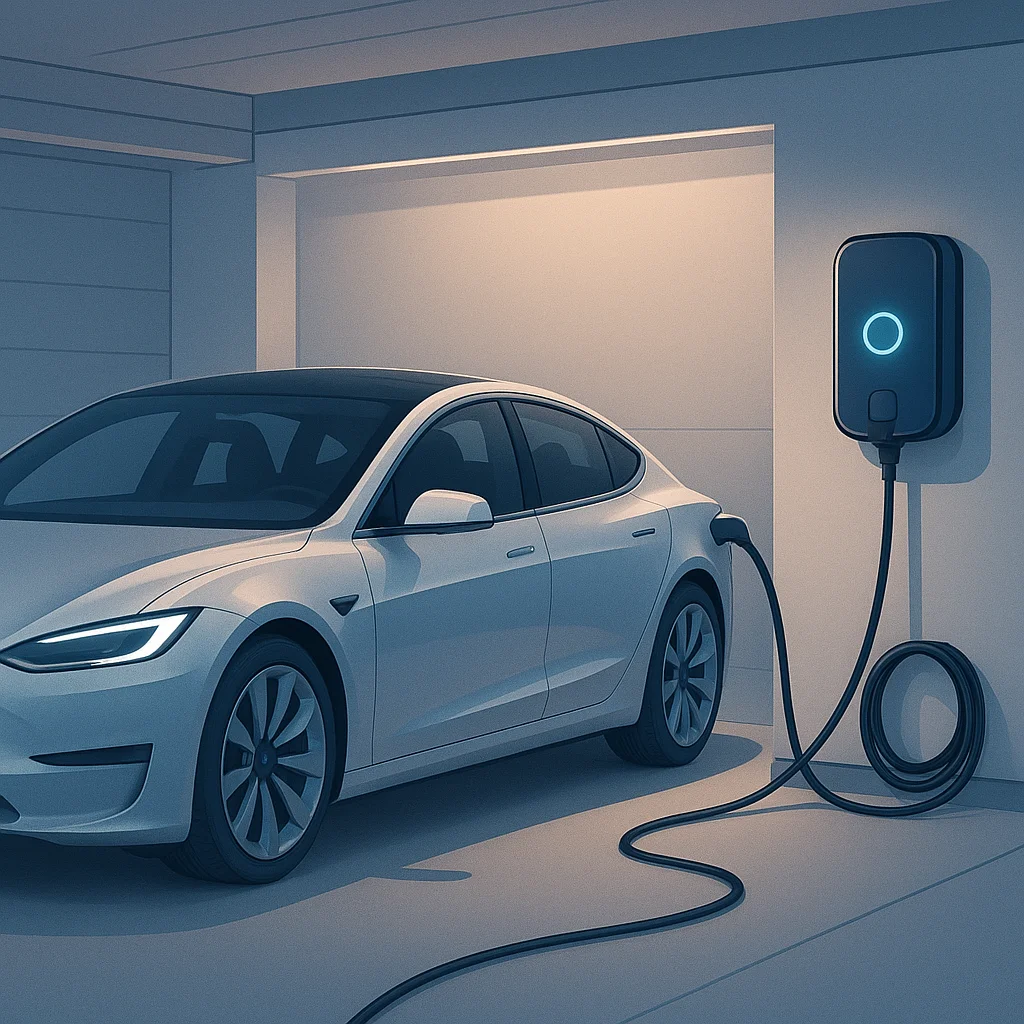
Now, I won't sugarcoat everything. Public charging, when I occasionally need it, costs more, sometimes 30-40 paise per kilometre, depending on the station. But honestly, 90% of my charging happens at home. I just plug in when I get back from work, and by morning, I'm ready for another day.
The government's e-AMRIT calculator, which I stumbled upon recently, shows similar numbers across different electric models – most fall between 10 and 25 paise per kilometre. Some brands claim rates as low as 15 paise per km, which aligns closely with my experience.
What surprised me most was how this translates to monthly savings. My 30-kilometre daily commute used to cost me around ₹1,800 per month in petrol. Now it's barely ₹110 in electricity. That extra ₹1,690 every month? It's going into a vacation fund instead of a fuel tank.
The Bigger Picture
Looking at these numbers, it's clear why electric scooters are gaining ground so fast. When running costs drop to 10-12 paise per kilometre, compared with ₹1.50-2.00 for petrol, the math is impossible to ignore. Add in the convenience of home charging and minimal maintenance, and you've got a compelling case for anyone doing regular city commutes.
The transition to electric isn't just about being environmentally conscious anymore, though that's a nice bonus. It's become a genuinely smarter financial choice for daily riders like us. Every time I zip past a petrol pump without stopping, I can't help but smile at how much my wallet appreciates this switch.










Sign in to leave a comment.