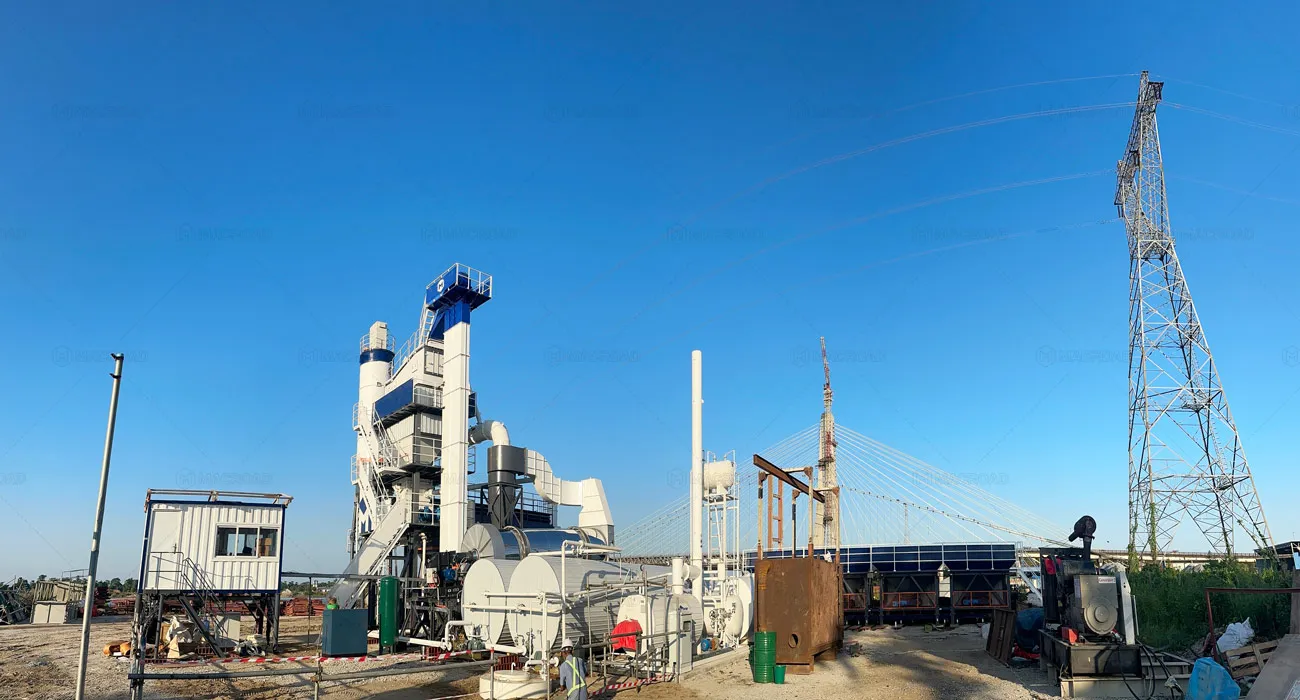

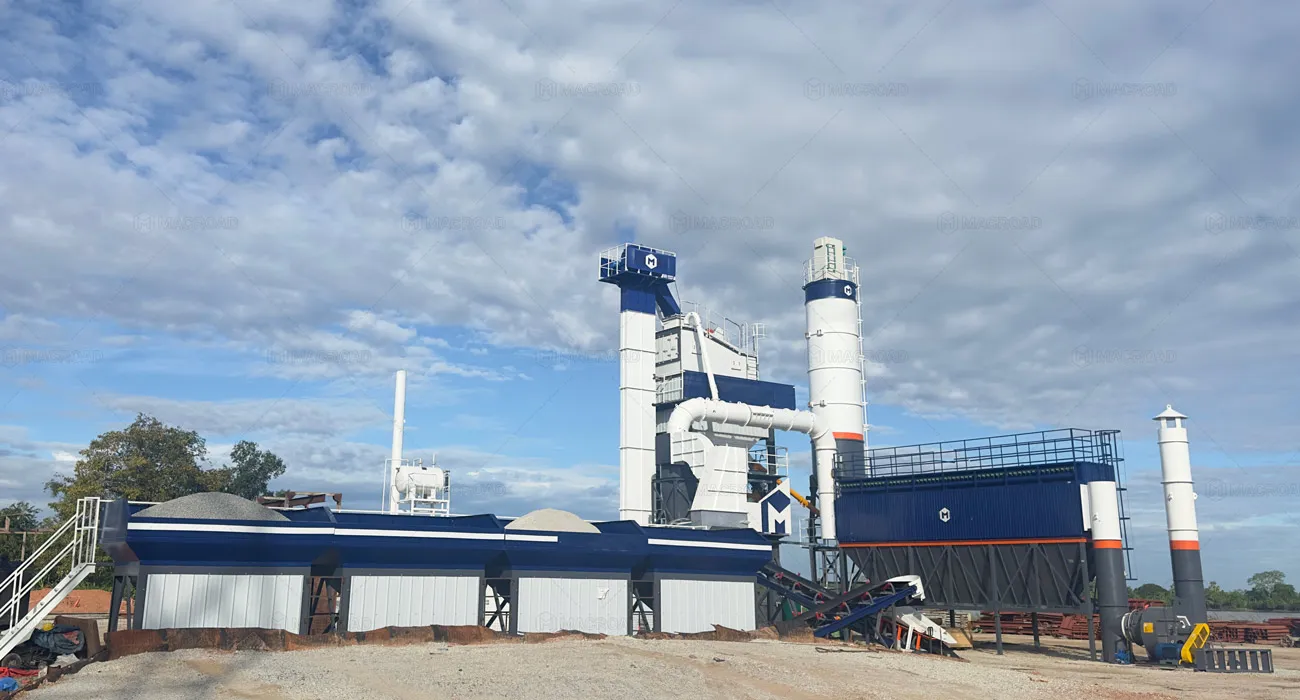
Leading asphalt plant manufacturers engineer asphalt hot mix plant combustion chambers specifically for low-grade fuel adaptability that standard configurations cannot achieve. Automated air-to-fuel ratio control maintaining 170°C discharge with high-sulfur diesel or heavy oil eliminates baghouse clogging while reducing landed fuel costs by 20%. This capability transforms remote project economics through supply security and operational continuity that rigid fuel specifications would compromise.
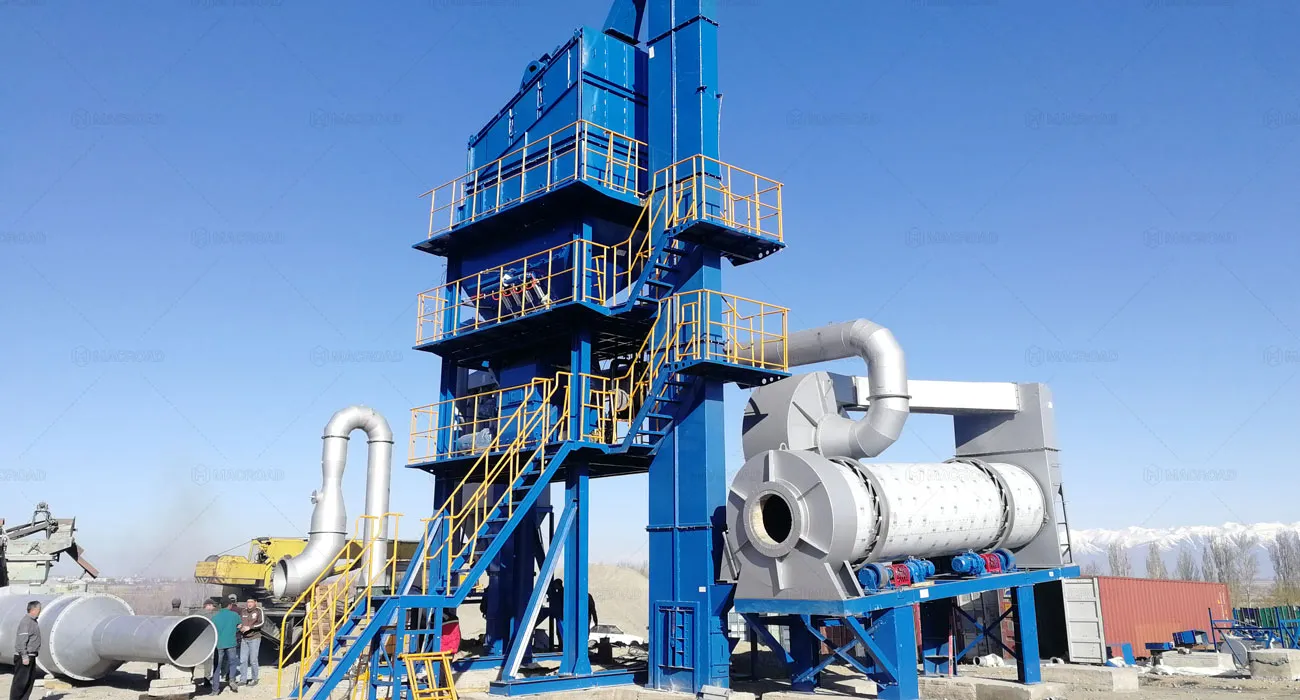
Combustion Chamber Optimization
Remote regions frequently encounter fuel quality variations that destroy standard burner performance. High-sulfur diesel exceeding 5,000 ppm sulfur content and heavy fuel oil with viscosity ratings of 180-380 cSt at 50°C generate incomplete combustion, acid condensation, and particulate emissions that overwhelm filtration systems. Premium asphalt plant manufacturers address this through staged combustion zones with adjustable swirl patterns that achieve complete burnout despite fuel characteristic variability.
Preheated combustion air systems utilizing exhaust gas recovery raise inlet temperatures to 200-250°C, improving atomization quality for viscous heavy oils without external fuel heating. Specifically, this thermal management reduces ignition delay and flame impingement that cause carbon buildup on drum shells, extending maintenance intervals from 500 hours to 2,000+ hours in challenging fuel environments.
Ceramic refractory lining with high alumina content withstands thermal shock from rapid fuel switching and corrosive attack from sulfur compounds. Standard castable refractories experience spalling within 1,000 operating hours under these conditions, requiring costly drum entry and relining that destroys production schedules.
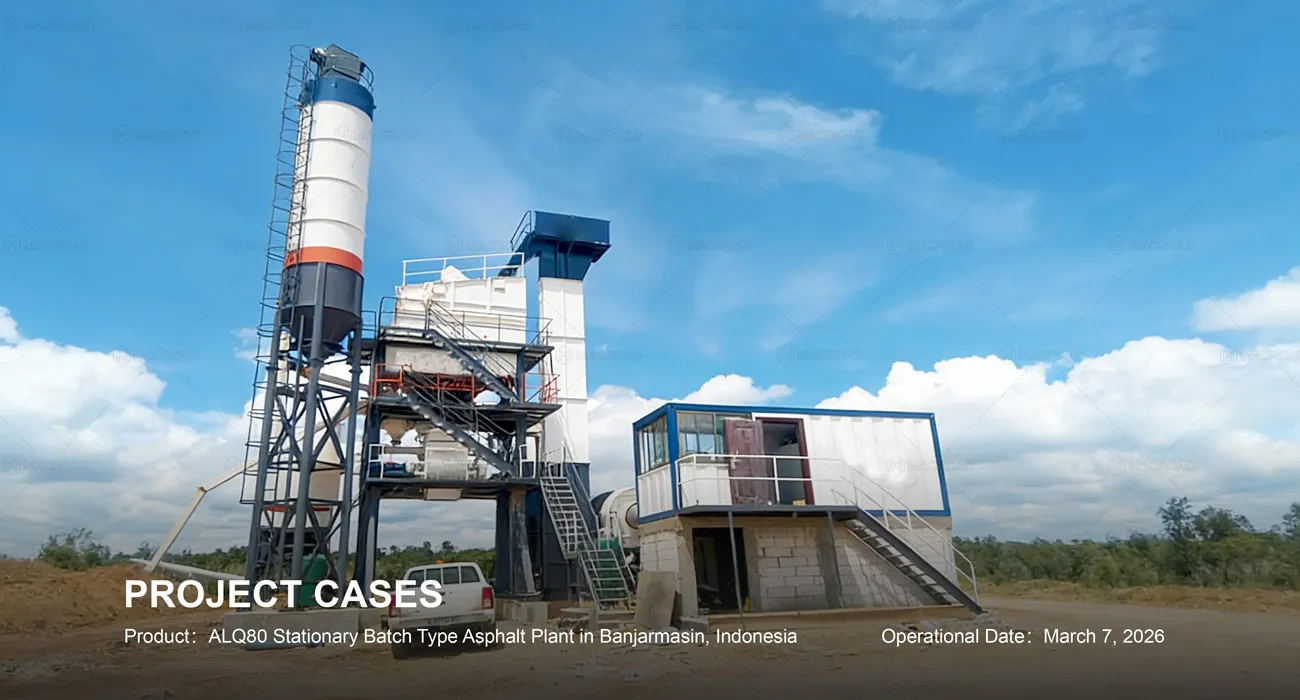
Automated Control Preserves Filter Integrity
Baghouse protection demands combustion precision that manual adjustment cannot sustain. Automated oxygen feedback systems utilizing zirconia sensors in the exhaust stream maintain excess air ratios between 1.15 and 1.25, ensuring complete combustion without energy-wasting over-ventilation. This precision eliminates the soot and unburned hydrocarbon residues that blind filter media, extending bag life from 800 hours to 3,000+ hours.
Pulse-jet cleaning optimization accompanies combustion control. Automated differential pressure monitoring triggers cleaning cycles based on actual filter loading rather than fixed intervals, reducing compressed air consumption by 40% while maintaining 99.9% particulate capture efficiency. Specifically, this intelligence prevents the over-cleaning that degrades filter bags and the under-cleaning that causes pressure drop spikes.
Acid gas neutralization systems integrated with high-sulfur fuel operation inject lime or sodium bicarbonate into the gas stream, reacting with SO₂ and SO₃ before condensing on filter media. This protection enables continuous operation with local fuels that would destroy standard baghouse configurations within weeks.
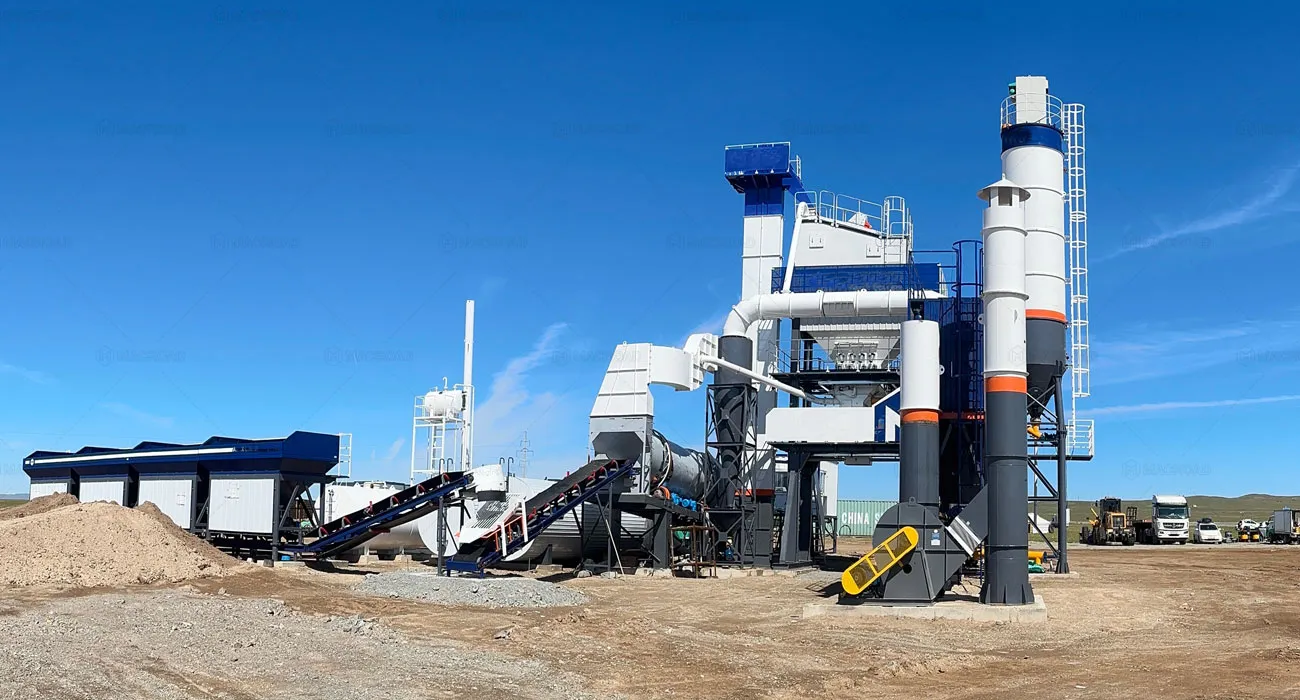
Fuel Flexibility Reduces Landed Costs
International supply chain disruptions force contractors into premium fuel sourcing that increases landed costs by 35-50%. Automated combustion flexibility enabling local high-sulfur diesel or heavy fuel oil utilization eliminates this dependency, reducing fuel expenditure by 20% even when local alternatives carry apparent price premiums due to lower energy density.
Supply security transforms project risk profiles. When geopolitical events or logistical disruptions interrupt standard fuel deliveries, flexible asphalt hot mix plant configurations transition to available local stocks without operational interruption. Specifically, this capability prevents the production halts that trigger liquidated damages and schedule penalties exceeding $10,000 daily on fixed-price contracts.
Inventory management advantages compound cost savings. Reduced dependency on standardized imported fuels enables just-in-time procurement strategies with lower working capital requirements. Local sourcing with 7-14 day supply horizons replaces 45-60 day international lead times, improving cash flow and reducing storage infrastructure needs.
Conclusion
Asphalt plant manufacturers delivering combustion flexibility transform remote project economics through fuel adaptability and operational security. Automated air-to-fuel control preserving 170°C output with variable local fuels eliminates baghouse degradation and supply vulnerability that rigid systems would impose. Consequently, 20% landed cost reduction and shutdown risk mitigation justify capital investment in premium configurations, generating superior returns through supply chain resilience and continuous production capability that standard asphalt hot mix plant alternatives cannot deliver in challenging logistics environments.























Sign in to leave a comment.