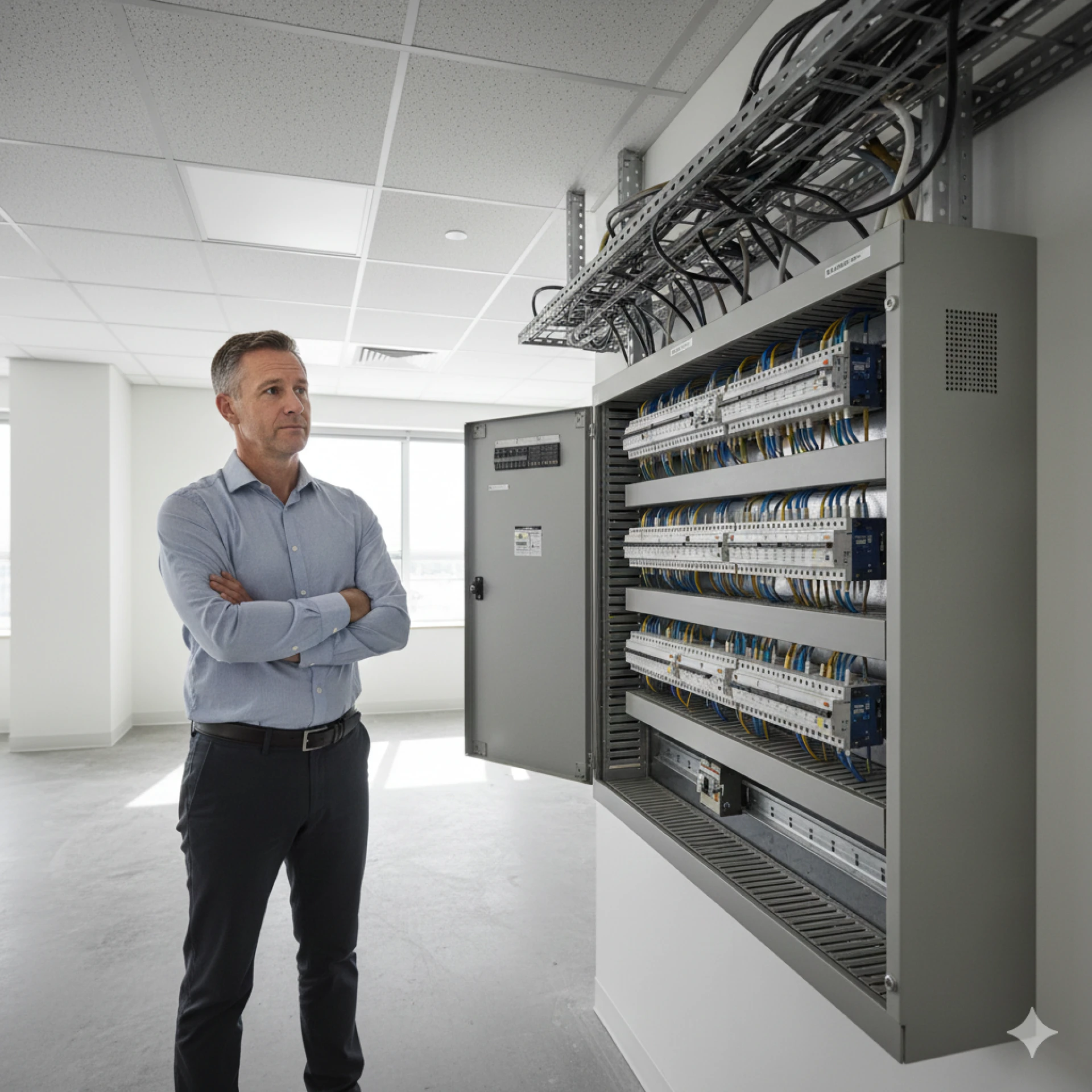

Commercial Power Isn’t Plug-and-Play — Stop Treating It Like It Is
If you think commercial power works like plugging in a kettle at home, you’re in for a rude awakening.
Residential electrical work is simple: small loads, straightforward circuits, and minimal coordination. Commercial electrical work? That’s a whole different game. And pretending it’s plug-and-play is how buildings fail quietly — and expensively.
The Difference Between Home and Commercial
In a house, adding a few outlets rarely causes issues. In a commercial building:
- Hundreds of devices draw simultaneous power
- HVAC, IT, lighting, and fire systems all interact
- Peak load varies throughout the day
- Equipment upgrades and tenant changes are constant
The complexity isn’t visible at a glance, but it determines whether a building quietly survives — or constantly trips breakers.
Why Treating It Like Residential Work Fails
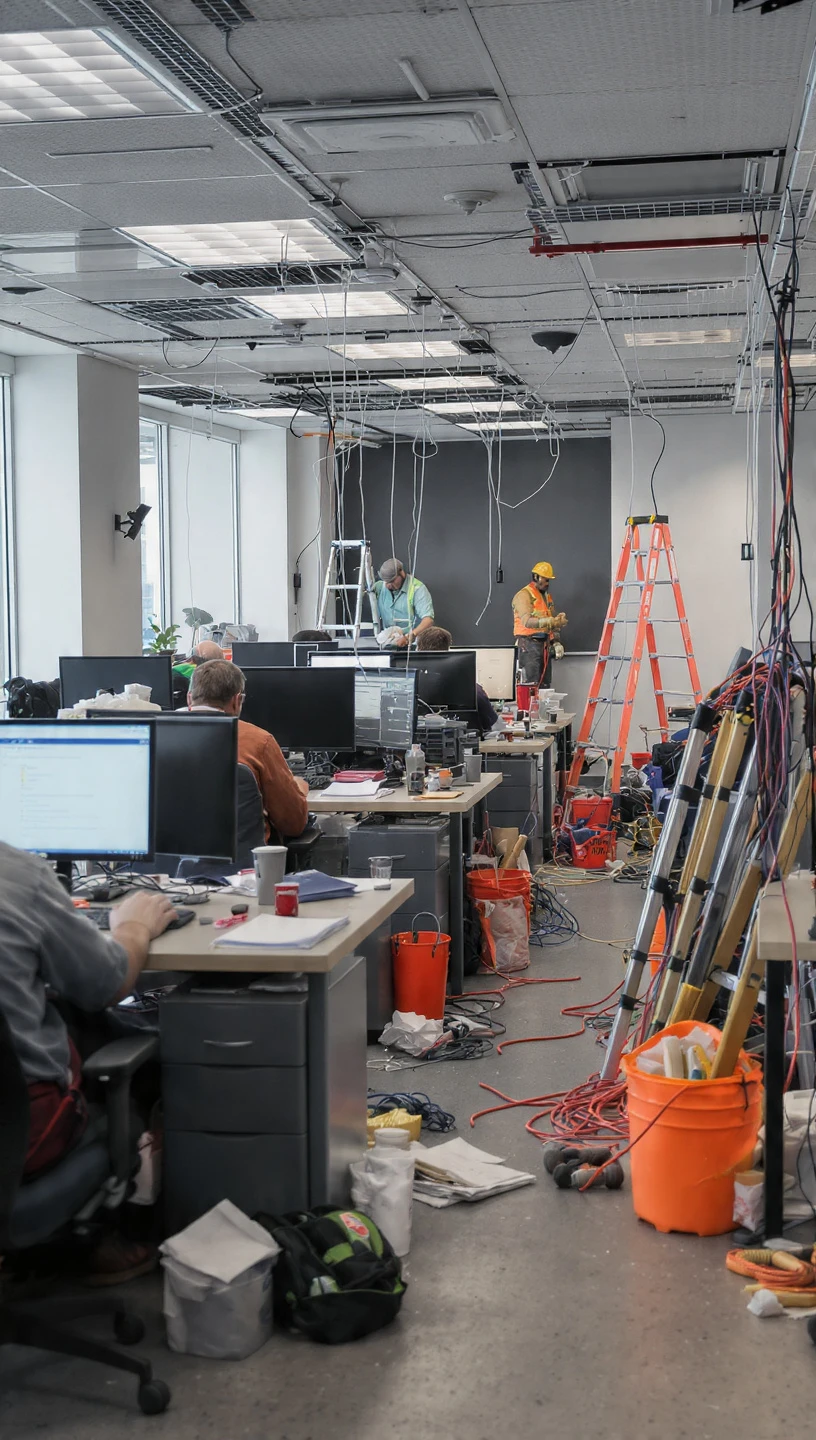
I’ve walked into offices where “simple installation” looked neat and compliant. Everything worked until the office filled up:
- Lights flickered when everyone powered up
- Circuits tripped unpredictably
- Equipment in critical areas lost power
- Maintenance teams struggled to isolate issues
None of this was a random failure. It was the result of residential thinking applied to a commercial environment.
Commercial Power Requires System Thinking
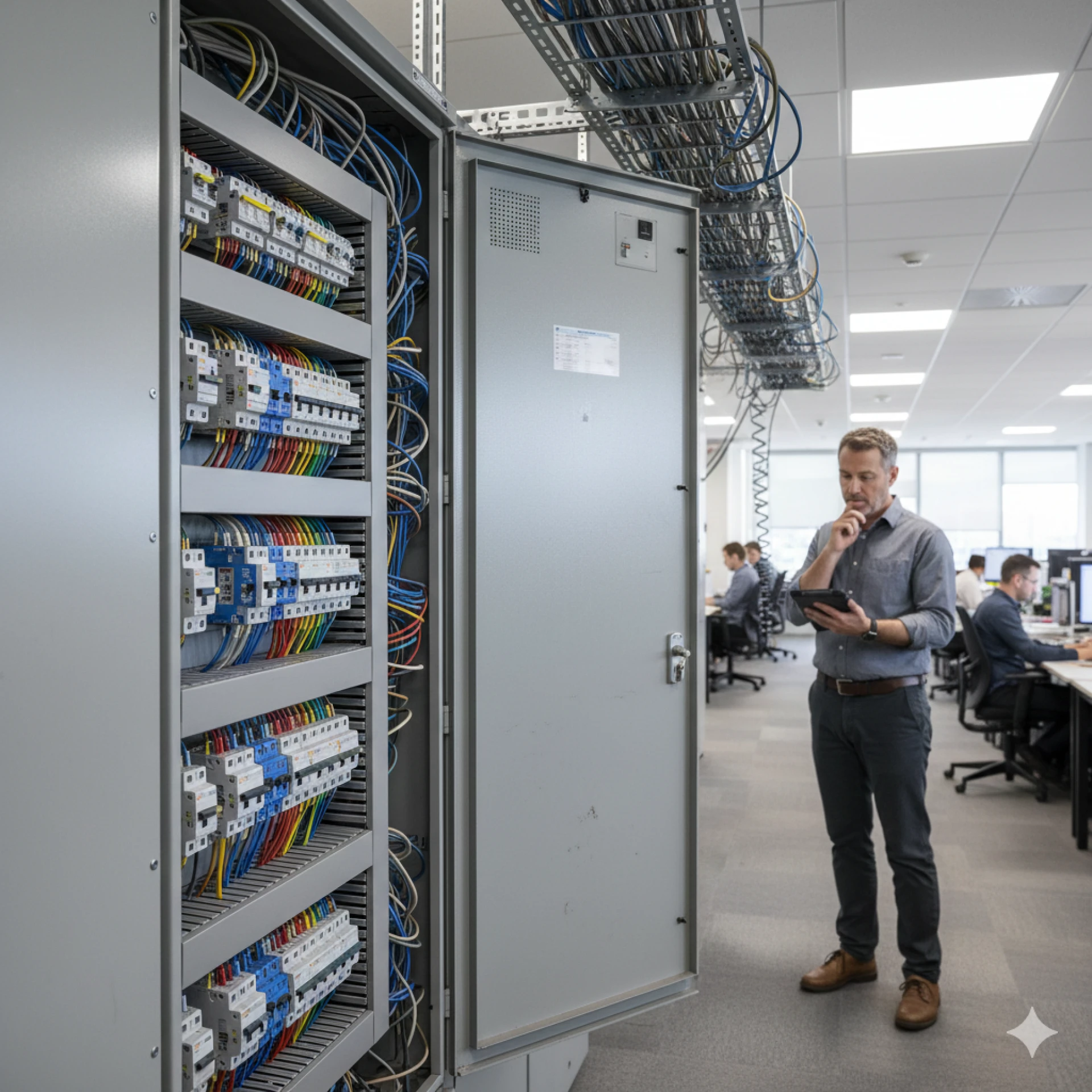
Proper commercial electrical work requires planning beyond wires:
- Load calculations for peak and future demand
- Circuit separation for critical systems
- Coordination with HVAC, fire, and IT systems
- Room for expansion and redundancy
- Easy fault isolation for maintenance
Without this, a building may pass inspection and look perfect — but it’s one extra load away from disruption.
The Cost of “Plug-and-Play” Thinking
When commercial power is treated like residential, the consequences are hidden but expensive:
- Repeated call-outs during business hours
- Downtime affecting staff productivity
- Early equipment failures
- Emergency upgrades that cost far more than proper planning
It’s a slow, invisible drain on operations — the kind businesses rarely account for until it’s urgent.
How Experienced Commercial Electricians Handle It
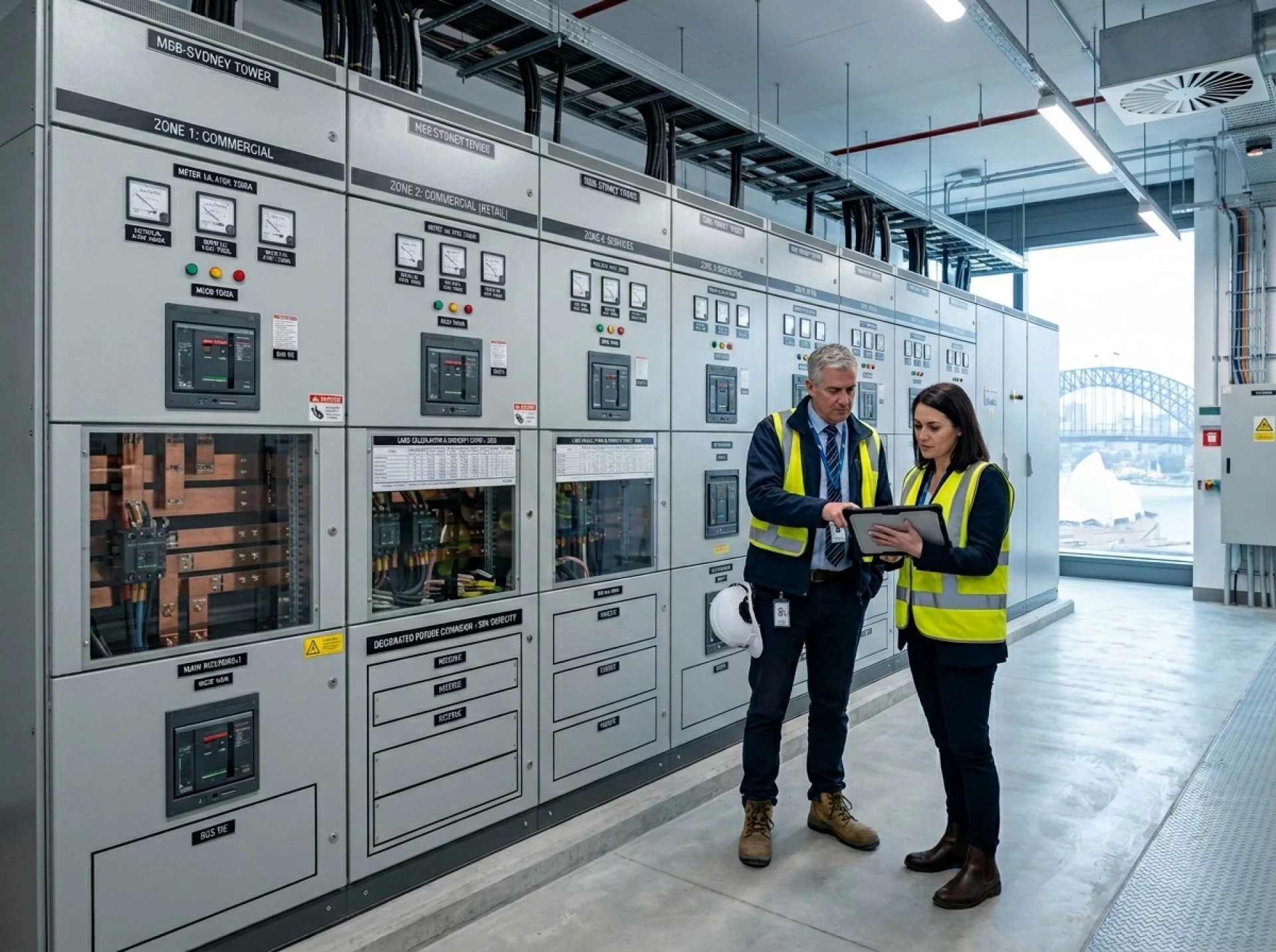
A Commercial Electrician Sydney with real commercial experience designs systems that:
- Handle realistic loads now and in the future
- Isolate critical systems from general circuits
- Leave room for growth without shutdowns
- Make fault isolation and maintenance simple
- Reduce risk of unexpected downtime
They don’t just install wires. They engineer resilience.
Red Flags You’re Treating Commercial Power Like Residential
- Breakers trip under minor load
- Lights flicker during peak usage
- Equipment shuts down unpredictably
- Maintenance teams are constantly reactive
If any of these appear, the system isn’t “unlucky.” It’s designed or treated incorrectly from the start.
The Takeaway
Commercial power isn’t plug-and-play.
It’s a carefully engineered system that must anticipate load, growth, and interaction with every other part of the building.
Treating it like residential wiring is a gamble — and your business always pays the price.
In commercial electrical work, the difference between smooth operation and constant headaches isn’t luck or building age. It’s planning, expertise, and experience.
Stop treating it like a plug-and-play system. Start treating it like what it is: a critical, complex backbone of your business.


























Sign in to leave a comment.