
Introduction
In today's fast-paced world, productivity is more crucial than ever. Whether you're working in a corporate office, a home setup, or a collaborative workspace, enhancing your workflow efficiency can make a significant difference. But did you know that the design of your workspace plays a pivotal role in this? Let's dive into how thoughtful design can boost productivity and streamline workflows.
Understanding Productivity and Workflow Efficiency
Defining Productivity
Productivity is often defined as the efficiency with which tasks and goals are achieved. It's not just about getting things done but doing so effectively and with the best use of resources.
What is Workflow Efficiency?
Workflow efficiency refers to the smooth progression of tasks and processes from start to finish with minimal waste of time and resources. It's about optimizing every step to ensure maximum output with the least effort.
The Connection Between Design and Productivity
The environment where you work can significantly impact your productivity. A well-designed workspace can reduce distractions, minimize fatigue, and foster a sense of well-being, all of which contribute to more efficient workflows.
Principles of Productive Design
Simplicity and Minimalism
A clutter-free environment helps in maintaining focus. Simple and minimalist designs reduce distractions and create a clean, calm space conducive to productivity.
Intuitive Layouts
Workspaces should be easy to navigate. Intuitive layouts mean everything has a place and is easy to find, which saves time and reduces frustration.
Accessibility and Inclusivity
Design should accommodate all users, regardless of their physical abilities. An inclusive design ensures everyone can work comfortably and efficiently.
Flexibility and Adaptability
Workspaces should be adaptable to different tasks and needs. Flexible designs allow for easy reconfiguration to suit various activities and preferences.
Designing Physical Workspaces for Productivity
Ergonomics and Comfort
Comfort is key to sustaining productivity. Ergonomic furniture that supports proper posture can prevent discomfort and injuries, keeping you focused and efficient.
Lighting and Ambience
Good lighting reduces eye strain and can improve mood. Natural light is ideal, but adjustable artificial lighting can also create a conducive work environment.
Organizational Tools and Storage Solutions
Efficient storage solutions keep the workspace organized. Having tools and materials within easy reach minimizes time spent searching for things.
Personalization and Aesthetics
Personal touches can make a workspace more inviting and motivating. While maintaining professionalism, allowing for some personalization can boost morale and productivity.
The Impact of Color Psychology on Productivity
Understanding Color Psychology
Colors can influence mood and behavior. Understanding how different colors affect productivity can help in designing effective workspaces.
Choosing the Right Colors for Different Tasks
Certain colors are better suited for specific tasks. For instance, blue is often associated with calm and focus, making it ideal for tasks requiring concentration.
Balancing Colors for a Productive Environment
A balanced color scheme can create a pleasant and motivating environment. It's important to use colors thoughtfully to avoid overstimulation.
The Role of Technology in Enhancing Workflow Efficiency
Automation and AI
Automation tools and AI can handle repetitive tasks, freeing up time for more complex activities. This technology can significantly boost productivity.
Productivity Apps and Software
There are numerous apps and software designed to enhance productivity. From project management tools to time trackers, these resources can help streamline workflows.
Cloud Computing and Remote Access
Cloud technology allows for easy access to files and collaboration from anywhere. This flexibility can greatly enhance productivity, especially for remote teams.
Tips and Best Practices for Designing for Productivity
Conducting a Needs Assessment
Before designing a workspace, it's important to assess the specific needs of the users. This ensures the design will effectively support their workflows.
Involving Employees in the Design Process
Getting input from those who will use the space ensures it meets their needs and preferences. This involvement can also increase buy-in and satisfaction.
Regularly Reviewing and Updating the Workspace Design
Workspaces should evolve with the needs of the users. Regular reviews and updates ensure the design continues to support productivity.
Conclusion
Designing for productivity is a dynamic and ongoing process. By understanding the principles of productive design and regularly assessing and updating your workspace, you can create an environment that enhances workflow efficiency and boosts overall productivity.
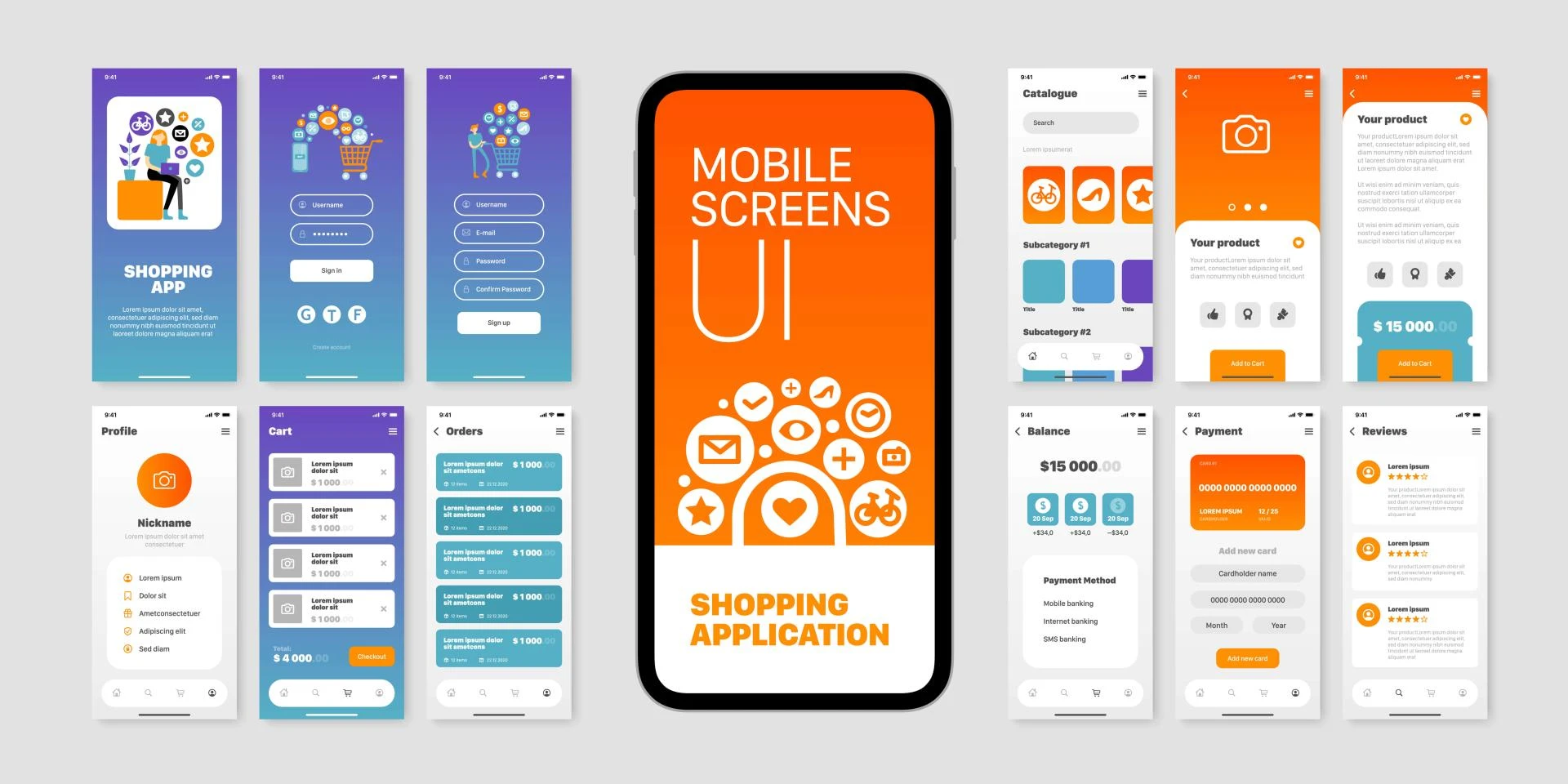
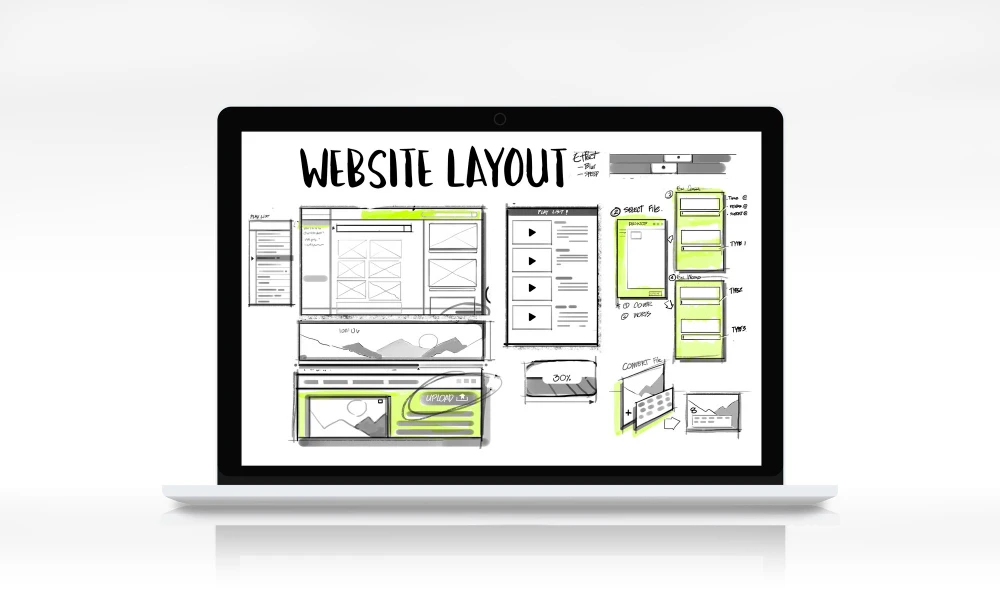
Devoq Design stands out as a premier UI/UX Design Agency in both Delhi and New Delhi. Their expertise in crafting user-friendly and visually compelling digital solutions has made them a go-to choice for businesses in these regions. As a leading UI/UX Design Agency in Delhi, Devoq Design focuses on understanding the unique needs of their clients to create bespoke interfaces that enhance user interaction and satisfaction. Similarly, their team in the UI/UX Design Agency in New Delhi is dedicated to delivering top-notch design services, ensuring that every project they undertake meets the highest standards of innovation and functionality. With a presence in both Delhi and New Delhi, Devoq Design continues to set benchmarks in the UI/UX design industry.






















Sign in to leave a comment.