
In today's digital landscape, having a well-designed landing page is crucial for capturing and retaining the attention of your target audience. A landing page serves as the first point of contact for many potential customers, making it essential to create a seamless and engaging user experience (UI/UX). Here are some expert tips to help you design a landing page that drives results.
1. Introduction
Before diving into the specifics of landing page design, it's important to understand the role of UI/UX in creating a successful page. UI/UX design focuses on creating interfaces that are intuitive, efficient, and enjoyable to use. By applying UI/UX principles to your landing page, you can enhance user satisfaction and drive conversions.
2. Understanding Your Audience
One of the first steps in designing an effective landing page is to research and define your target audience. By creating user personas, you can gain insights into the preferences, needs, and behaviors of your audience, allowing you to tailor your design to meet their specific needs.
3. Simplifying Navigation
Navigation is a critical aspect of UI/UX design, especially on a landing page where users are looking for specific information or actions. To simplify navigation, use clear and concise menu options and intuitive design elements that guide users through the page.
4. Visual Consistency
Maintaining visual consistency is key to creating a professional and cohesive landing page design. Use a consistent color palette, typography, and branding elements throughout your page to create a unified and visually appealing experience.
5. Mobile Optimization
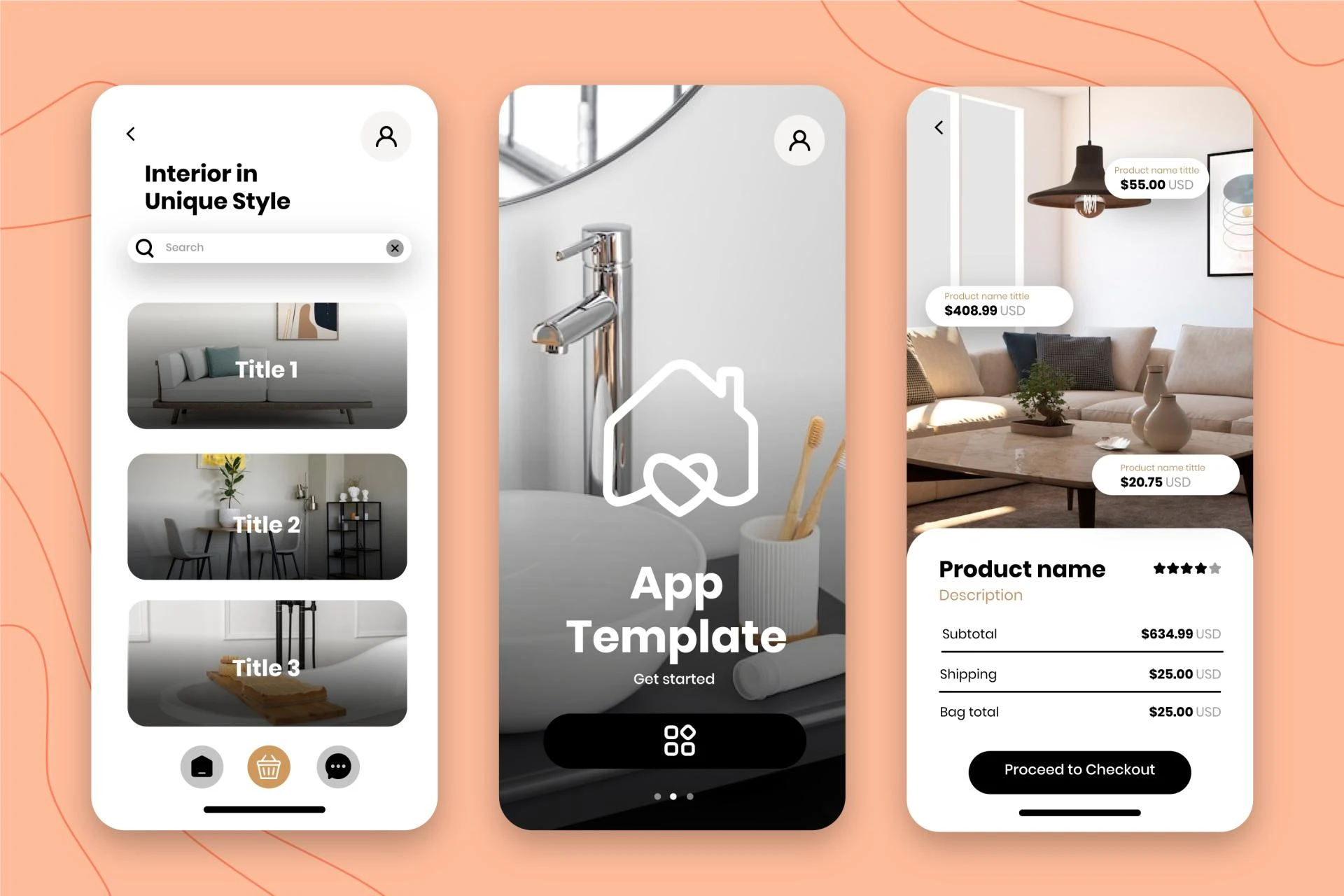
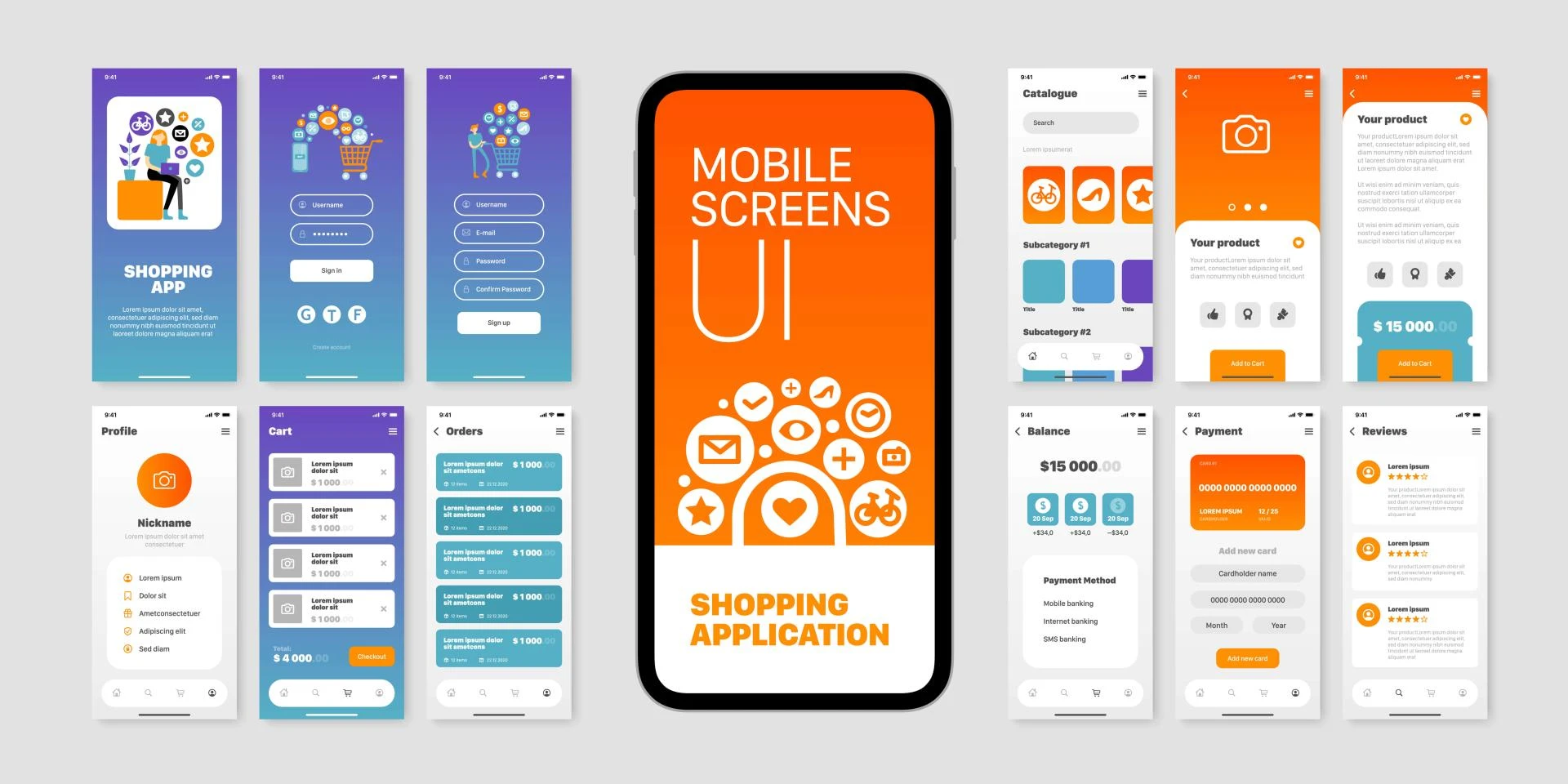
With the majority of users accessing the internet on mobile devices, it's essential to design your landing page with mobile users in mind. Designing for mobile-first ensures that your page is responsive and accessible across a variety of devices and screen sizes.
6. Loading Speed Optimization
Page loading speed is a critical factor in user experience and can significantly impact bounce rates. To optimize loading speed, minimize the use of large images and unnecessary elements, and utilize browser caching to improve performance.
7. Call-to-Action (CTA) Optimization
CTAs are the gateway to conversions on your landing page, so it's important to make them compelling and easy to find. Use contrasting colors and clear messaging to make your CTAs stand out, and place them strategically throughout the page to guide user behavior.
8. A/B Testing
A/B testing is a valuable tool for optimizing your landing page design. By testing different design elements, layouts, and CTAs, you can gather valuable data on what resonates with your audience and make informed design decisions based on the results.
9. Accessibility
Ensuring that your landing page is accessible to all users, including those with disabilities, is essential for providing an inclusive user experience. Use alt text for images and ensure that text has sufficient contrast for readability.
10. Feedback Collection
Incorporating feedback forms or surveys into your landing page can provide valuable insights into user preferences and behavior. Use this feedback to make iterative improvements to your design and enhance the user experience over time.
11. Integration with Analytics
Analytics tools can provide valuable data on user behavior and engagement, helping you refine and optimize your landing page design. Use this data to track the performance of your page and make data-driven decisions to improve its effectiveness.
12. Social Proof and Trust Signals
Incorporating social proof elements such as testimonials, reviews, and trust badges can help build credibility and trust with your audience. Use social media integration to showcase social proof and build a sense of community around your brand.
13. Interactive Elements
Adding interactive elements such as quizzes or calculators can help engage users and keep them on your page longer. However, it's essential to ensure that these elements enhance, rather than distract from, the user experience.
14. Feedback Loop
Establishing a feedback loop with your audience can help you gather ongoing insights and make continuous improvements to your landing page. Use this feedback to identify areas for improvement and implement changes based on user input.
15. Conclusion
In conclusion, designing a landing page that drives results requires a deep understanding of your audience and a focus on creating a seamless and engaging user experience. By implementing expert UI/UX tips such as simplifying navigation, optimizing for mobile, and integrating analytics, you can create a landing page that not only attracts visitors but also converts them into loyal customers.
My Fiver link for : Figma Landing Page Design Service




















Sign in to leave a comment.