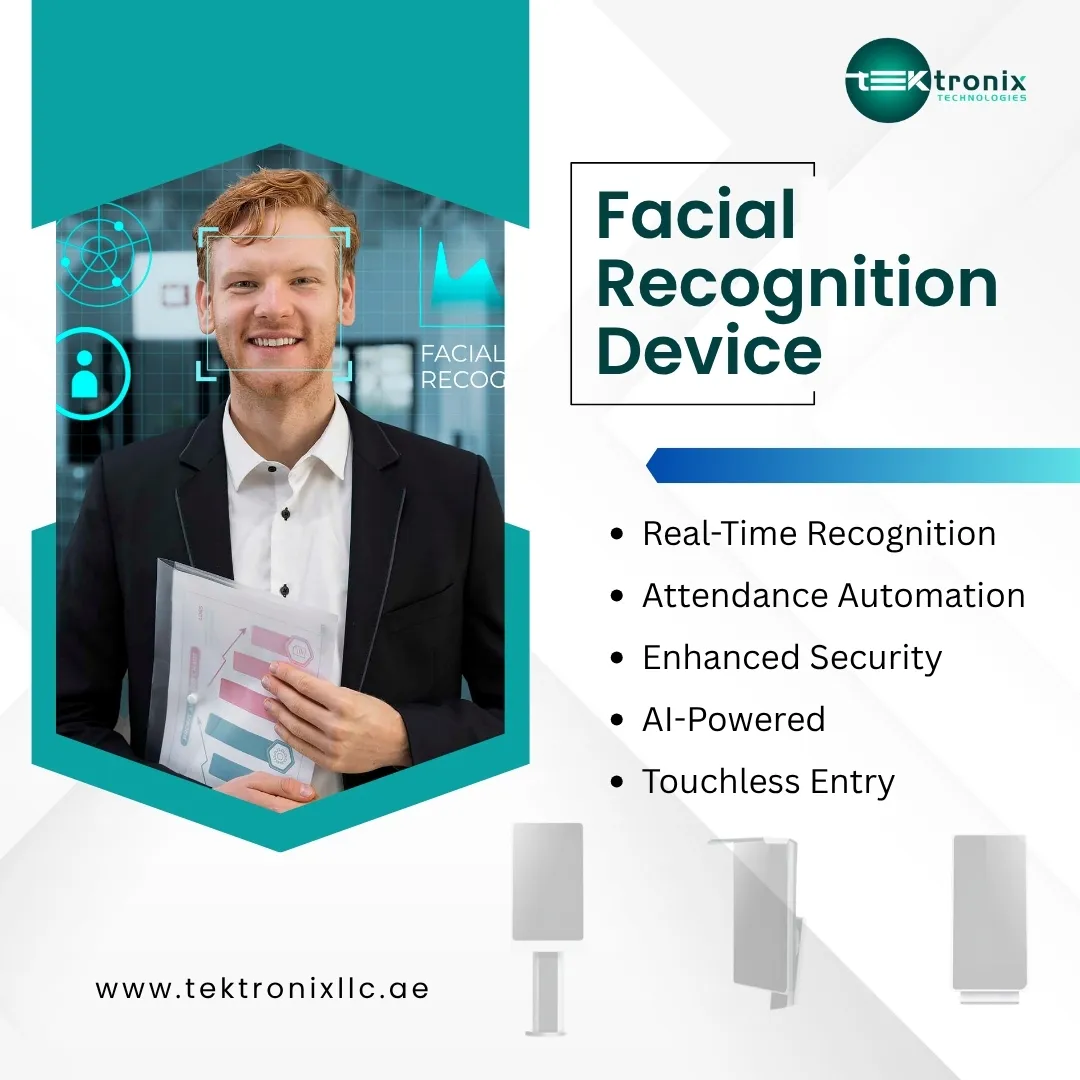

Facial Recognition System technology is rapidly becoming the cornerstone of physical security and identity management in UAE hospitals, clinics, and healthcare campuses. In environments where patient safety, staff accountability, controlled substance security, and data confidentiality intersect under the same roof, the need for a robust, touchless, and audit-ready biometric platform has never been more pressing. Facial Recognition System solutions from Tektronix LLC give UAE healthcare operators the precision access control, real-time identity verification, and compliance-grade audit trails that modern Joint Commission International (JCI), Dubai Health Authority (DHA), and Abu Dhabi Health Services Company (SEHA) standards demand. From trauma centers in Dubai Healthcare City to specialist hospitals on Abu Dhabi's Saadiyat Island, Facial Recognition System UAE technology is transforming how healthcare facilities protect their most vulnerable — and their most valuable — assets.
Tektronix LLC is the UAE's specialist integrator for healthcare-grade biometric security systems, with certified engineering teams and a decade of deployment experience across the full spectrum of UAE medical facilities.
Why Healthcare Facilities in the UAE Demand Biometric-Grade Security
Hospitals and healthcare campuses present a uniquely complex security challenge. Unlike corporate offices or industrial facilities, a hospital must simultaneously be accessible to the public — patients, visitors, emergency services — while maintaining strict controlled access to pharmaceutical stores, clinical data rooms, operating theatres, neonatal units, intensive care wards, and administrative IT infrastructure. Traditional access control systems built on proximity cards and PIN codes are fundamentally inadequate for this environment: cards are lost, borrowed, or cloned; PINs are shared between shift workers; and neither provides the identity certainty that healthcare governance frameworks require.
The UAE's healthcare sector operates under some of the most rigorous regulatory expectations in the region. DHA's Health Facility Guidelines, HAAD (now DOH) Standards for Abu Dhabi, JCI accreditation requirements, and the UAE's overarching National Health Strategy all impose explicit obligations around access control, medication security, patient privacy, and incident auditability. A well-architected Facial Recognition System does not merely satisfy these obligations — it transforms compliance from a cost center into an operational asset, enabling security managers to demonstrate governance with a timestamped photographic record of every identity-verified access event.
Face Detection: The First Layer of Healthcare Security Intelligence
Every effective biometric security workflow begins with reliable Face Detection — the capability of a camera-enabled terminal to locate, isolate, and analyze a human face within its field of view in real time. In a healthcare context, face detection operates continuously across all monitored entry points, corridors, and restricted-zone thresholds, creating a persistent awareness layer that conventional access control simply cannot replicate.
In UAE hospital environments, face detection delivers distinct operational value beyond access control. Deployed at ward entrances, ICU vestibules, and pharmacy counters, it enables continuous occupancy monitoring — identifying when unauthorized individuals enter controlled zones without triggering an access event through a reader. Integrated with the Video Management System (VMS), face detection events generate automatic audit log entries linked to camera-captured images, creating the evidence chain that DHA and JCI inspection teams expect to find during accreditation reviews.
Key face detection capabilities Tektronix LLC deploys in healthcare environments:
- Wide-angle multi-face detection processing up to 10 simultaneous faces per camera frame — essential for high-traffic hospital entrances during shift changes
- Liveness detection to prevent photograph or screen-based spoofing — critical in pharmaceutical storage areas where access credential fraud carries the highest consequence
- Mask-tolerant detection algorithms performing reliably in PPE environments — addressing the specific challenge of clinical areas where surgical masks are standard
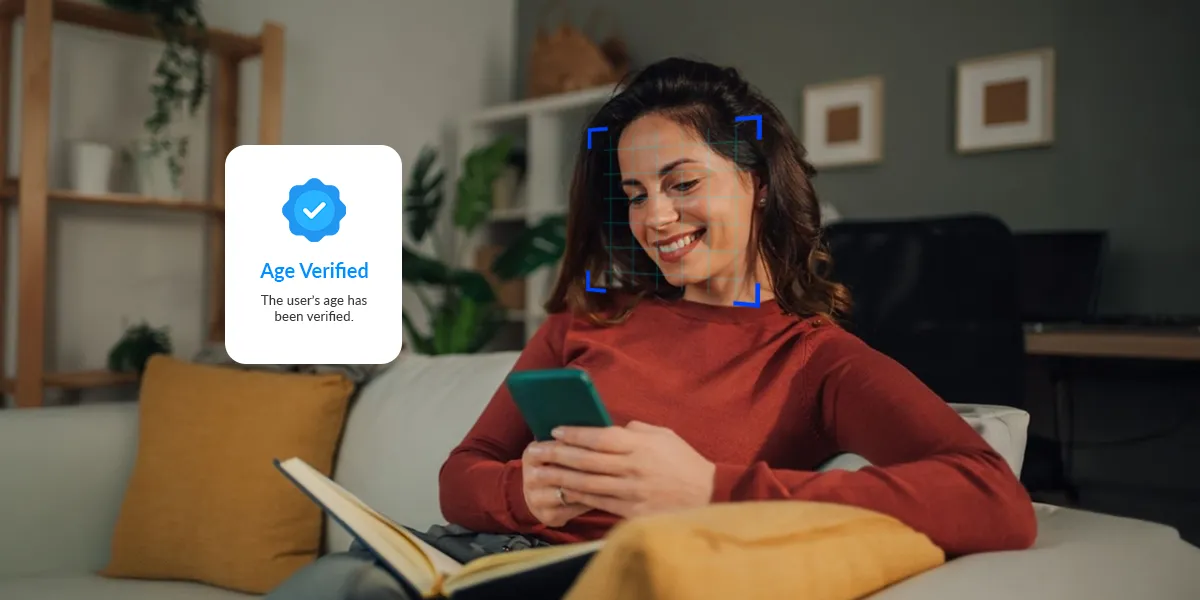
- Age and demographic estimation capability to support paediatric ward protection protocols — flagging adults accessing paediatric zones without prior enrollment in those access groups
Facial Identification: Matching Identity Across the Healthcare Campus
Where face detection locates and registers the presence of a face, Facial Identification performs the deeper analytical task of comparing that detected face against a database of enrolled individuals to determine who the person is. In a healthcare security context, this capability underpins a broad range of critical workflows — from verifying that a pharmacist collecting a controlled substance dispensing authority is who they claim to be, to confirming the identity of a patient being transported between departments to prevent patient misidentification events.
Tektronix LLC implements Facial Identification platforms with (one-to-many) search capability, enabling a single enrolled face to be matched against databases of tens of thousands of staff, contractor, patient, and visitor records simultaneously. This is particularly valuable for UAE hospital campuses with large workforces drawn from diverse international backgrounds — the deep-learning models underpinning our systems are trained on demographically diverse datasets, delivering consistent accuracy across all ethnic groups and age ranges represented in the UAE's healthcare workforce.
Healthcare-specific facial identification applications include:
- Staff identity verification at medication dispensing cabinets, narcotics safes, and controlled substance storage — replacing vulnerable PIN-code access with biometric certainty
- Contractor and vendor tracking — automatically logging the presence and movement of maintenance contractors, medical equipment suppliers, and cleaning staff throughout the facility
- Patient identity confirmation at clinical handover points — an application that directly addresses the World Health Organization's patient safety goal of eliminating misidentification errors
- VIP and high-risk patient protection — configuring alert workflows that notify security staff when enrolled high-risk individuals are detected accessing unauthorized facility zones
Facial Authentication: Biometric Certainty at Every Controlled Access Point
While identification answers the question "who is this person?", Facial Authentication answers a different and equally important question: "is this person authorized to be here, right now, under these conditions?" Authentication is the access control enforcement layer — the point at which a verified identity is checked against a policy database that defines permitted zones, permitted times, and required authorization levels for every enrolled individual.
In UAE healthcare facilities, Facial Authentication replaces every legacy credential type — proximity card, PIN, key fob, swipe badge — with a single biometric factor that cannot be shared, lost, or forgotten. For multi-factor access points such as operating theatre scrub areas, blood bank refrigerators, and hospital pharmacy dispensaries, facial authentication is combined with a secondary factor (PIN or mobile credential) to satisfy the dual-custody and dual-authorization requirements mandated by DOH and DHA pharmaceutical governance standards.
Access control policy features enabled by facial authentication in UAE hospital deployments:
- Time-of-day access restrictions — a surgeon's facial authentication grants access to the operating theatre only during their scheduled operating list, automatically revoking access outside those windows
- Anti-passback enforcement — preventing a single biometric event from being used to grant access to two individuals in sequence, closing the tailgating vulnerability at controlled ward entries
- Automatic access revocation upon employment status change — biometric profiles deactivated in real time when HR systems flag staff departure, resignation, or suspension
- Emergency override workflows — simultaneous authentication by two enrolled senior clinicians unlocks restricted clinical storage areas during declared emergency situations
Facial Recognition Software: The Compliance and Governance Engine for UAE Healthcare
The Facial Recognition Software platform is the management intelligence layer that transforms individual biometric events into an organized, searchable, and audit-ready governance record. Tektronix LLC deploys enterprise-grade facial recognition software solutions that are fully certified for UAE healthcare environments, with data handling architectures specifically designed to satisfy the UAE's Personal Data Protection Law (PDPL), Dubai Health Authority electronic health record standards, and JCI's information management chapter requirements.
Enterprise capabilities of the facial recognition software platform:
- Centralized enrollment management supporting bulk onboarding of staff from HR directories (Active Directory, SAP HR) with role-based access policy auto-assignment
- Immutable audit log with cryptographic integrity signing — every access event, enrollment change, and policy modification is timestamped and hash-verified, satisfying the evidentiary requirements of the UAE's healthcare incident investigation framework
- Real-time dashboard with live access event monitoring, alert management, and zone occupancy visualization — providing the security operations center with complete situational awareness across all facility zones simultaneously
- Open API integration with Electronic Health Record (EHR) systems, nurse call platforms, patient flow management software, and building management systems
- Configurable data retention policies with encrypted archive storage — facial template data stored as mathematical vectors, never as photographic images, in compliance with biometric data minimization principles
- Multi-site management console supporting hospital network operators managing multiple facilities across Dubai, Abu Dhabi, and Sharjah from a single unified platform
The Facial Recognition Software platform deployed by Tektronix LLC is not a standalone security tool — it is a governance infrastructure that connects your security operations, human resources, compliance, and clinical risk management functions into a single auditable identity management ecosystem.
Facial Recognition Device: Hygiene-First Hardware for Clinical Environments
The physical hardware through which biometric authentication occurs must meet standards that go well beyond those applicable in commercial or industrial settings. A Facial Recognition Device deployed in a UAE hospital environment must be designed for infection control, constructed from materials tolerant of clinical-grade disinfectants, operable by clinical staff in full PPE, and reliable in the specific lighting conditions of medical imaging suites, operating theatres, and intensive care units.
Tektronix LLC selects and deploys facial recognition hardware specifically validated for healthcare environments. Our clinical-grade device portfolio features:
- Touchless operation — authentication requires zero physical contact, eliminating the cross-contamination risk that makes fingerprint and palm vein readers inappropriate for clinical settings
- IP54-rated or higher enclosures — sealed against the aerosol, moisture, and chemical exposure inherent in hospital cleaning protocols
- IK08 vandal-resistance rating — physical robustness appropriate for high-traffic clinical corridors and emergency department environments
- Wide dynamic range imaging — consistent authentication performance across the challenging lighting transitions between naturally lit corridors and artificially lit clinical rooms
- PoE-powered installation — single-cable deployment minimizing installation disruption in live clinical environments and reducing the cable penetrations that compromise infection control zoning
- Slim-profile wall mounting compatible with hospital corridor width standards and accessibility guidelines under UAE Federal Law No. 29 of 2006 on the Rights of People with Disabilities
Facial Recognition Systems Across the UAE: Dubai, Abu Dhabi, and Sharjah
Facial Recognition System Dubai
Dubai's healthcare sector — anchored by Dubai Healthcare City (DHCC), Jumeirah Medical District, and a rapidly expanding portfolio of private specialist hospitals — operates under the oversight of Dubai Health Authority (DHA) and is home to the highest concentration of JCI-accredited facilities in the UAE. Facial Recognition System Dubai deployments by Tektronix LLC are designed and documented to satisfy DHA's Health Facility Guidelines and JCI Chapter 6 (Facility Management and Safety) requirements from the outset. Our Dubai healthcare portfolio includes implementations at multi-specialty hospitals, day surgery centers, and diagnostic imaging facilities across Business Bay, Al Barsha, Deira, and Jumeirah — serving both Emirati patient populations and Dubai's large international medical tourism community.
Facial Recognition System Abu Dhabi
Abu Dhabi's healthcare infrastructure — encompassing SEHA's network of government hospitals, Cleveland Clinic Abu Dhabi on Al Maryah Island, Yas Island's specialist facilities, and the growing cluster of international hospital brands on Saadiyat Island — operates under the regulatory authority of the Department of Health (DOH), formerly HAAD. Facial Recognition System Abu Dhabi implementations by Tektronix LLC are specifically calibrated to DOH's Facility Standards and Abu Dhabi's National Health Data & Analytics Framework data governance requirements. Our Abu Dhabi healthcare security team brings direct experience of the DOH accreditation inspection process, ensuring that every biometric system we deploy is inspection-ready from commissioning day.
Facial Recognition System Sharjah
Sharjah's expanding healthcare landscape — including University Hospital Sharjah, Zulekha Hospital's Sharjah campus, and the Sharjah Healthcare City development — presents a growing demand for enterprise-grade biometric security scaled appropriately for Sharjah's facility sizes and operational budgets. Facial Recognition System Sharjah solutions from Tektronix LLC leverage the same certified technology platforms deployed in Dubai and Abu Dhabi, with deployment and support delivered by our dedicated Sharjah engineering team. Facilities in Sharjah benefit from our cross-emirate experience in navigating the regulatory interface between DHA, DOH, and Sharjah's own health authority requirements for facilities operating near emirate boundaries.
Why Tektronix LLC: The UAE's Trusted Biometric Security Partner for Healthcare
Deploying biometric identity systems in a healthcare environment is fundamentally different from any other vertical — the stakes are higher, the regulatory frameworks are more demanding, the operational context is more complex, and the consequences of failure are measured not just in financial terms but in-patient safety outcomes. Tektronix LLC brings the specific combination of capabilities that UAE healthcare operators require: deep biometric technology expertise, an intimate understanding of UAE healthcare regulatory frameworks, and a decade of proven delivery across the full spectrum of UAE medical facility types.
Our healthcare security practice is built on:
- Certified system designers with JCI, DHA, and DOH documentation experience
- Biometric platform partnerships with globally certified vendors compliant with ISO/IEC 19794, ISO/IEC 30107 (liveness detection), and FIDO2 biometric authentication standards
- Healthcare-specific commissioning protocols including infection control coordination, clinical workflow impact assessment, and phased go-live planning that maintains care delivery continuity throughout deployment
- Data Protection Impact Assessment (DPIA) framework aligned with UAE PDPL and Dubai Data Law for all biometric data processing activities
- 24/7 post-installation support with healthcare-priority response SLAs — because a failed access control system at 3:00 AM in a UAE hospital is not a next-business-day problem
Every biometric access control deployment for UAE healthcare that Tektronix LLC delivers is preceded by a clinical security risk assessment, a regulatory gap analysis, and a detailed design that integrates seamlessly with your existing hospital infrastructure — from nurse call systems to EHR platforms to building management. Our goal is not to add security complexity to your clinical environment — it is to make security invisible to clinicians and impenetrable to threats.
Conclusion
The Facial Recognition System has evolved from a futuristic concept into an operational necessity for UAE healthcare facilities committed to patient safety, staff accountability, regulatory compliance, and pharmaceutical security. The convergence of accurate Face Detection, reliable Facial Identification, policy-enforced Facial Authentication, governance-ready Facial Recognition Software, and clinically validated Facial Recognition Device hardware creates a biometric security infrastructure that is simultaneously more secure, more operationally efficient, and more audit-defensible than any legacy credential-based alternative.
Whether your facility is a multi-specialty hospital in Dubai Healthcare City, a government tertiary center in Abu Dhabi, or a specialist clinic in Sharjah, Tektronix LLC has the regulatory expertise, certified technology partnerships, and UAE healthcare deployment experience to deliver a biometric security system that protects your patients, your staff, and your accreditation. Contact our healthcare security team today to schedule a complimentary site assessment and discover how Facial Recognition System UAE technology from Tektronix LLC can transform your facility's security posture and regulatory readiness.
FAQs
FAQ 1: Is a Facial Recognition System compliant with UAE healthcare patient privacy regulations?
A properly implemented Facial Recognition System is fully compatible with UAE healthcare privacy obligations when designed according to data minimization and privacy-by-design principles. Tektronix LLC's healthcare deployments store biometric data exclusively as encrypted mathematical templates — not photographs — within secure on-device or on-premises enclaves, ensuring no facial imagery is retained beyond the authentication transaction. Each deployment is accompanied by a Data Protection Impact Assessment aligned with the UAE Personal Data Protection Law (PDPL), Dubai Data Law, and DHA's Health Information Governance Framework, providing the documented evidence of privacy compliance that DHA and DOH accreditation inspectors require.
FAQ 2: How does Face Detection perform in hospital environments where staff wear surgical masks?
Modern Face Detection algorithms deployed by Tektronix LLC are specifically trained to operate in masked-face scenarios — a capability that became critical during the COVID-19 pandemic and has since been retained as a permanent deployment standard for UAE clinical environments. The algorithms use the periocular region (eyes, nose bridge, forehead geometry) and upper facial landmarks to perform detection and identification with accuracy rates above 98% even when the lower two-thirds of the face is obscured by a surgical mask, N95 respirator, or face shield. This ensures that clinical staff in PPE-mandatory zones such as operating theatres, isolation wards, and procedure rooms can authenticate without interrupting their clinical workflow.
FAQ 3: Can Facial Authentication replace existing access cards across an entire hospital campus?
Yes, and Tektronix LLC typically recommends a phased migration approach. Facial Authentication terminals are designed to operate alongside existing card readers during a transition period, allowing staff to authenticate with either credential while enrollment and testing are completed. Once full enrollment of the staff population is verified and system performance is confirmed under operational conditions, card-based access can be decommissioned zone by zone. The migration is orchestrated to maintain continuous access control coverage across all areas — including 24/7 clinical departments — with zero disruption to patient care delivery. Existing card reader infrastructure is typically retained as an emergency backup, preserving the investment made in your current access control head-end system.
FAQ 4: What Facial Recognition Software standards apply in UAE healthcare environments?
Facial Recognition Software deployed in UAE healthcare settings must satisfy several overlapping standards. For biometric performance, Tektronix LLC selects platforms certified to ISO/IEC 19794-5 (face image data format), ISO/IEC 30107-3 (liveness detection), and NIST FRVT (Face Recognition Vendor Testing) evaluated algorithms. For data governance, UAE PDPL compliance requires documented lawful basis for biometric processing, explicit consent management for patient-facing applications, and breach notification procedures. For healthcare-specific integration, platforms must support HL7 FHIR interfaces for connection with EHR systems and satisfy DHA's requirements for electronic audit trail retention under its Health Records and Health Information Management Standards.
FAQ 5: How does Tektronix LLC handle Facial Recognition Device installation in live clinical environments?
Tektronix LLC operates a healthcare-specific project delivery methodology that recognizes the paramount importance of maintaining clinical operations throughout any security infrastructure upgrade. Facial Recognition Device installations in live clinical environments are conducted under a phased installation plan developed in collaboration with your facilities management, infection control, and clinical operations teams. Installation activities in clinical zones are scheduled during approved maintenance windows — typically overnight or during reduced-activity periods — with temporary access control provisions maintained throughout. All installation personnel hold current DHA-issued health screening clearances and follow your facility's infection control protocols, including full PPE compliance, equipment decontamination procedures, and restricted corridor movement to minimize clinical workflow disruption. Post-installation, a dedicated commissioning period allows clinical staff to familiarize with the new authentication workflow before legacy systems are decommissioned.


























Sign in to leave a comment.