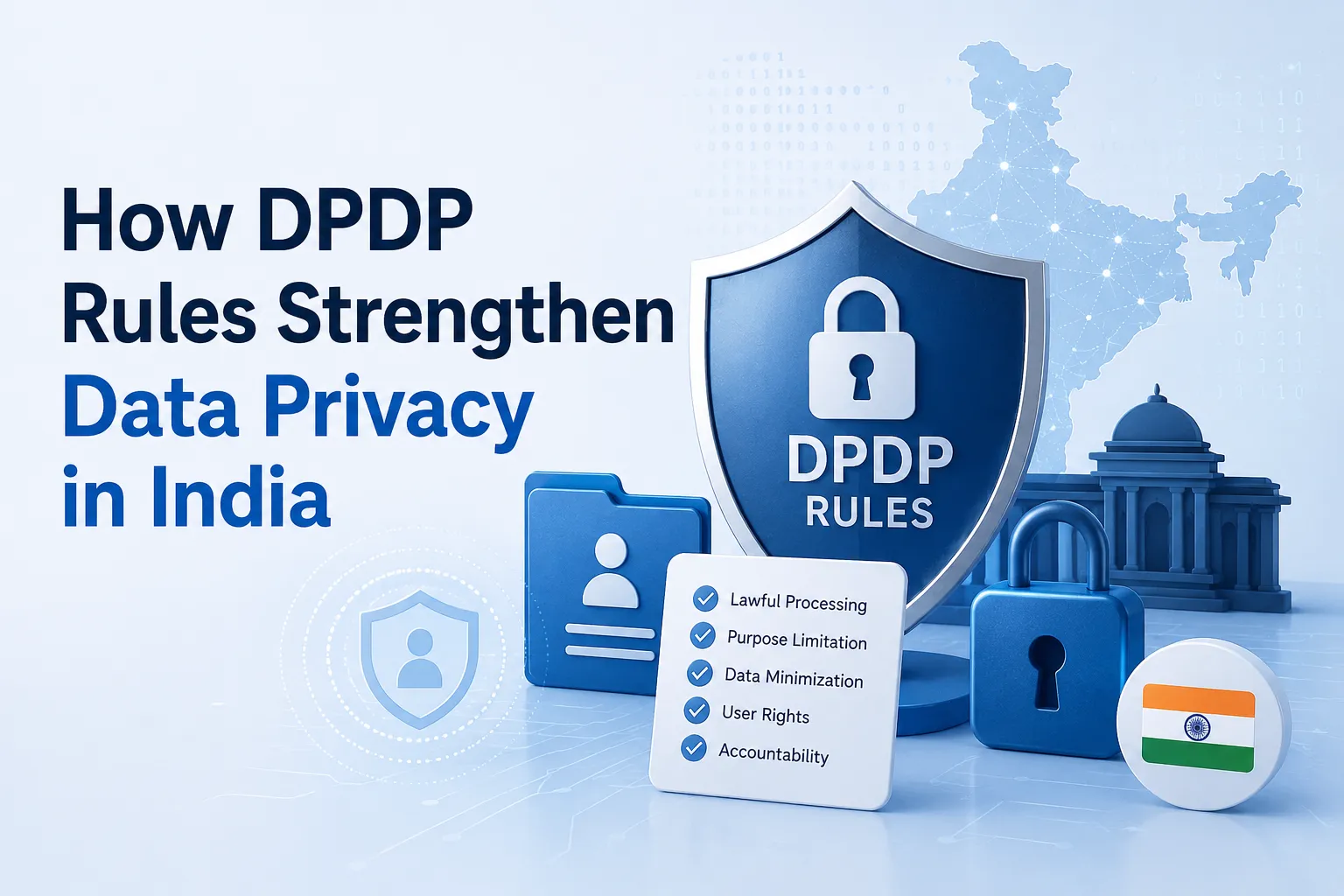

India’s digital ecosystem continues to expand at an unprecedented pace, and with it comes rising exposure to cyber risks, data misuse, and compliance gaps. Enterprises now manage vast volumes of personal and sensitive personal data, making data privacy not just a legal expectation but a business-critical priority.
The DPDP Rules bring much-needed clarity and operational direction to organisations preparing for a new era of responsible data governance.
A New Compliance Landscape for Data Privacy
Before the DPDP framework, IT and security leaders navigated fragmented guidelines and ambiguous obligations. In addition, they struggled to implement privacy-by-design, enforce the purpose limitation, and ensure compliance across multiple, distributed locations in managing and maintaining their property.
The DPDP regulatory changes, which will provide certainty for businesses about how they must collect, store and protect personal information, have now addressed these issues with definitions around consent management and data retention and data breach notification and how to manage complaints and authenticate children's data, by introducing clear standardised rules to ensure all businesses as an organisation have consistent privacy practices throughout every area.
How DPDP Rules Strengthen Enterprise Security
The DPDP Regulations provide a framework for building strong compliance and cybersecurity. Key benefits include the following-
- More robust governance: Require organisations to have a data processing accountability process in place, and provide users with clarity on their data processing choices.
- Reduced data exposure: Enforces purpose limitation and minimisation to limit unnecessary data collection.
- Higher breach preparedness: Requires timely breach reporting and structured incident response workflows.
- Improved digital trust: Enhances customer confidence by ensuring enterprises protect and respect personal data.
- Operational consistency: Standardises policies across departments, vendors, and digital platforms.
Navigating the Future of Data Privacy in India
With the emerging Data Protection and Privacy Era (DPDP), industries are moving from traditional, reactive approaches to proactive, architectural approaches to implementing privacy laws and regulations through the creation of "security fabrics". As such, businesses are now required to integrate compliance measures across the entire security landscape, including endpoints and networks, cloud applications, and third-party ecosystems.
Threat intelligence-enabled solutions using a Cybersecurity Mesh Architecture, such as Seqrite’s Data Privacy suite, can help companies operationalise their compliance measures with minimal disruption to business operations and remain audit-ready.
Conclusion
The DPDP Rules empower enterprises to strengthen data privacy frameworks and reduce regulatory risk. Organisations that modernise their security posture now will gain a competitive advantage in India’s evolving digital economy.




























Sign in to leave a comment.