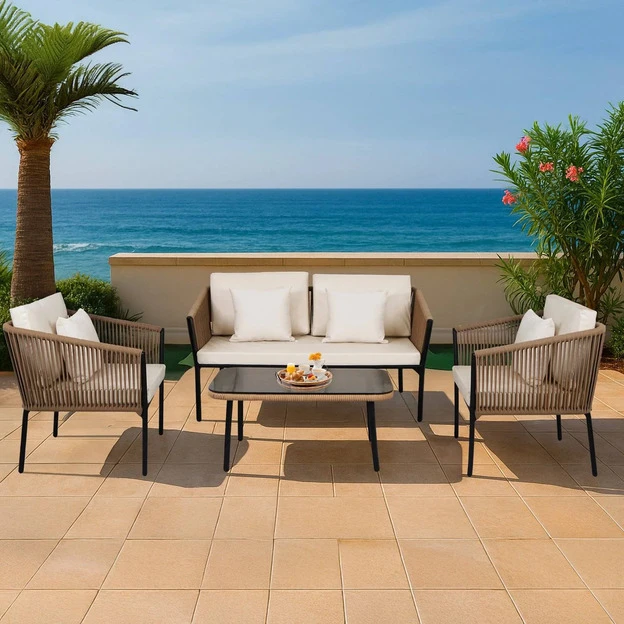

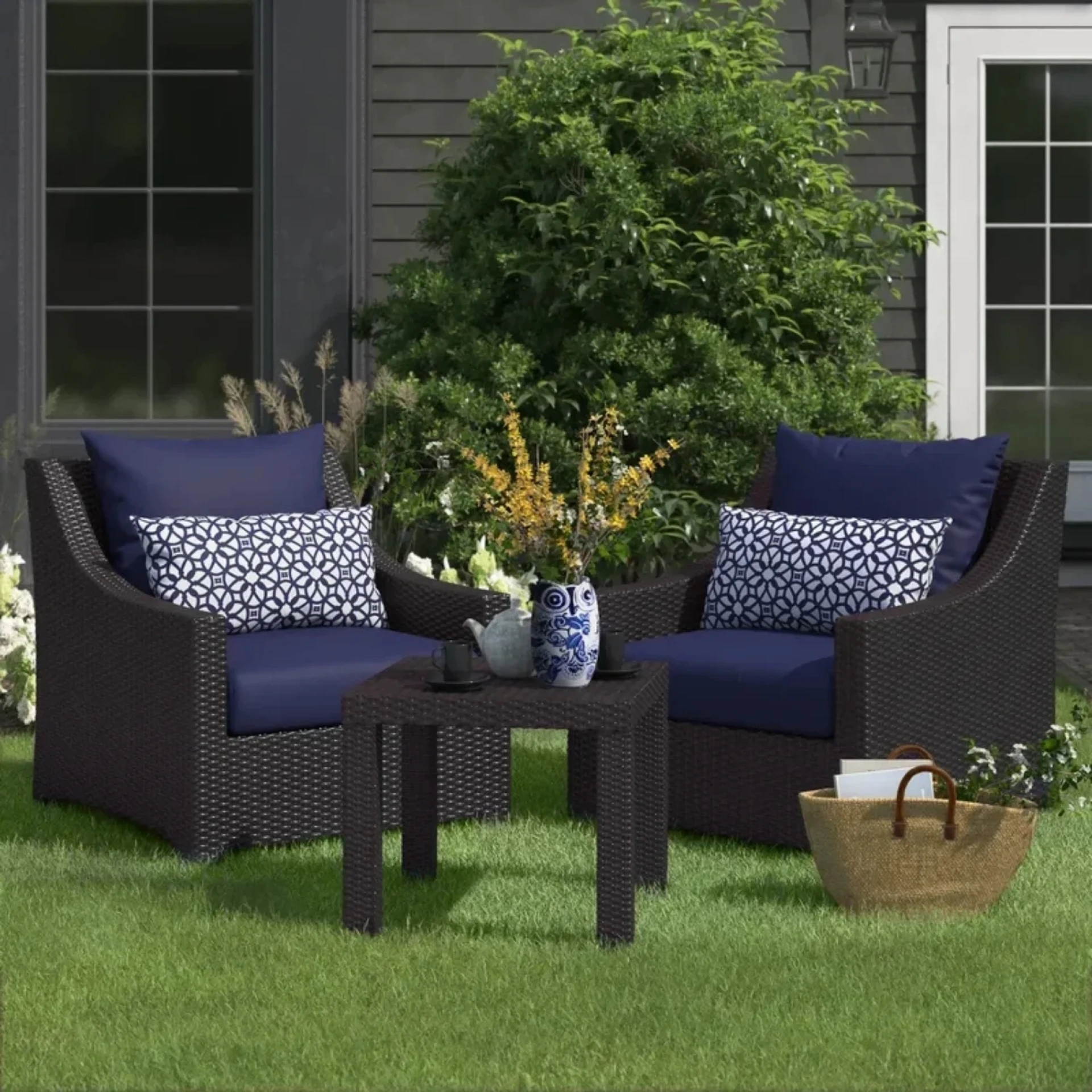
In the hustle and bustle of growing urban landscapes, space has become a luxury. As city dwellers seek solace in the outdoors without leaving their homes, the concept of compact urban gardens is gaining momentum. Whether it's a cozy balcony, a rooftop retreat, or a tiny backyard, the desire to create relaxing, green environments in limited spaces is reshaping the way we live—and more importantly, how we design and shop for outdoor furniture.
Let’s explore how the rise of compact urban gardens is driving the evolution of outdoor furniture and what we can expect in the coming years.
1. Smaller, Smarter Designs for Urban Living
As garden spaces shrink, traditional bulky patio sets and loungers are being replaced by space-saving furniture that offers the same level of comfort and style, but with smarter use of dimensions. Expect to see:
- Foldable chairs and tables that can be stored away when not in use
- Nesting stools and stackable seating solutions
- Slim-profile benches that double as planters or storage units
These innovations in outdoor furniture are making it easier for urban homeowners to design inviting garden corners, even in a few square feet.
2. Multi-Functional Outdoor Furniture
In compact urban gardens, every piece must serve a purpose—or two. As a result, multi-functional outdoor furniture is at the forefront of modern design.
- Bench seats with built-in storage for gardening tools or outdoor cushions
- Coffee tables that convert into dining tables
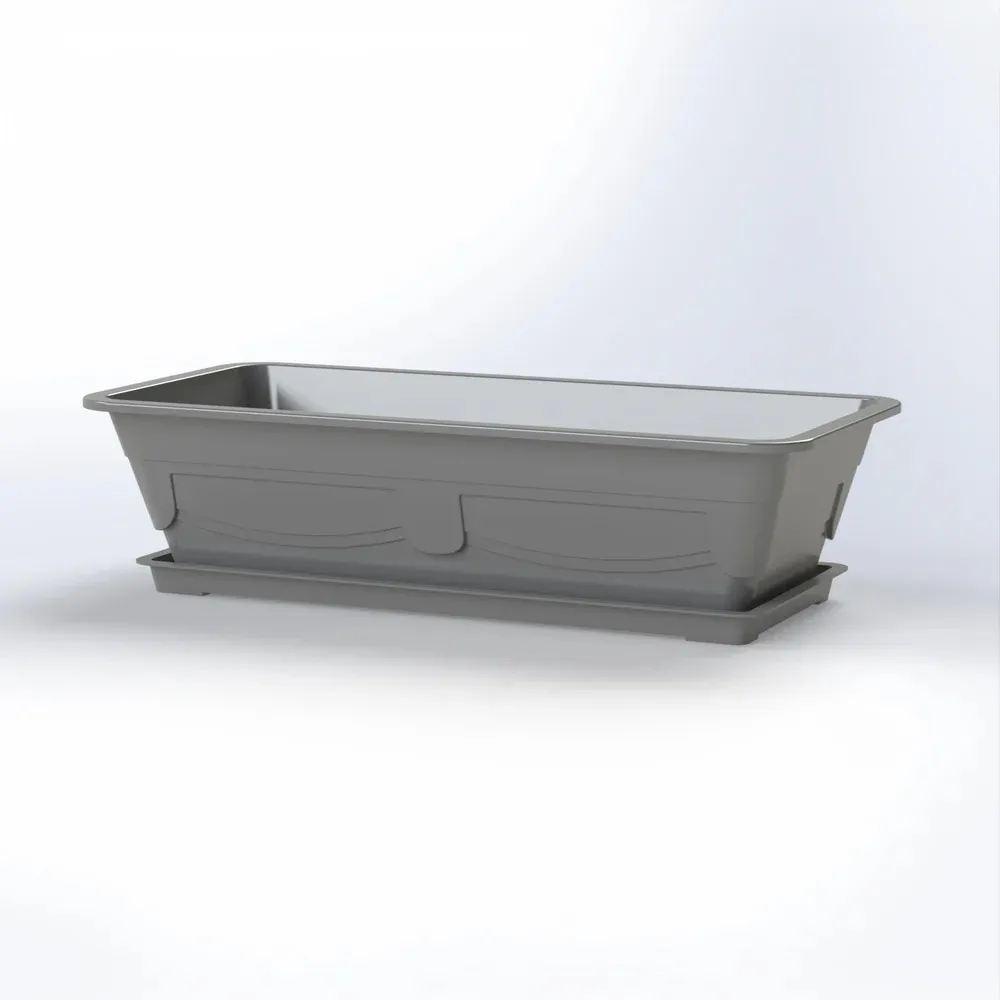
- Planter benches that combine seating and greenery
- Modular sofas that reconfigure to fit odd-shaped balconies
This trend is all about flexibility and maximizing value, especially in metros where outdoor square footage is limited.
3. Vertical Solutions and Hanging Furniture
The urban garden revolution isn’t just horizontal—it’s going vertical. As people embrace wall gardens and railing planters, furniture designers are introducing vertical and hanging furniture solutions:
- Wall-mounted folding tables for compact balconies
- Hanging chairs and swings to free up floor space
- Rail-hugging bar stools and slim countertops for dining with a view
These options transform even the tiniest spaces into functional and relaxing retreats.
4. Modular and Customizable Furniture
Mass-produced, one-size-fits-all patio sets are giving way to modular outdoor furniture that adapts to the user's space and needs. The future of urban outdoor living lies in customizable layouts:
- Mix-and-match modules for seating and tables
- Expandable furniture for hosting more guests
- Cushion systems that let users personalize comfort and color
Customization ensures every square inch of a compact garden is used effectively while reflecting personal style.
5. Lightweight and Portable Options
Portability is key when dealing with shared balconies, rooftop gardens, or movable garden pods. Lightweight materials like aluminum, synthetic rattan, and engineered polymers are dominating the outdoor furniture market because they’re:
- Easy to move or rearrange
- Resistant to weather and corrosion
- Ideal for renters or those who frequently redesign their space
This trend allows urban gardeners to adapt their space for sun, shade, guests, or quiet moments alone.
6. Eco-Friendly Materials for Sustainable Spaces
Urban gardeners often value sustainability and eco-conscious choices. This has led to a rising demand for outdoor furniture made from:
- Recycled plastic or reclaimed wood
- Bamboo and rattan harvested sustainably
- Eco-friendly metal alloys with longer lifespans
These materials not only reduce environmental impact but also fit seamlessly into the natural aesthetic of urban green spaces.
7. Tech-Integrated Outdoor Furniture
With smart homes becoming the norm, outdoor furniture is also evolving with integrated technology. Upcoming innovations include:
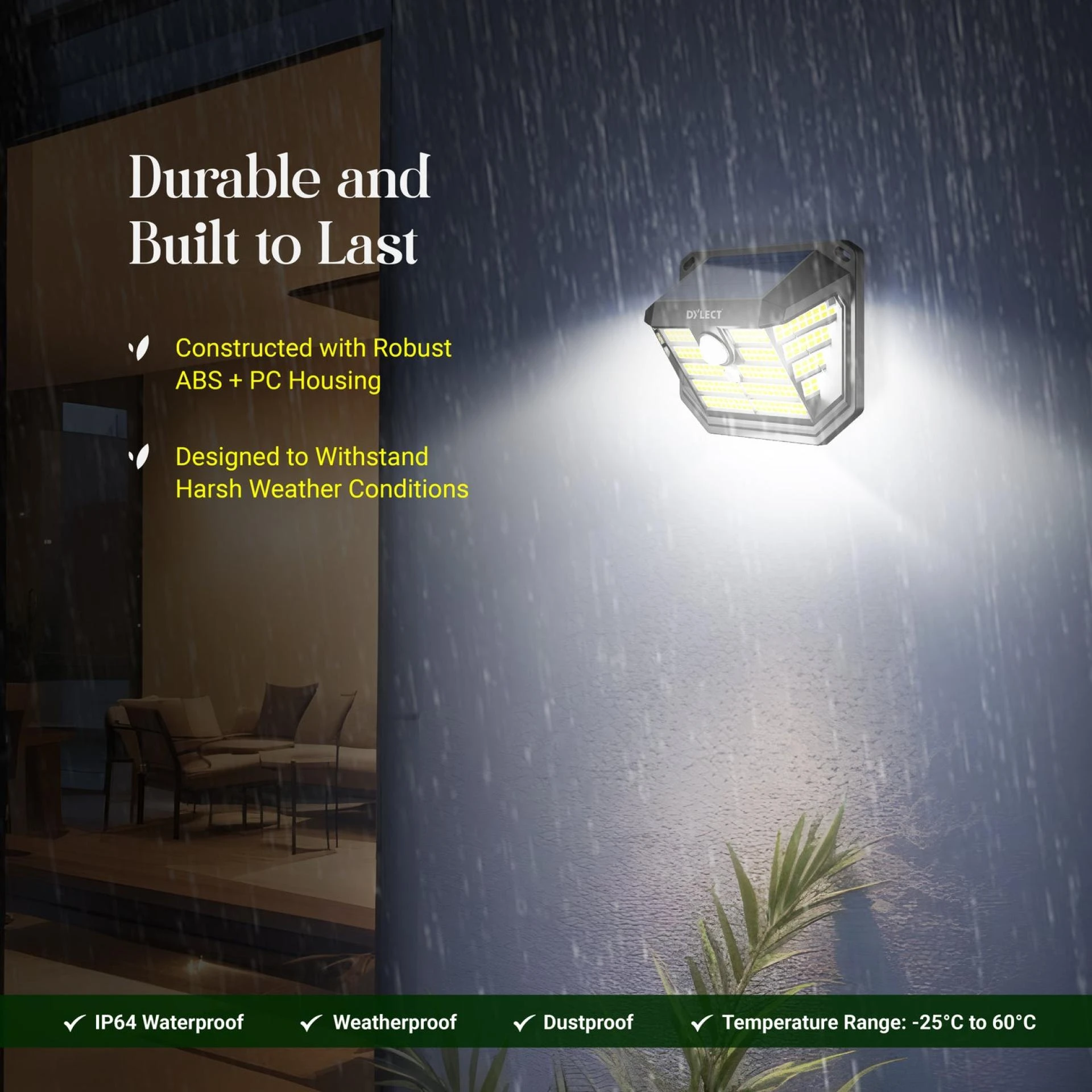
- Built-in solar lighting on tabletops or benches
- Charging ports for mobile devices
- Bluetooth speakers integrated into chair arms or planters
- Smart climate-resistant fabrics that adjust to temperature
These features cater to a new generation that blends comfort, function, and connectivity—even in the garden.
8. Minimalist Aesthetics to Maximize Space
Design trends are moving toward minimalism to visually open up small spaces. Clean lines, muted tones, and compact profiles define the new age of outdoor furniture. Less clutter means more peace—a key desire in fast-paced city life.
Popular minimalist choices include:
- Monochrome metal-framed chairs
- Glass-top compact tables
- Neutral-toned cushions with sleek textures
This aesthetic helps urban gardens feel more spacious and calming.
9. DIY and Custom-Built Furniture
The DIY culture is booming among millennials and Gen Z. Urban homeowners are experimenting with:
- Pallet wood furniture for rustic charm
- Cinder block benches as affordable seating
- Custom-built storage seating to suit unusual layouts
As a result, the market is shifting toward modular kits and semi-finished furniture that can be personalized.
Final Thoughts
The evolution of outdoor furniture is closely tied to how we live—and as cities get denser, the need for smart, compact, and sustainable garden furniture is only growing. From modular designs and multi-functional pieces to eco-friendly materials and tech enhancements, the future of outdoor furniture is built for modern, space-conscious living.
Whether you have a tiny balcony or a compact rooftop garden, the right furniture choices can turn your space into a personal oasis, no matter how small.


























Sign in to leave a comment.