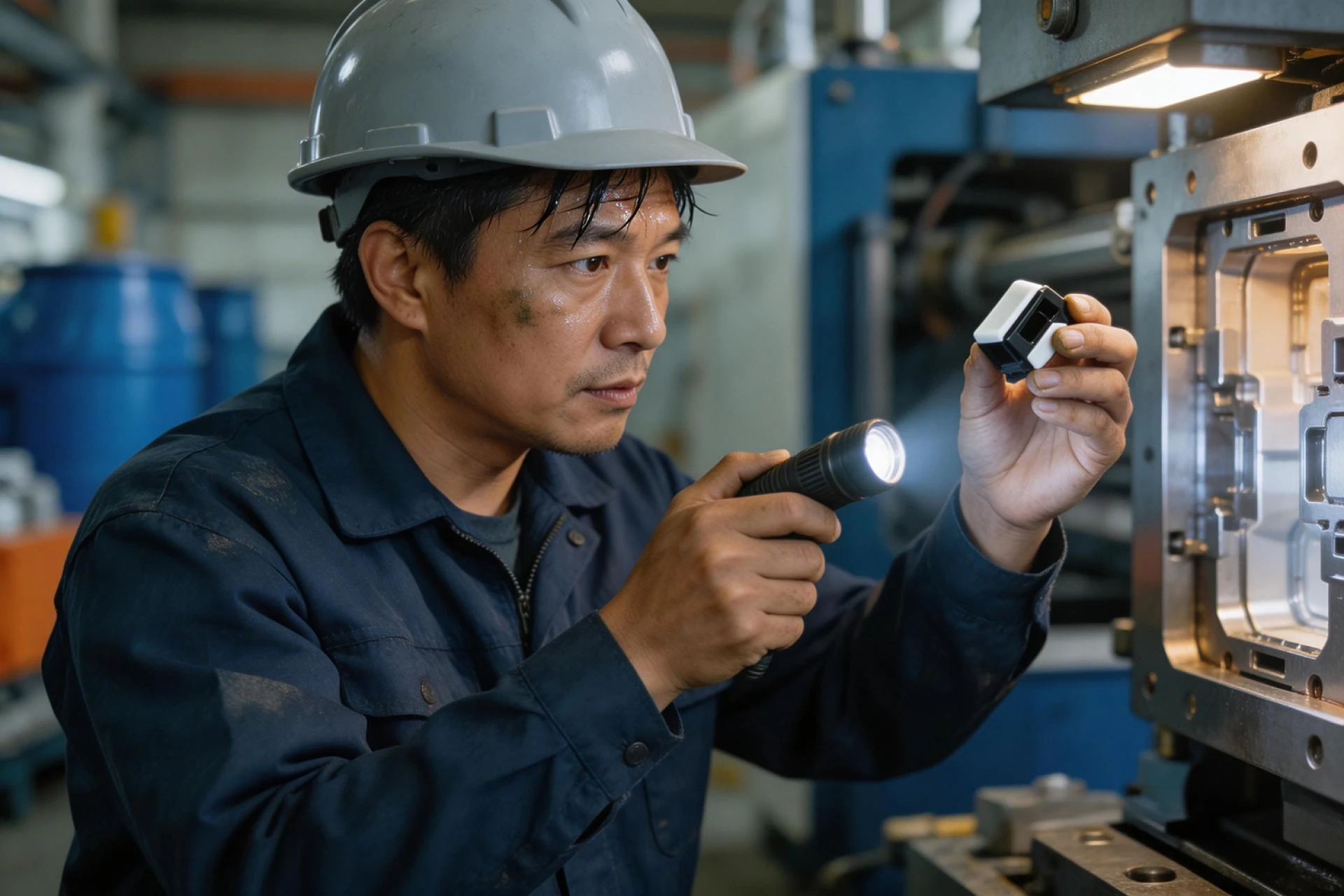
Injection molding engineering is a complex project that involves injection molding raw materials, injection molding machinery and peripheral equipment, injection molds, product quality, injection molding materials, product performance testing, etc. Therefore, injection molding engineers need to have a wealth of professional and theoretical knowledge and skills to perform their duties.
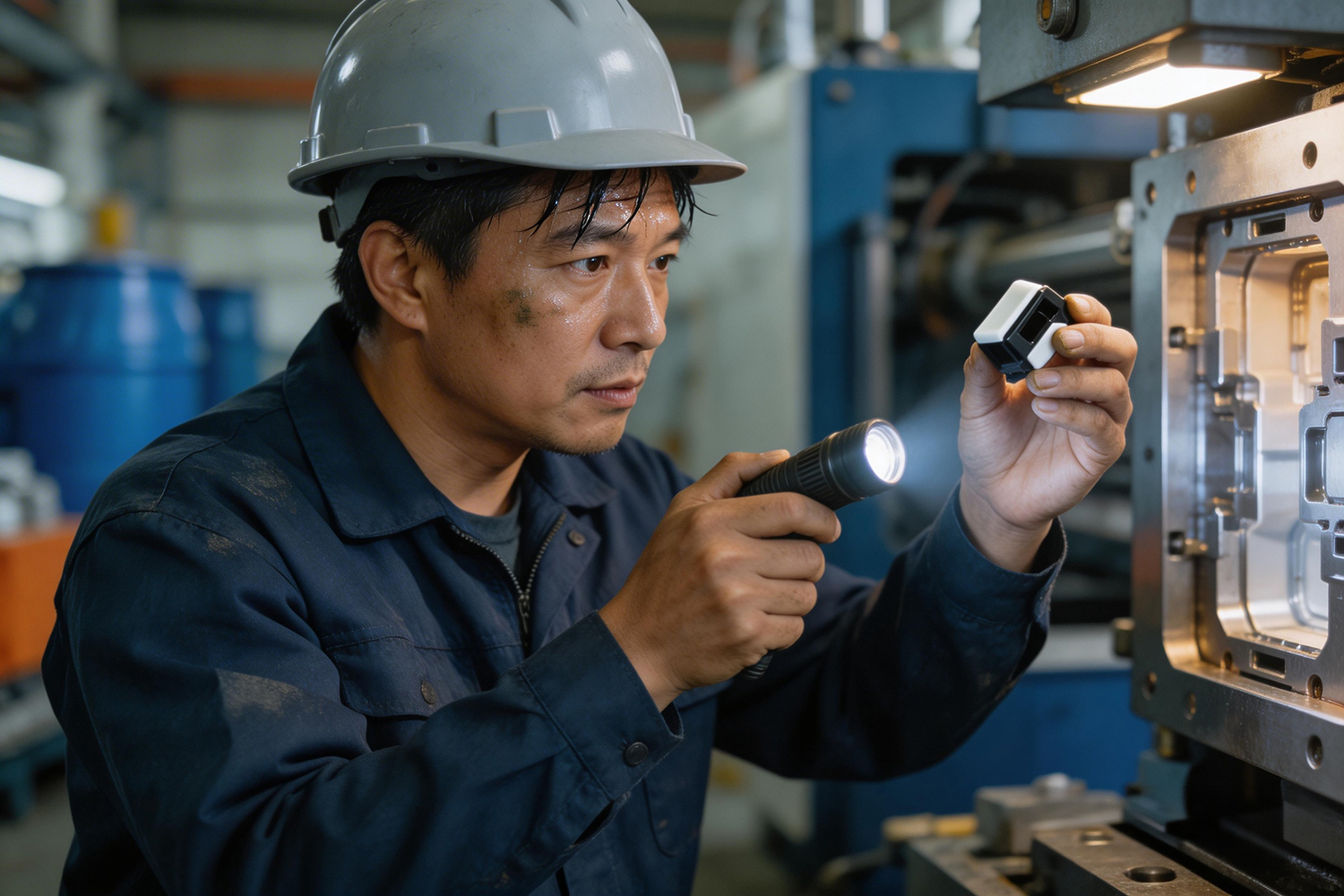
As an injection molding engineer, one should master the following professional theoretical knowledge and skills:
1. With the knowledge of mechanical drawing, an engineer can read and understand product drawings, check the product size and appearance against the drawing requirements, can be more skillful in the use of CAD, UG, and PRO-E.
2. An engineer should have a very rich knowledge of raw materials and be familiar with a variety of injection molding raw materials, physical & mechanical properties, chemical properties, electrical properties, thermal properties, processing methods, and processing characteristics. The production of the enterprise used in a variety of injection molding materials should be done as if it were in the palm of your hand, for the enterprise has not been used for the time being, injection molding materials can also have a preliminary understanding. They can read and understand the physical properties of the raw materials table, the significance of the physical properties of the table, the corresponding test methods, different properties, and grades of raw materials can be a simple comparison.
3. They should be familiar with the composition, structural principles, and operating methods of injection molding machinery and peripheral equipment. They must understand the significance of technical parameters for injection molding machines and peripheral equipment and be able to select equipment based on these parameters. For the key structural parts (such as injection molding machine molding system, injection system, operating system), key components (such as cylinders, hinges, screws, barrels, etc.) should be very clear.
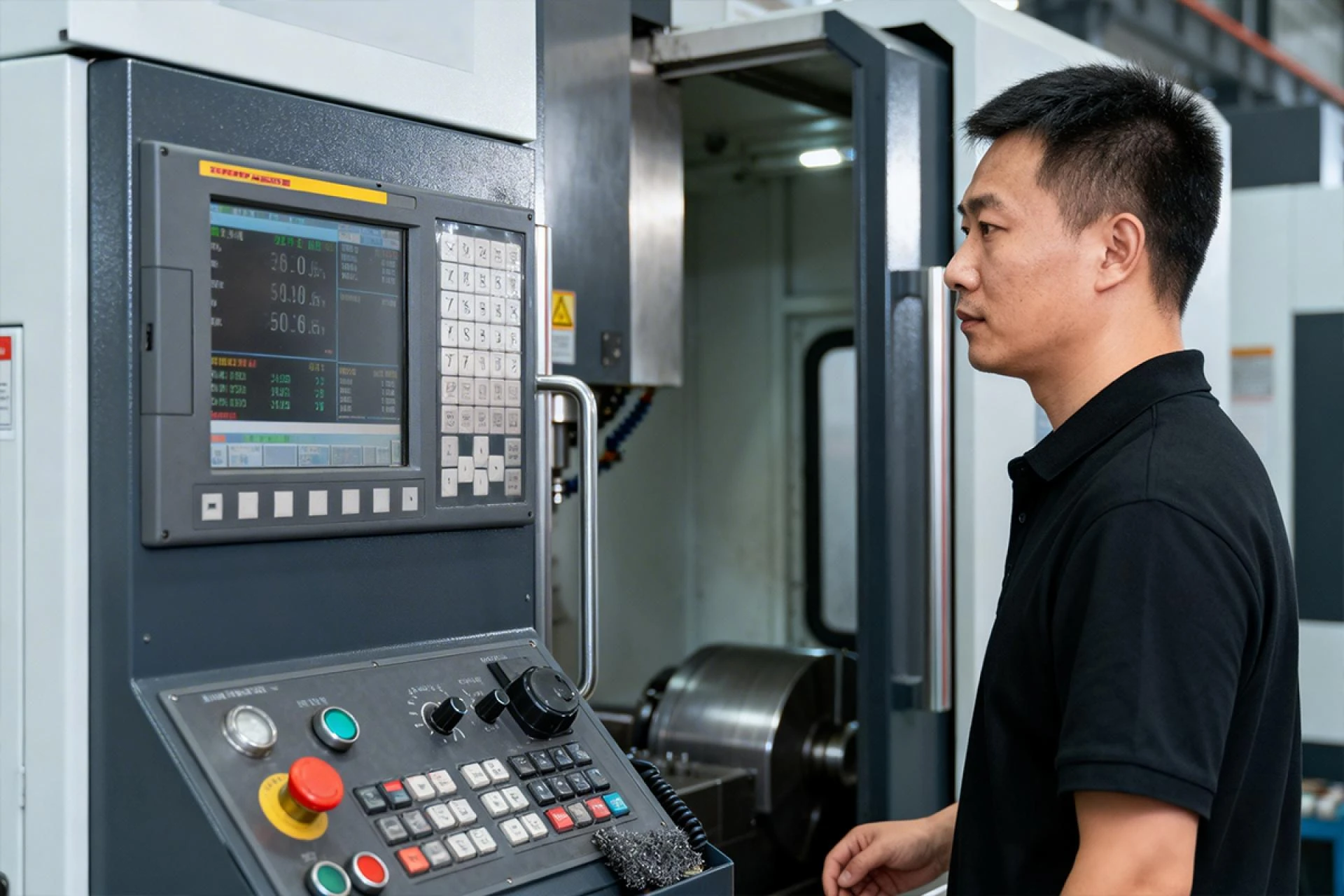
An injection molding engineer should be familiar with a variety of different types of injection molding machine structures and the use of characteristics. Besides, they should also be able to manipulate the use of machines skillfully. An injection molding engineer who cannot adjust an injection molding machine with their own hands is just a theorist, and it is impossible for them to master the essence of the injection molding process.
An injection molding engineer must also understand the significance of technical parameters for injection molding equipment, comparing and judging different manufacturers and types of equipment based on these parameters. This enables them to assist enterprises in selecting and procuring plastic injection molding equipment, which is both the responsibility of injection molding engineers and the expertise they should possess.
4. They should be familiar with the structural composition of the injection mold and the working principle of each part, the correct use of the mold and maintenance methods, the structural design of injection molded products, and mold design knowledge. As an injection molding engineer, understanding the injection molding product design and mold design knowledge is very necessary because injection molding produces many product defects. If product design or mold design is irrational, and injection molding engineers lack knowledge and experience in this domain, they cannot analyze the root causes of defects or propose reasonable solutions. Instead, they may only attempt to adjust the molding process to address the issue, but process improvement alone is not a fundamental solution.
An injection engineer should be familiar with the structure of the mold and the use of maintenance methods. It is possible to correctly use the production and injection molding foreman or technician to make guidance. As a mature injection engineer, his understanding of the mold casting system, the way to feed the rubber, the size of the runner, the size of the gate, the number and location of the cold well settings and other aspects of knowledge and experience, is more than the mold designer.
5. They should have a wealth of theoretical knowledge and practical experience in the injection molding process, an understanding of the molecular structure of injection molding materials, chemical and physical-mechanical properties and processing characteristics, an understanding of the principles of polymer processing, an understanding of temperature, pressure, speed, time, position of the five major process parameters on the injection molding process and the interaction between the process. Besides, according to the practice of plastic injection molding, they can correctly determine the process factors that lead to the emergence of defects in the injection molding and improve.
6. Engineers should be familiar with the various quality defects of injection molded products, their causes & solutions. Injection molding engineers and quality engineers must not only be familiar with various product quality defects but also understand their root causes to find solutions. The work of quality engineers focuses on identifying and controlling quality issues.
7. They should be familiar with injection molding raw materials and product performance testing methods. They can skillfully use the relevant test tools, test instruments or equipment. As an injection molding engineer, skilled use of vernier calipers, micrometers, analytical balances, plug gauges, etc., is a basic skill that must be mastered.
For some important experiments and test instruments, the test equipment should be operated and used. For example, plastic tensile, compression, bending, impact, hot melt index, combustion, hardness, abrasion resistance, adhesion, and some other classic tests, not only to be familiar with the test method but also to operate the test equipment. When necessary, you need to do their test to obtain more accurate test data.
8. Injection molding engineers should have strong learning ability and adaptability. They can constantly summarize the experience and the formation of textual process documents for production guidance. People are not born to know who can not be confused. Injection molding engineers are no exception. There will always be areas they don't understand or lack relevant experience.
As an injection molding engineer, to have a strong learning ability to master the correct learning and working methods in order to master the relevant knowledge and skills in a very short period to provide guidance and support for production. Of course, this is the quality that any engineer should have.
9. There are other knowledge and skills. As an injection molding engineer, one should not only have strong professional knowledge and rich practical experience to solve the production of injection molding production problems but also have a certain degree of management ability. This can assist the injection molding supervisor or manager, injection molding technicians, injection molding foreman, and staff for technical management.
Of course, nowadays, enterprises are facing the world, and good foreign language ability will surely make the injection molding engineer's communication and working ability more outstanding.
Due to the complexity of injection molding engineering, it is decided that injection molding engineers must have good professional theoretical knowledge and rich practical experience in order to be competent. Modernized enterprises need to understand both technology and management of cross-type talent, only know the technology of the managers, understand the objective law of the cause engaged in, in order to follow the objective law of the development of things to manage, in order to less detours, better management.

























Sign in to leave a comment.