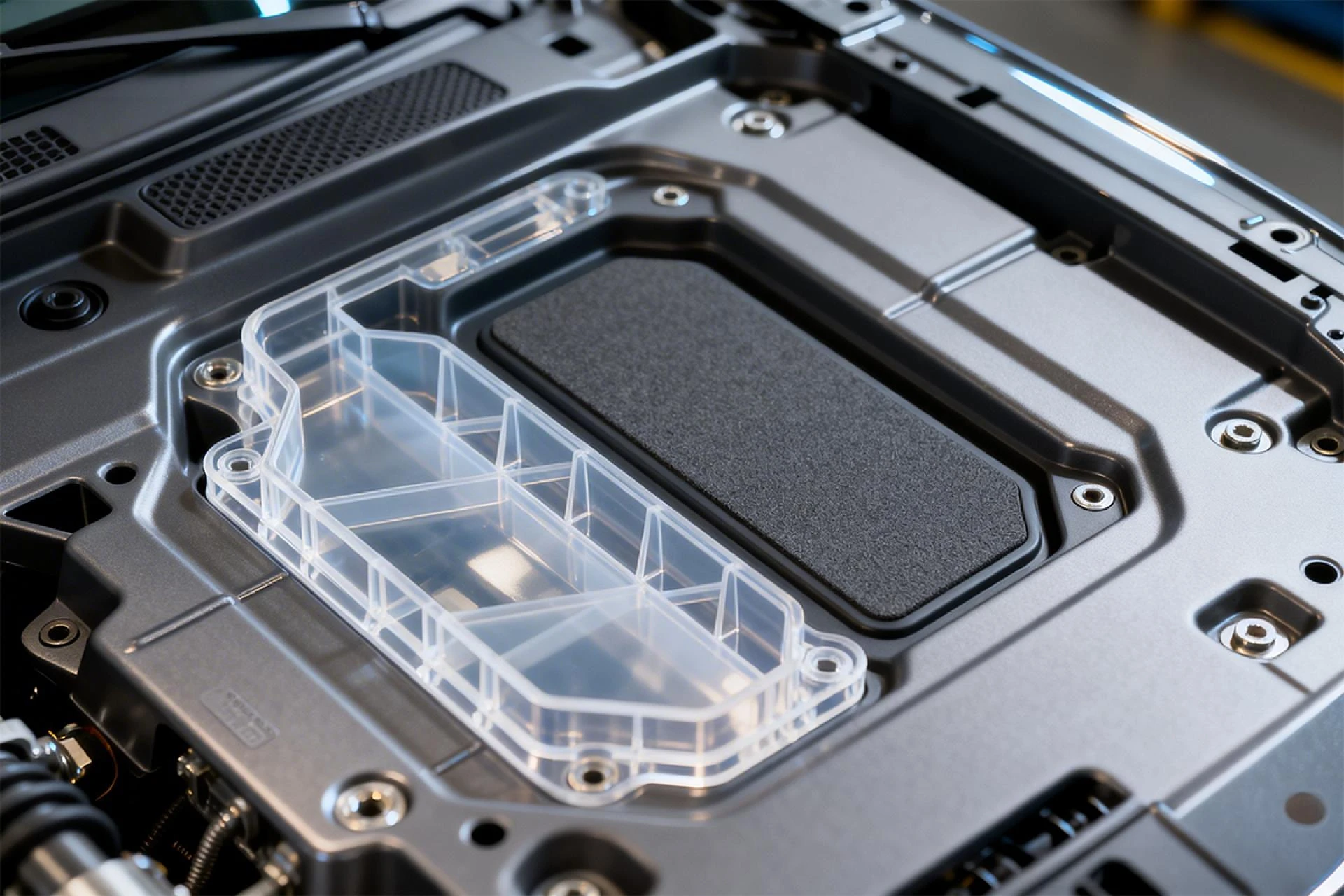
Components for the automobile sector need to be not only dependable but also strong against daily wear. The materials and manufacturing techniques applied in car parts must maintain pace as vehicles change to accommodate more sophisticated features and safety advancements. Insert molding is one of the fundamental techniques for producing exact and robust automotive parts. Together with sophisticated delrin injection molding and silicone injection molding, this method is revolutionizing the manufacturing of automobile components, thereby guaranteeing lifetime and exceptional performance.
Know Insert Molding:
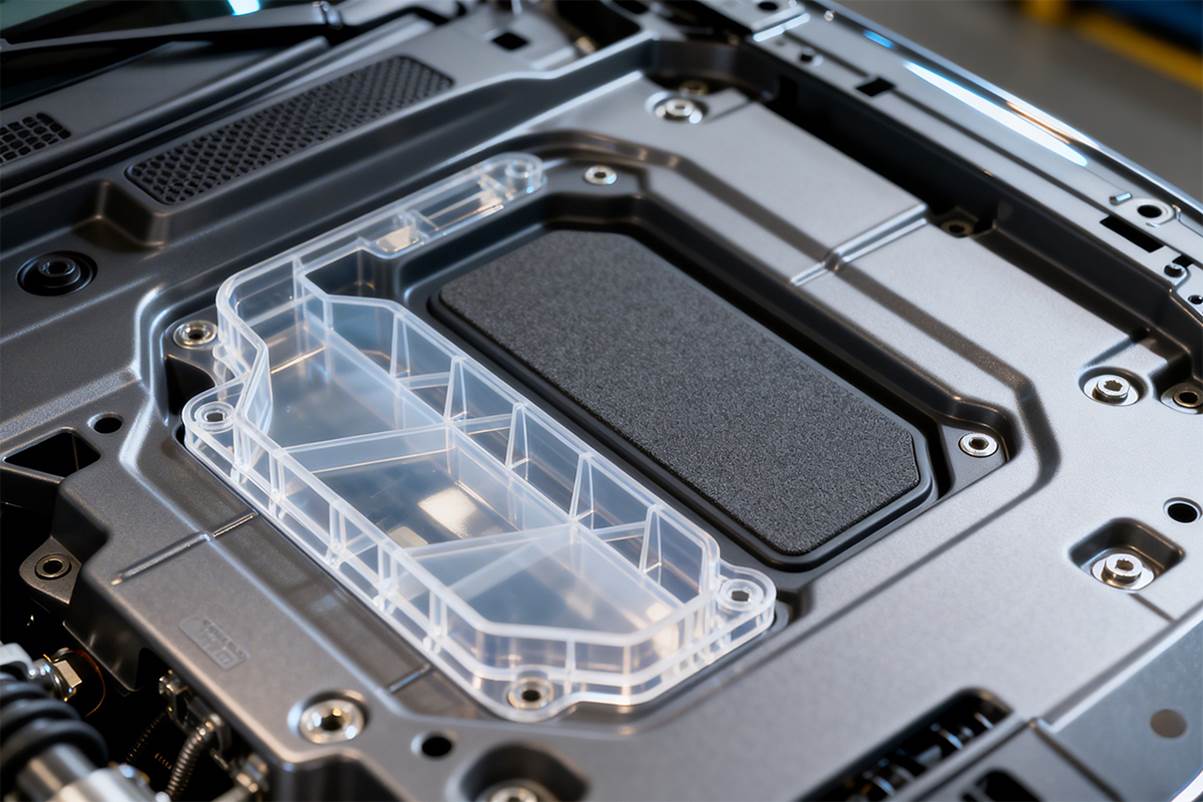
Before the plastic injection process starts, pre-formed parts—also known as inserts—are inserted into a mold cavity. The plastic material fills the mold, therefore encapsulating the insert and producing a single, combined item. This method is very helpful for creating components that need metal pieces or other materials to be firmly ingrained within a plastic matrix.
In automotive components, insert molding is frequently utilized to produce switches, sensors, and connections. These elements have to survive physical stress, chemical exposure, temperature swings, and other challenging environmental factors. By combining several materials, including metal and plastic, insert molding creates pieces with increased durability and utility.
The Benefits Of Insert Molding In Automotive Manufacturing:
In vehicle manufacture, especially when it comes to producing parts that demand accuracy and strength, insert molding has many benefits. First of all, it helps to produce complicated parts using several materials, therefore lowering the demand for secondary processes, including assembly. Along with simplifying the manufacturing process, this lowers possible sites of failure and expenses.
Furthermore, insert molding makes high-performance plastics—like those used in Delrin injection molding—possible. Delrin, a brand of acetal resin, is well known for its excellent mechanical qualities—high rigidity, low friction, and wear resistance—which make it perfect for automotive components needing constant use and long-term integrity preservation.
Tight tolerance production of parts is another major benefit of insert molding. In automotive uses, where even the tiniest variation may cause performance problems or safety concerns, this accuracy is absolutely vital. Insert molding guarantees that important elements keep their dimensions and functionality even under stress by including metal inserts inside plastic components.
Del Rin Injection Molding Integration:
Delrin injection molding is a specialist technique that uses Delrin's particular qualities to create products with exceptional durability and strength. Delrin is frequently used in automotive manufacturing for parts such as gears, bearings, and bushings, where low friction and great wear resistance are critical. When paired with insert molding qualities necessary for current cars that seek to increase fuel economy without sacrificing performance or safety, Delrin injection molding lets you create parts that are both strong and lightweight.
Delrin's chemical resistance makes sense when used in insert molding as well. Many times, automotive components come into contact with lubricants, fuels, and other chemicals that might break down lesser plastics over time. Delrin's resistance to these drugs guarantees that, even in demanding surroundings, components keep their integrity. Delrin injection molding is, therefore, a great option for under-the-hood components where exposure to demanding circumstances is a given.
The Function of Silicone Injection Molding for Automotive Parts:
Delrin provides wear resistance and strength; silicone injection molding provides flexibility and resilience instead. Silicone's extreme temperature resistance makes it a perfect material for automobile parts exposed to both hot and cold conditions. Furthermore, silicone's natural adaptability enables the manufacturing of parts that can absorb shocks and vibrations, which is crucial to guarantee the lifetime of automotive systems.
The production of gaskets, seals, and hoses in the automobile sector sometimes involves silicone injection molding. These components must also have a tight seal during mechanical stress or large temperature variations. Silicone's adaptability guarantees that these parts stay efficient throughout time, lowering the system failure or leak risk.
Combining silicone injection molding with insert molding presents even more opportunities. Metal inserts, for instance, can be enclosed inside a silicone matrix to produce parts that, where necessary, provide both stiffness and flexibility. This is especially helpful for parts like engine mounts, which have to sustain the weight of the engine and also reduce shocks and vibrations.
Advanced Molding Techniques: Their Synergy:
Combining silicone injection molding, delrin injection molding, and insert molding can produce automotive components with the highest performance and durability. Each technique has benefits and taken together; they help manufacturers create dependable and sophisticated parts.
Insert molding guarantees that every part is customized to its particular use and offers the basis for combining several materials into one component. For parts that must survive the life of the vehicle, delrin injection molding provides strength, wear resistance, and chemical resilience. Simultaneously, silicone injection molding provides the temperature resistance and flexibility needed for parts that have to operate under different environments.
Using these cutting-edge molding techniques would enable automakers to produce parts that not only satisfy but beyond current market expectations. Whether it's a sophisticated sensor, a sturdy seal, or a high-performance gear, the integration of insert molding, Delrin, and silicone guarantees that every component is up to the job.
Conclusion:
Production of dependable and lasting components is critical in the hectic and demanding realm of vehicle manufacturing. Leading this effort are techniques including insert molding, Delrin injection molding, and silicone injection molding, which provide the means to produce products with lifetime value. Combining these cutting-edge molding techniques allows producers to provide car parts that are not only robust against road conditions but also aesthetically pleasing. The leading authority in the area, First Mold, is dedicated to stretching the bounds of what is feasible in automobile part manufacture so that every component is painstakingly crafted.























Sign in to leave a comment.