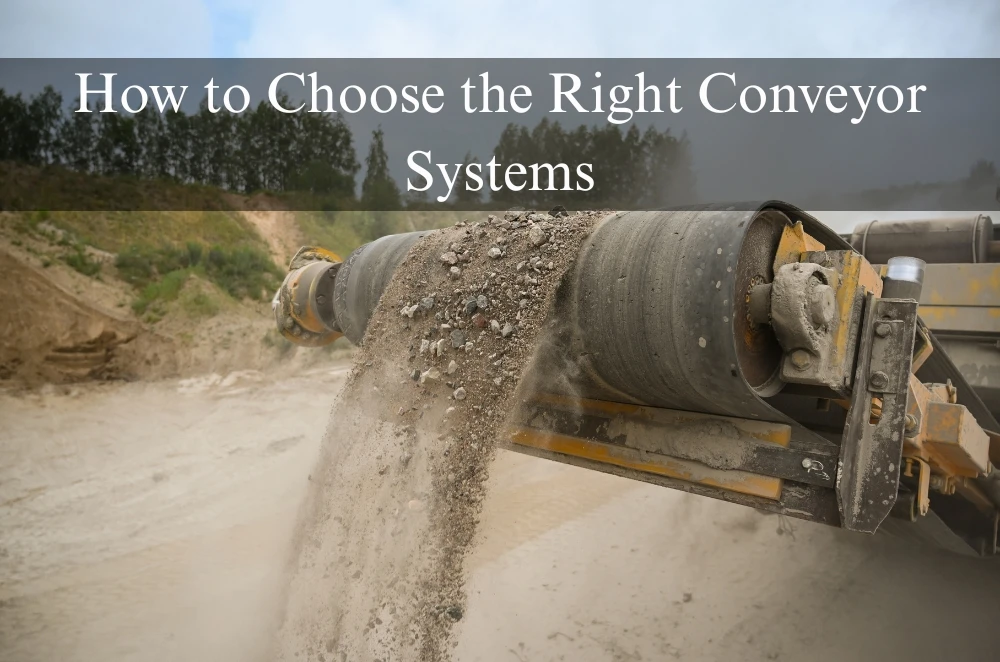

I’ve been around warehouses long enough to see how the right conveyor systems can transform an entire operation. Years ago, I helped fit out a distribution centre that was struggling with slow order processing and constant manual handling. Once the new conveyor setup was installed, productivity climbed almost overnight. From small businesses packing boxes to large logistics centres, conveyors are one of those investments that look simple on paper but require careful thought before you commit. It’s not just about moving things from point A to B—it’s about selecting equipment that fits your products, layout, and safety obligations.
Understanding the role of conveyors in modern workflows
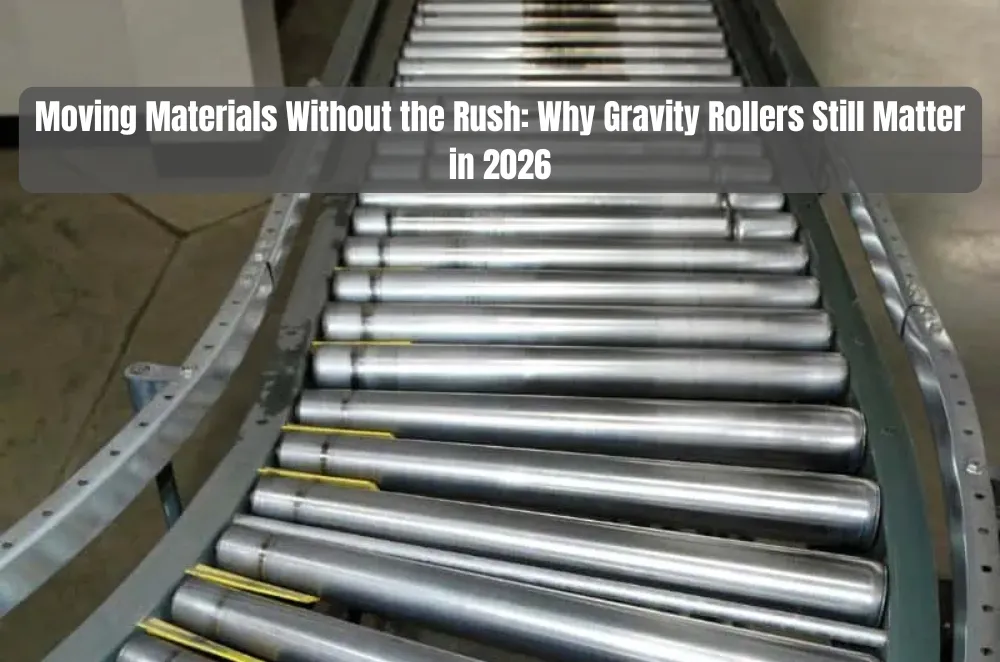
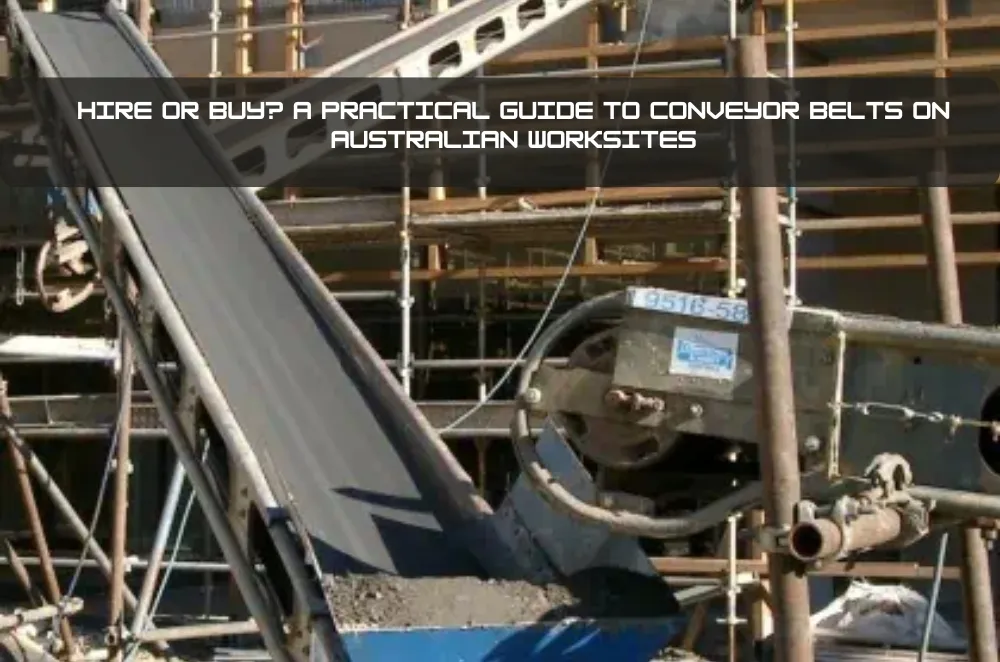
It’s tempting to think of conveyors as just moving belts. But they’re often the backbone of a smooth-running warehouse. Whether you’re processing parcels or stacking pallets, having the right system can ease pressure on staff and make it easier to hit deadlines.
- Reduce the need for repetitive manual handling
- Maintain a steady flow of goods through each work area
- Improve accuracy by directing items along specific paths
- Integrate with automated scanning and sorting tools
I once watched a team switch from forklifts and trolleys to a modular conveyor network. What struck me most was how much calmer the floor felt—less rushing, fewer bottlenecks, and clearer processes all around.
Considering safe manual handling alongside conveyor use
While conveyors can reduce lifting, they don’t remove every risk. In my experience, the most successful setups are the ones that consider how people and machines interact. It’s about making sure the equipment complements safe work practices rather than replacing them outright.
- Identifying pinch points and edges that need guards
- Training staff to load and unload without overreaching
- Planning access areas so workers don’t need awkward movements
- Ensuring emergency stops are within easy reach
Safe operation also involves awareness of safe manual handling requirements that apply to any manual tasks performed near conveyor equipment.
Matching conveyors to your materials and throughput
Not every conveyor works for every product. Years back, I tried to move awkward-shaped cartons on a system meant for flat packages. The result? Constant jams and frustrated staff. If you want to avoid the same mistake, it pays to look closely at what you’re transporting.
- Weight and size range of typical items
- Surface texture—smooth, irregular, fragile
- Required speed to meet daily targets
- Whether accumulation or sorting is needed
Some setups also require variable speeds or incline sections. Taking time to map out your flow before ordering equipment saves headaches later.
Maintenance planning to protect your investment
Even the best conveyor systems need care to keep running smoothly. I’ve seen operations where maintenance was treated as an afterthought, only to watch breakdowns grind production to a halt. A clear plan helps avoid these headaches and keeps your equipment reliable.
- Schedule routine inspections for belts, motors, and sensors
- Keep spare parts stocked for common repairs
- Train staff to spot early signs of wear or misalignment
- Document all servicing to track patterns over time
A little planning can prevent small issues from turning into expensive downtime. Over the long haul, consistent upkeep always costs less than emergency repairs.
Training teams to work confidently with conveyors
No matter how advanced your system is, it’s only as effective as the people operating it. I’ve watched skilled workers adapt quickly to new equipment when training was thorough and practical. The goal is to build confidence so everyone understands both efficiency and safety.
- Walk staff through daily start-up and shutdown routines
- Explain emergency stop procedures in clear terms
- Highlight common troubleshooting steps for minor issues
- Reinforce safety checks as part of normal workflows
Good training ensures the investment in conveyors pays off. Teams who feel prepared are more likely to spot problems early and keep processes running at their best.
Exploring conveyor advantages beyond efficiency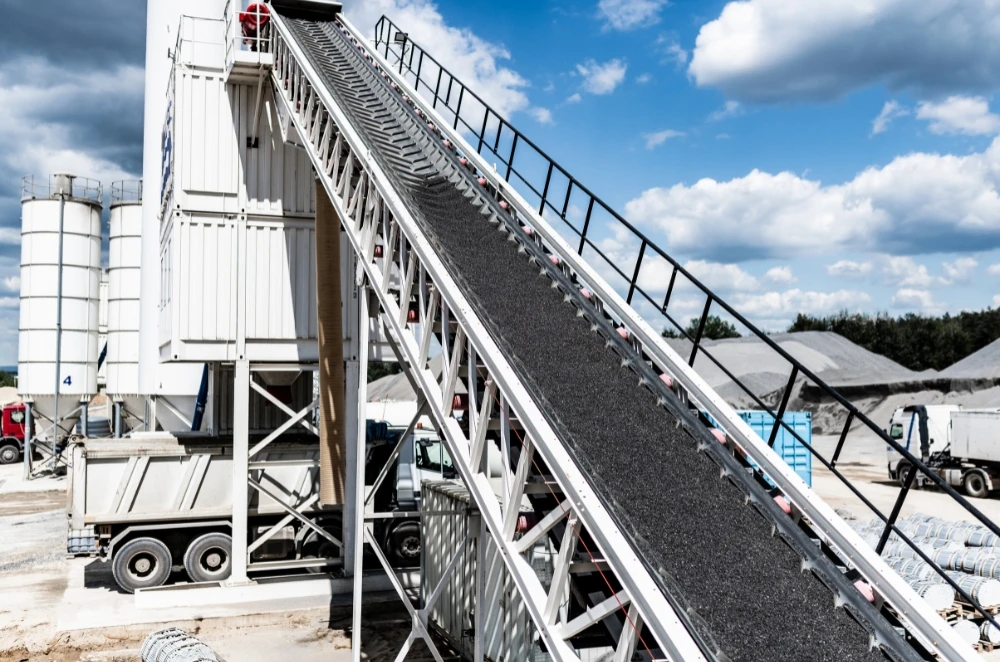
There’s a reason conveyors have become standard in so many industries. It’s not just about speed. They can improve everything from worker wellbeing to product quality when used thoughtfully.
- Lower rates of strain injuries from repeated lifting
- Consistent handling that reduces product damage
- Easier integration with labelling or scanning systems
- Predictable maintenance schedules and lifespan
Many operations adopt systems that reflect the conveyor advantages of combining mechanical handling with process improvements that reduce error rates and downtime.
Questions to ask suppliers before you commit
When you sit down with a supplier, it helps to walk in prepared. Over the years, I’ve found the most successful installations happen when everyone has a clear understanding from day one.
- What sort of lead times are realistic for delivery and installation?
- Are there local technicians available for support?
- How does the warranty cover wear parts or breakdowns?
- Can the system be expanded or reconfigured later?
I’ve learned to take nothing for granted. Even simple questions can highlight gaps in a proposal that would otherwise show up as delays or cost overruns.
Factoring in conveyor selection considerations
I’ve seen projects stall because teams rushed into decisions without considering the big picture. There’s a lot to think about beyond the specs in a brochure. Budget matters, of course, but so do practical details about how a system fits your space and processes.
- Available floor area and ceiling clearance
- Flexibility if your operation grows or changes
- Maintenance requirements and spare parts availability
- Compatibility with existing equipment
Long-term performance is often shaped by conveyor selection considerations that involve everything from material flow to future expansion needs.
The lasting impact of a well-chosen conveyor system
It’s hard to overstate the difference the right conveyor can make over time. I’ve watched teams go from constantly playing catch-up to working with more confidence and less strain. Equipment that fits your workflow doesn’t just move boxes faster—it reshapes how people work, communicate, and solve problems. For many Sydney businesses, a thoughtful approach to conveyor selection pays off in ways that show up month after month. Less downtime, fewer injuries, and a smoother path to meeting customer demands. And that’s the kind of change that keeps a business competitive long after the initial investment is made.



























Sign in to leave a comment.