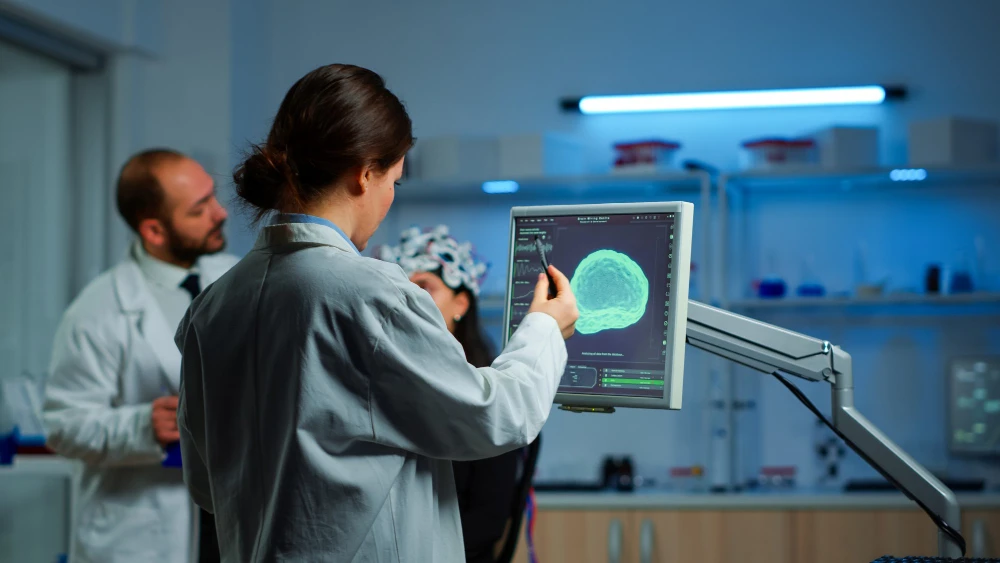

Artificial intelligence is changing modern medicine by improving how doctors diagnose illnesses, plan treatments, and monitor patients. When used correctly, AI in healthcare supports faster clinical decisions, reduces human error, and helps medical teams provide more precise and personalized care. Hospitals and clinics now rely on advanced data analysis to detect risks earlier, manage patient information efficiently, and improve recovery rates. These systems analyze large volumes of medical records, images, laboratory results, and real-time monitoring data to guide healthcare professionals toward better clinical outcomes. The result is safer care, improved patient satisfaction, and stronger long-term health management.
The Growing Role of Intelligent Technologies in Medicine
Healthcare organizations across the world are adopting advanced technologies to meet increasing demands for quality, efficiency, and accuracy. Rising patient populations, complex diseases, and limited medical resources have made traditional healthcare methods less effective on their own. Intelligent systems help bridge this gap by processing vast amounts of information quickly and identifying patterns that humans may overlook.
Market studies from trusted industry researchers show that the use of artificial intelligence in medicine is growing at a strong pace every year. Hospitals are investing in data platforms, predictive analytics, and automation tools that improve patient monitoring and reduce unnecessary procedures. This trend reflects a shift from reactive treatment to proactive care, where risks are identified before symptoms become severe.
Medical professionals now work alongside intelligent systems that act as decision support tools. These systems do not replace doctors but enhance their capabilities. By offering evidence-based recommendations, they reduce uncertainty and improve confidence in treatment planning. This collaboration between technology and human expertise plays a major role in better patient outcomes.
Improving Diagnostic Accuracy and Speed
Accurate diagnosis is the foundation of effective treatment. Many medical errors occur because diseases are detected too late or misinterpreted. Intelligent systems analyze medical images, pathology slides, and clinical data to identify abnormalities with high precision. This improves early detection and increases the chances of successful treatment.
Medical Imaging and Disease Detection
Radiology and pathology are areas where technology has shown strong success. Advanced image analysis tools can detect tumors, fractures, and infections in X-rays, CT scans, and MRI images. These systems compare new scans with millions of previous cases, recognizing subtle changes that might escape human observation.
Early detection of conditions such as cancer, stroke, and heart disease significantly improves survival rates. Faster analysis also reduces patient waiting times and helps doctors start treatment sooner. In emergency care, speed can make the difference between full recovery and permanent damage.
Reducing Diagnostic Errors
Studies from medical journals show that diagnostic mistakes remain a serious concern worldwide. Intelligent decision tools help reduce these risks by offering a second layer of review. When systems highlight unusual findings, clinicians can reassess their conclusions, leading to safer and more accurate diagnoses.
Personalized Treatment and Precision Medicine
Every patient is different. Age, genetics, medical history, and lifestyle all influence how a person responds to treatment. Traditional medicine often follows general guidelines that may not suit every individual. Personalized medicine uses data to design treatment plans that match each patient’s unique profile.
Intelligent platforms analyze genetic information, clinical records, and previous treatment outcomes to suggest therapies that work best for specific patients. This approach improves effectiveness and reduces side effects. For example, cancer treatment plans can be tailored based on how a patient’s tumor responds to different medications.
Personalized care also strengthens patient trust. When people receive treatments designed specifically for them, they feel more confident and engaged in their recovery process. This engagement leads to better adherence to treatment plans and improved health outcomes.
Predictive Analytics and Early Intervention
Predictive analytics uses historical and real-time data to identify health risks before symptoms worsen. This allows healthcare providers to intervene early and prevent complications.
Managing Chronic Diseases
Patients with chronic illnesses such as diabetes, heart disease, and asthma benefit greatly from predictive monitoring. Intelligent systems track vital signs, medication use, and lifestyle patterns to detect warning signs. If a patient shows early signs of deterioration, medical teams can adjust treatment immediately.
Early intervention reduces hospital admissions and lowers treatment costs. More importantly, it improves quality of life for patients who can manage their conditions with fewer complications.
Supporting Preventive Care
Preventive care focuses on maintaining health rather than treating illness after it appears. Predictive models identify individuals who may develop certain diseases based on risk factors such as family history and lifestyle. Healthcare providers can then recommend lifestyle changes, screenings, and preventive treatments that reduce future risks.
Enhancing Patient Monitoring and Remote Care
Remote patient monitoring is becoming more common, especially for elderly patients and those living in rural areas. Wearable devices and home monitoring systems collect health data continuously. Intelligent platforms analyze this data to identify changes in condition.
This approach allows doctors to monitor patients without requiring frequent hospital visits. Patients feel more comfortable receiving care at home, and healthcare systems reduce congestion in hospitals. Early detection of complications through remote monitoring helps prevent medical emergencies and improves recovery outcomes.
Improving Hospital Operations and Workflow
Better patient outcomes depend not only on medical treatment but also on efficient healthcare operations. Intelligent systems streamline administrative tasks and clinical workflows, allowing staff to focus more on patient care.
Reducing Workload for Medical Staff
Automation tools handle scheduling, billing, documentation, and record management. This reduces the administrative burden on healthcare professionals and helps prevent burnout. When doctors and nurses spend less time on paperwork, they can devote more attention to patient care.
Optimizing Resource Allocation
Hospitals use predictive tools to manage bed availability, staff scheduling, and equipment usage. This ensures that resources are available when and where they are needed most. Efficient resource management improves patient flow and reduces waiting times, which directly impacts patient satisfaction and treatment effectiveness.
Supporting Clinical Decision Making
Intelligent systems provide doctors with evidence-based insights that support better decision making. By analyzing patient data alongside medical research, these tools recommend treatment options that align with best practices.
Doctors remain in full control of medical decisions, but they gain access to powerful analytical support. This collaboration increases confidence, reduces uncertainty, and leads to more consistent care quality across healthcare facilities.
Ensuring Patient Safety and Data Privacy
With advanced technology comes the responsibility to protect patient data. Healthcare information is sensitive and must be handled with care. Strong data security systems, encryption methods, and compliance with healthcare regulations are essential for safe implementation.
Bias in medical data is another concern. If systems are trained using limited or unbalanced datasets, they may perform poorly for certain populations. Continuous evaluation and improvement are necessary to ensure fairness and accuracy.
Healthcare organizations must maintain transparency and educate patients about how technology is used in their care. Trust is critical for successful adoption and long-term impact.
Trends Shaping the Future of Intelligent Healthcare
Several important trends are shaping the future of intelligent healthcare systems:
- Greater focus on preventive and personalized care
- Expansion of remote monitoring technologies
- Stronger collaboration between clinicians and data scientists
- Improved regulatory frameworks for safe implementation
- Increased patient involvement in data-driven care
Trusted research institutions and government agencies continue to develop guidelines that support responsible innovation. These frameworks help balance rapid technological progress with patient safety and ethical considerations.
Long-Term Impact on Patient Outcomes
The long-term benefits of intelligent healthcare systems include:
- Earlier disease detection
- More accurate diagnoses
- Personalized treatment strategies
- Reduced hospital readmissions
- Improved patient engagement
- Lower healthcare costs
Each of these factors contributes directly to better patient outcomes. When patients receive timely, precise, and personalized care, their chances of recovery increase and their overall experience improve.
Conclusion
Improving patient outcomes requires a combination of medical expertise, advanced technology, and responsible implementation. Intelligent systems enhance diagnosis, personalize treatment, support early intervention, and improve healthcare operations. By working alongside healthcare professionals, these technologies help create safer, more efficient, and more patient-centered care environments.
As healthcare continues to evolve, the focus will remain on using innovation to improve lives. With careful planning, strong governance, and ongoing research, intelligent medical technologies will play a central role in shaping a healthier future for individuals and communities worldwide.




























Sign in to leave a comment.