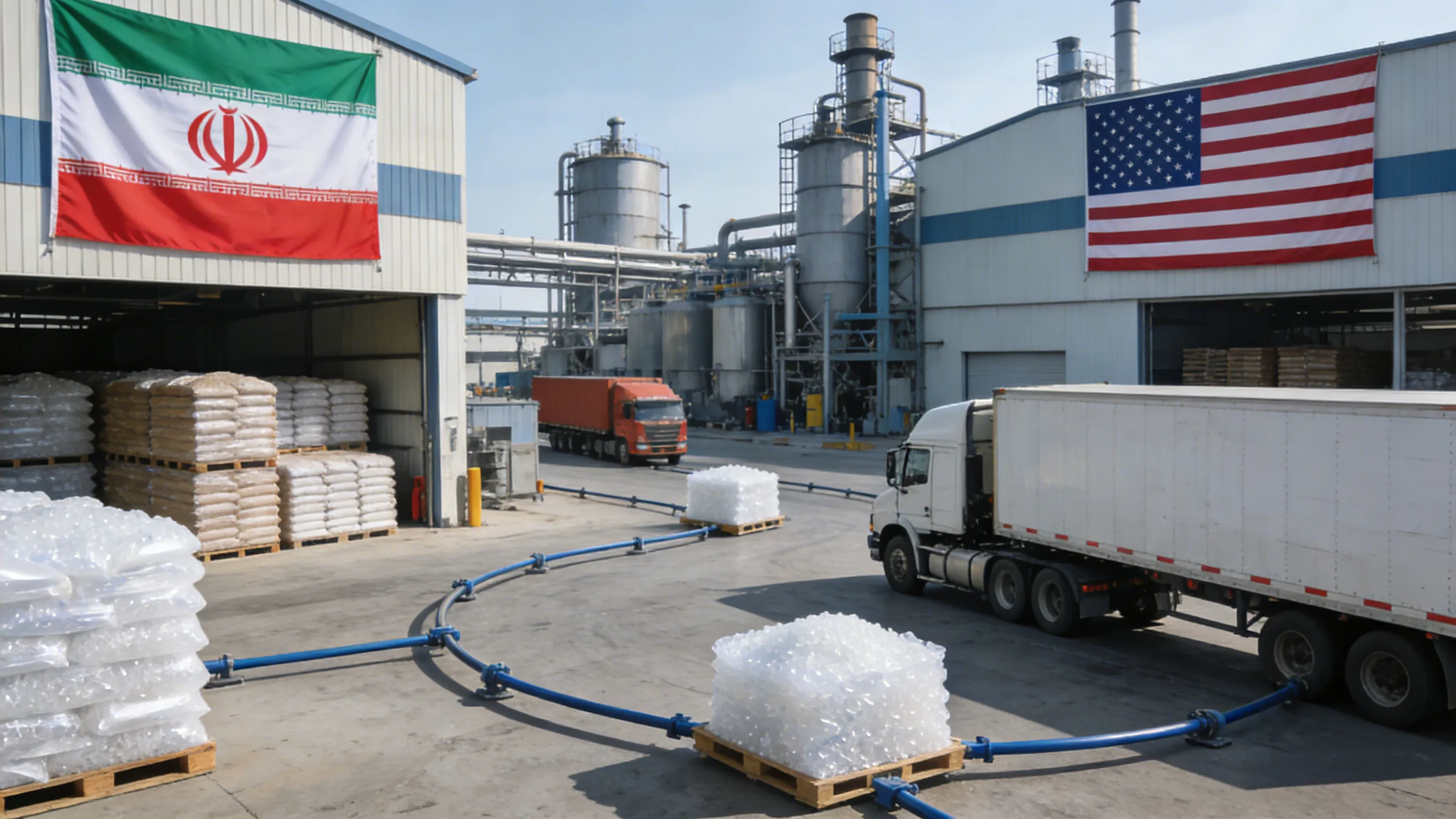
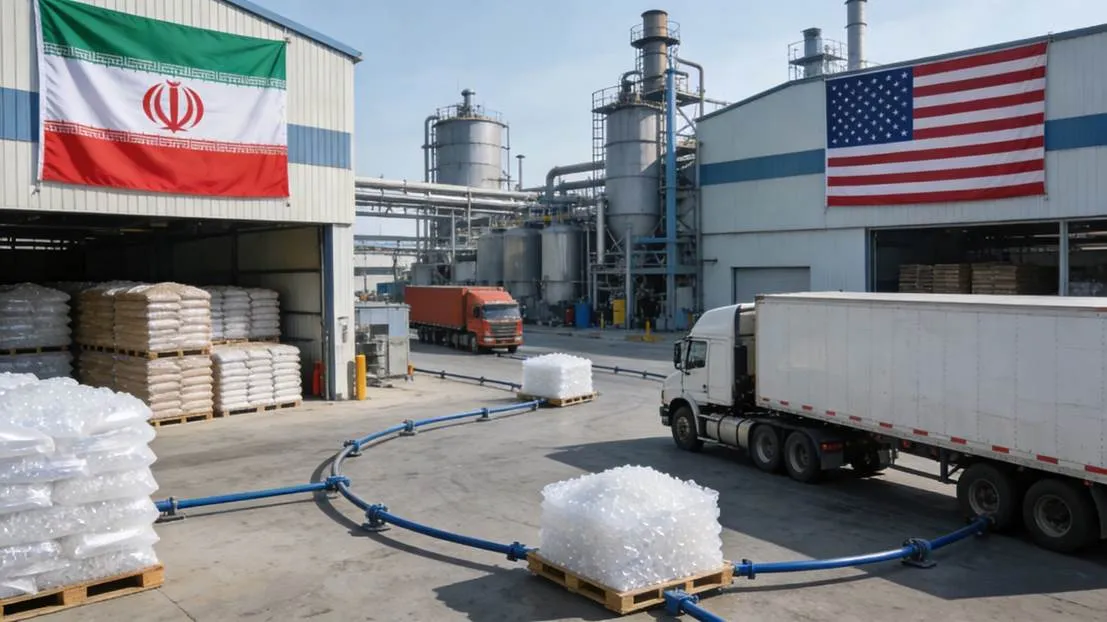
On April 8 local time, Iran and the United States reached a ceasefire agreement under mediation by Pakistan, with effect at 3:30 am Iran time (8:00 am Beijing time). Delegations from both sides will begin negotiations in Islamabad on April 10, temporarily disarming their conflict for at least now and relieving panic sentiment in global energy markets as well as sparking positive developments within modified plastics industry which relies heavily on Middle Eastern feedstocks and supply chains - such as possible lower costs or even potential supply chain recovery! - which could bring new vitality back into their industry.
2. The Struggle with Conflict: Geopolitical Turmoil Deals a Heavy Blow to the Modified Plastics Industry
2.1 Raw Material Costs Soar, Squeezing Corporate Profits
Iran serves as a key global exporter of oil and chemical raw materials, yet their energy facilities were targeted during this conflict, disrupting shipping through the Strait of Hormuz and destabilizing international commerce. As a result, corporate profit margins suffered severe setbacks. These events directly led to an unprecedented international oil price surge. NYMEX crude oil futures jumped from below 70 dollars per barrel in early April to over 110 dollars per barrel - an increase of 57%! Petroleum is considered to be "the mother of chemicals", providing essential raw materials for modified plastics like polyethylene, polypropylene and polyamide - comprising around 65-70 percent of their total cost. These serve as the foundational plastic molding material for countless industrial applications. The sharp rise in oil prices quickly spread throughout the industry chain. Spot prices for base resins like PE and PP rose by 600-1,200 yuan per ton; weekly ABS/PC prices rose over 40% - placing immense pressure on companies specializing in abs injection molding and leaving many modified plastics companies facing a dilemma of increased output with reduced revenue; their profits have become severely compromised as a result.
2.2 Supply Chain Disruptions Intensify Supply Pressures
Meanwhile, supply chain disruptions in Iran have compounded supply pressures on industry. Iran is an essential supplier of polyethylene and methanol imports into China from this source country. Ten percent of China's PE imports and 45.4 percent of methanol imports originate in Iran, with Saudi Arabia and UAE also contributing significantly. Together, these Middle Eastern shipments account for 42.32 percent of total PE imports into China. Import dependence for LDPE exceeds 50 percent and this conflict has led to shutdowns at Iranian petrochemical plants and blockages of maritime shipping routes, and domestic supplies of raw materials for modified plastics have become scarce - some grades have even become unavailable for purchase. Corporate delivery lead times have grown from 7 days to 15-20 days in recent years. Order deliveries for downstream industries such as automobiles, home appliances, and electronics often experience disruptions that cause raw material shortages, production halts, and order backlogs to occur resulting in further backlogs for those industries affected.
3. Benefits of the Ceasefire: The Industry Reaches a Dual Turning Point in Cost and Supply Chain
The signing of a ceasefire agreement signals a rapid reduction in Middle Eastern geopolitical risk premium and welcomes it as an opportunity for development in modified plastics industry. After its announcement, international oil prices declined nearly 20 percent during trading sessions and have begun returning to more rational levels, driving down base resin costs such as PE, PP and PA6, helping companies reduce cost pressures while increasing profit margins.
At the same time, shipping through the Strait of Hormuz is returning to normal and Iranian petrochemical facilities are slowly restarting operations, while chemical raw material supplies in Middle Eastern will return steadily to normal levels and raw material shortages and high logistics costs for China's modified plastics industry will decrease significantly; corporate production and order delivery should quickly return to pre-conflict levels and supply chain pressures on downstream industries will ease significantly as a result.
4. Long-term considerations: Seeking opportunities amid crisis to drive high-quality industry transformation.
4.1 Stabilize operations in the short term to ease industry difficulties.
Over the short term, lower costs and supply chain recovery will help restore production and business order in the modified plastics industry, as well as relieve price hike pressure from downstream customers. This will bring equilibrium back into play within the industry and enterprises can utilize this time to review inventory levels, optimize production plans, fill order gaps that had appeared during conflict periods gradually fill orders gaps that have emerged through these means, thus reinstating market trust. This stable environment is especially beneficial for facilities that rely on small batch production to quickly respond to specialized market demands.
4.2 Pursue transformation over the long term to enhance risk resilience.
Geopolitical conflict serves as a wake-up call for the modified plastics industry, acting as an acceleration agent of its transformation. Over time, the modified plastics sector will increase diversification of raw material sources while simultaneously expanding import channels in regions like Southeast Asia and Americas; domestic substitution technologies research will accelerate as will domestic modification technologies research - all efforts that will sharpen core competitiveness while building more secure supply chains and increasing risk resilience.
Conclusion: Take this chance to enhance the foundation of industry development!
Iran-US negotiations signal continued uncertainty in the Middle East region, yet their commencement provides some stability to modified plastics industry supply chains. A ceasefire provides a "stabilizer," and should be utilized by modified plastics producers as they optimize supply chain layouts and enhance risk resilience to remain resilient amid global supply chain restructuring efforts and progress toward high quality, sustainable development at an incremental pace.

























Sign in to leave a comment.