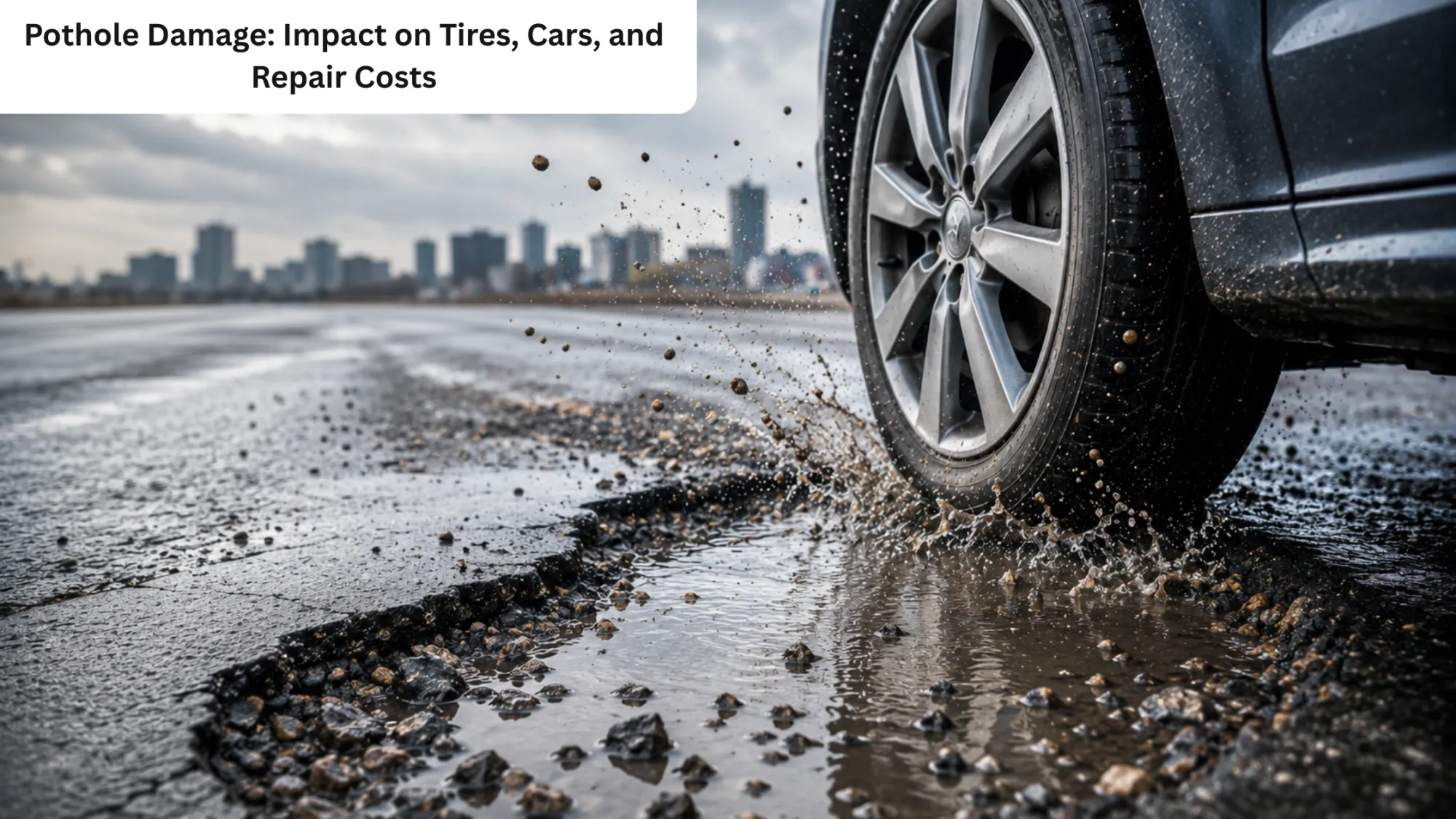

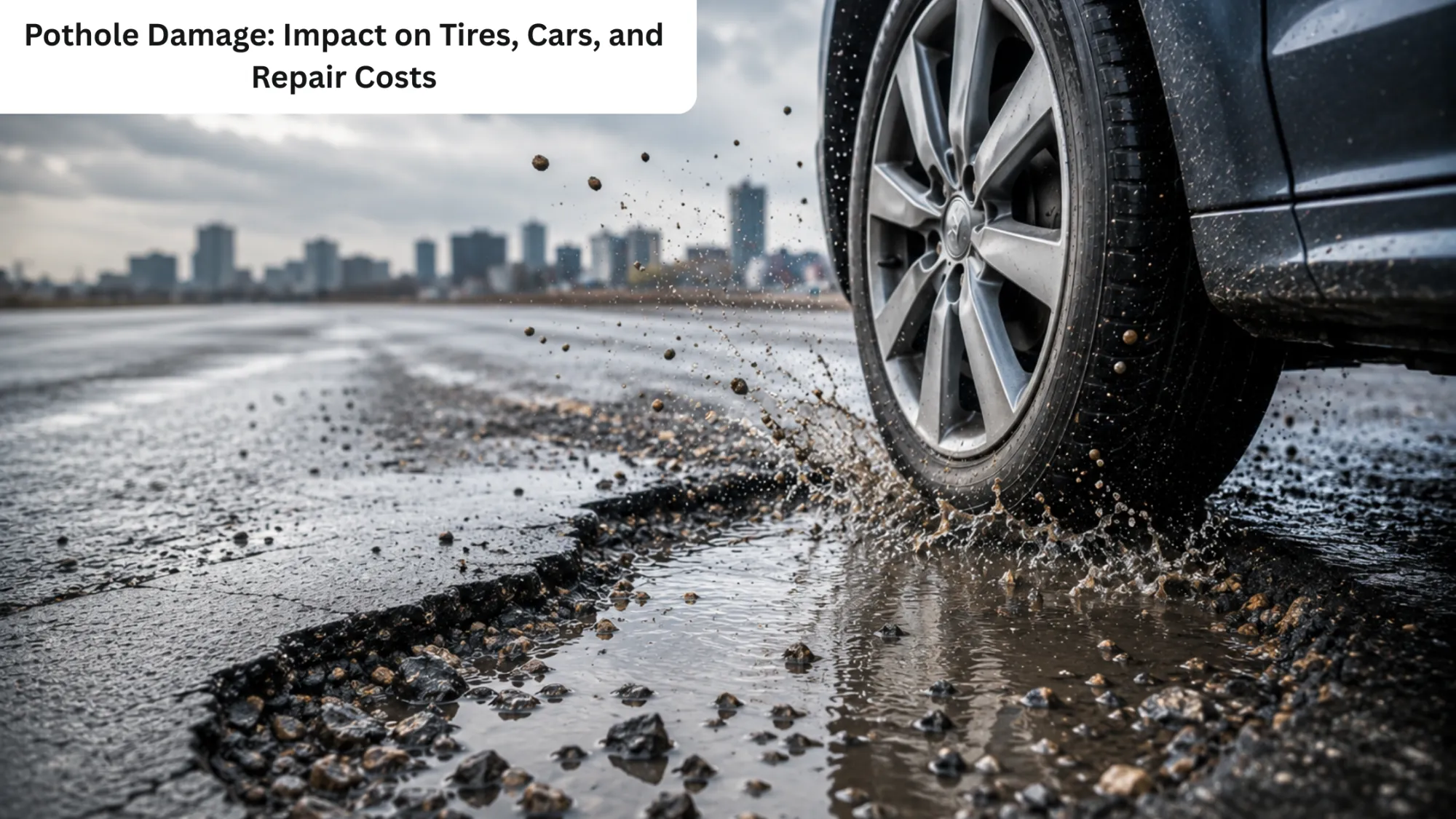
You are already running late for work when your car slams into a pothole you never saw coming. Suddenly, the steering feels off, the ride becomes rough, and you wonder how much this is going to cost. Are you the owner of a car, or have you been driving a vehicle for a long time? In this practical case, when you are on your way to work, you are already late, and then it happens: your car bumps into a pothole that seems to come out of nowhere.
Immediately, the steering wheel becomes unreliable, the car begins to move roughly, and you fear repairs. Pothole damage to car parts is widespread. It happens much more often than many of us think. And it requires expensive repairs. According to the report, Americans spend billions of dollars every year on such repairs.
But what potholes cause is a rather unpleasant surprise. Their effect can harm your wheels, tires, and suspension, and even lead to an accident. Knowing how car damage from potholes occurs helps you find and repair them earlier. Visiting a tire car service center can help prevent further damage and the associated expenses. This blog discusses the impact of pothole damage on tires, cars, and repair costs.
Why Do Potholes Cause Such Extensive Damage?
Potholes form when water penetrates cracks in road surfaces. Then the freezing process destroys the road surface. The constant pressure on these weak spots results in the formation of a gap. In case your car bumps into a pothole, all the forces hit its wheel first.
Then they move through the wheel into the suspension, steering, and car undercarriage. The vehicle’s speed and the depth of the pothole determine how difficult the situation will be.
Types of Damage Potholes May Cause To Your Tires
Tires are the first car part to suffer from potholes. An instant shock to a tire can significantly change its structure. However, you cannot see the damage they cause.
These are the most common types of tire damage:
- Puncture damage
- Bulging and sidewall bubbles
- Damage and cuts to the tread.
- Uneven tread wear.
- Low air pressure.
- Blowouts.
A sidewall bubble is one of the surest signs of damage. It means the inner cords of a tire are broken. Therefore, it is necessary to buy new ones. A tire blowout can also occur due to a pothole. Especially dangerous when driving fast, as it worsens a car’s handling.
Wheel and Rim Damage
One more result of a pothole impact may be bends and damage to rims. Even when it is not visible, it may manifest as vibrations while driving and an inability to keep the road steady. Symptoms of the bent rims are the following:
- Problems with handling the car.
- Abnormal sounds from the wheel area.
- Air leakage from the tire.
- Shaking while driving.
- Steering wheel vibrating.
As a result, the car may begin to leak air from the damaged rim. In a critical state, it may require repairing the wheel or replacing it entirely.
Suspension and Steering System Damage
Potholes can damage many elements of the suspension system that protect safety. This system absorbs shocks and ensures a comfortable driving experience. Nevertheless, potholes can damage shocks, springs, struts, ball joints, and control arms.
Possible symptoms of car damage include:
- Misalignment of the wheel.
- Increased vibration.
- The car is starting to pull in one direction.
- Problems with the steering wheel functioning.
- Uneven tire wear.
- Damage to the struts and shocks.
If a steering wheel starts moving loosely or you feel your car shifting while driving, the vehicle should be examined properly.
Practical Example Of How Pothole Damage Evolves Into A Major Problem
Let us imagine a scenario where a driver is driving home at night. After hitting a pothole, everything seems fine. The next morning, they notice a slight tilt in the steering wheel. The next day, the tire pressure warning light comes on, and the vehicle shudders at high speeds.
After a visit to a repair shop, a driver discovers that a single pothole damaged the wheel rims and tire, and that the wheel rims were misaligned. Such an example demonstrates that one hit can cause many issues that require repair. That is why it is important to pay closer attention to a car’s condition after hitting a pothole.
What Is A Pothole Repair Cost?
Repair cost depends on which car part has been damaged. It may vary depending on the complexity of the damage and the car model. The average repair price will be the following:
- Replacing a damaged tire: $100-$400 per tire.
- Replacement of a wheel: $200-$600.
- Wheel alignment repair: $ 75 to $200.
- Bent wheel rim repair: $75-$150.
- Shocks and struts repair: $300 to $1500.
- Repair of other suspension systems: $200 to $2000 and above.
Larger, more luxurious vehicles are expected to require more expensive repairs.
The Symptoms That You Cannot Ignore After A Pothole Accident
Not all pothole damage is visible. For example, after a pothole impact, car damage cannot occur immediately. That is why it is crucial to pay special attention to your car’s behavior.
There are some signs to pay attention to:
- The vehicle starts shaking after a pothole bump.
- Visible car damages like bent rims.
- Leakage from the tire.
- The car starts pulling to one side.
- Strange noises.
- Uneven tire wear.
- Poor brakes work.
- Vibration of a steering wheel.
In case of any suspicious symptoms, it is crucial to arrange a vehicle inspection.
How To Get Rid Of Pothole Damage?
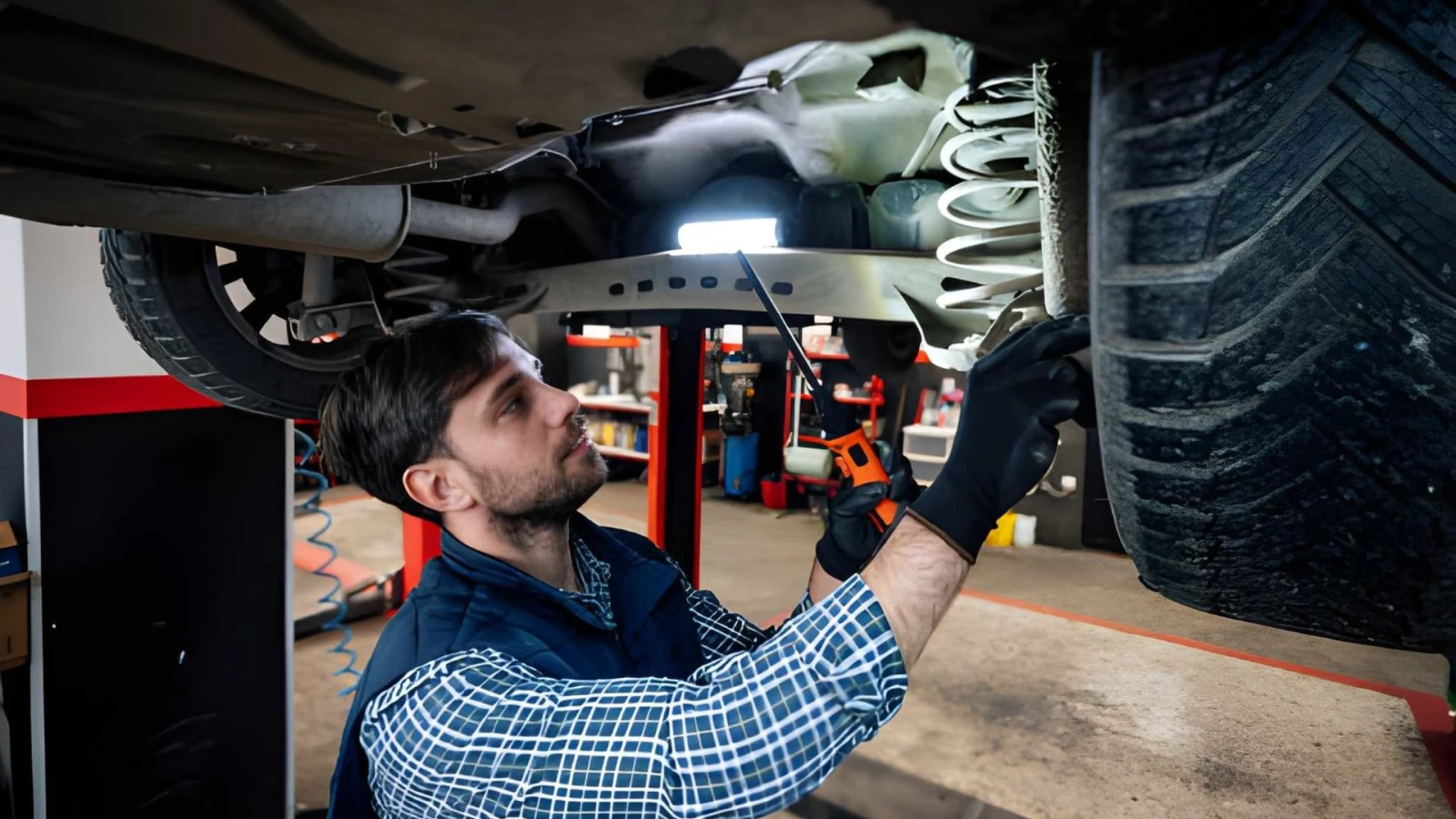
The best approach is to detect pothole damage at its earlier stages. A mechanic or tire service technician should examine your tires, suspension, wheels, and steering system.
Depending on the extent of damage, the repair will include:
- Balancing of the wheels and tires.
- Complete tire replacement.
- Replacing or repairing bent rims.
- Realigning of wheels.
- Repairing of other suspension parts.
- Replacing damaged shock absorbers and struts.
A quick reaction to damage helps reduce repair costs.
How To Minimize Road Hazard Damage?
Unfortunately, you cannot avoid each pothole you meet. However, several recommendations help minimize the risk of damaging the vehicle. These tips are:
- Checking wheel alignment on schedule.
- Checking the air pressure of tires.
- Slowing down while driving on a poor road.
- Keeping enough distance between vehicles.
- Avoid driving through puddles since they often hide potholes.
- Regular inspection of tires.
- Such an approach can help you avoid vehicle damage.
Achieve Better Safety and Protection While Driving Through Potholes With Regular Tire Care Service
Even though potholes might seem like a minor road hazard, they can damage wheels, tires, suspension, and the car’s steering system. Neglecting such damage may lead to costly steering and suspension repair and safety issues with the vehicle.
Therefore, the vehicle damage needs to be detected and corrected promptly. If you hit a pothole, it is vital to react immediately. Visiting a reliable tire service can help you diagnose your car’s damage and get the assistance you need. If your vehicle feels different after hitting a pothole, it is worth having it inspected. Catching a bent rim, damaged tire, or alignment issue early can prevent much more expensive repairs later.



























Sign in to leave a comment.